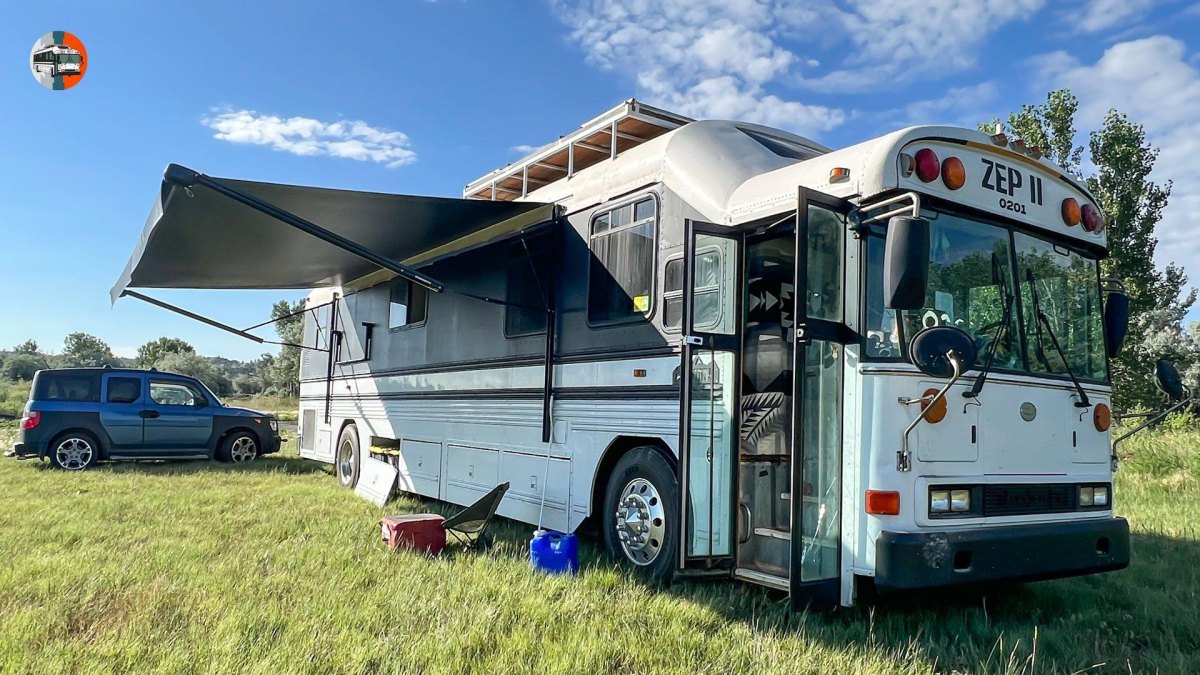
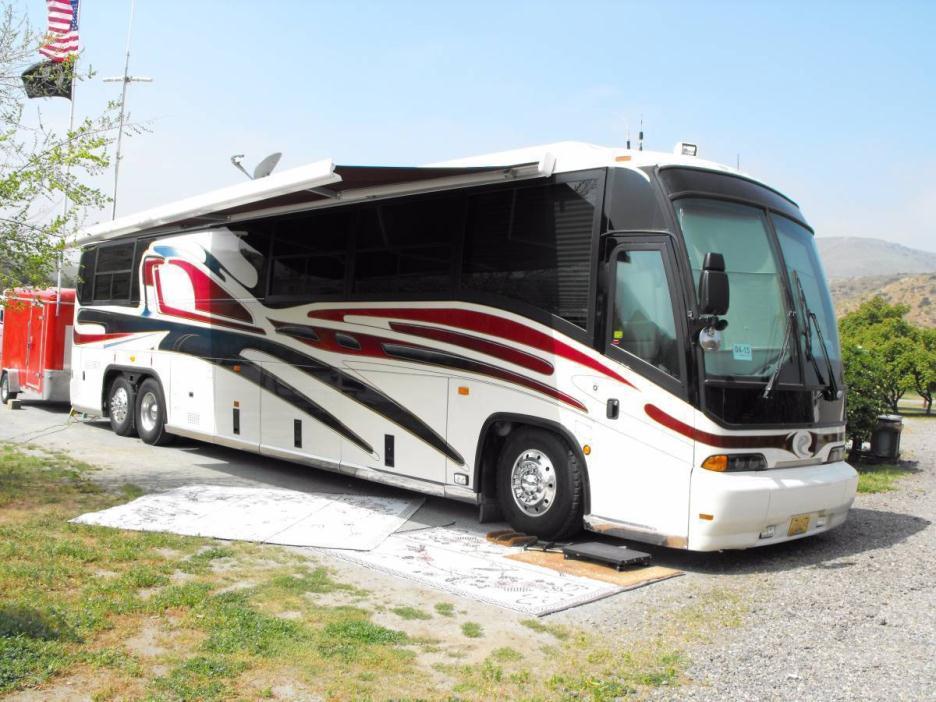
Bus life looks different for everyone. Some people want a quiet base near forests, others want a mobile workspace, and some simply want fewer possessions and more time outside. I have collected the ideas I find most useful, focusing on the details that make a bus feel like a real home.
My favourite builds are not the flashiest ones. They are the ones where every corner has a purpose and the owner has clearly thought about daily routines, maintenance, and comfort.
Living the Open Road: Finding Freedom Through Bus Life
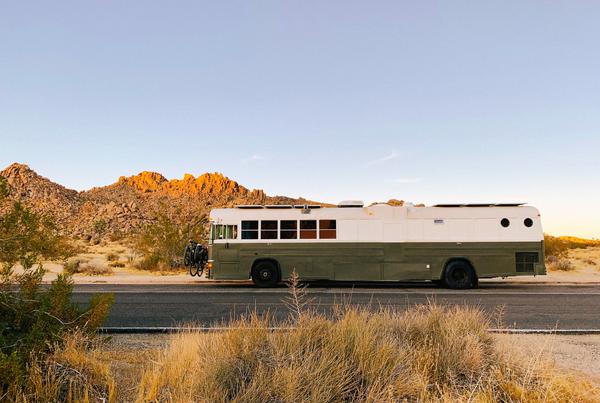
The appeal of bus life is the ability to change your view without changing your address. A well-planned bus home creates flexible everyday freedom while keeping familiar comforts nearby.
I like the practical side of this lifestyle: choosing a smaller space means deciding what actually matters. The growing RV and mobile living market shows that many travellers are still interested in life on wheels.
Cozy Bus Interiors Designed for Simple Living
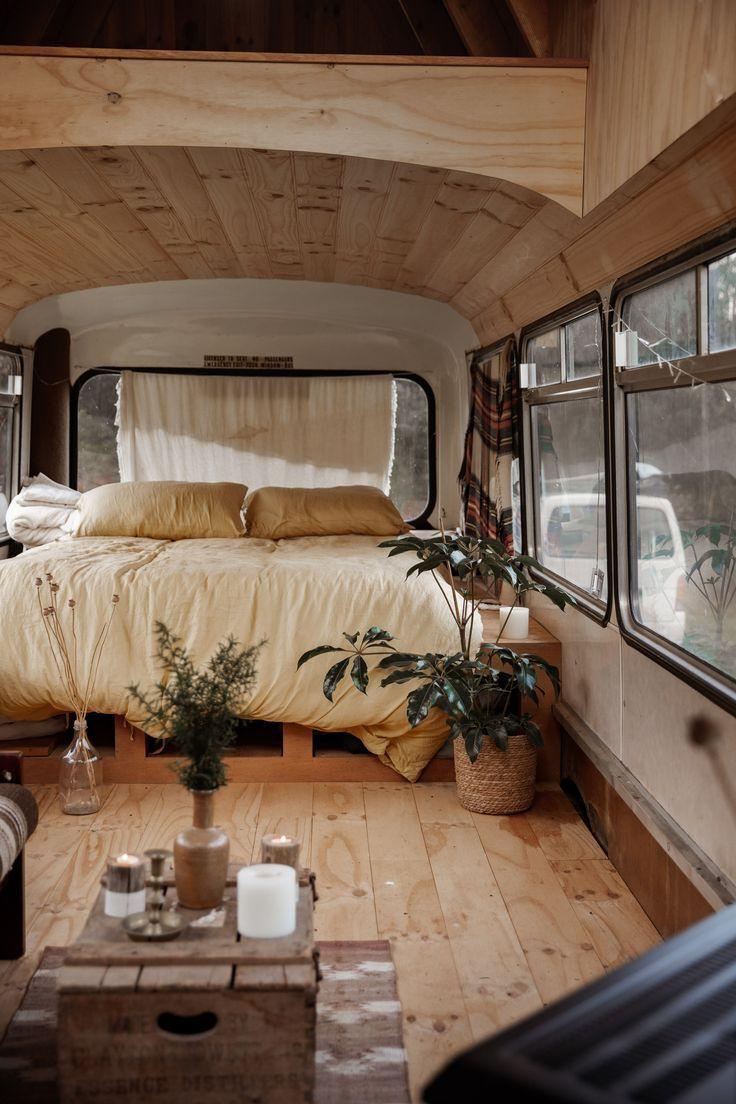
The best interiors feel calm rather than crowded. Warm wood, clever lighting, and furniture that serves multiple purposes create a comfortable tiny home.
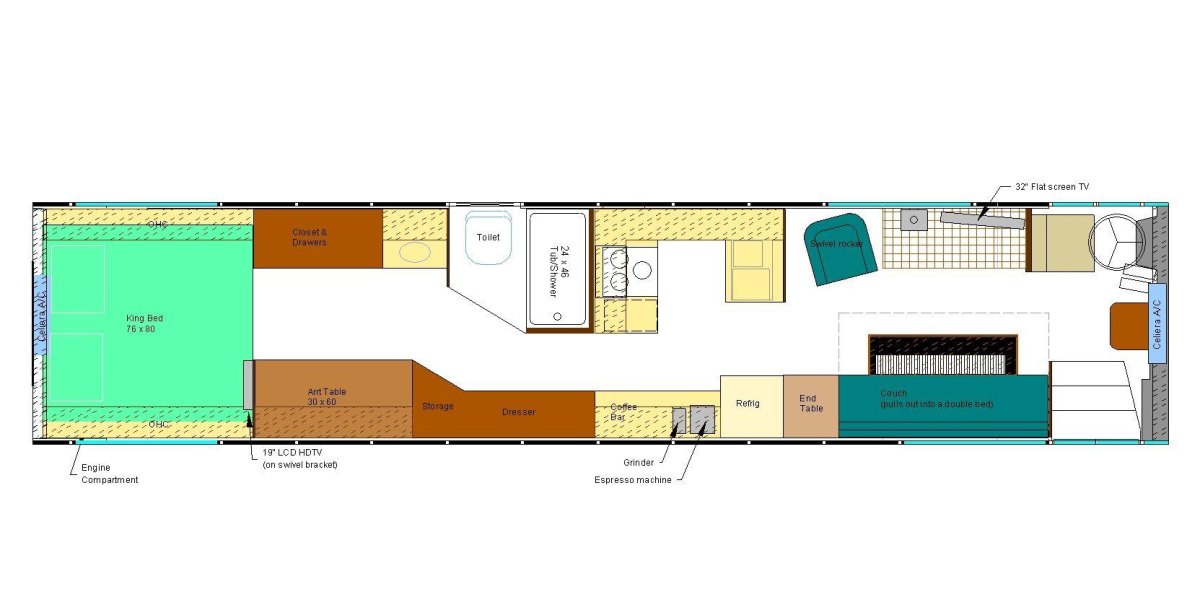
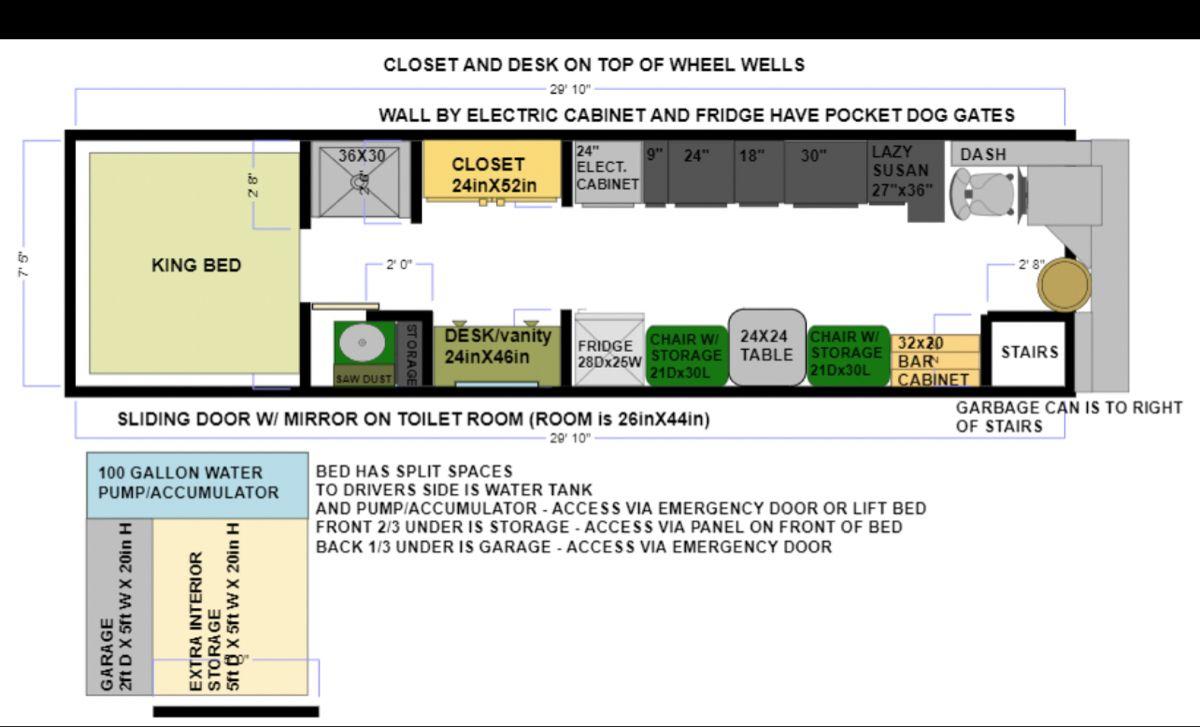
I always look for practical layouts first: a place to sleep, cook, store belongings, and relax without constant rearranging.
Off-Grid Bus Life Surrounded by Nature
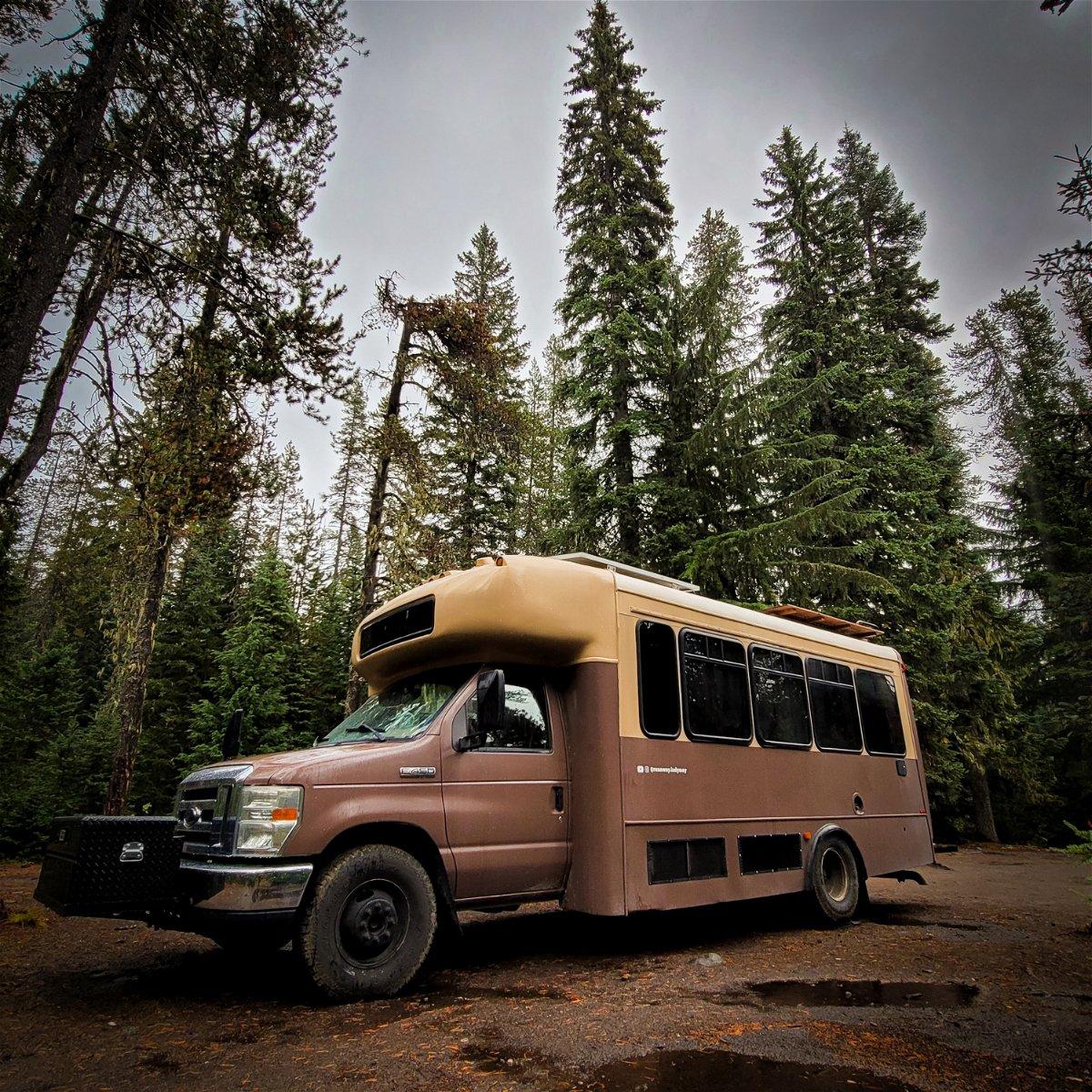
Off-grid living requires planning, not just a pretty campsite photo. Water storage, energy use, and weather decisions become part of daily life. Self-sufficient systems are common features in modern conversions.
I would always test your real habits before investing in expensive equipment.
Minimalist Living Inside a Tiny Bus Home
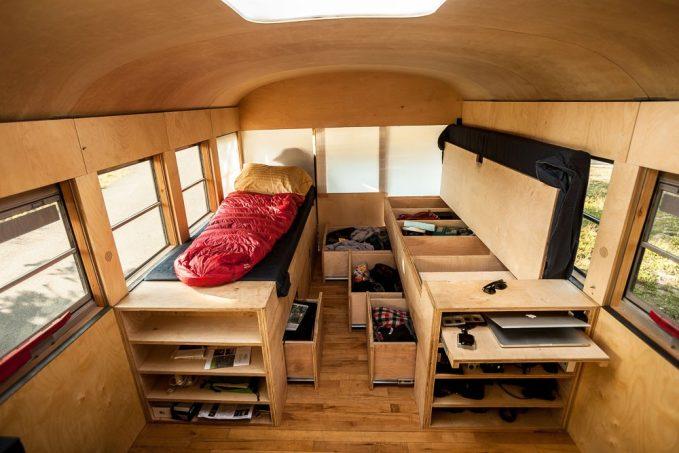
Minimalism in a bus is less about owning nothing and more about removing friction. Every item needs a reason to stay. Intentional small-space living makes daily routines easier.
I find that the happiest tiny homes are organised around real life, not magazine photographs.
Creative Bus Conversions That Inspire Adventure
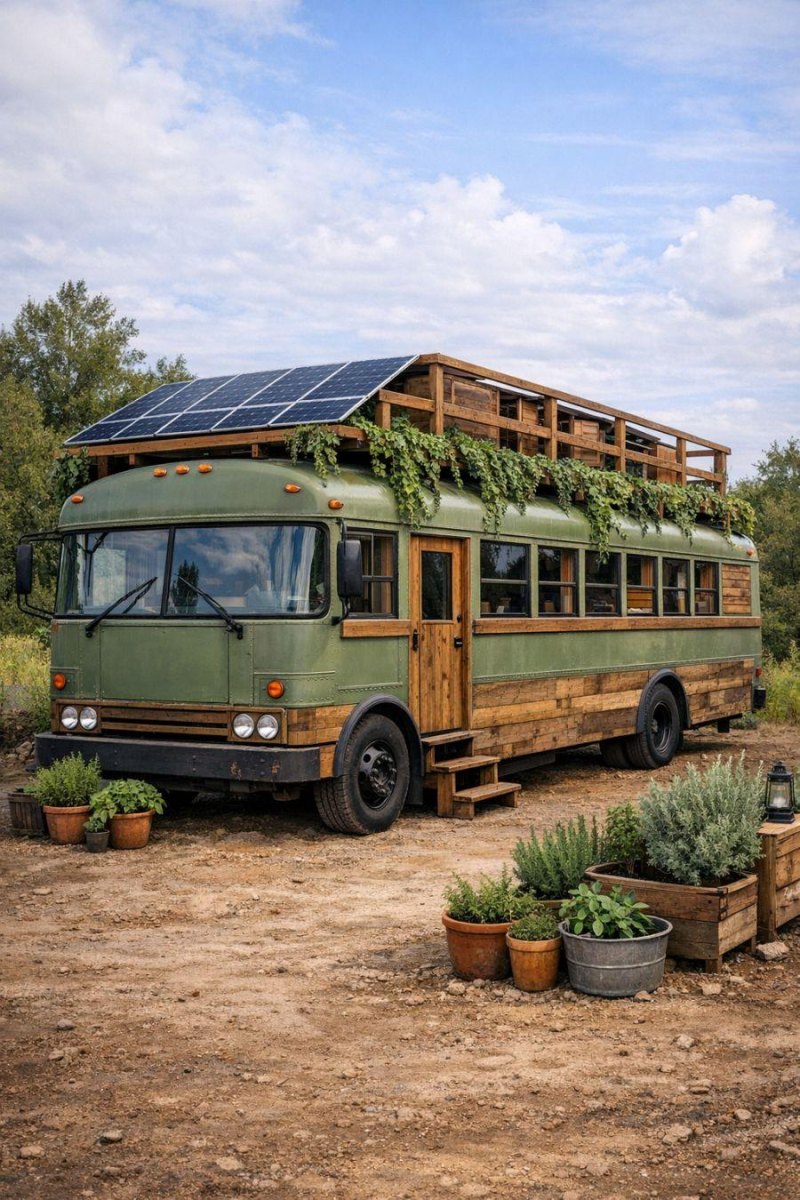
A converted bus can become almost anything: a family home, studio, workshop, or travel base. Creative builds often combine storage, flexible furniture, and personal style. Smart conversion ideas help transform an ordinary vehicle into a home.
The most impressive projects are usually the practical ones.
Remote Work From a Mobile Bus Office
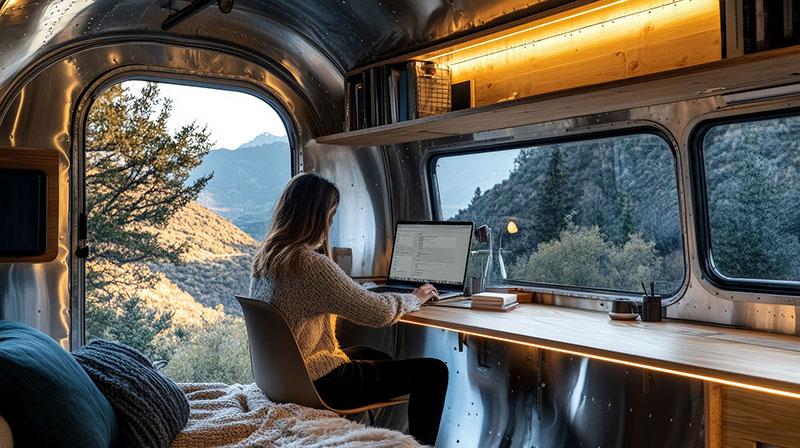
A bus office needs more than a laptop and a scenic window. Good lighting, reliable power, and a comfortable chair matter when work becomes part of travel. Mobile workspaces have grown alongside remote work trends.
I would design the workspace around your actual working hours, not occasional inspiration.
Bus Life Adventures Across Mountains and Landscapes

One of the joys of bus life is waking up closer to landscapes many people only visit briefly. Mountains, deserts, and forests become part of the weekly routine.
The practical challenge is choosing places that match your vehicle size and driving comfort level.
Sustainable Bus Living With Solar Power
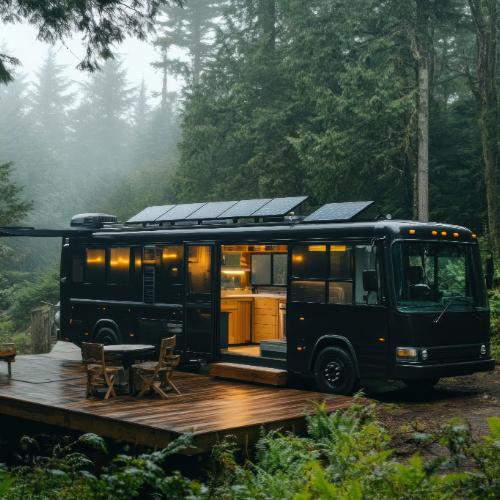
Solar power is one of the most popular upgrades in off-grid conversions because it can reduce dependence on traditional power sources. Solar energy systems are now common in tiny homes and bus builds.
The key is sizing your system for your actual electricity use, not someone else's setup.
Family Adventures on the Road in a Bus Home
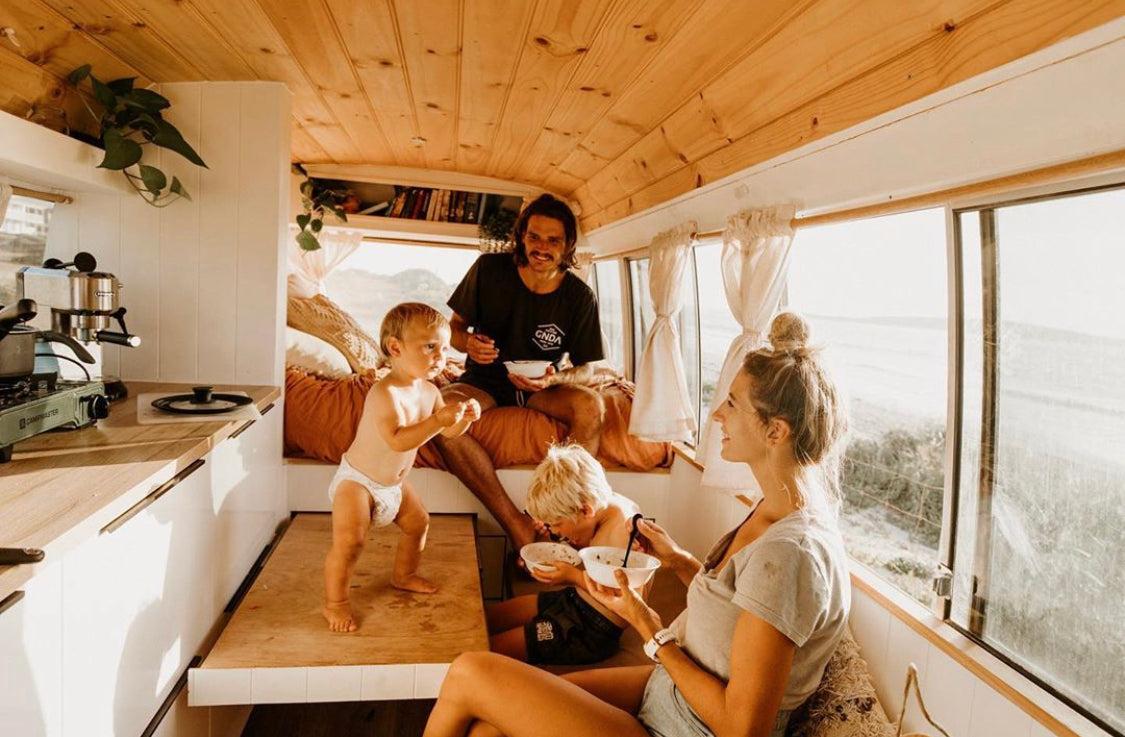
Families can make bus life work when the layout supports everyone's needs. Separate sleeping areas, storage zones, and routines make a huge difference. Family-friendly conversions prove that small spaces can still feel functional.
The best family builds leave room for ordinary days, not just adventures.
Beautiful Bus Kitchens Built for Everyday Cooking
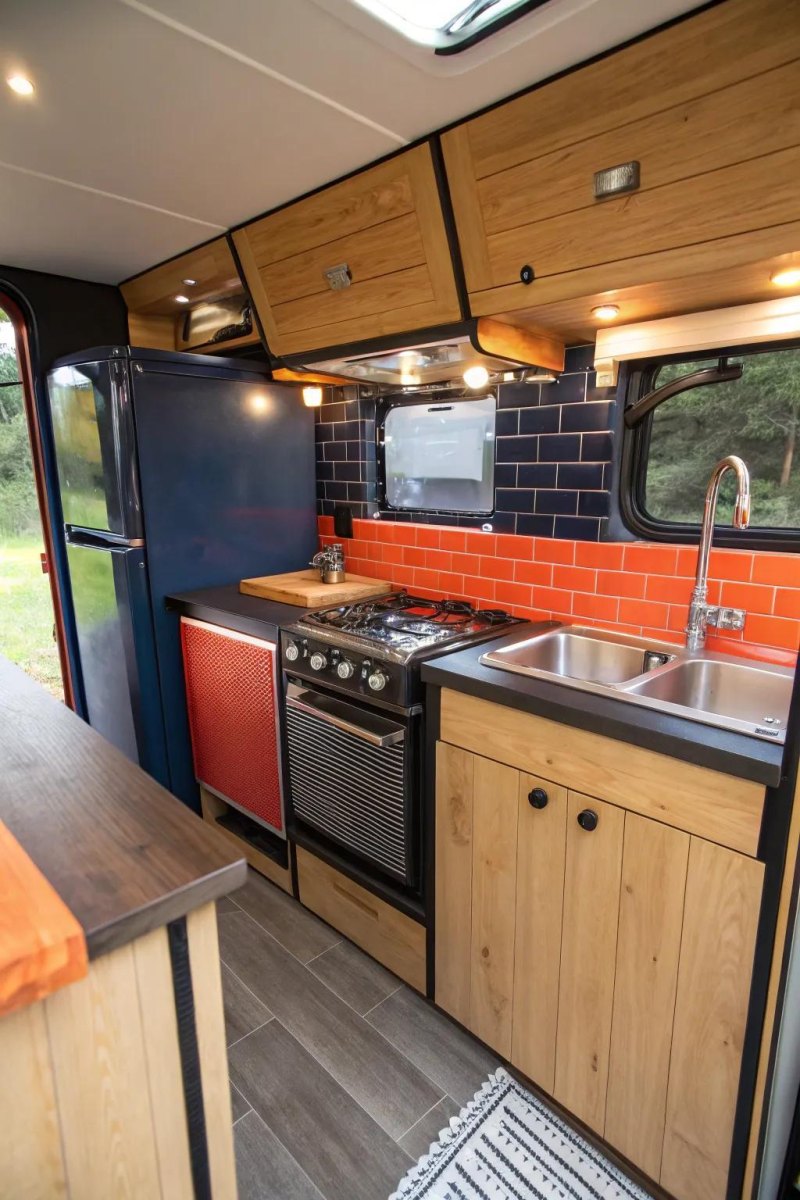
A useful kitchen is one of the features that makes a bus feel permanent. Compact counters, organised storage, and reliable appliances create a practical cooking space.
I would prioritise easy cleaning over complicated designs. Travel adds enough mess already.
Sunrise and Sunset Moments From Bus Life
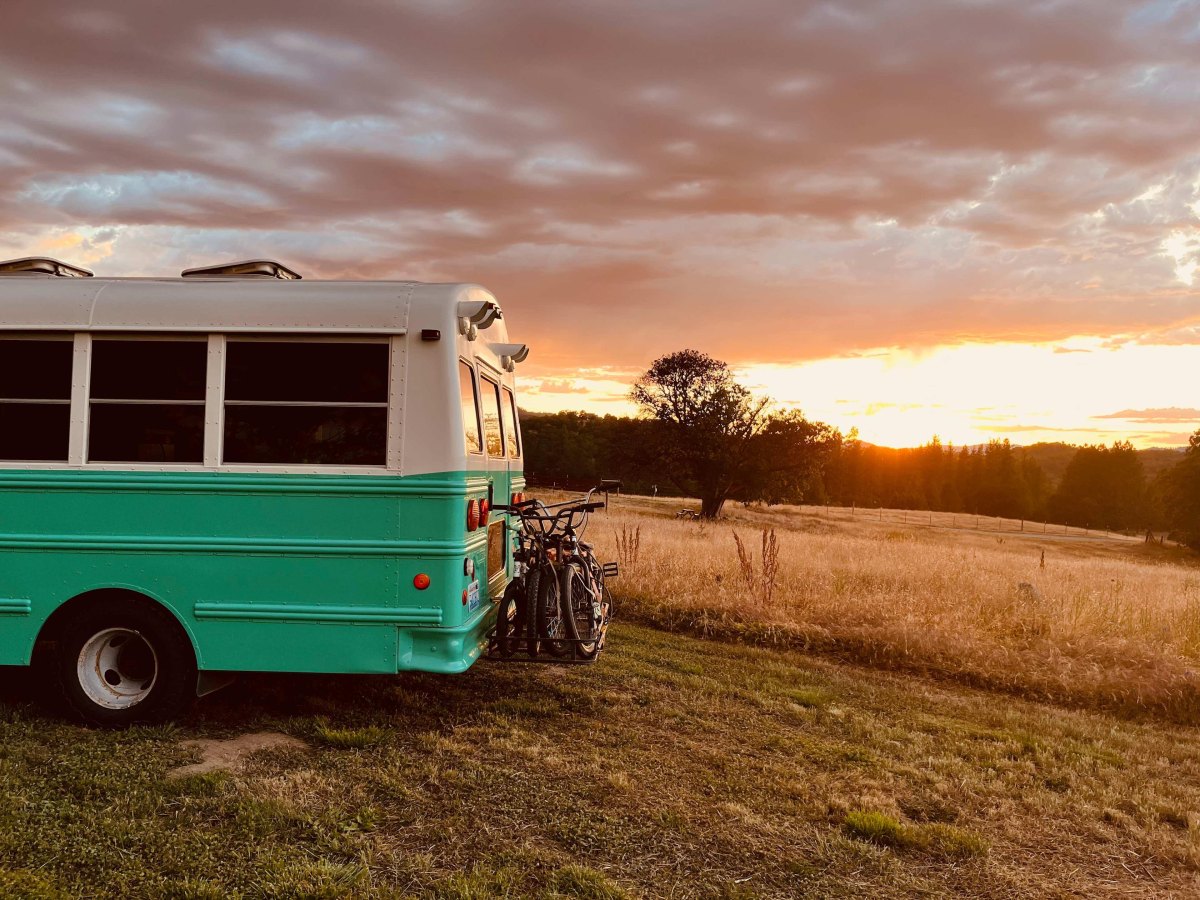
Some of the best bus life memories are simple: coffee at sunrise or watching the light change outside your door. These moments are why many people choose slower travel rhythms.
The reality is still ordinary life, including repairs, planning, and laundry days.
Beachside Bus Living and Coastal Escapes
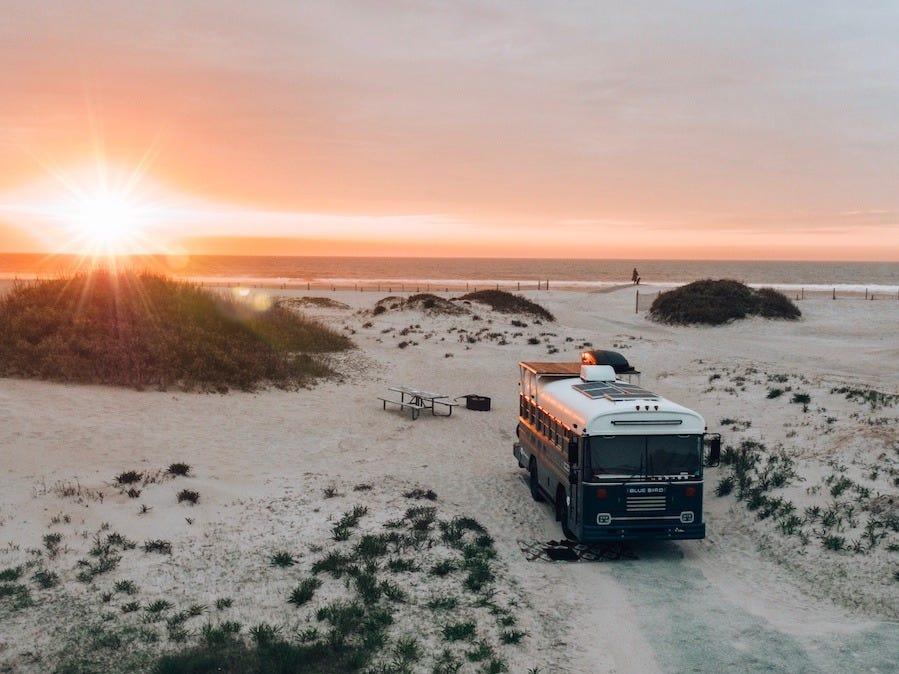
Coastal bus living combines beautiful scenery with practical challenges like weather, parking rules, and maintenance from salt air. Responsible coastal travel means respecting local spaces.
I prefer staying longer in fewer places rather than rushing between viewpoints.
Smart Storage Ideas for Small Bus Homes
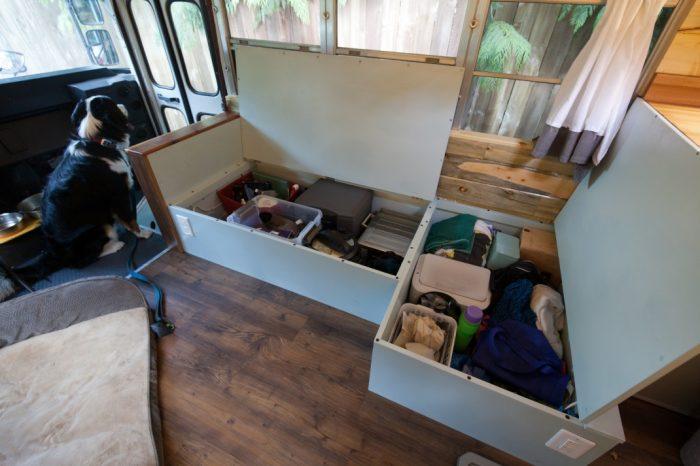
Storage is where good bus design becomes obvious. Hidden compartments, vertical shelving, and multi-use furniture create efficient storage solutions.
Before adding cabinets, I would first count what you actually use for a month.
Building a Bus Life Community Around Travel
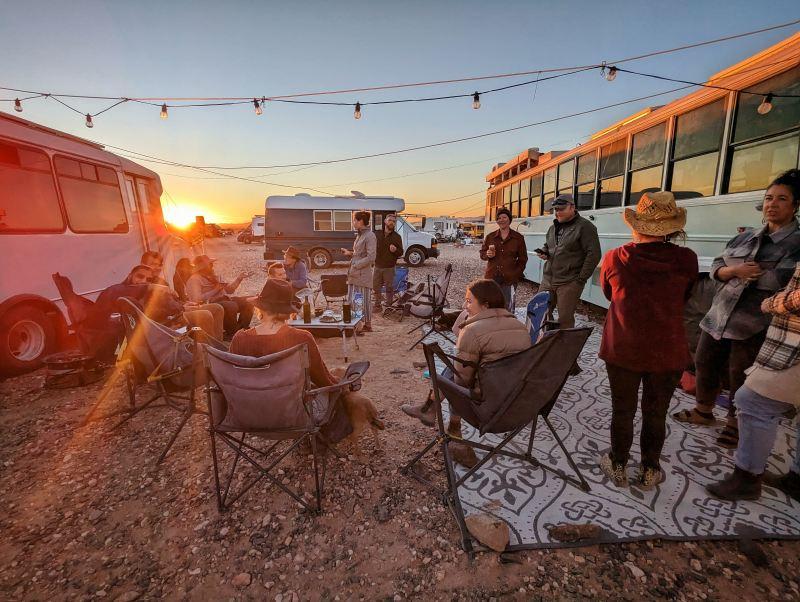
Bus life is often presented as solo freedom, but many people find support through conversion groups and travel communities. Sharing experience helps with repairs, layouts, and real-world problem solving.
The best communities exchange honest advice, including what did not work.
Turning Dreams Into Reality With Bus Life

A bus dream becomes realistic when it turns into a plan: budget, timeline, skills, and daily needs. Many successful conversions begin with small steps rather than a perfect finished design. Practical preparation is what keeps the adventure enjoyable.
My recommendation is simple: spend time understanding your routines before building your home on wheels.