A suitcase gets easier when every item has a reason to be there. I have spent years refining my packing after trips of every length, and the biggest improvement was not buying more gear but creating a repeatable system that works.
Start With the Right Suitcase Size
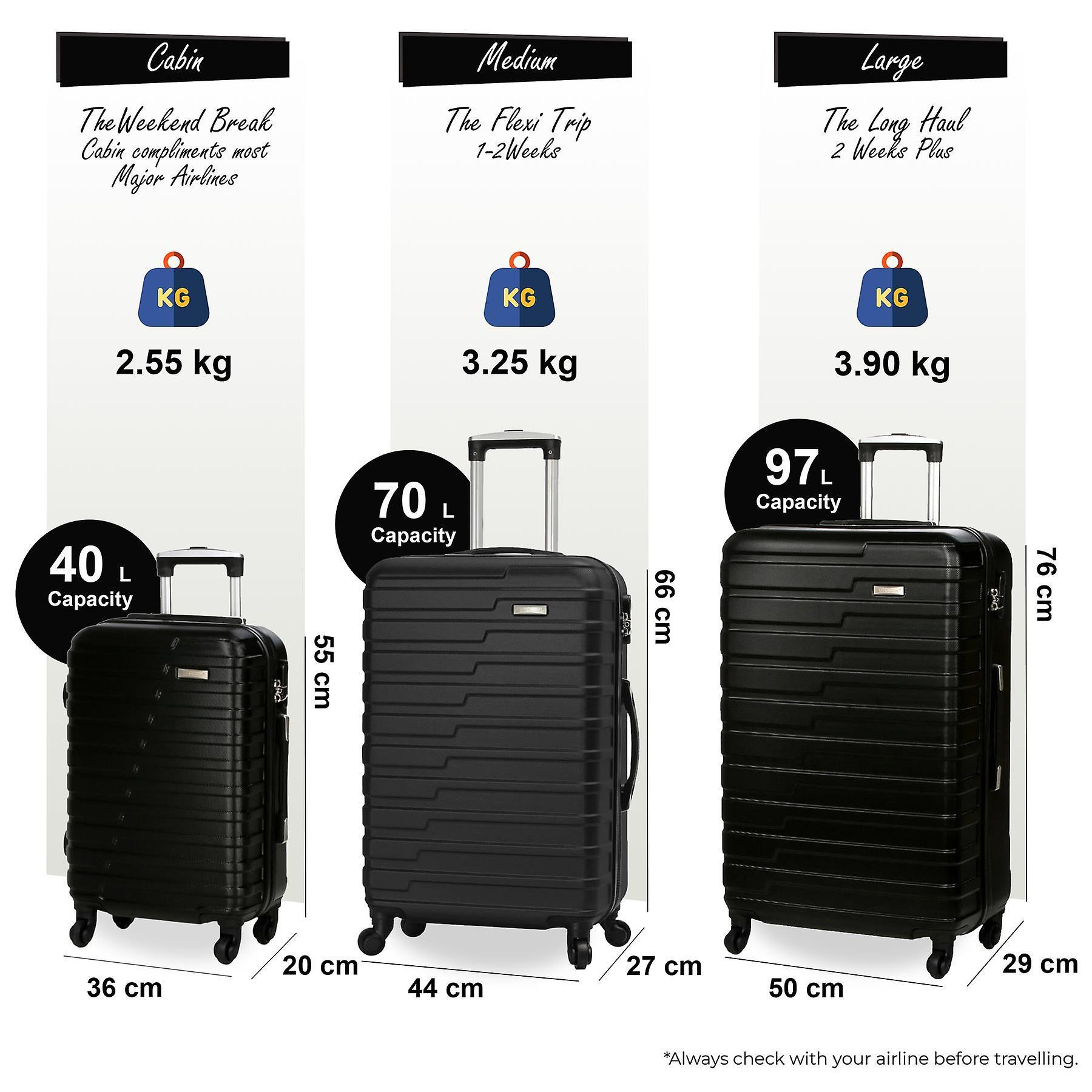
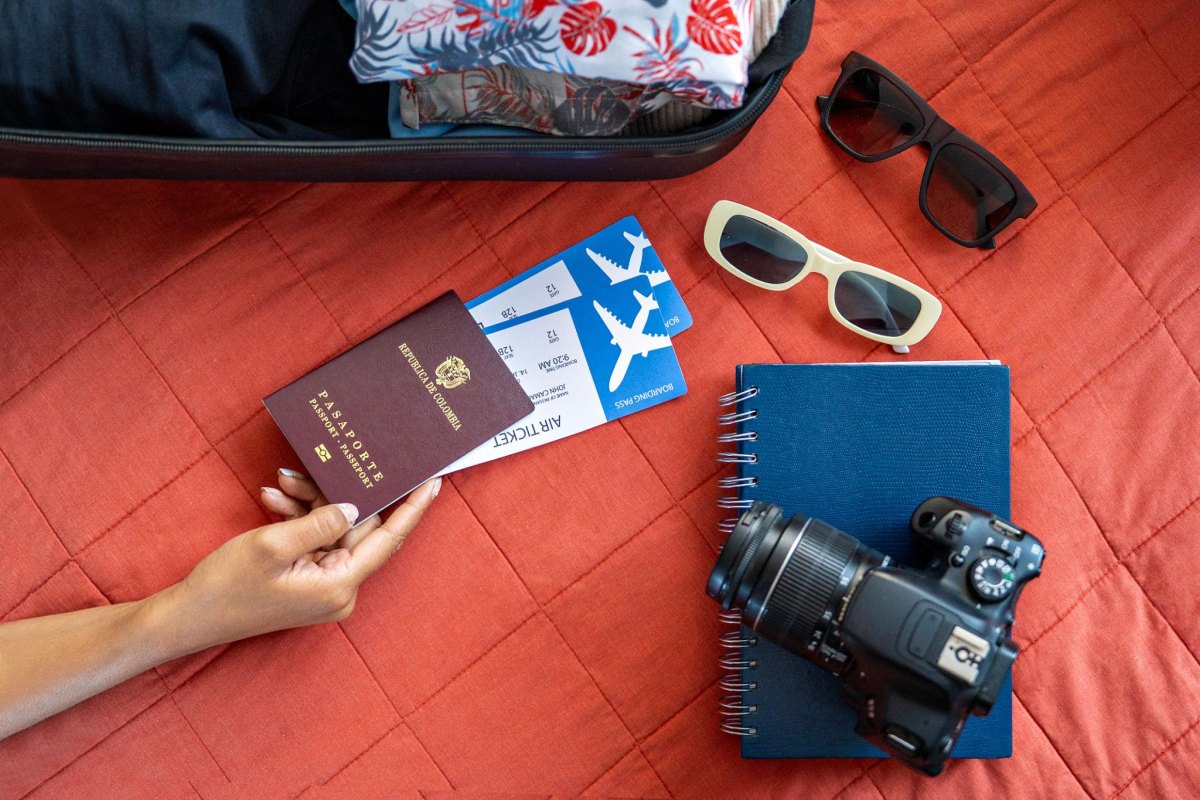
The first photo shows the foundation of good packing: choosing luggage that matches the trip. I like a smaller case when I can manage it because empty space has a habit of becoming unnecessary purchases and extra weight.
My rule: choose the smallest suitcase that comfortably fits what you need. A weekend bag, a medium case for a flexible trip, and a larger case for longer travel each have a purpose.
I do not aim to fill every corner. Leaving a little room makes arrival days easier, especially when I am moving between accommodations.
Make a Packing Plan Before You Fold
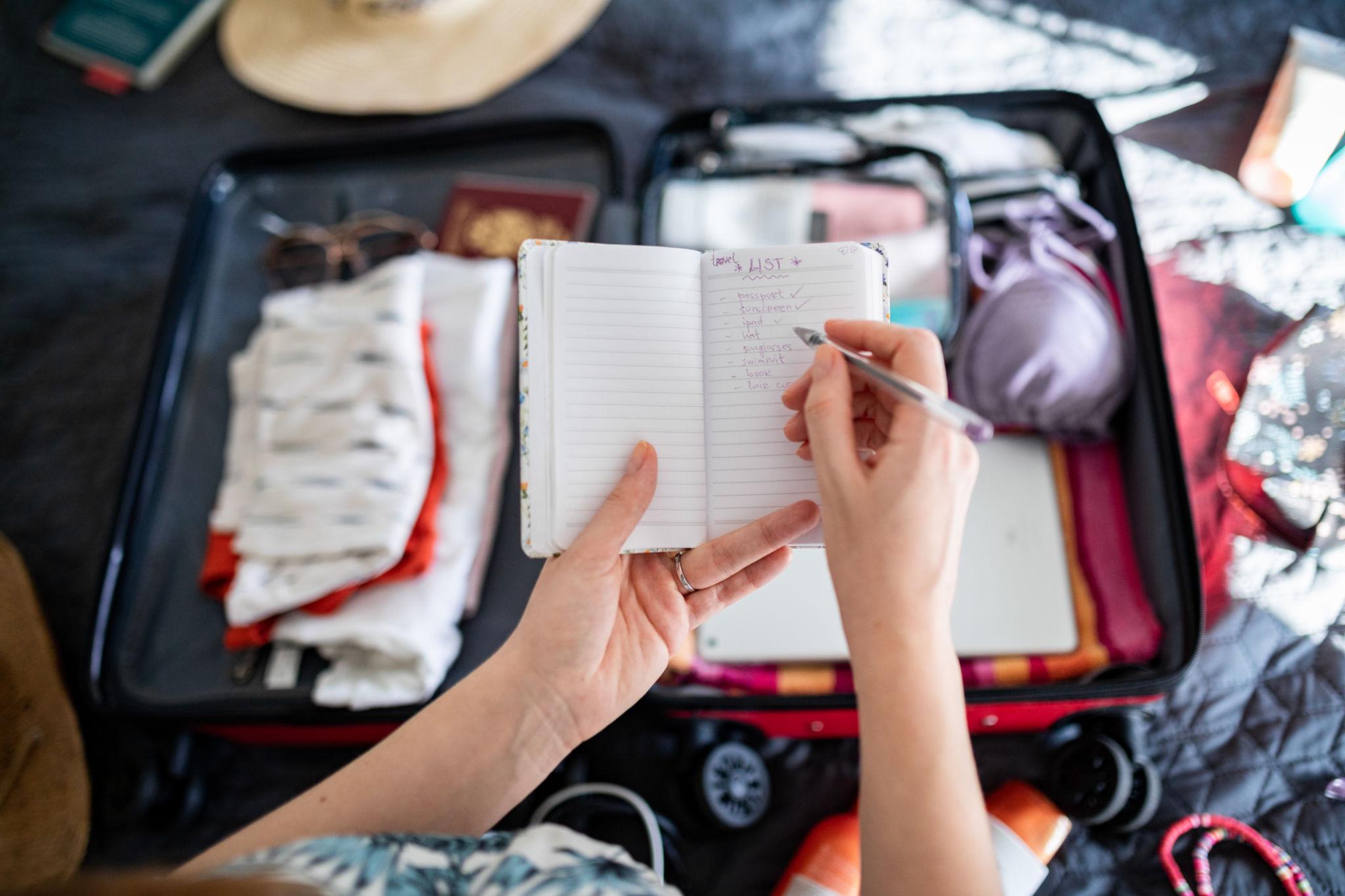
The open suitcase and handwritten list in this image represents the habit that saves me the most time: planning before touching the clothes pile.
I write down:
- number of days away
- weather needs
- one outfit per activity type
- items that can be used more than once
I learned that packing decisions are much easier on paper than when I am standing over a half-filled suitcase wondering why I packed three similar shirts.
Roll Clothes to Control Space
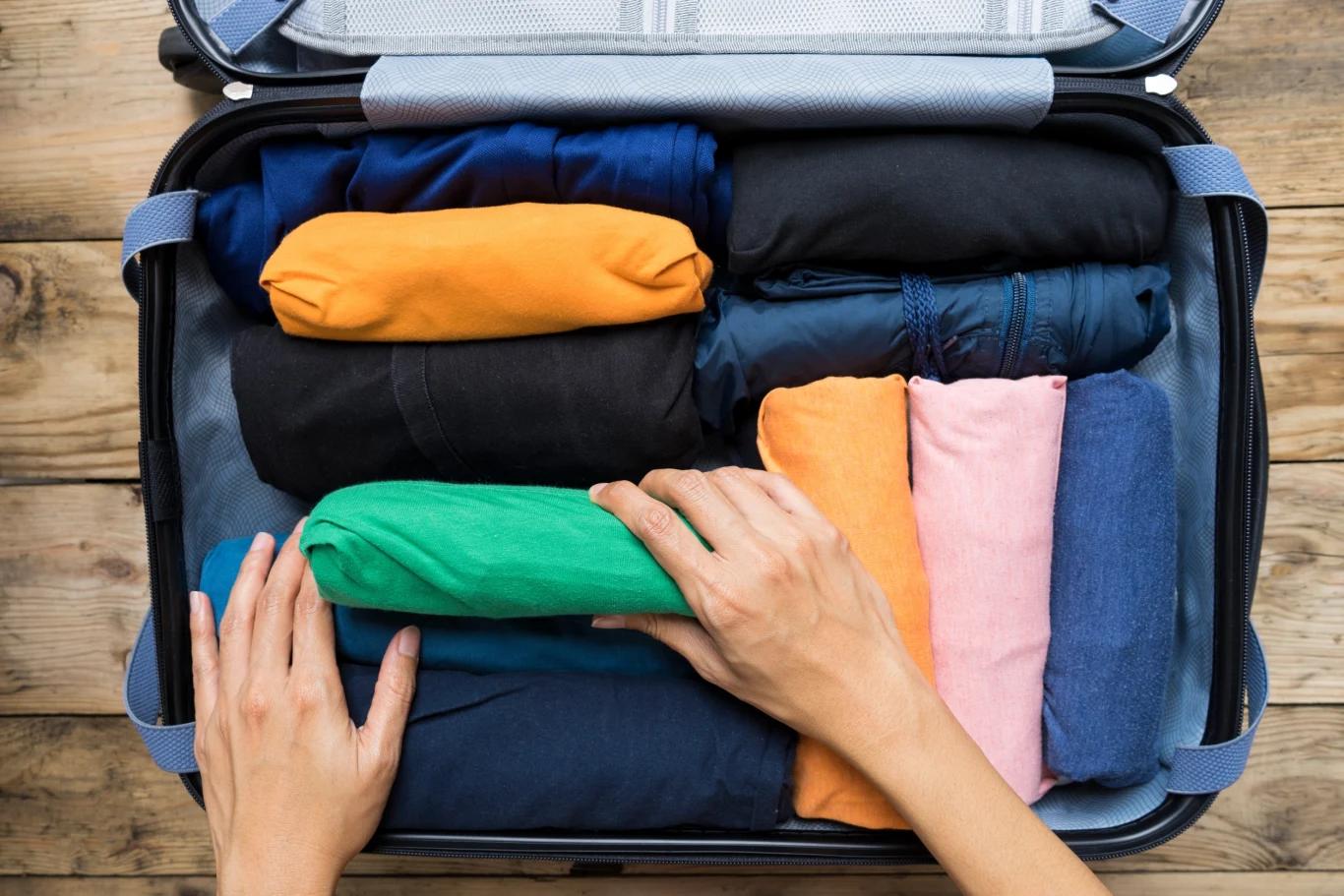
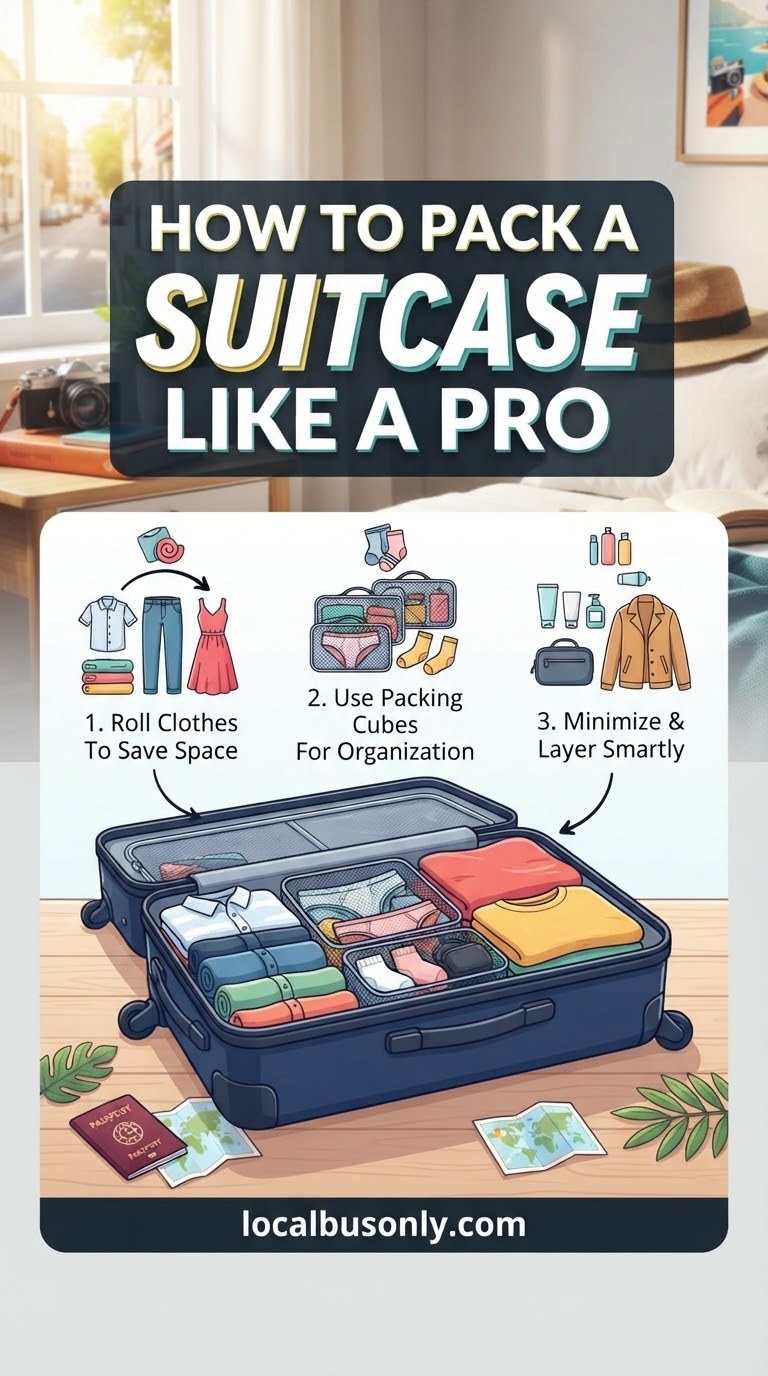
The rolled clothing method shown here is one I use constantly. Rolling works especially well for casual clothes because it reduces loose layers and makes everything visible when I open the case.
The trick is not simply rolling: fold bulky pieces flat first, then roll softer items tightly. I avoid rolling delicate fabrics that crease easily.
A suitcase should feel organised, not compressed into a battle with the zipper.
This method also helps me notice what I actually packed instead of digging through a stack every morning.
Use Compartments Instead of Random Piles
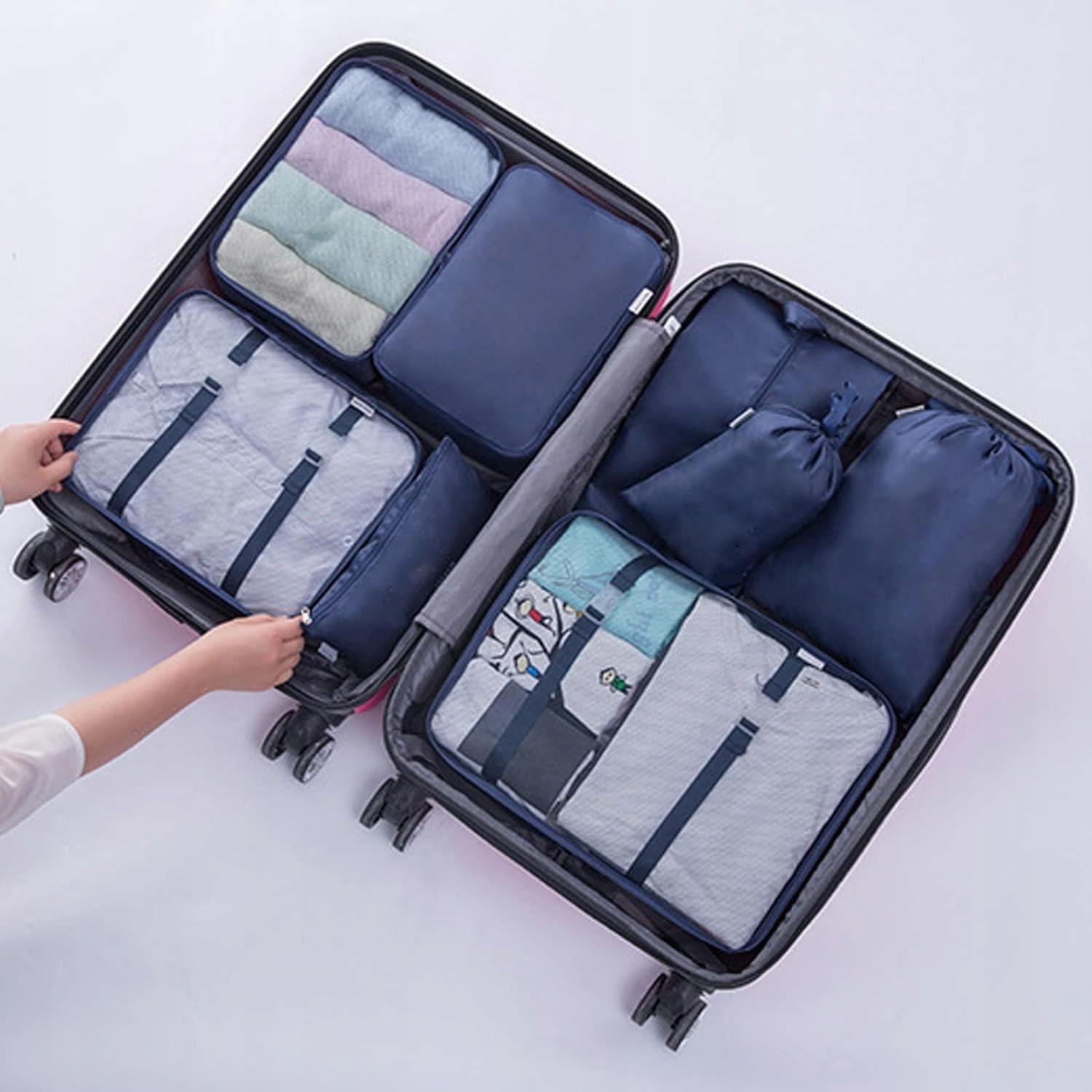
The divided suitcase layout shows why packing cubes and sections are useful. They create small zones, so socks, tops, electronics, and personal items do not become one mixed heap.
I usually separate by function:
- daily clothing together
- sleepwear and comfort items together
- chargers and small accessories together
The benefit is not magic extra space. The benefit is that unpacking becomes faster and repacking takes minutes.
Give Shoes Their Own Strategy
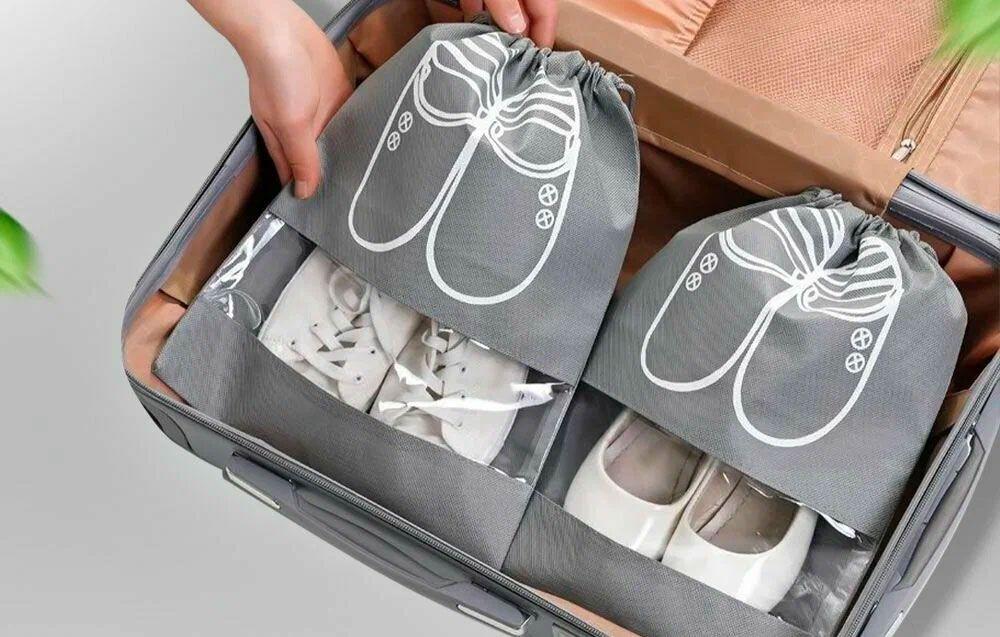
The shoe bags shown in this packing example solve a simple problem: shoes are useful but awkward. They take shape differently from clothing and can transfer dirt to clean items.
I pack the shoes I truly need, usually limiting myself to pairs that serve multiple purposes. Each pair gets a bag or clean covering.
My space-saving approach: wear the heaviest pair during travel when practical, and place lighter shoes around the edges of the suitcase.
Keep Toiletries Contained and Easy to Reach
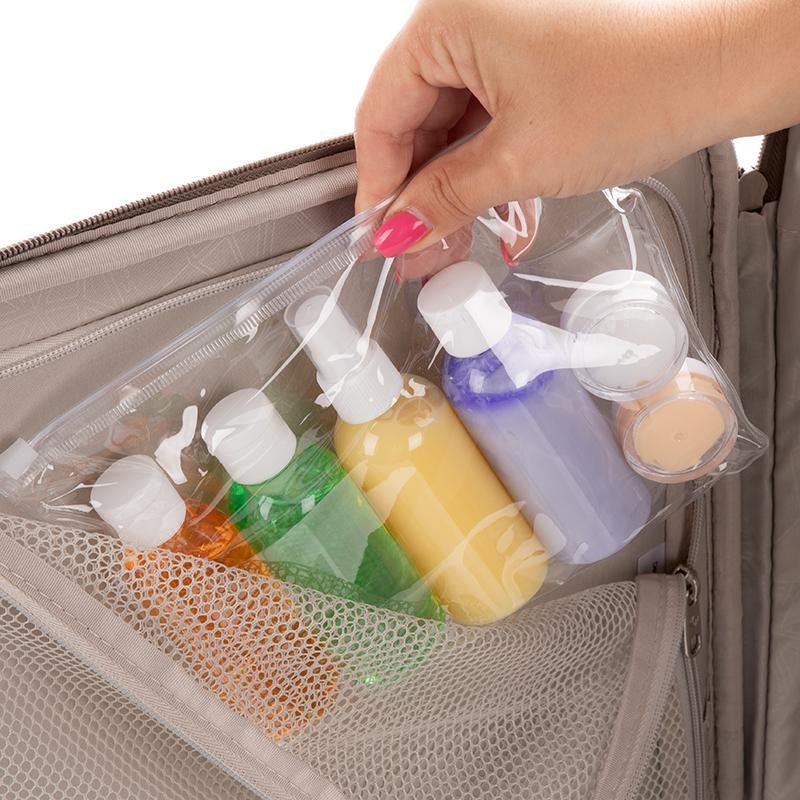
The clear toiletry pouch in this photo shows a small change that prevents many travel annoyances. A leaking bottle can ruin an entire packing system.
I keep liquids together in a sealed pouch and avoid bringing full-size products unless I genuinely need them.
Good packing is about access: the items I might need quickly are always near the top, while things for later in the trip can stay deeper in the case.
Maximise Space Without Overstuffing
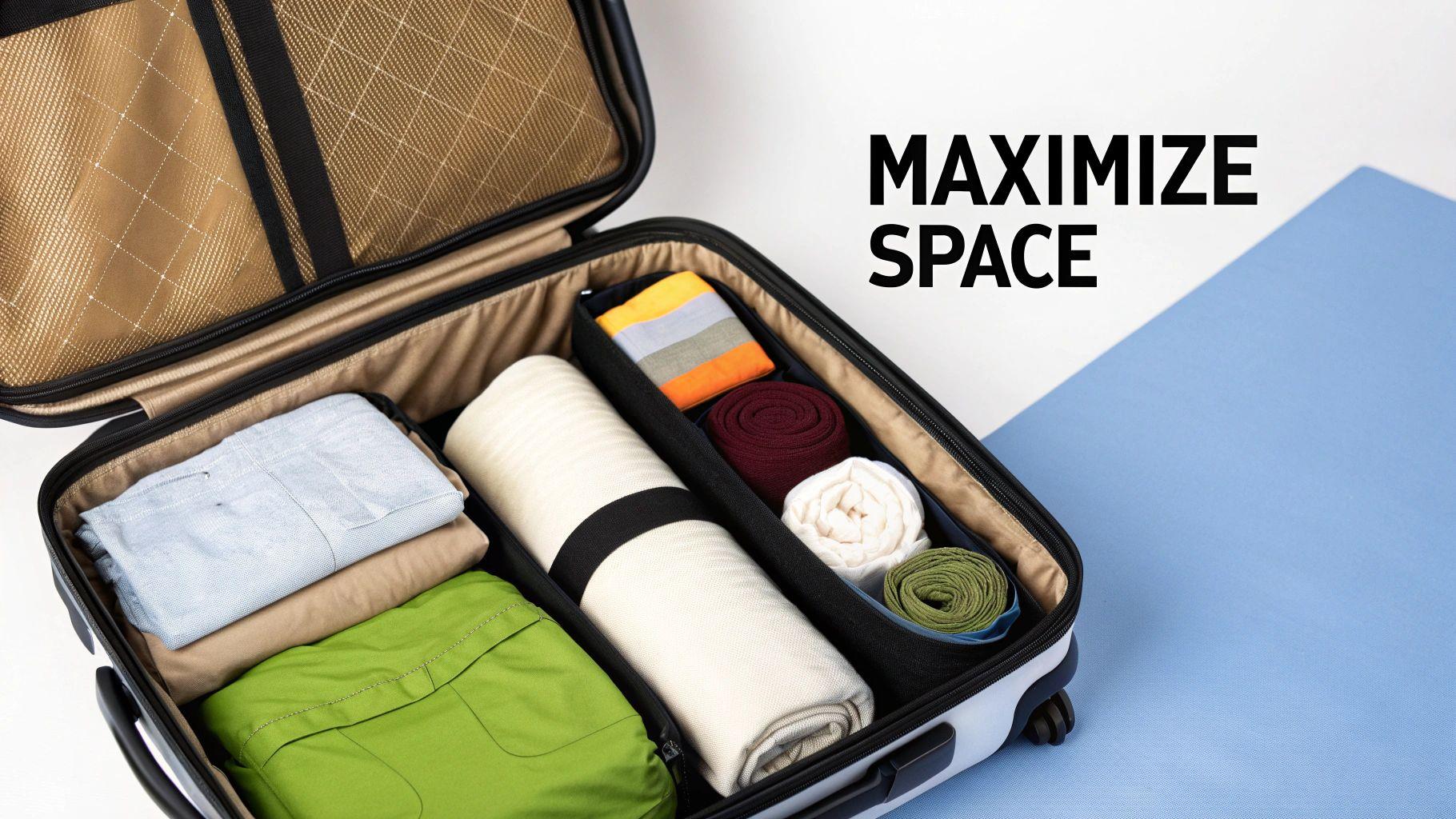
The compact suitcase arrangement here demonstrates a balanced approach. Space matters, but forcing every centimetre closed usually creates problems later.
I use compression carefully for soft items, but I do not rely on it as an excuse to pack more. A lighter suitcase is easier on my shoulders, easier on stairs, and easier when plans change.
The goal is efficient, not extreme: everything should have room to come out and go back in.
Protect Fragile Items With Simple Layers
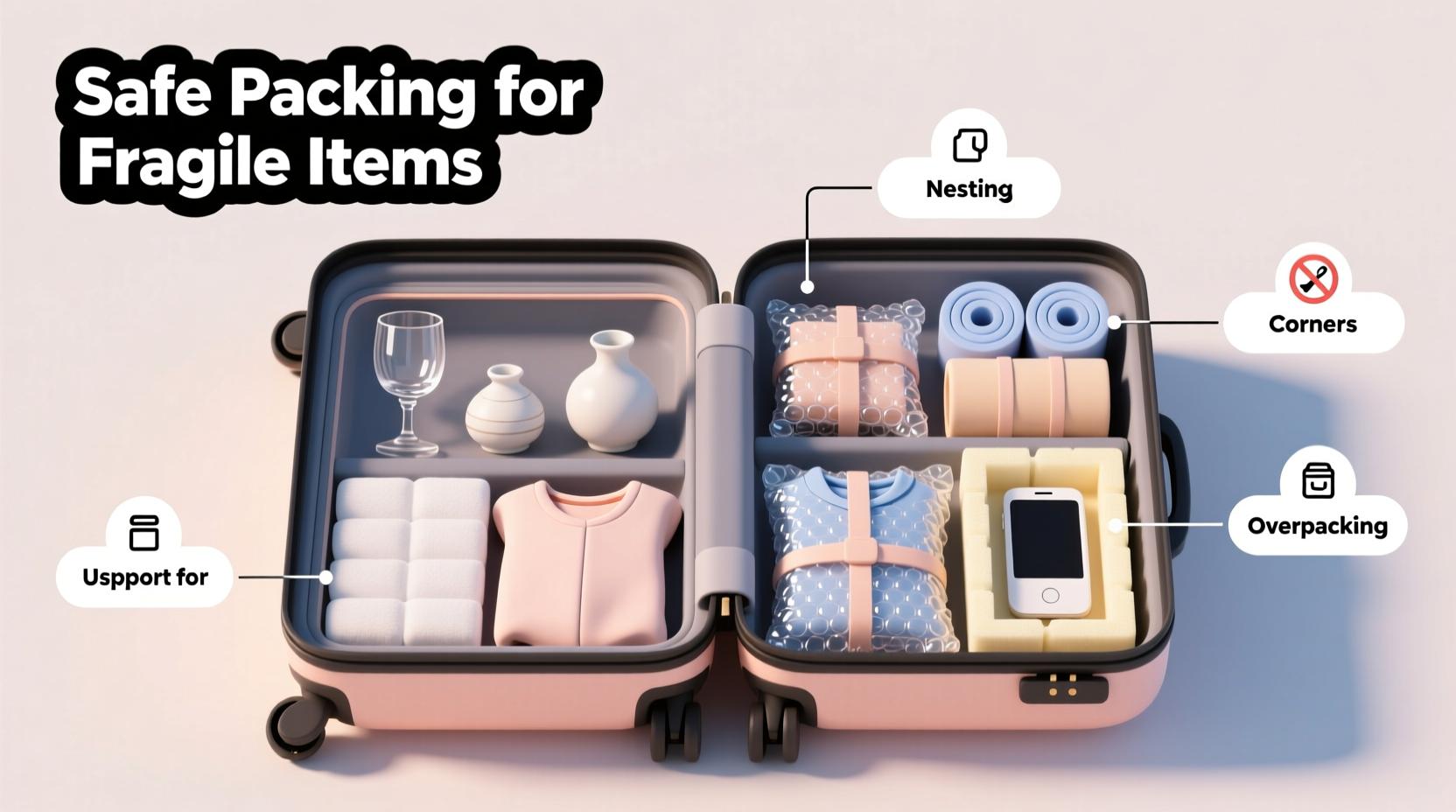
The protective packing example shows how fragile belongings need thoughtful placement. I avoid putting breakable items loose between clothes where they can shift.
My usual approach:
- wrap delicate objects with soft clothing
- place them away from hard corners
- fill empty gaps so items cannot move
You do not need complicated equipment. A few deliberate layers usually do the job.
Create a Small Essentials Zone
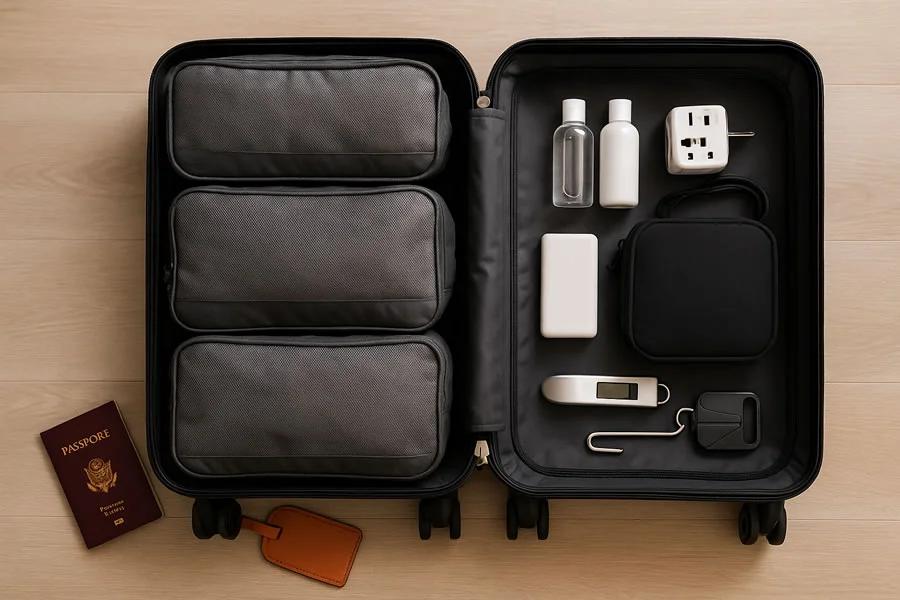
The neatly arranged travel essentials in this image show a habit I value: keeping important little items together.
I keep documents, chargers, and small daily-use items where I can find them quickly. This avoids the familiar airport-floor search through every pocket of a bag.
The best organiser is the one you actually maintain. A simple system beats a complicated one that you abandon after two days.
Check Weight Before Leaving Home
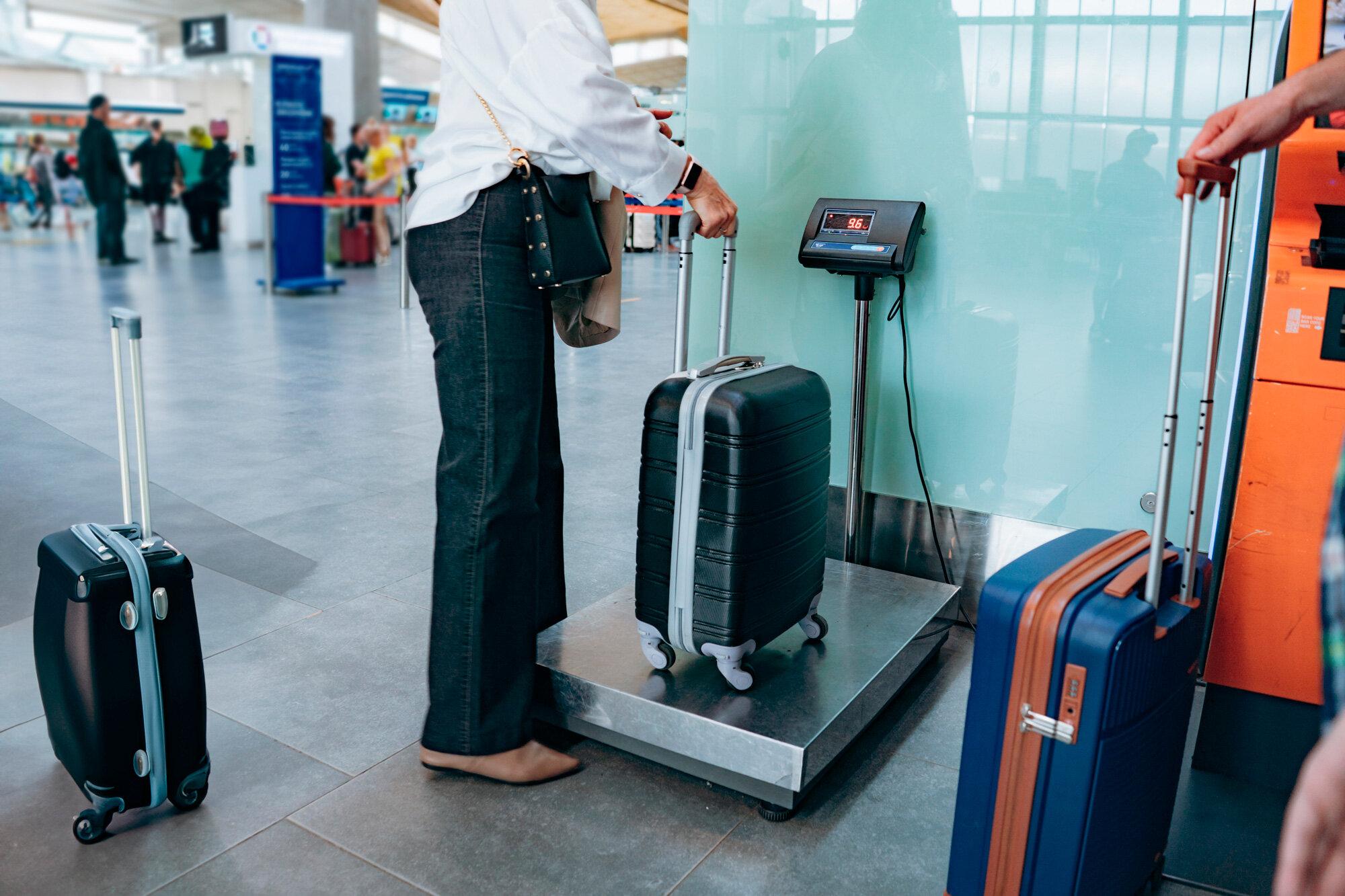
The luggage scale scene is the final check I recommend. A suitcase that looks fine can become a problem once it reaches a weight limit.
I weigh my bag before leaving, especially on flights where baggage rules matter. It takes less than a minute and removes a stressful surprise.
After years of travel, I have found that the best packed suitcase is not the fullest one. It is the one that lets me move through a trip without constantly managing my belongings.
A well-packed suitcase is a small daily convenience on a trip. My favourite systems are the boring ones that keep working: fewer items, clear categories, and everything easy to find.





Frequently Asked Questions
What is the fastest way to pack a suitcase like a pro?
Start with a short list, group items by purpose, roll suitable clothing, and place frequently used items where they are easy to reach.
Are packing cubes worth using?
For me they are worth it because they reduce searching time and keep categories separate, although they do not create extra physical space.
How do I avoid overpacking?
Choose a realistic outfit plan, remove duplicate items, and leave a small amount of empty space before closing the suitcase.