Buying a school bus is less like buying an ordinary vehicle and more like choosing a small fleet asset. I have looked at transport equipment decisions for years, and the same questions always matter: who will ride in it, how often it will run, and what condition it is really in.
This guide covers what I would check before I buy a school bus, from used listings to specifications and practical buying decisions.
New and Used School Buses for Sale
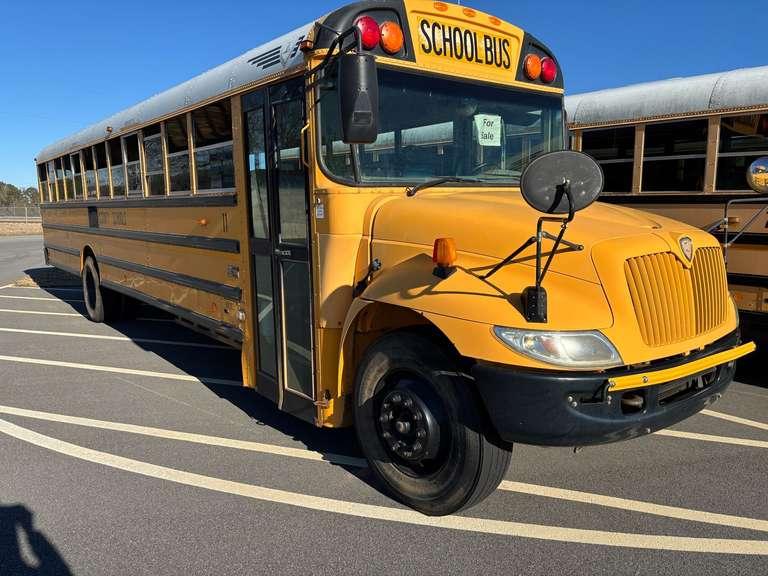
When I start searching for a bus purchase, I compare new and used inventory first. Current listings include brands such as Blue Bird, Thomas Built Buses, and International, with used options ranging from lower-cost vehicles to newer buses with updated equipment.
A used bus can be a sensible choice if the maintenance records are clear. I always look closely at service history and condition because a cheaper purchase price can disappear quickly if repairs are needed.
What I check before buying
- Vehicle age, mileage, and previous use
- Rust, tires, brakes, and mechanical records
- Passenger capacity and intended operation
My buying tip
I would rather buy a well-maintained older bus than a neglected newer one.
Types of School Buses Available to Buy
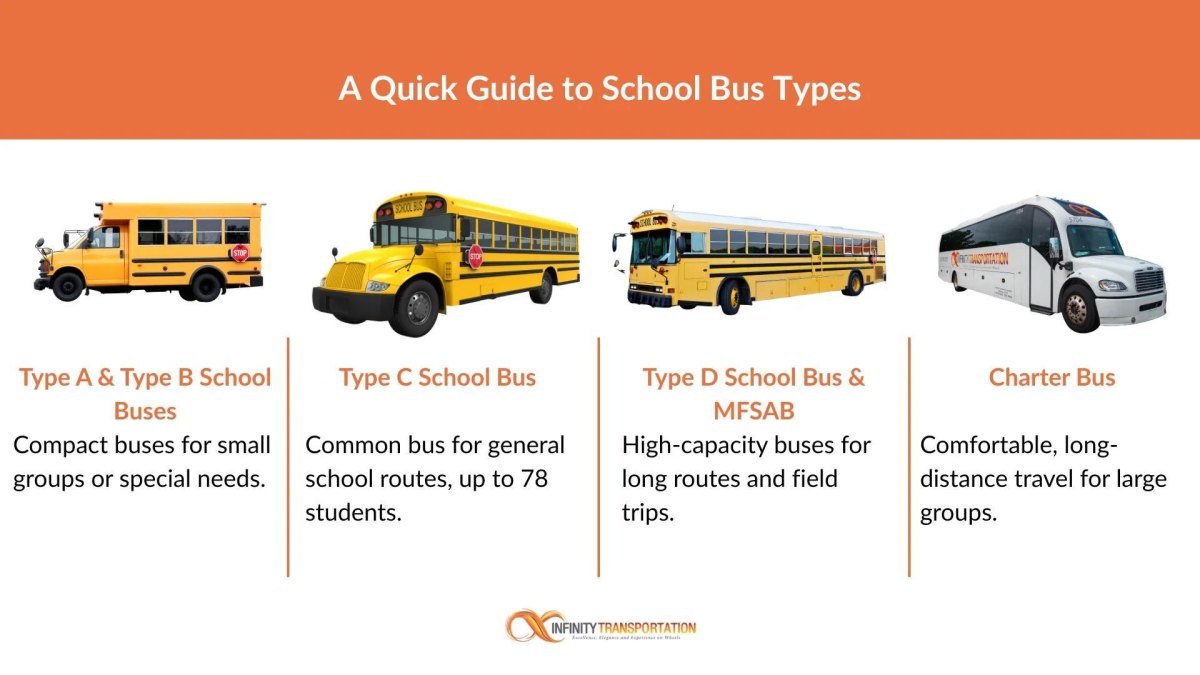
Before I choose a model, I match the bus type to the job. School buses are commonly grouped as Type A, B, C, and D, with differences in chassis design, engine placement, and size.
For smaller groups, a Type A bus may be practical, while larger operations often consider Type C or Type D models because of their passenger capacity and traditional school transportation layout.
| Type | Best suited for |
|---|---|
| Type A | Smaller groups and compact routes |
| Type C | Traditional full-size school transportation |
| Type D | Large capacity and transit-style layouts |
Remember
Local rules and registration requirements can affect which bus type works for your purpose.
School Bus Features and Specifications to Consider
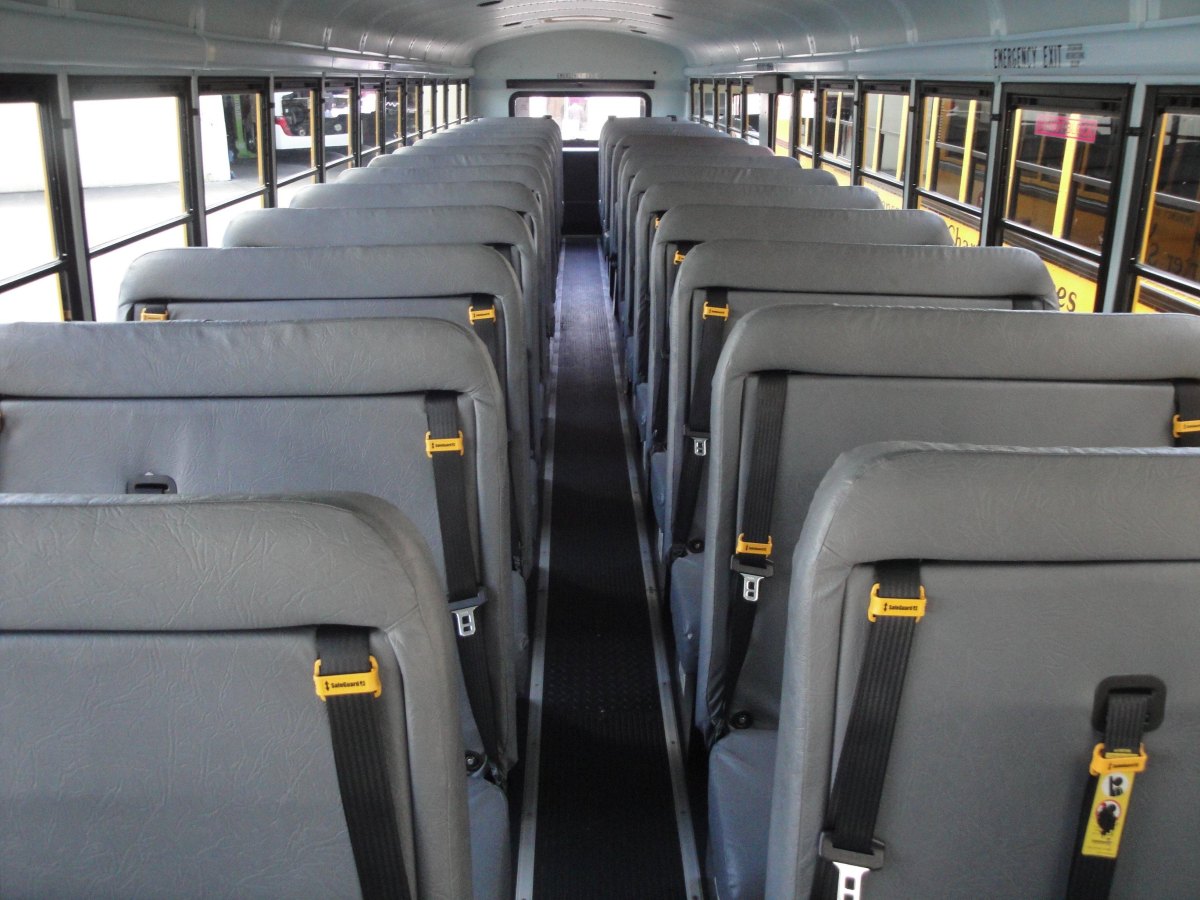
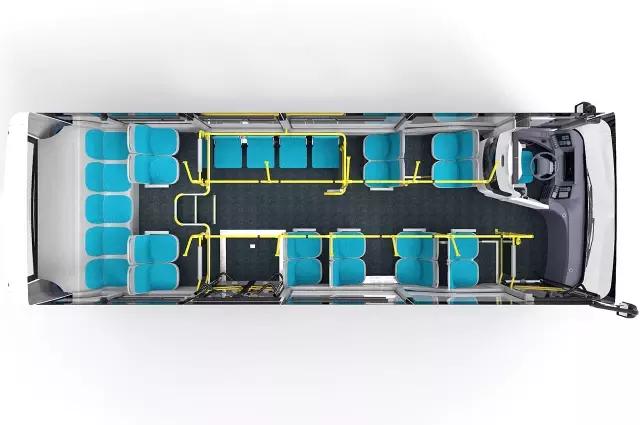
The right features depend on how the bus will be used. I pay attention to seating layout, accessibility equipment, fuel type, safety systems, and maintenance access before making a decision.
Safety requirements are especially important because school buses are built around specific federal standards covering areas such as rollover protection, emergency exits, and passenger seating protection.
The specification I would not ignore
Accessibility features and practical daily usability matter just as much as engine size. A bus that fits the route is usually the better investment.
Buying a School Bus for Transportation Needs
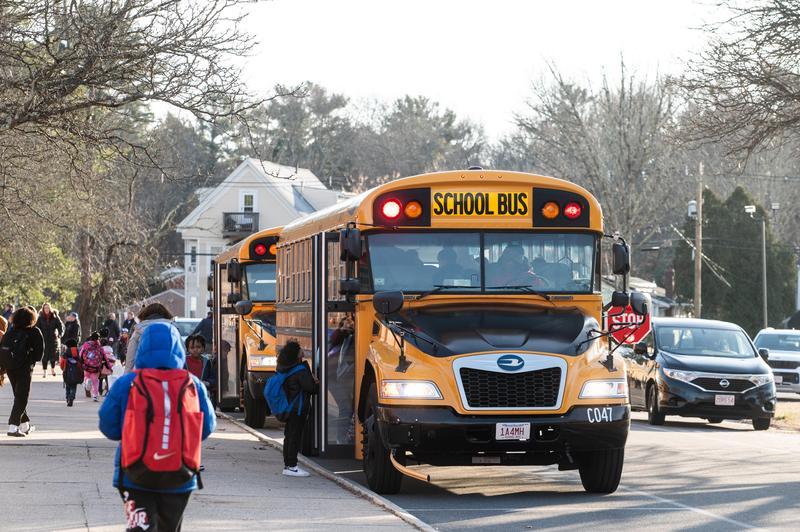
The best school bus purchase starts with a clear purpose. I would decide whether the vehicle is for school routes, community transport, group travel, or another approved use before looking at listings.
My usual buying process is simple: define the job, compare options, inspect the vehicle, and only then negotiate. It avoids buying a bus that looks affordable but does not match the real transportation requirement.
- Define. Decide passenger numbers, route needs, and operating conditions.
- Inspect. Review records, mechanical condition, and safety equipment.
- Compare. Balance purchase price against long-term running costs.
- Complete. Confirm paperwork, regulations, and insurance requirements.
Advantages
- Purpose-built passenger vehicle
- Many used options available
- Flexible for different group needs
Challenges
- Maintenance can be expensive
- Size affects storage and operation
- Rules vary by location