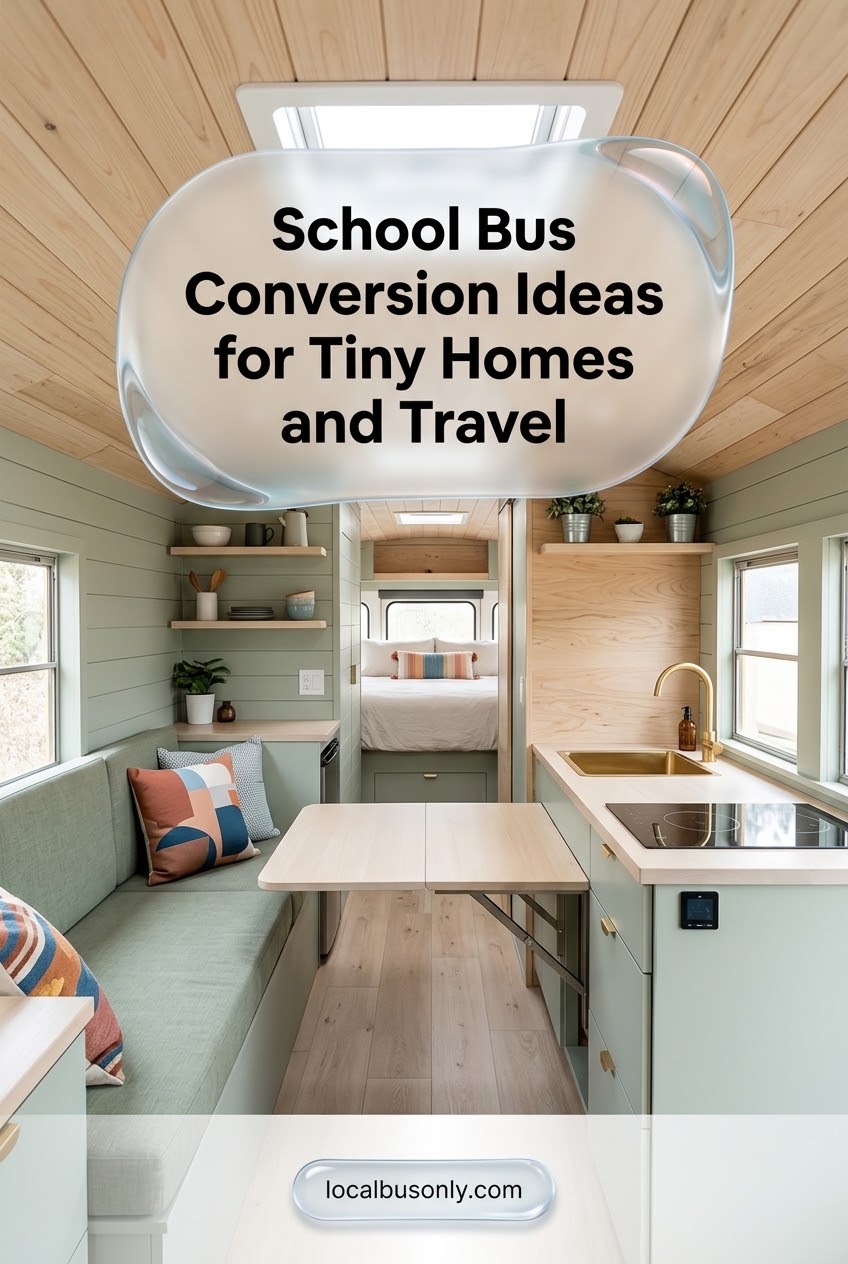
Turning a retired school bus into a home takes patience, planning, and a willingness to measure everything twice. I have always liked practical spaces that earn their keep, and a good conversion does exactly that by combining smart design choices with everyday comfort.
These school bus conversion ideas focus on real living needs: sleeping, cooking, storage, power, and making a small footprint work. I look at each style with a practical eye because a beautiful build still has to function on an ordinary Tuesday.
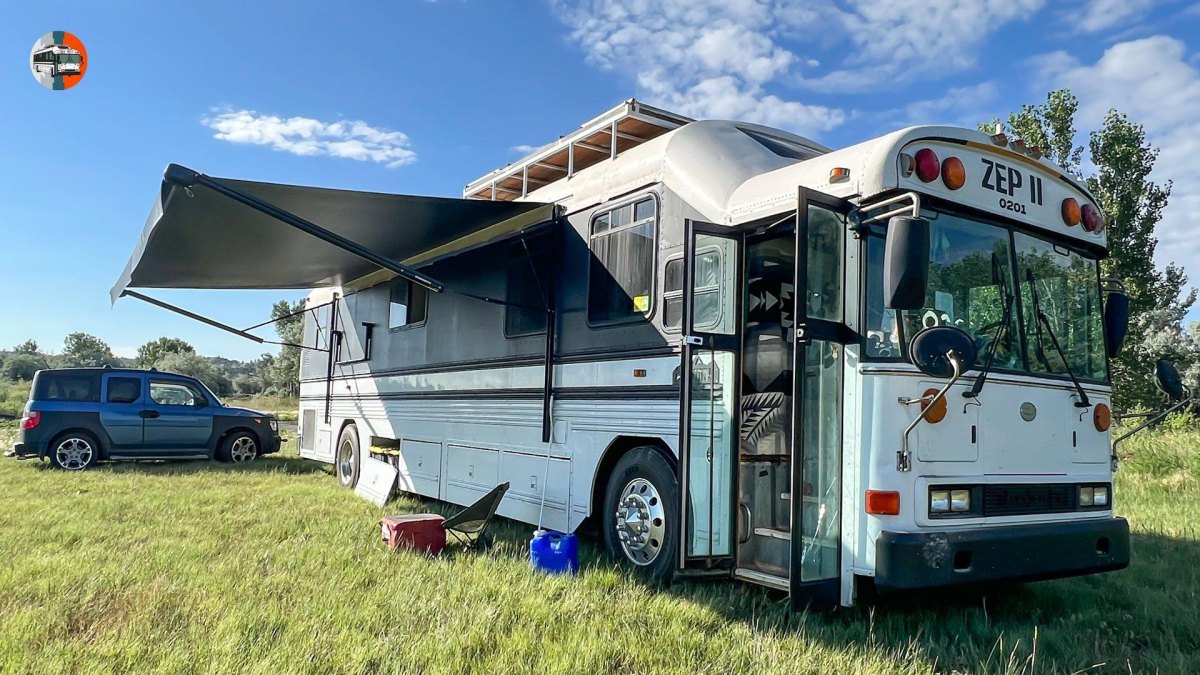
Cozy Tiny Home School Bus Conversion
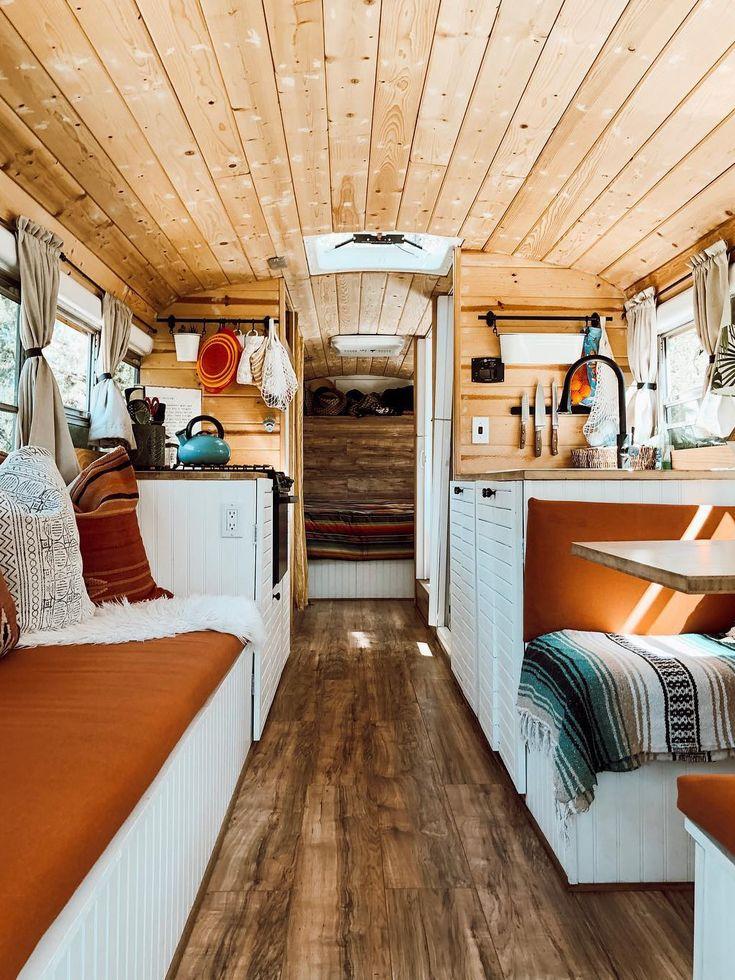
A cozy tiny home conversion is usually about making a bus feel less like a vehicle and more like a small apartment. I like designs that use warm materials, layered lighting, and built-in storage because every inch matters.
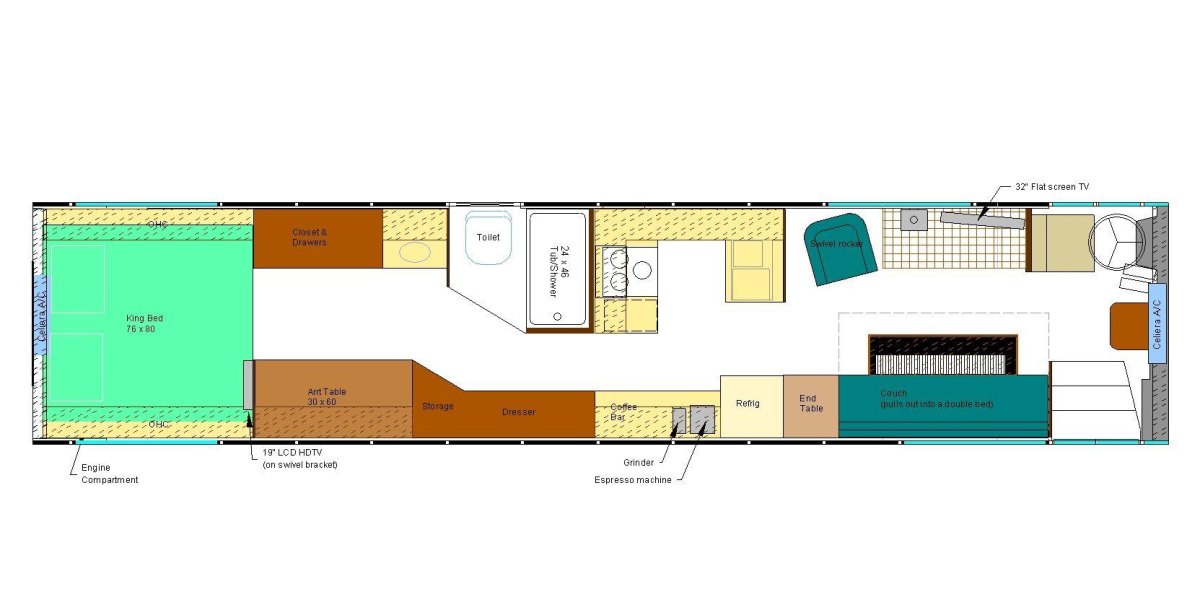
The best layouts I have seen keep the main living area open while hiding clutter behind benches, cabinets, and convertible furniture. A comfortable bus home does not need endless space; it needs well-planned zones for cooking, resting, and relaxing.
Quick summary
- Aim for flexible furniture and practical storage.
- Use lighting and textures to create a home-like atmosphere.
Design tip
Choose finishes that can handle travel because a tiny home on wheels experiences more movement than a stationary house.
Modern Off-Grid School Bus Conversion
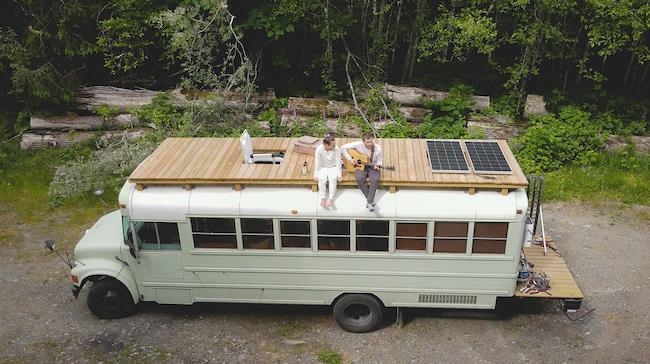
Off-grid conversions are popular because they allow people to spend more time away from traditional campsites. A modern setup often combines solar power systems, water storage, efficient appliances, and careful energy planning.
I would always start with realistic daily habits before buying equipment. A large battery bank sounds impressive, but knowing your actual power use is the more important step.
- Calculate. Estimate daily electricity needs before choosing components.
- Prioritize. Install systems that support your actual lifestyle.
- Test. Live with the setup before making major upgrades.
Important note
Electrical and water systems deserve careful installation because mistakes can become expensive quickly.
Family-Friendly School Bus Conversion Layout
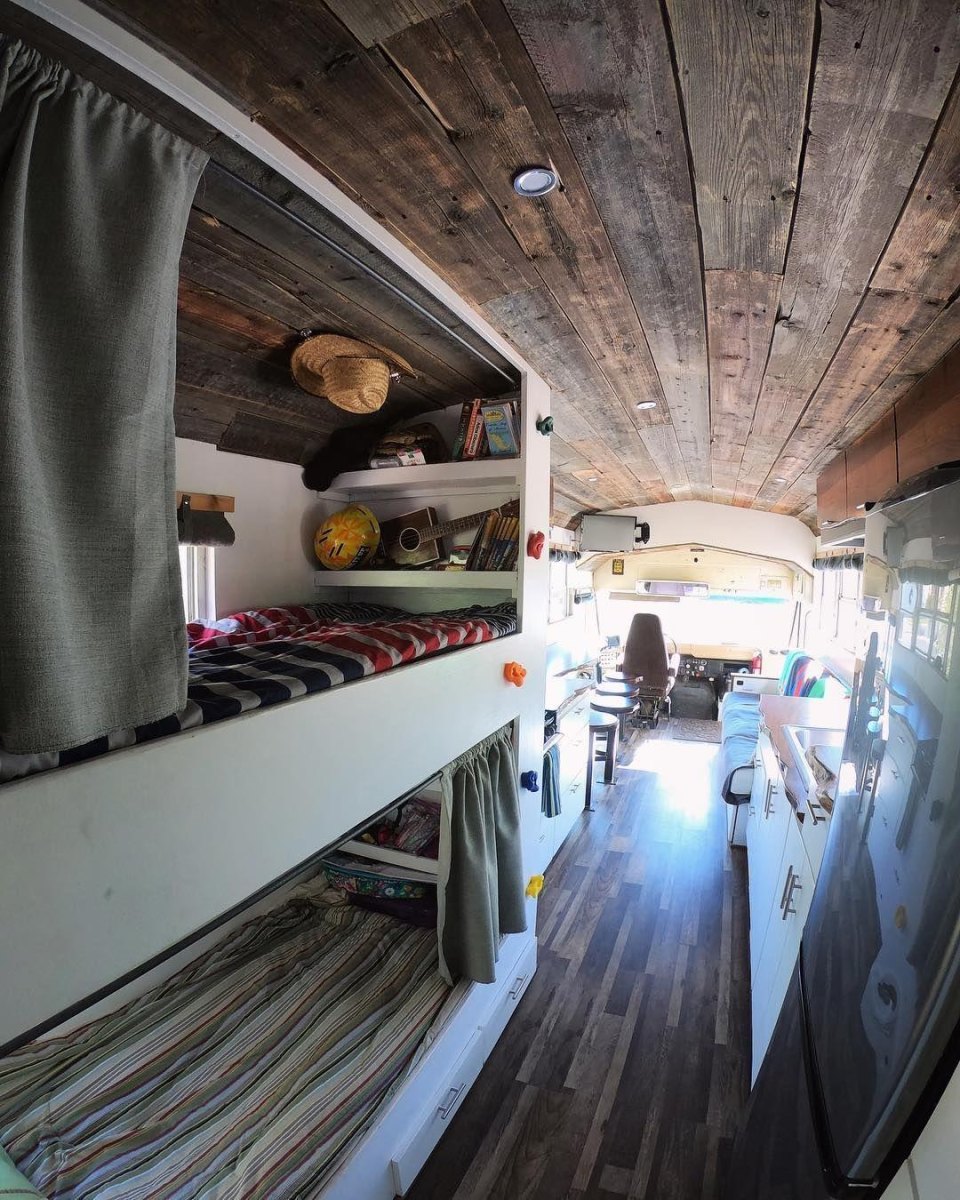
Families need a different approach because the bus has to support several people at once. The strongest layouts usually create separate sleeping areas, durable surfaces, and storage that children can actually reach.
I would avoid copying a solo traveller's design if you are converting for a family. A practical family bus needs clear routines, enough storage, and shared living space that does not feel cramped.
| Area | Useful feature |
|---|---|
| Sleeping | Bunk beds or flexible beds |
| Storage | Accessible cabinets and bins |
| Living | Multi-purpose seating |
- Plan storage before decorating.
- Choose materials that can handle daily use.
- Create areas that serve more than one purpose.
Minimalist School Bus Conversion Design
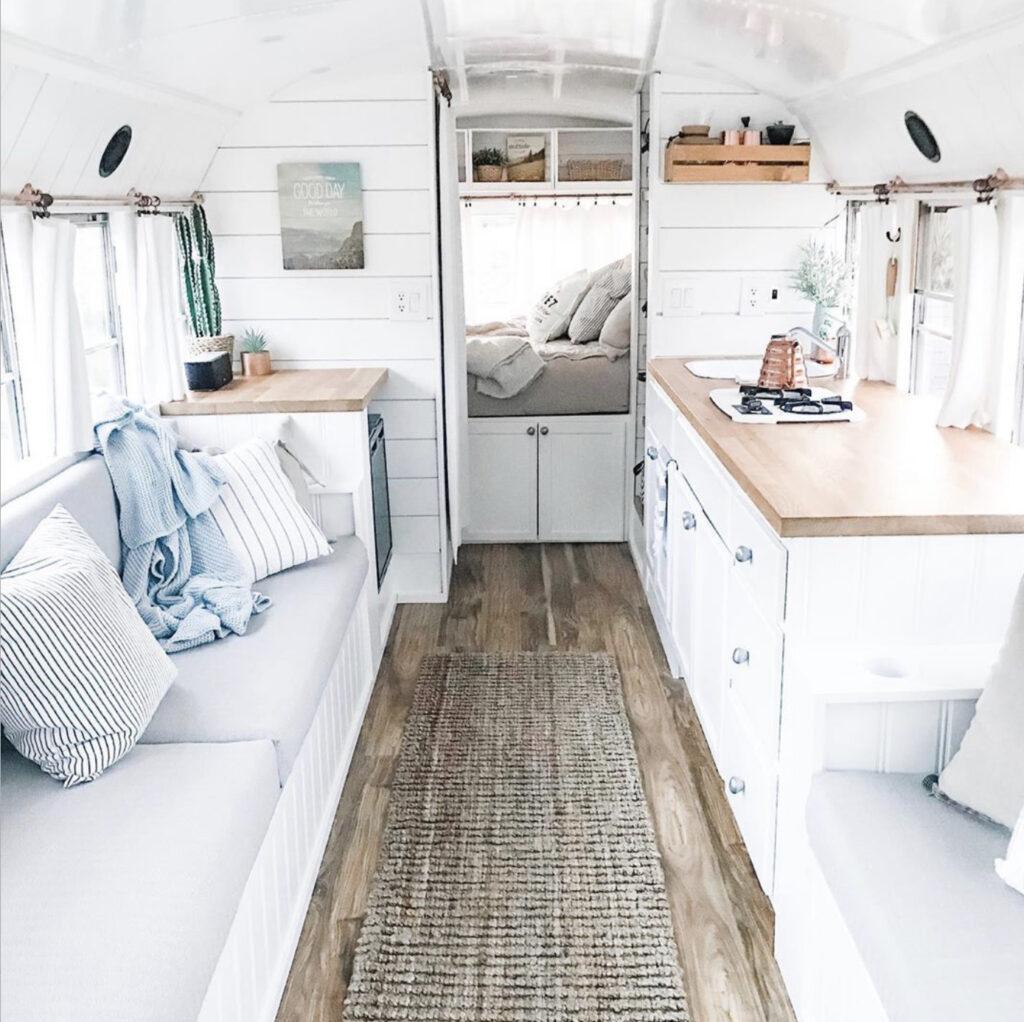
Minimalist bus conversions are not about owning less for the sake of it. They are about removing things that create work and keeping only what supports your routine. The focus is on simple functional design.
I find these builds especially appealing because maintenance becomes easier. Fewer objects, fewer systems, and fewer awkward corners mean more time enjoying the space rather than organizing it.
Pros
- Easier cleaning and organization.
- Lower weight and fewer complications.
Cons
- Less room for hobbies and extra gear.
- Requires careful purchasing decisions.
One rule
Every item should have a clear purpose in a small-space conversion.
Adventure-Ready School Bus Conversion

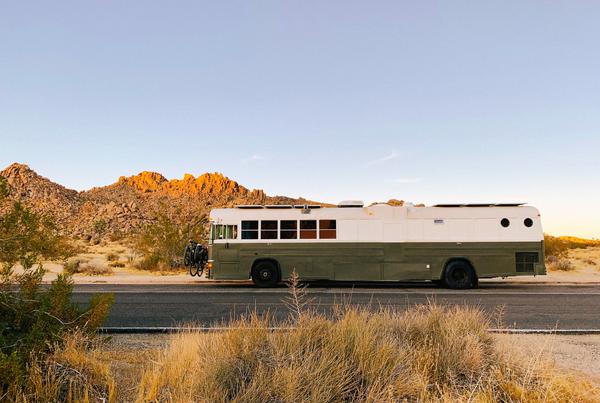
An adventure-ready conversion is built around durability rather than decoration. These buses often include rugged storage, reliable systems, and layouts designed for longer trips. The key is creating a travel-friendly setup.
I prefer builds where owners think about recovery, weather, and repairs before chasing extra features. A bus that works in ordinary conditions is usually the one you enjoy most on longer journeys.
My practical takeaway
A conversion should match the trips you actually plan to take, not an imaginary lifestyle that looks good online.
Good design is the difference between a bus that photographs well and one that feels good to live in.
Marnie Doyle