Insuring a converted bus is one of those jobs that feels simple until you start listing what is actually inside the vehicle. A former school bus with a bed, electrical system, plumbing, and personal belongings is not the same risk as a standard car. I have spent enough time planning complicated trips to know that the boring paperwork usually matters most when something goes wrong.
I put together this guide to explain converted bus insurance options, the details insurers look for, and the practical checks I would make before taking a bus conversion on the road.
Understanding Bus Conversion Insurance Coverage
Coverage basics
- Liability coverage protects against damage or injuries you cause while driving.
- Comprehensive coverage may protect against theft, weather, fire, and other non-collision losses.
- Personal property coverage can help cover belongings kept inside the bus.
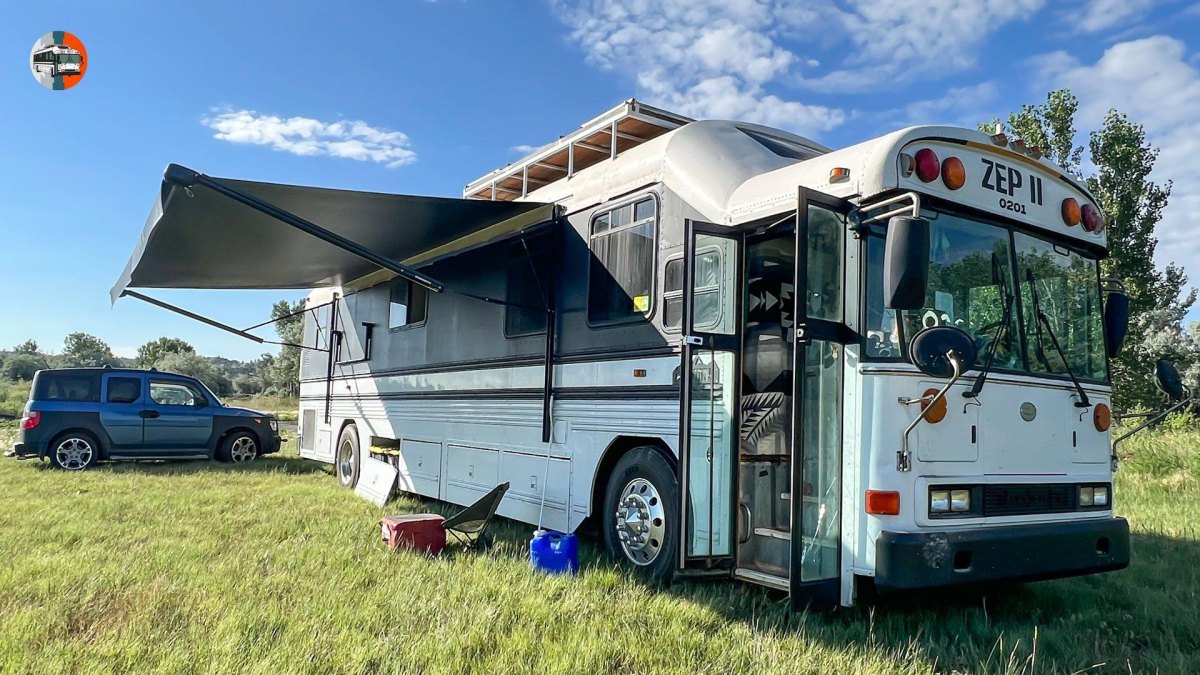
When I look at a converted bus policy, I start with the difference between a vehicle and a small home on wheels. Many insurers treat these builds as specialized RV risks because the conversion work changes the value and intended use.
The right policy can depend on whether the bus is used occasionally, as a full-time residence, or mainly for travel. I would always confirm definitions directly with the insurer because policy wording varies.
Choosing the Right Policy for a Converted Bus
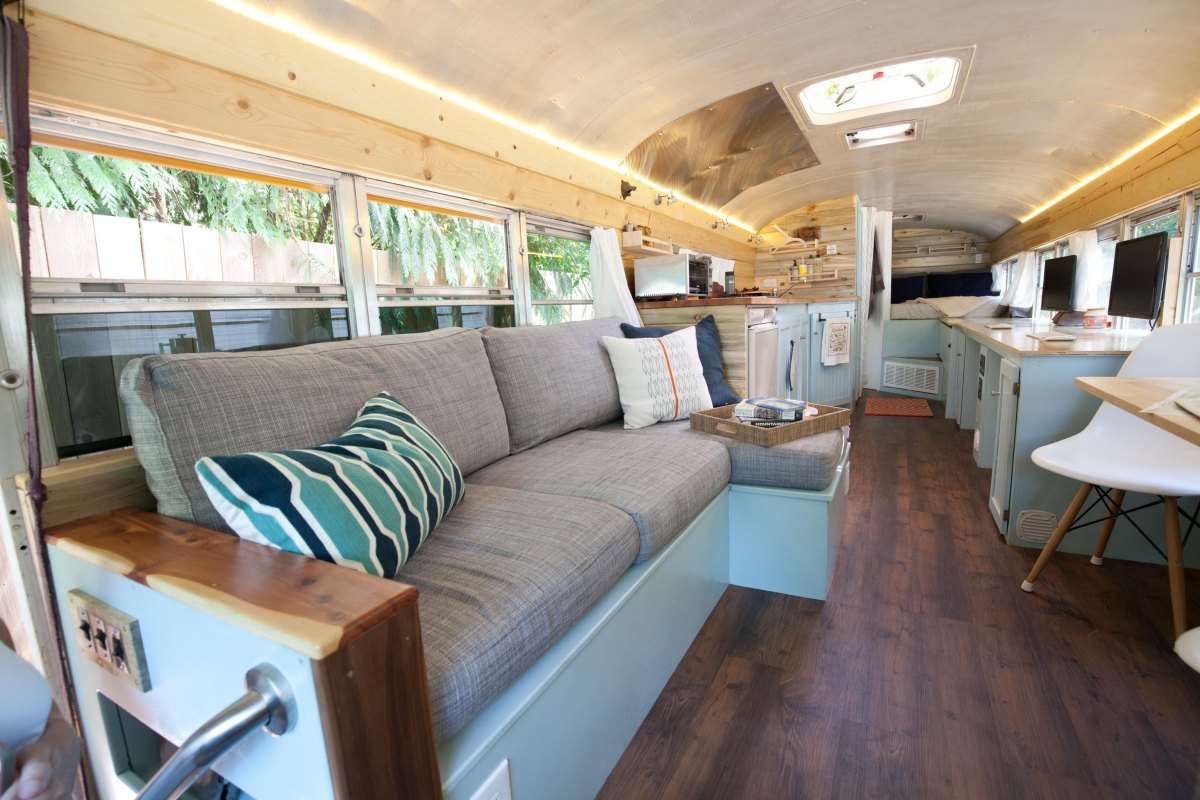
I find that choosing a policy is less about finding the cheapest number and more about matching the coverage to how the bus is actually used. A weekend camper and a full-time tiny home have different needs.
My preference is to compare policies by coverage details first and price second. A low premium is not much help if a major part of the conversion is excluded.
Factors That Affect Bus Conversion Insurance Costs
| Factor | Why it matters |
|---|---|
| Conversion value | More expensive builds may require higher coverage. |
| Driving history | Past claims and experience can affect premiums. |
| Usage | Full-time living may have different requirements. |
The biggest cost differences I see come from the value of the build and the way the bus is used. Solar systems, appliances, custom interiors, and upgraded equipment can all increase the amount that needs protection.
Insurance prices change frequently, so I treat any online estimate as a starting point rather than a promise. The final insurance cost comes from the insurer's assessment of the individual vehicle.
Insuring DIY Bus Conversions and Custom Builds
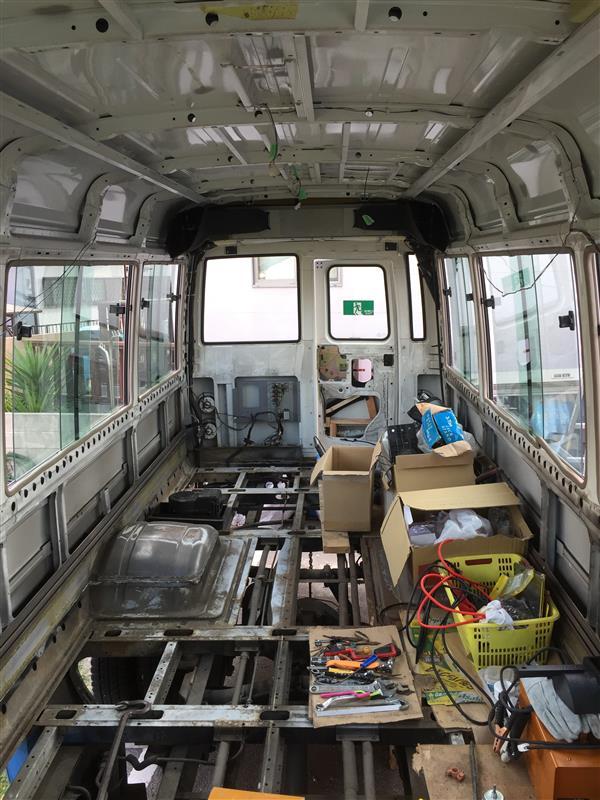
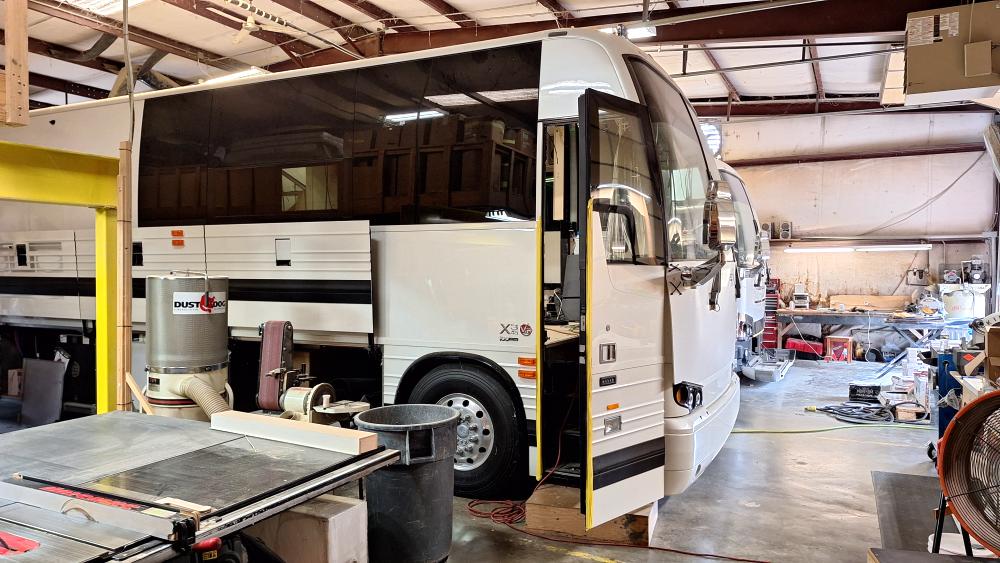
I have always liked practical projects, but a DIY bus conversion creates an extra paperwork trail. Insurers often want to understand what was installed, who completed the work, and how the finished vehicle is valued.
A tidy record can make conversations with an insurer much easier. The conversion documentation is often just as important as the final photos.
Required Documentation for Bus Conversion Insurance
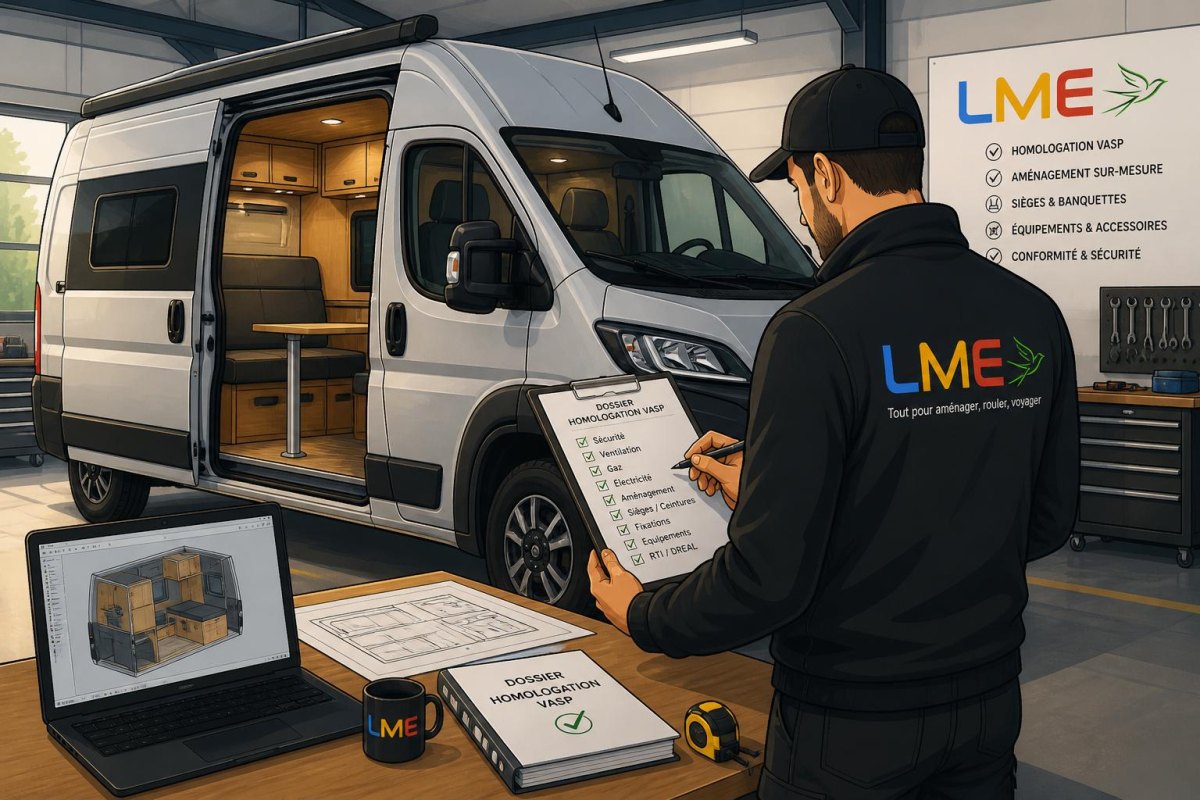
The exact paperwork depends on location and insurer, but I would expect questions about the base vehicle, conversion quality, and estimated value. It is much easier to answer those questions before a claim happens.
I keep important travel documents organised because small details become large headaches later. Good records support a smoother insurance process.
Protecting Your Converted Bus While Traveling
Travel tip
Before a long journey, check your policy details, roadside assistance options, and any limits on where or how the bus can be used.
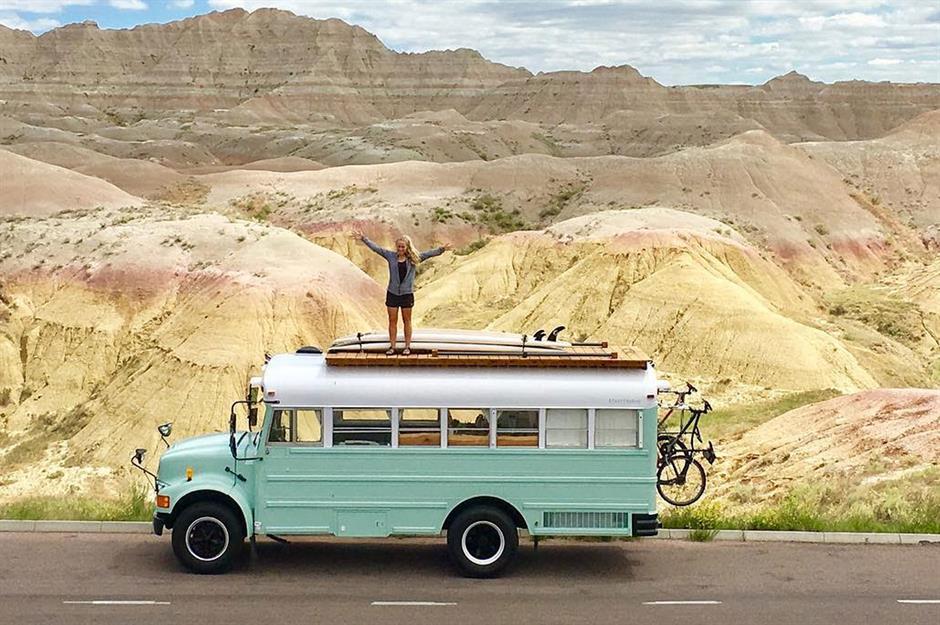
A converted bus carries more than an engine and four tyres. It carries tools, equipment, memories, and often months of work. I like to think about protection before departure rather than after a problem appears.
Helpful habits
- Keep digital copies of documents.
- Photograph the vehicle regularly.
Common mistakes
- Assuming a standard auto policy covers everything.
- Ignoring conversion value changes.
My practical takeaway is simple: review the policy every time the bus changes. A new appliance, solar upgrade, or interior rebuild can change the value of your conversion and the protection it needs.