Long bus journeys can be surprisingly enjoyable when you prepare properly. I have taken enough coach trips to know that a little planning before departure makes a bigger difference than expensive gear or complicated travel hacks. These are the five things I focus on whenever I book a bus trip, from choosing stops to keeping myself comfortable for the hours ahead.
Plan Your Route and Stops Carefully
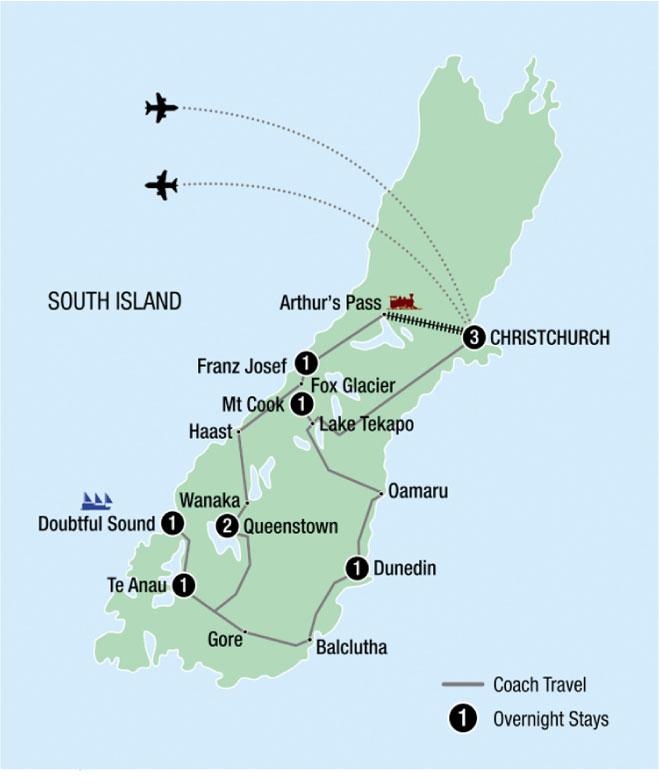
A good bus trip starts before I step onto the vehicle. I always check the full route, planned stops, and connection times instead of assuming everything will run perfectly. My old transit-planning habits are hard to switch off, but they save me from unnecessary stress.
My route planning checklist
- Check departure and arrival points carefully.
- Leave extra time between connecting buses.
- Confirm where the actual stop is located.
- Download tickets and schedules before leaving.
For longer journeys, I prefer a realistic schedule over the fastest possible option. A 20-minute connection might look fine on paper, but a late departure, a crowded station, or a walk between platforms can quickly change things.
A small planning habit
I save the operator's official app or website before travelling because schedules and fares can change. I check current details shortly before departure rather than relying on an old screenshot.
I also look at the stops themselves. A ten-minute stop in the middle of nowhere is very different from a twenty-minute break at a station with toilets and food options.
Pack Smart for a Comfortable Journey
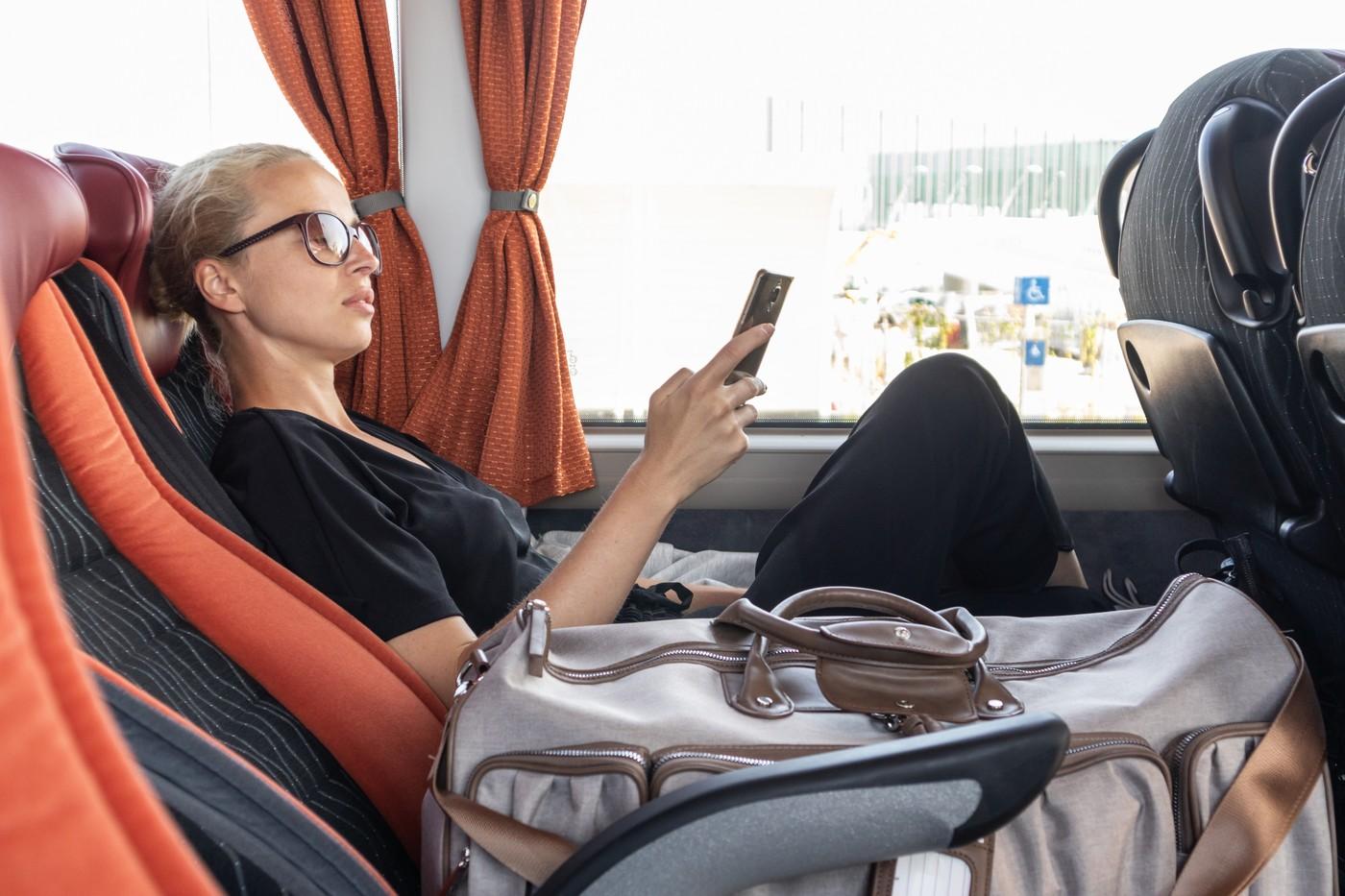
I have learned that the best bus luggage is not the biggest bag I can carry. It is the bag that lets me find what I need without emptying everything into the aisle. A small personal bag under my seat makes the journey much easier.
- Water bottle: Keeps me comfortable when services are limited.
- Light layer: Bus temperatures can change during a long ride.
- Small snacks: Useful when stops do not match meal times.
- Travel pouch: Keeps chargers, documents, and small items together.
A common packing mistake
I often see travellers put everything in the luggage hold and then discover they need headphones, medication, or a charger halfway through the trip. Keep important items within reach.
I pack according to the actual journey length. For a few hours, I need very little. For an overnight bus, I add a few comfort items because sleep on a coach is possible, but it rarely happens by accident.
Choose the Right Seat for the Trip
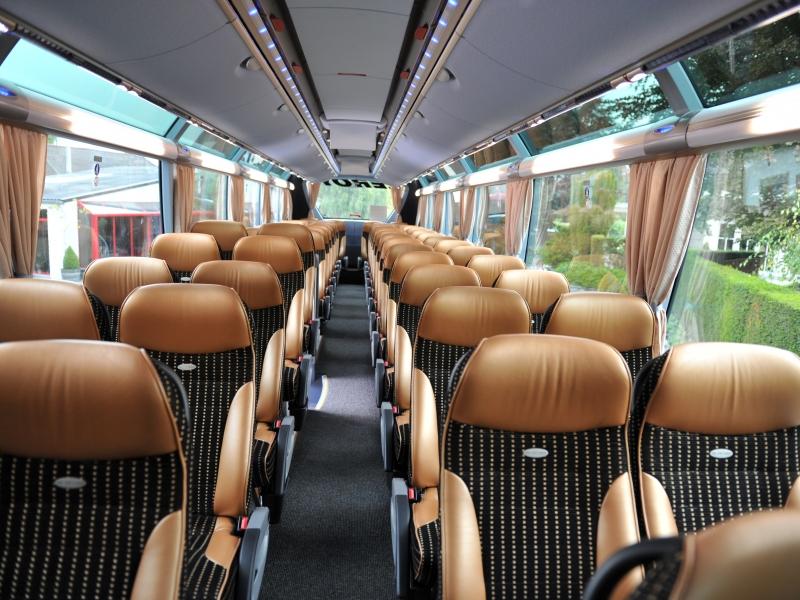
The best bus seat depends on what kind of traveller I am that day. When I want views, I choose the window. When I expect frequent stops or need easy movement, an aisle seat is usually more practical.
| Seat choice | Best for |
|---|---|
| Window seat | Scenery, resting, and fewer interruptions |
| Aisle seat | Stretching legs and easier access |
On routes with beautiful landscapes, I will happily give up some convenience for a window view. On a night journey, I usually care more about having space and fewer disturbances.
The right seat will not make a bad journey perfect, but the wrong seat can make a good journey unnecessarily tiring.
Marnie Doyle
Window seat advantages
- Better views
- A place to lean
- Less passing traffic
Window seat drawbacks
- Harder to leave your seat
- Less convenient on busy routes
Bring Entertainment and Travel Essentials
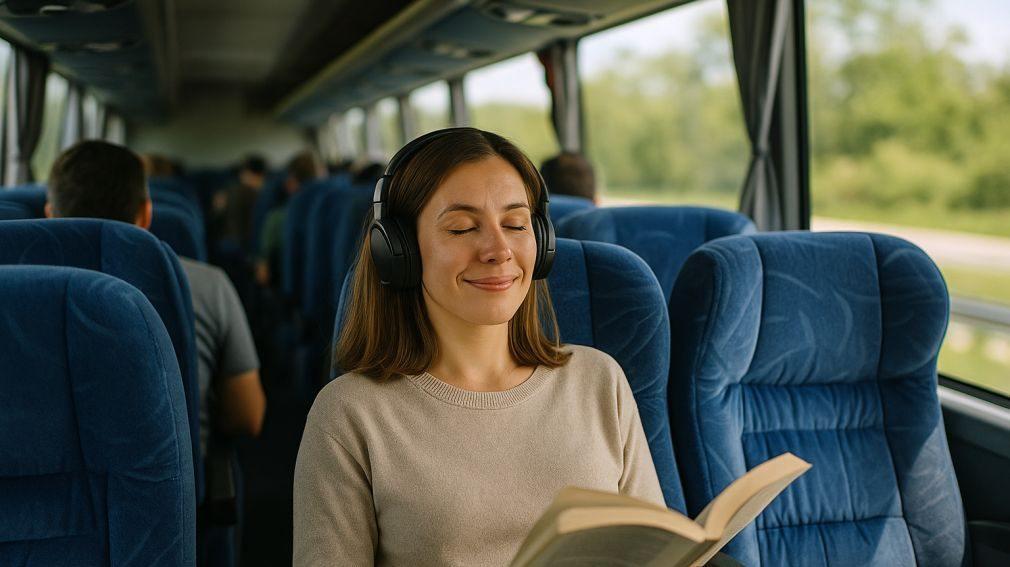
A long bus ride needs a little preparation for the quiet hours. I do not try to fill every minute, but I like having options. Sometimes I read. Sometimes I watch downloaded films. Sometimes I simply look out the window.
- Download. Save music, podcasts, maps, or books before leaving reliable internet.
- Charge. Start with a full battery and carry a suitable charger or power bank.
- Organise. Keep headphones and small electronics where you can reach them quickly.
The small items I always notice
After years of travel, I pay attention to simple things: comfortable headphones, a pen for unexpected forms or notes, and a reusable bag for keeping rubbish tidy. None of these are glamorous, but they make ordinary travel easier.
Respect other passengers
I keep volume low and avoid turning shared spaces into my personal cinema. A bus is a shared journey, not a private lounge.
Enjoy the Scenery Along the Way
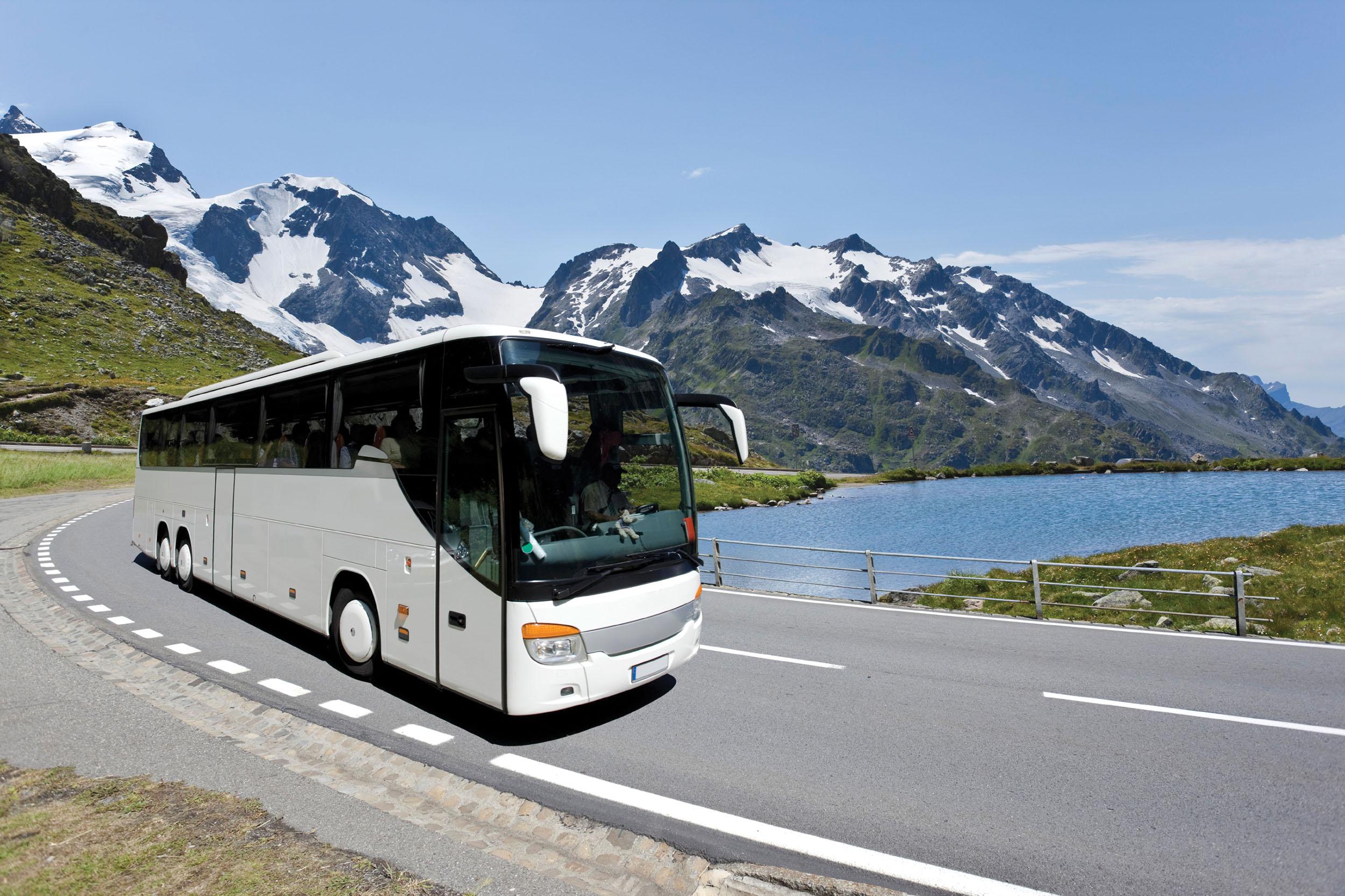
The biggest advantage of a bus trip is that the journey itself becomes part of the experience. I have crossed regions by coach where I would have missed small towns, changing landscapes, and everyday views from a faster form of transport.
40+
countries I have explored through different kinds of travel
I try not to treat the places outside the window as background decoration. Local roads pass through communities where people live and work, so I travel as a guest and avoid photographing strangers without permission.
- Keep your camera ready for landscapes, not people without consent.
- Look up from your screen regularly.
- Take note of places you may want to visit properly later.
- Accept that some travel days are simply about getting there.
A bus journey does not need to be rushed. Sometimes the best part is watching the landscape change slowly and arriving with a better sense of the distance you have travelled.