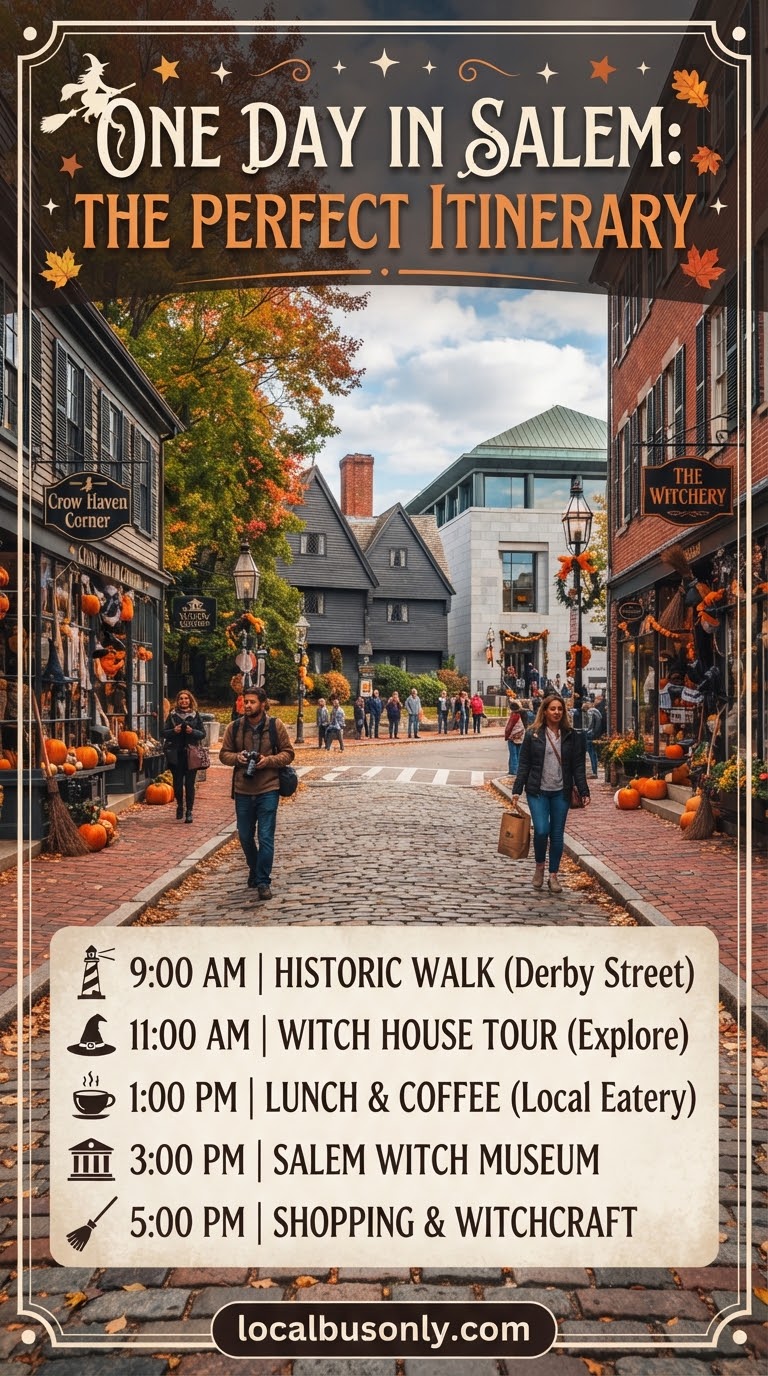
A day trip to Salem, Massachusetts works best when I treat it as a compact historic city rather than a checklist of spooky attractions. I have visited with a simple plan: start with the 1692 history, add a museum or historic house, leave room for good food, and finish by the water. Salem packs a surprising amount into a walkable area, so a little planning makes the difference between rushing and actually enjoying the day.
Arriving in Salem: The Perfect Day Trip Starting Point
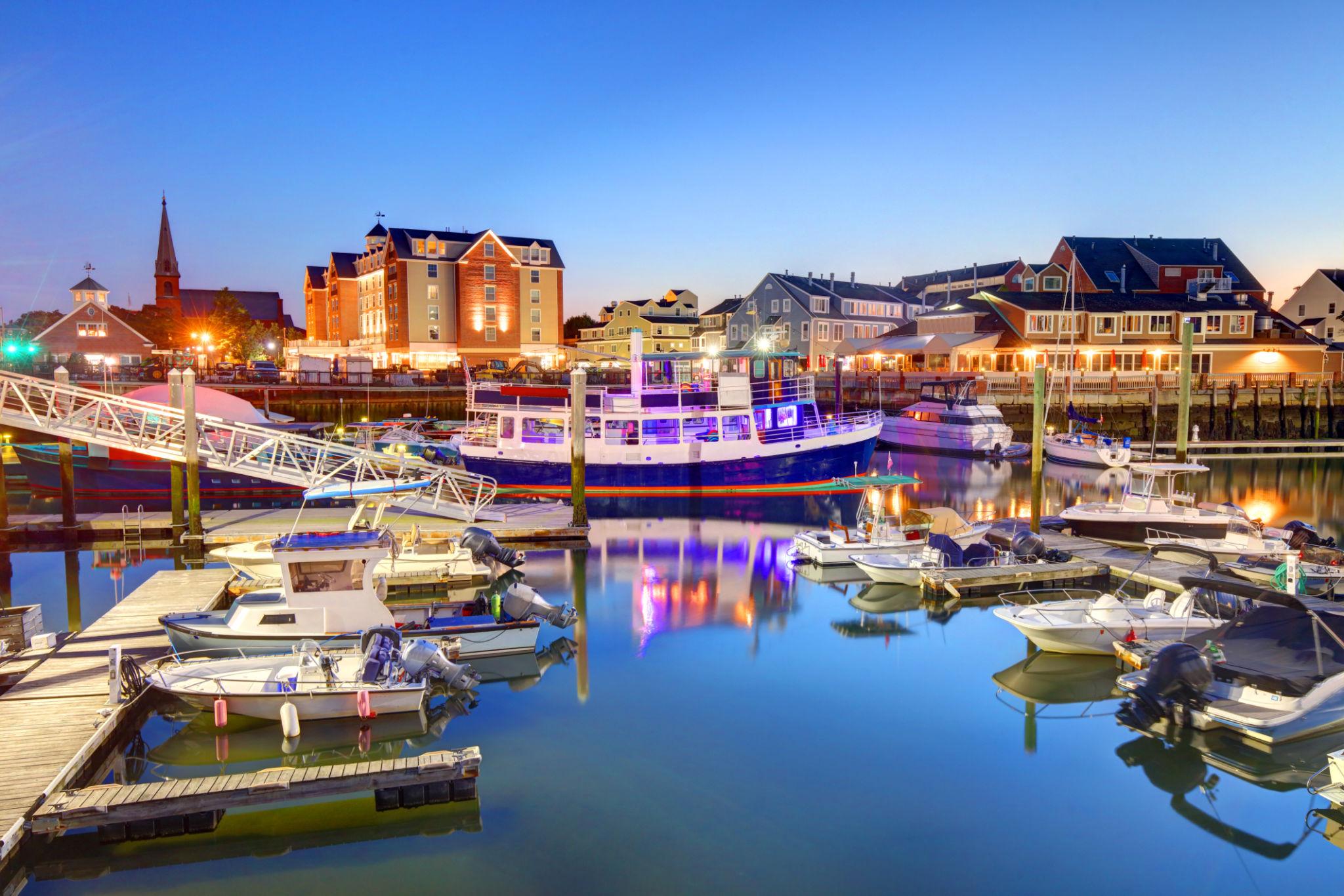
I like arriving in Salem early because the city changes dramatically when the streets fill with visitors later in the day. My ideal day starts around 9:30 or 10:00 a.m., giving me time to explore before the busiest afternoon crowds.
Salem is compact enough that I can cover the main attractions on foot. I usually begin near downtown and build a route that moves naturally toward the waterfront. If I am coming from Boston, I check current commuter rail or ferry schedules before leaving because seasonal service changes are common.
For a first visit, I would not try to visit every museum. Salem rewards a slower pace, and I would rather spend quality time at three or four places than collect rushed photos at ten. I keep my day flexible because historic homes, museums, and special exhibitions can have changing hours.
Walk the Salem Witch Trials Historic Sites
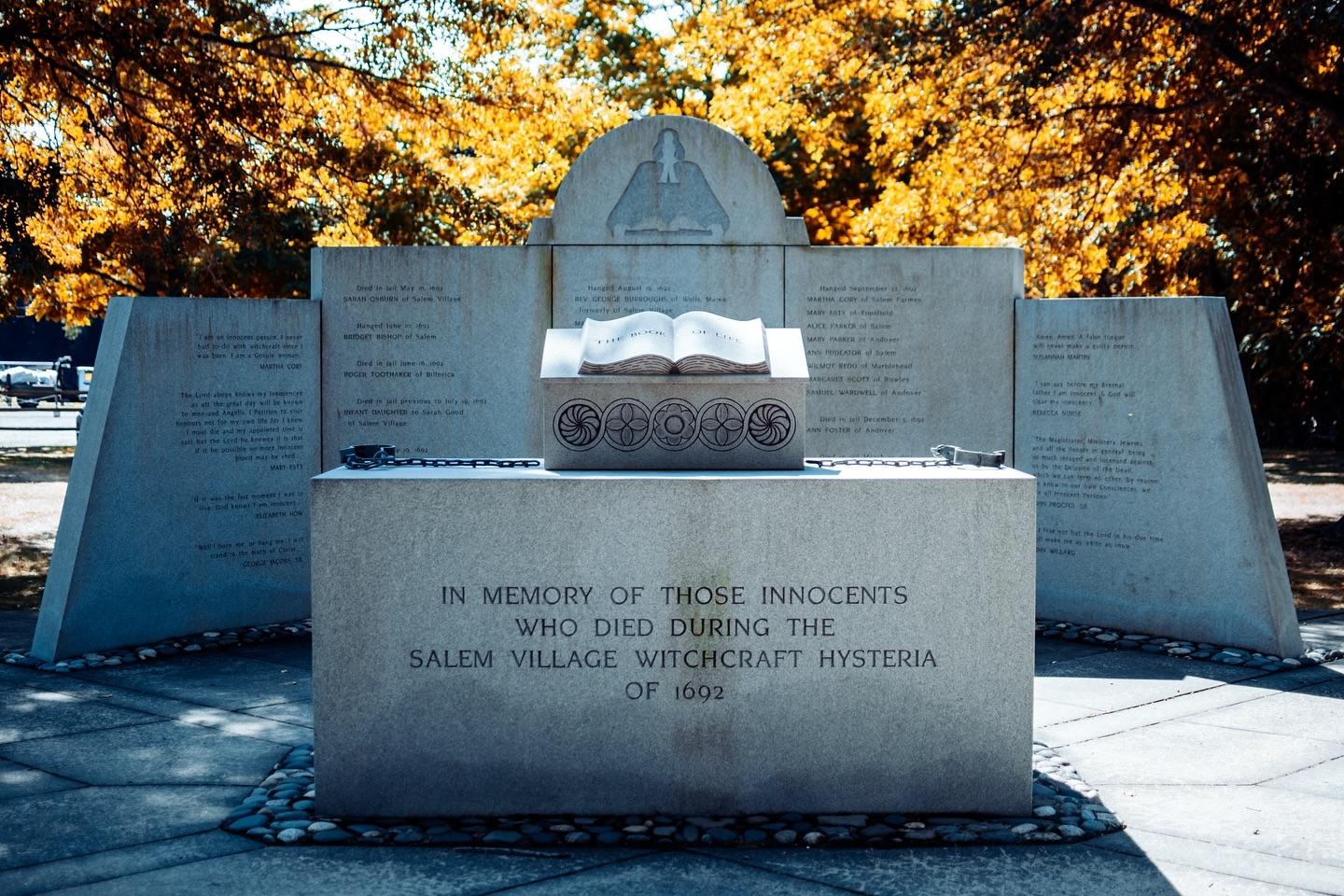
The Salem Witch Trials history is the reason many people visit, but I think the most meaningful stops are the quiet ones. I always start with the Salem Witch Trials Memorial, where the simple stone benches and unfinished quotations create a space for reflection rather than entertainment. The memorial honors the victims of the 1692 trials and is open to visitors during daylight hours.
I also recommend walking to the Old Burying Point Cemetery and the Witch House. The Witch House is the former home of Judge Jonathan Corwin and is one of Salem’s few remaining buildings directly connected to the trials.
My practical tip: take the history seriously. Salem has plenty of playful witch-themed businesses, but these sites represent real people and real events. I spend time reading the names and stories instead of treating the area as just a Halloween backdrop.
Explore the Peabody Essex Museum’s Art and History Collections

The Peabody Essex Museum is the stop I recommend when someone tells me they only have one museum visit available. It gives Salem a much wider historical context, covering art, culture, maritime connections, and global collections rather than focusing only on witch trials.
I usually allow at least two hours here. The museum is large enough that trying to see everything in a short visit is tiring, so I pick the galleries that interest me most. Current visitor information lists regular hours from Thursday through Monday, 10 a.m. to 5 p.m., though I always check before travelling.
This is also a good rainy-day choice. A Salem day trip does not fall apart because of bad weather, and PEM gives me a comfortable place to slow down without feeling like I am just hiding from the rain.
Visit the House of the Seven Gables
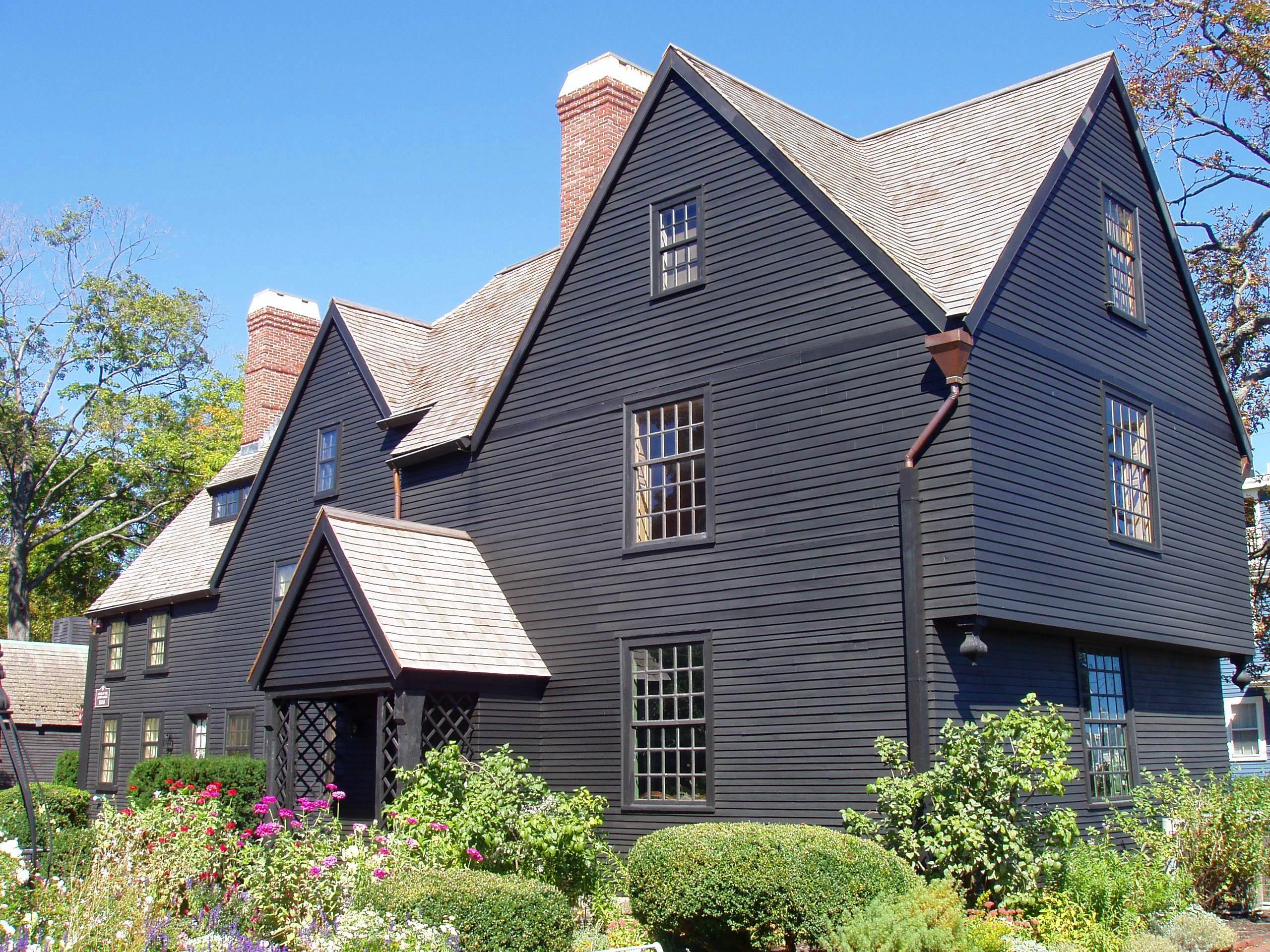
The House of the Seven Gables is one of Salem’s most recognizable historic homes, and I think it earns its place on a first-time itinerary. Built in 1668 for merchant John Turner, the house later became famous because Nathaniel Hawthorne used it as inspiration for his 1851 novel.
I enjoy this stop because it combines architecture, literature, and waterfront views. The guided tours add stories that I would miss if I only walked around the exterior. The gardens are also a nice break after several indoor attractions.
If my schedule is tight, I would choose between the House of the Seven Gables and another major paid attraction rather than squeezing both into a rushed hour. I prefer seeing fewer places properly.
Discover Salem’s Maritime History at the Harbor
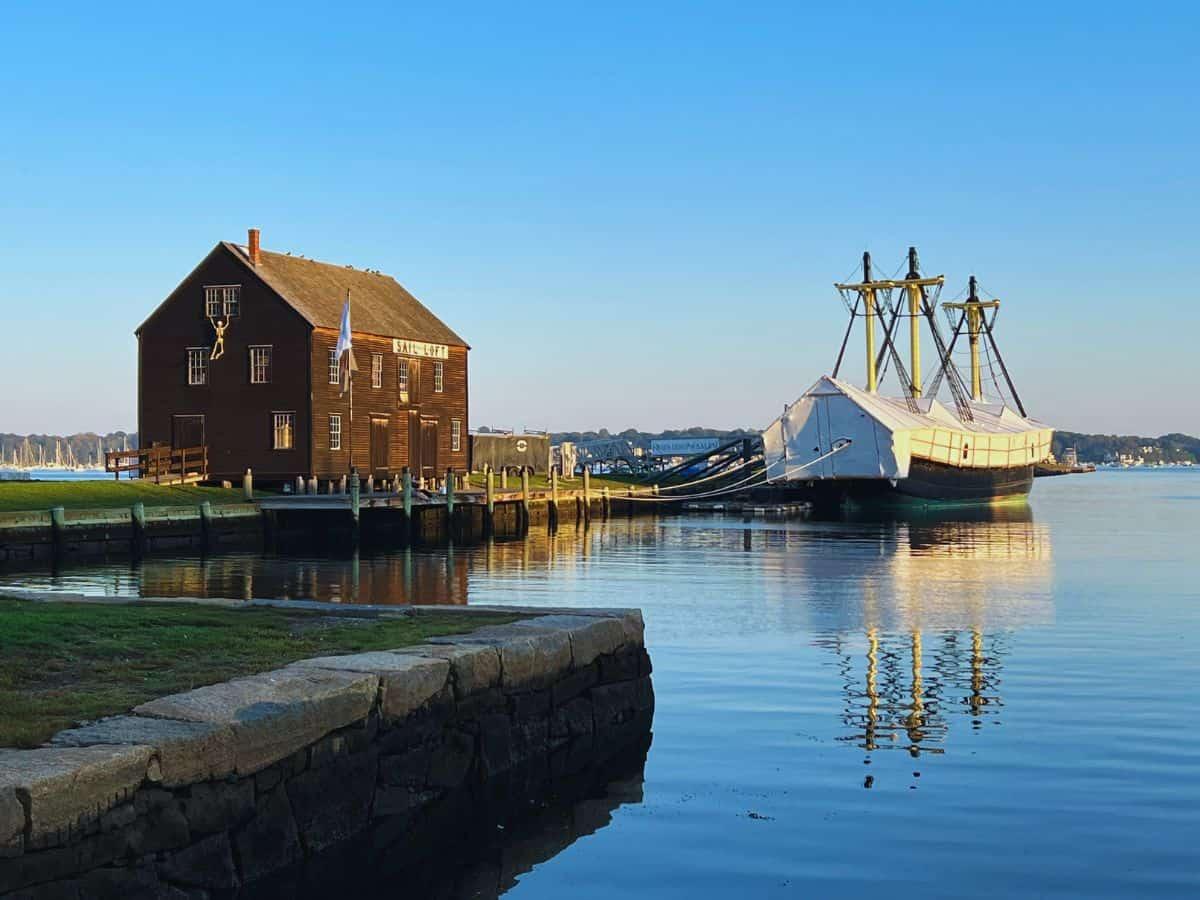
Salem’s history is not only about the witch trials. The harbor shaped the city’s wealth and identity, and I always make time for the waterfront because it shows a different side of Salem.
Salem Maritime National Historical Park is one of my favorite places for a slower walk. The park preserves historic structures, wharves, and stories connected to New England’s maritime history. The grounds and trails are open, while buildings and programs follow seasonal schedules.
I usually walk toward Derby Wharf, look back at the city from the water, and take a few quiet minutes away from the busiest streets. It is the kind of stop that costs nothing but adds a lot to the day.
Stroll Through Salem’s Historic Downtown and Essex Street
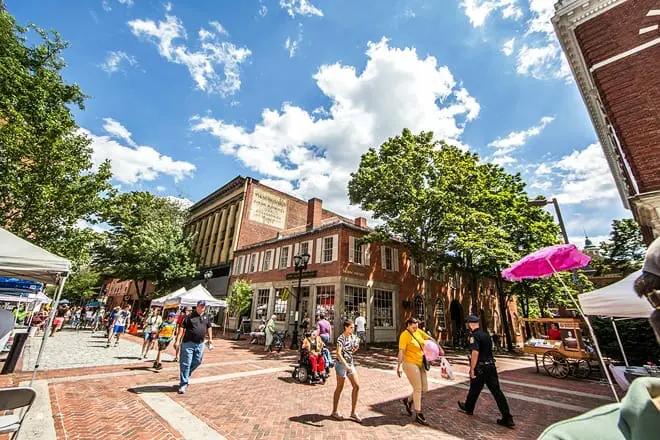
Essex Street is where I let myself wander without a strict plan. The pedestrian areas, historic buildings, shops, and small details are what make Salem feel like a real city rather than just a collection of attractions.
I like following Salem’s historic routes on foot because many major sights are close together. The city’s Heritage Trail connects cultural sites, historic buildings, and downtown businesses, which makes it easy to create my own walking route.
I usually avoid packing this section too tightly into my itinerary. A coffee stop, a look inside an old building, or a few minutes sitting in a public space often becomes one of my favorite parts of the visit.
Step Inside Salem’s Famous Witch Museums and Attractions
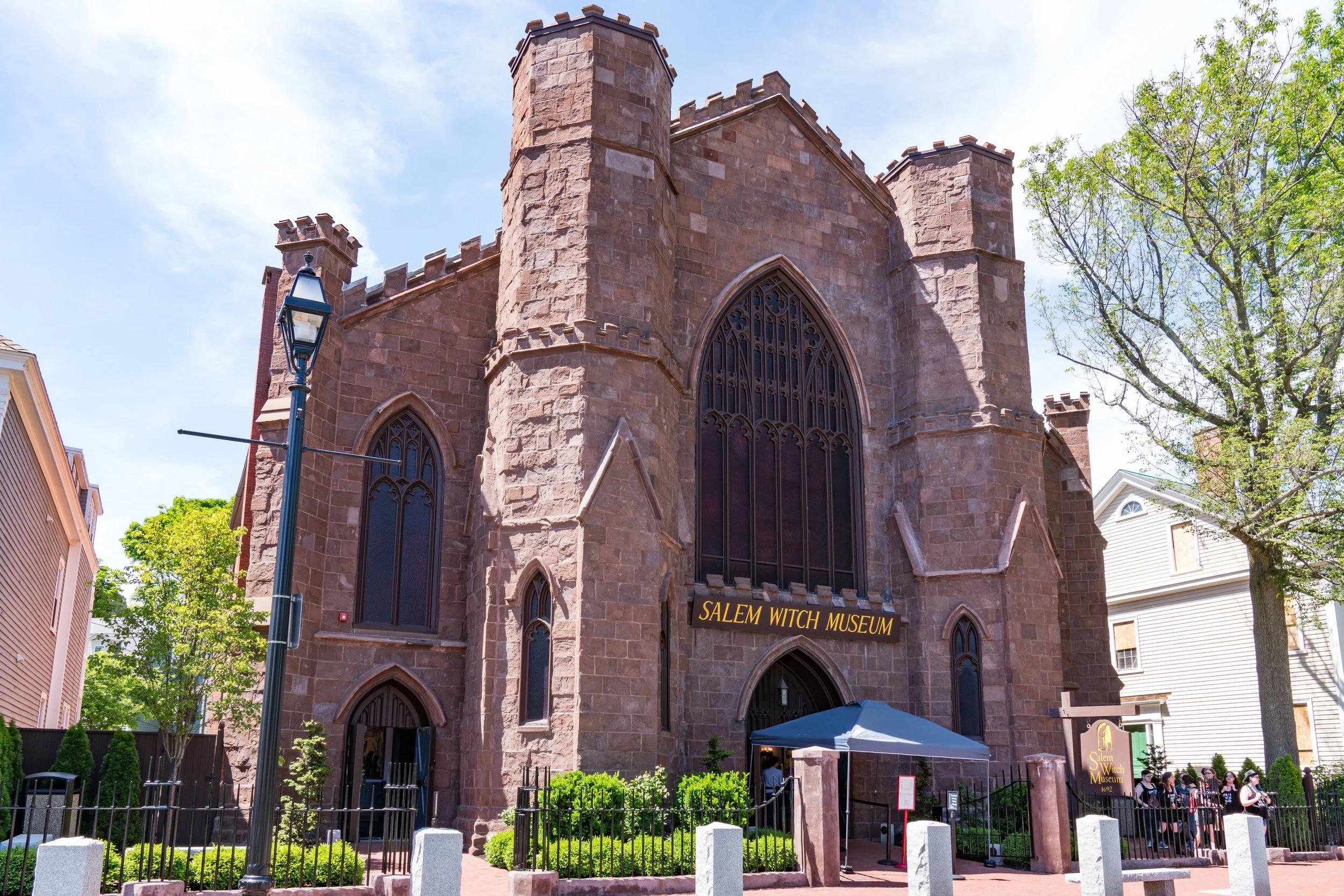
Salem has plenty of witch-themed attractions, and I approach them with a bit of selectiveness. Some visitors love the theatrical side of Salem, while others prefer historical interpretation. I usually choose one attraction and balance it with the more serious historical sites.
The Salem Witch Museum is a popular choice for visitors who want an introduction to the trials through a dramatic presentation. Other attractions focus on different parts of Salem’s witchcraft history and folklore. I check current descriptions before paying because the experience varies widely from one place to another.
My advice is simple: do not spend your entire day indoors at witch museums. The strongest Salem itinerary mixes history, architecture, food, and the waterfront.
Enjoy Lunch at Salem’s Local Restaurants and Cafés
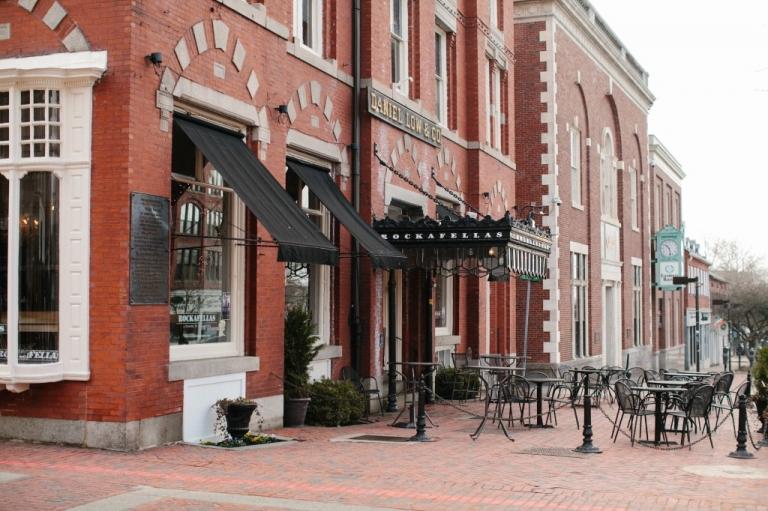
I plan lunch rather than leaving it to chance because Salem gets busy, especially during weekends and October. The good news is that the downtown area has plenty of options, from casual cafés to sit-down restaurants.
I look for places where I can take a proper break rather than grabbing food while walking. A relaxed meal helps reset the pace of the day, especially after visiting museums and historic sites.
My practical suggestion is to eat a little earlier or later than the traditional lunch rush. It usually means less waiting and more time exploring afterward.
Browse Unique Shops, Boutiques, and Local Art Galleries
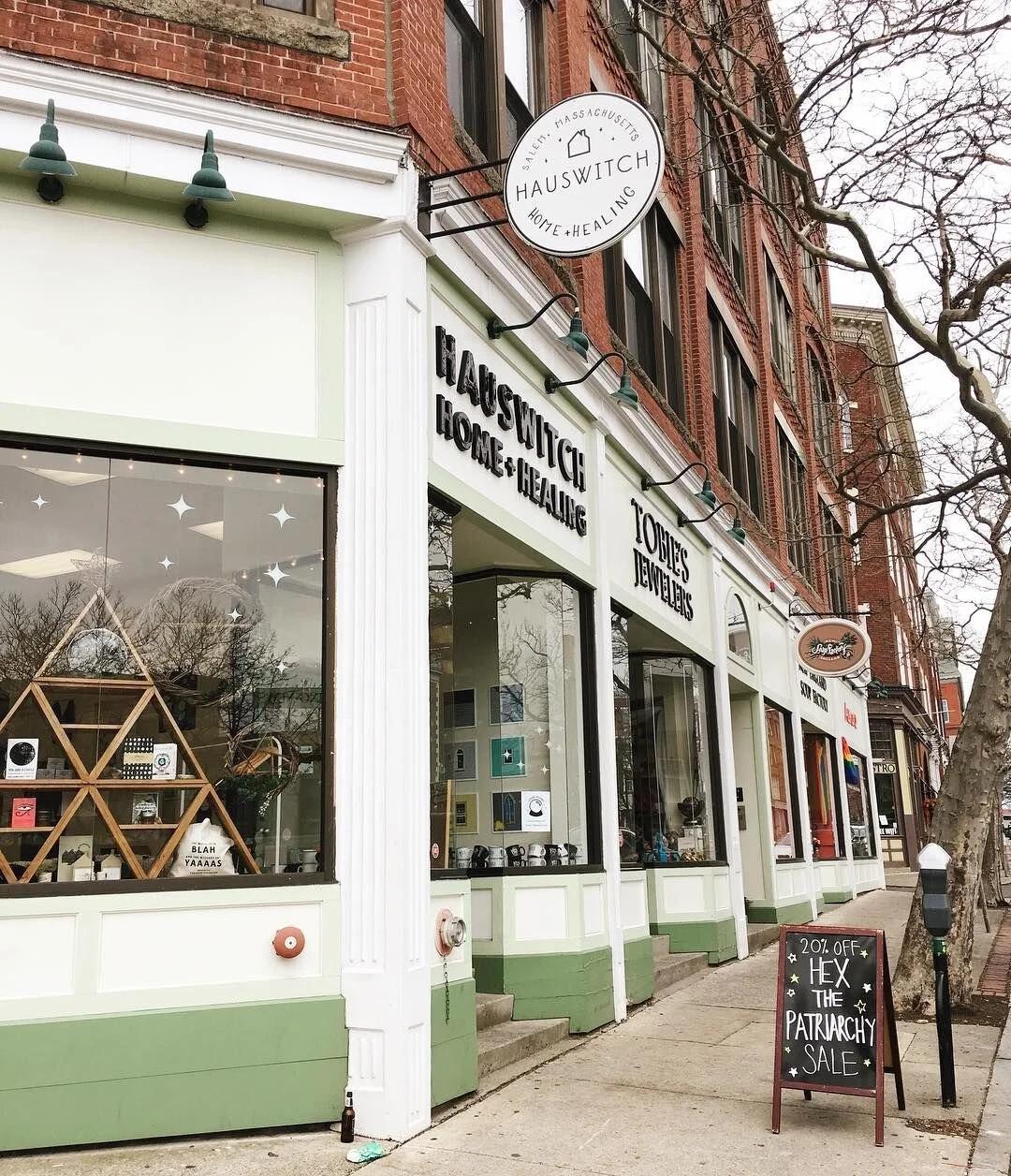
Shopping in Salem is more interesting when I move beyond the obvious souvenirs. I enjoy browsing independent shops, bookstores, and local galleries because they show the creative side of the city.
I look for items that feel connected to Salem rather than generic travel merchandise. Local artwork, handmade goods, and history-related books make much better reminders of a day trip.
I also keep my purchases realistic. A small item I genuinely like beats carrying around something I bought only because I felt I should leave with a souvenir.
End the Day With a Sunset Walk Along Salem Harbor
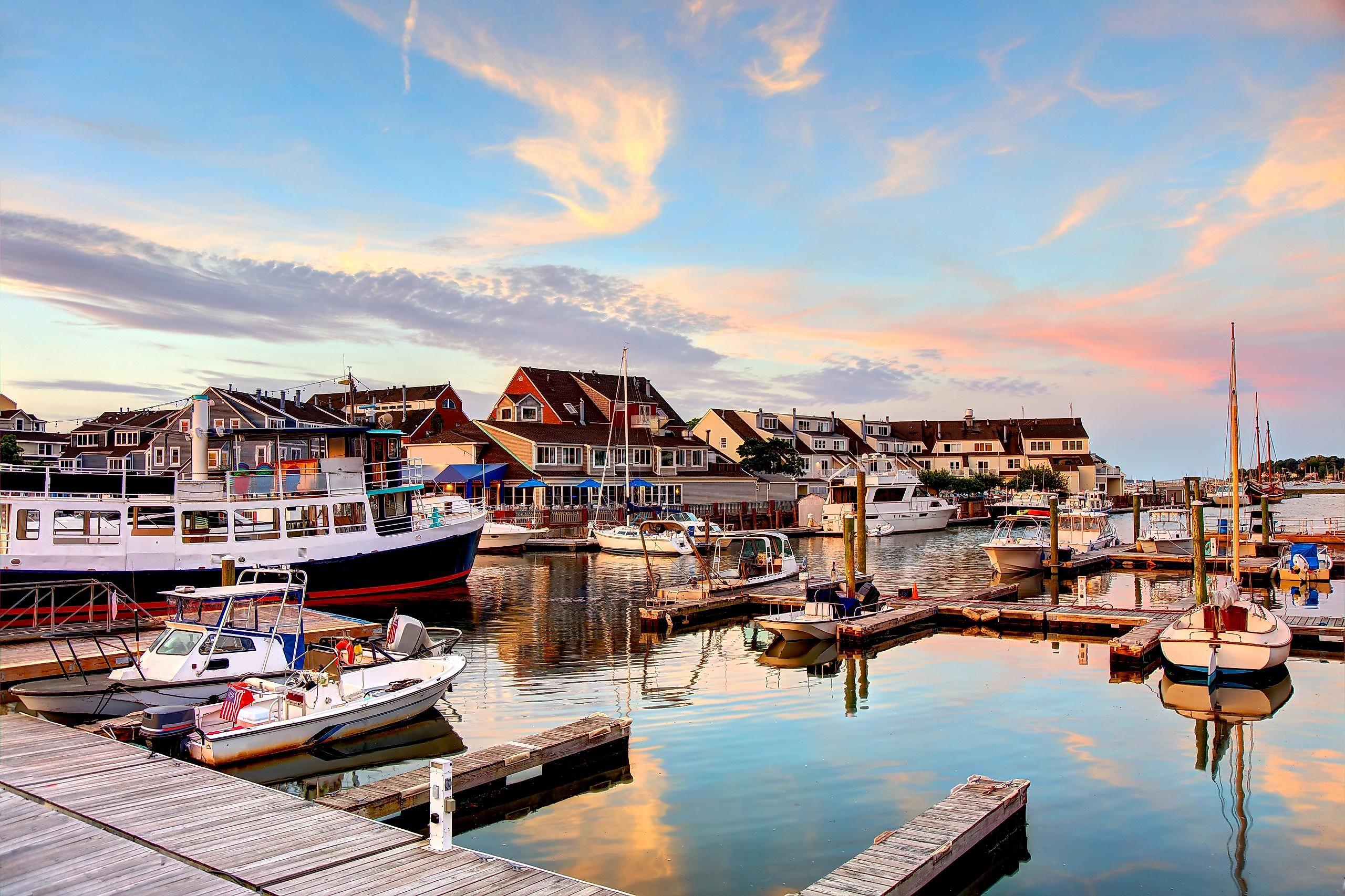
I like ending a Salem day trip at the harbor because it changes the mood completely. After busy streets and museums, the waterfront gives me space to slow down and look back at what I have seen.
A walk near Derby Wharf or the surrounding waterfront areas is a simple way to finish the day. I do not need another attraction ticket or a packed schedule; I just need a comfortable place to walk and enjoy the view.
My final Salem tip is to leave some breathing room. The city’s best moments are often the unplanned ones: a historic doorway, a quiet corner, or a few minutes watching the harbor before heading home.