When I look at a good bus booking app, I am not looking for another timetable stuffed into a phone. I want something that removes the small frustrations: finding the right route, knowing when the bus will arrive, paying without fuss, and making changes when plans shift. After years of studying how travellers move around, I see the best app ideas as solutions to very ordinary problems.
These seven concepts cover the features I would explore first if I were planning a new bus booking platform. Each idea connects technology with the things passengers actually need on a journey.
What makes a strong bus booking app idea
- Useful route and schedule information that passengers can trust.
- Simple booking and payment flows with fewer barriers.
- Smart features that help before, during, and after a trip.
AI-Powered Bus Route Optimization Apps
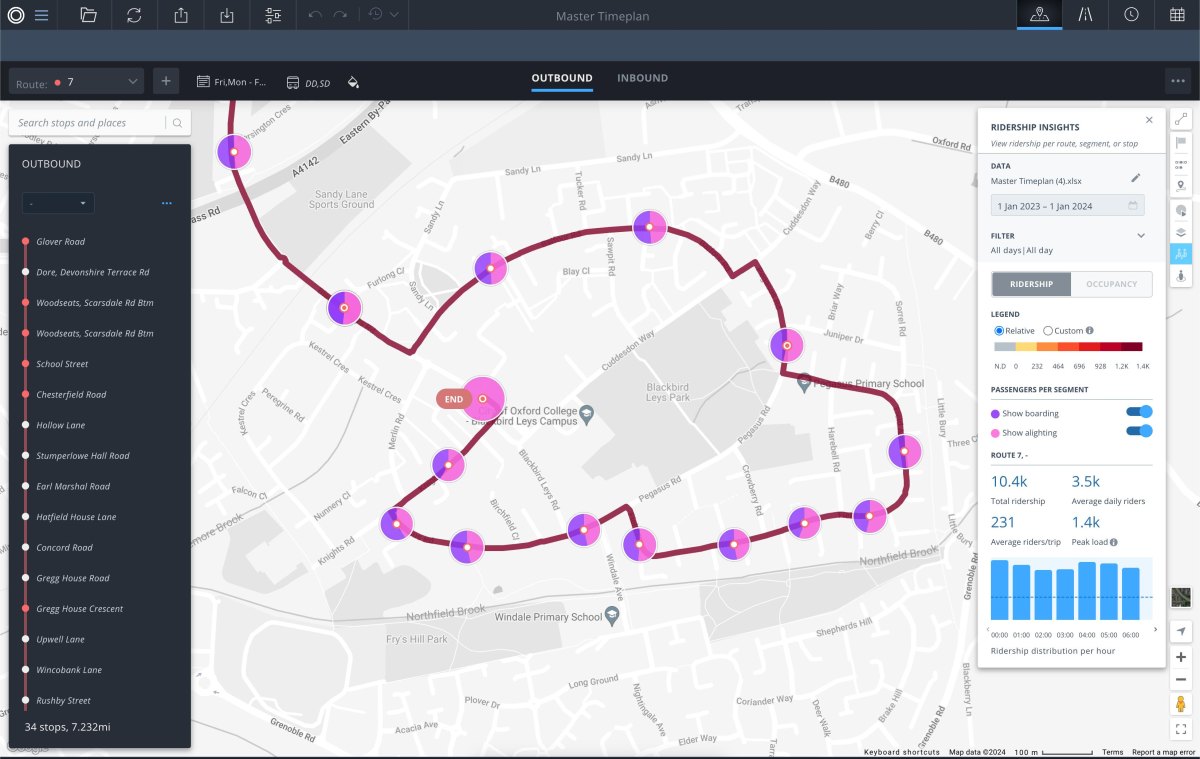
I would start with route optimization because choosing a journey is often where passengers get stuck. A smart app could compare routes, travel times, transfers, and delays before suggesting the most practical option. Modern transit data standards such as GTFS support structured schedules and real-time information that developers can build into these tools.
The useful part is not simply saying “take this bus.” A better AI route planner explains the trade-off: faster but more walking, cheaper but slower, or fewer changes but a longer ride.
- Smart suggestions: Recommend routes based on arrival time, preferences, and service conditions.
- Alternative plans: Offer backups when a connection disappears.
- Accessibility options: Highlight routes with fewer barriers where data is available.
Real-Time Bus Tracking and Live Updates Apps
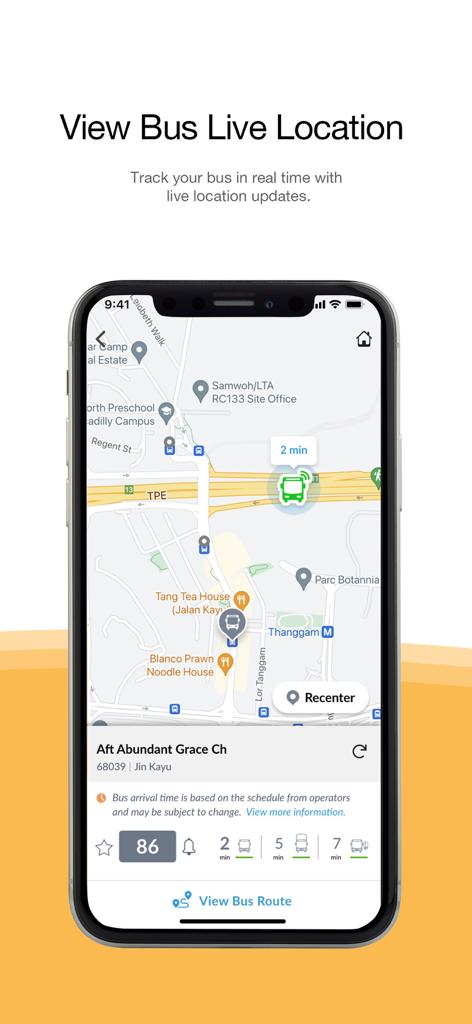
I learned during my transit years that a passenger can tolerate a delay much better when they know what is happening. A real-time tracking app should show vehicle positions, predicted arrivals, and service alerts instead of leaving people staring at an empty stop. GTFS Realtime supports vehicle positions, trip updates, and disruption information for rider-facing applications.
A strong idea here is a live bus tracking feature that combines maps with useful notifications. “Your bus is eight minutes away” is far more helpful than a generic schedule.
- Connect. Link the app with operator data feeds.
- Display. Show locations and arrival predictions clearly.
- Notify. Alert riders about delays or changes.
Digital Bus Ticket Booking and Payment Apps
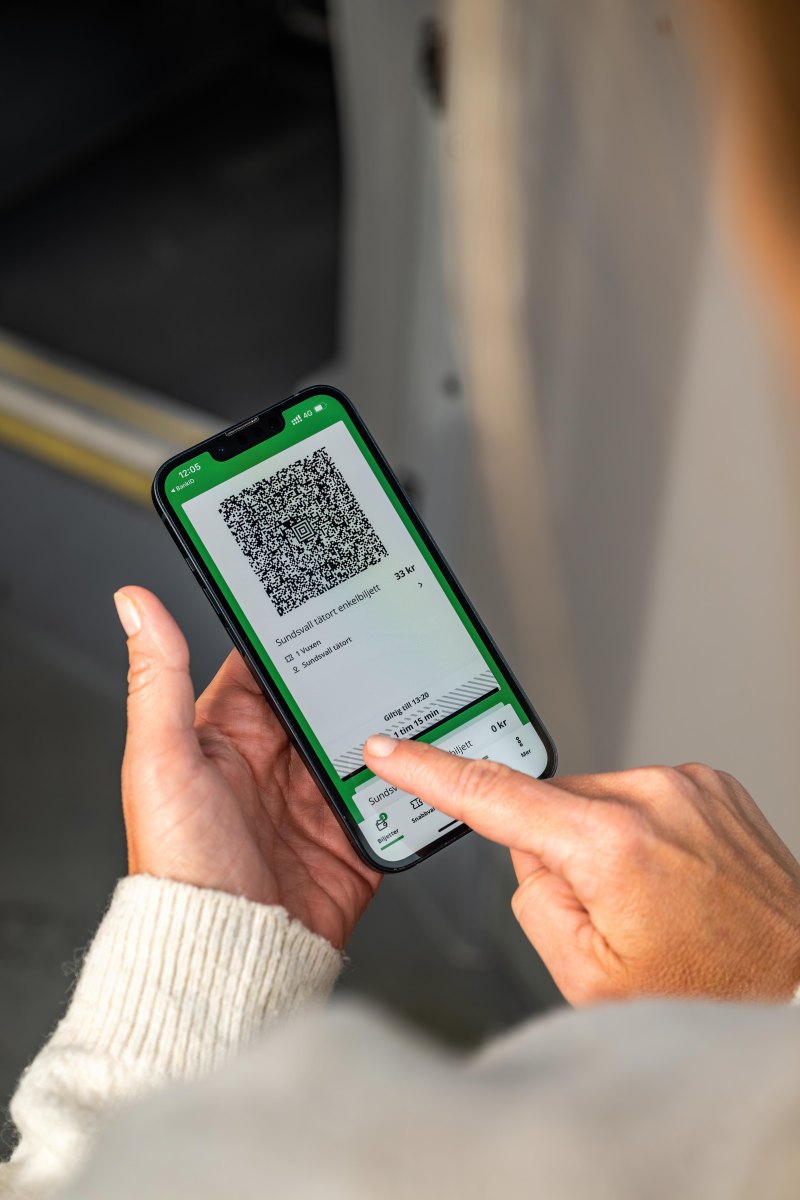
Buying a ticket should be the easiest part of a journey, yet it is often where travellers lose time. I would design a booking app with saved passenger details, digital tickets, flexible payment choices, and clear fare information. Contactless transport payments are already supported in some systems through tools such as Google Wallet, depending on local availability.
The key is building a frictionless ticket system that works for regular commuters and occasional visitors. A tourist buying one ride and a worker buying daily passes have different needs.
- Mobile ticket storage.
- Multiple payment methods.
- Fare information before checkout.
- Simple refund and change options.
AI Travel Assistant for Bus Passengers
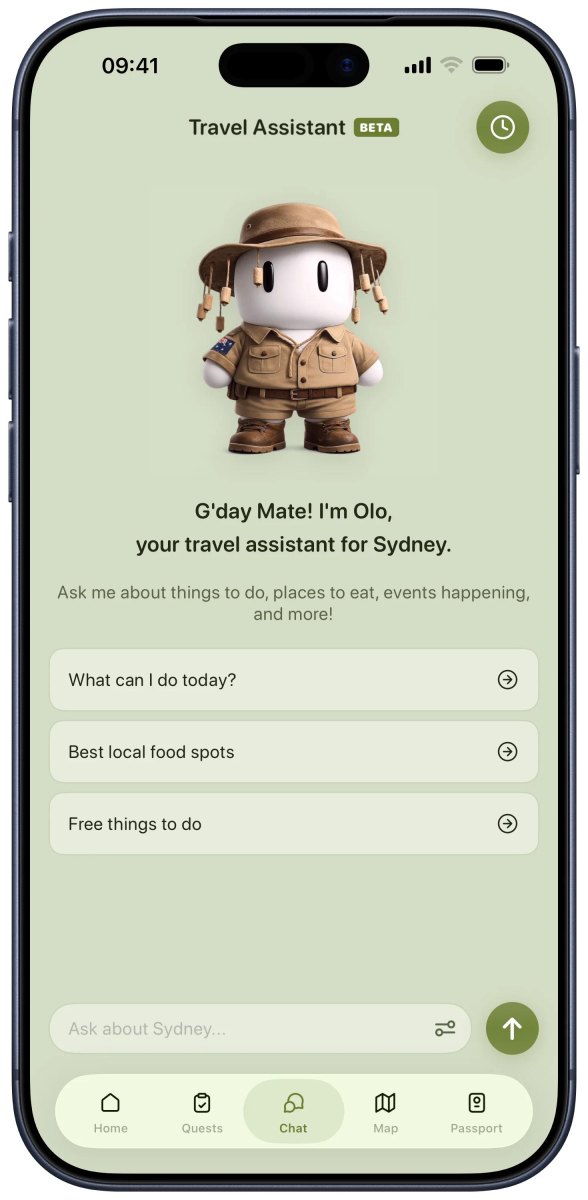
I like the idea of an app that feels less like a database and more like a helpful travel companion. Recent transit apps have started adding AI assistants that answer route questions, compare options, and provide personalised guidance during journeys.
A useful AI travel assistant would handle everyday questions: “Which bus gets me there before 9?” or “What should I do if I miss this connection?” It should save time, not create another screen to learn.
Tip
Keep the assistant focused on practical travel tasks. A chatbot that cannot answer basic journey questions is just extra decoration.
Bus Fleet Management and Driver Monitoring Apps
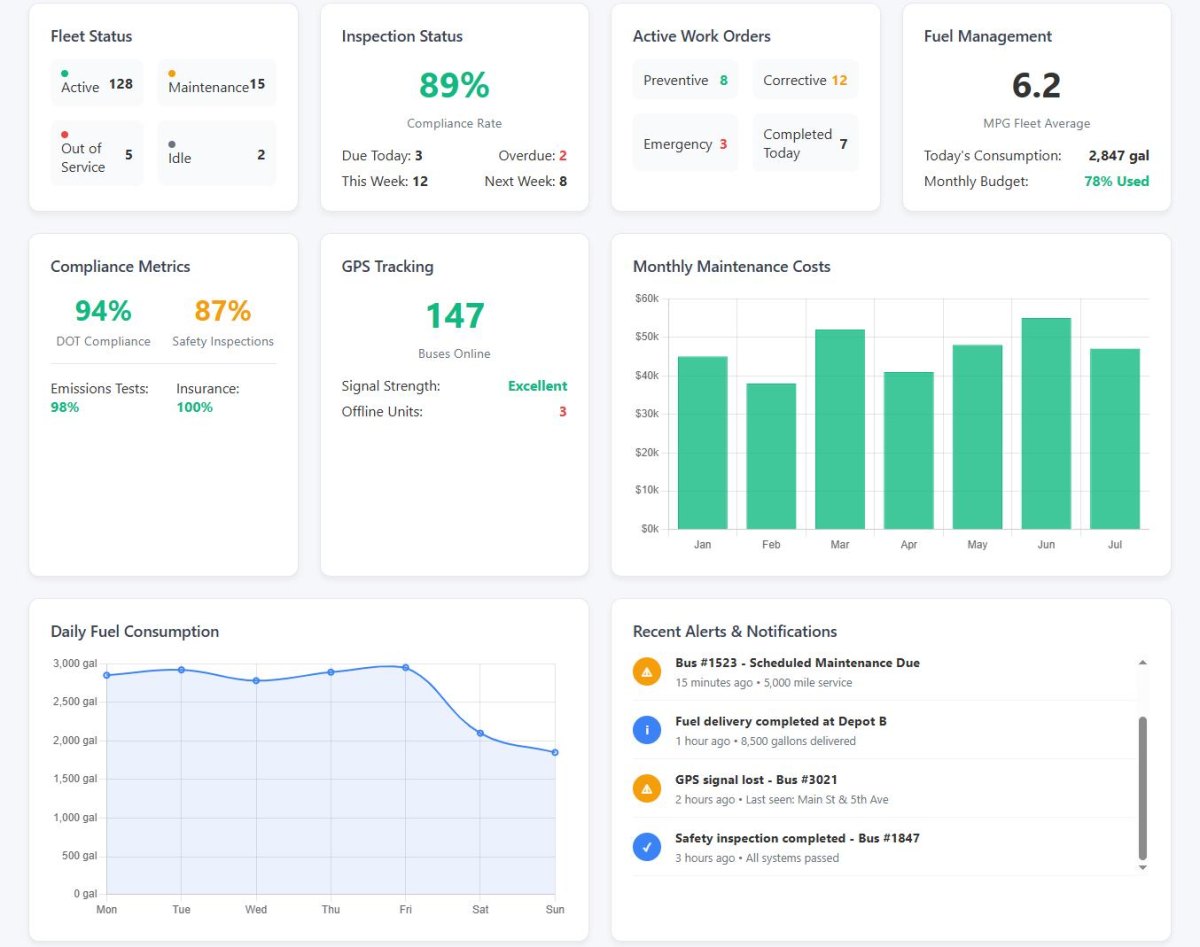
Not every useful bus app is made for passengers. Operators also need tools that help manage vehicles, schedules, and daily operations. A fleet management idea could combine maintenance records, vehicle status, driver information, and route performance in one dashboard.
I would focus on fleet efficiency tools that help operators make better decisions without overwhelming staff. The best systems quietly prevent problems before passengers notice them.
| Feature | Purpose |
|---|---|
| Vehicle monitoring | Track operational status and issues. |
| Driver insights | Review performance and training needs. |
| Maintenance alerts | Plan repairs before failures. |
Eco-Friendly Bus Booking and Carbon Tracking Apps
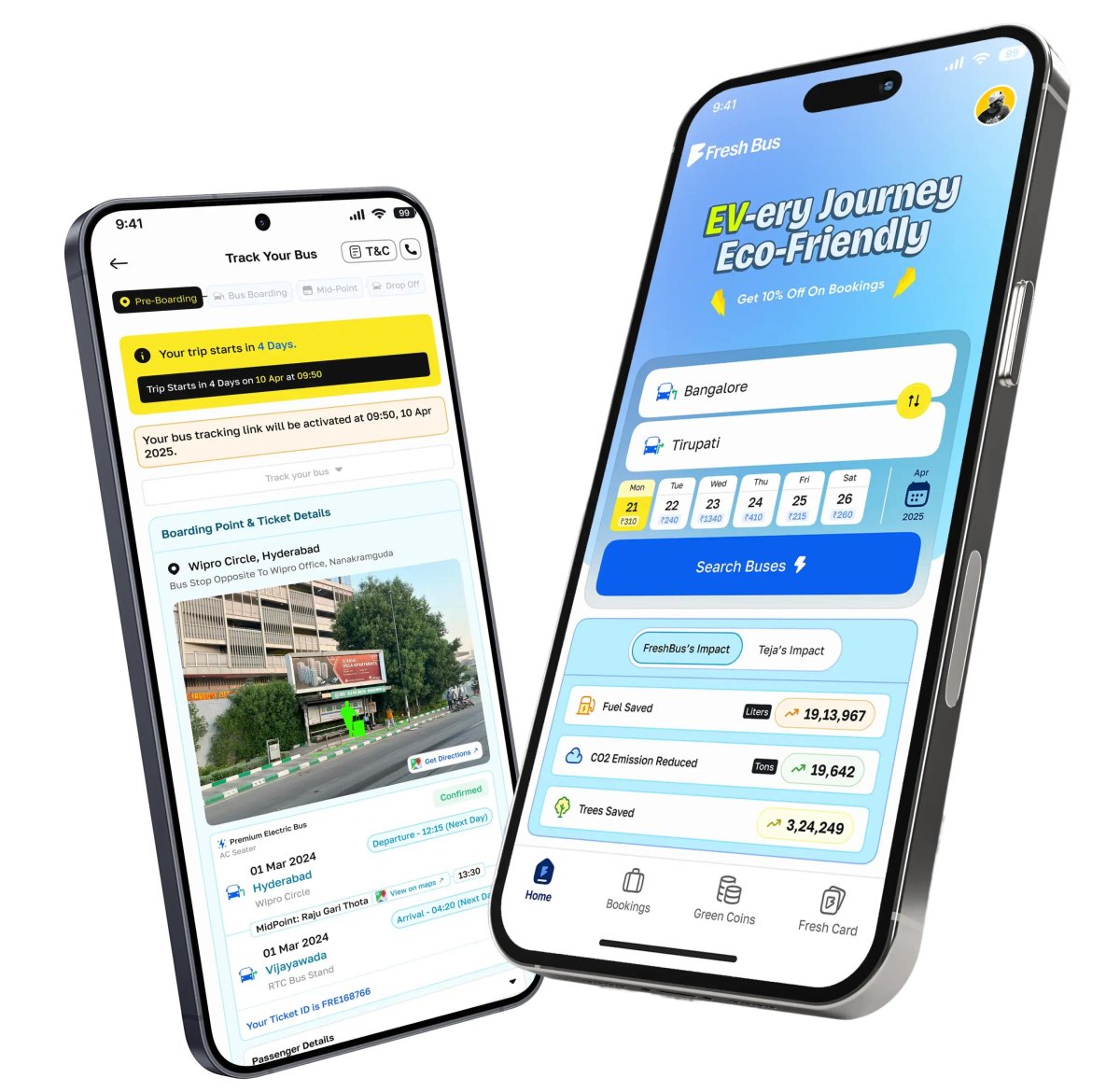
More travellers now want to understand the environmental side of their transport choices. A bus booking app could show estimated emissions saved, compare journey impacts, and encourage shared transport options. Public transport organisations already use carbon footprint tools to communicate the environmental role of buses.
I would build a carbon tracking feature carefully, showing useful estimates rather than pretending every journey has a perfect number. Transport data varies by vehicle type, route, and energy source.
1 feature
A carbon estimate can turn a simple booking into a more informed travel choice.
Personalized Bus Travel Experience Apps
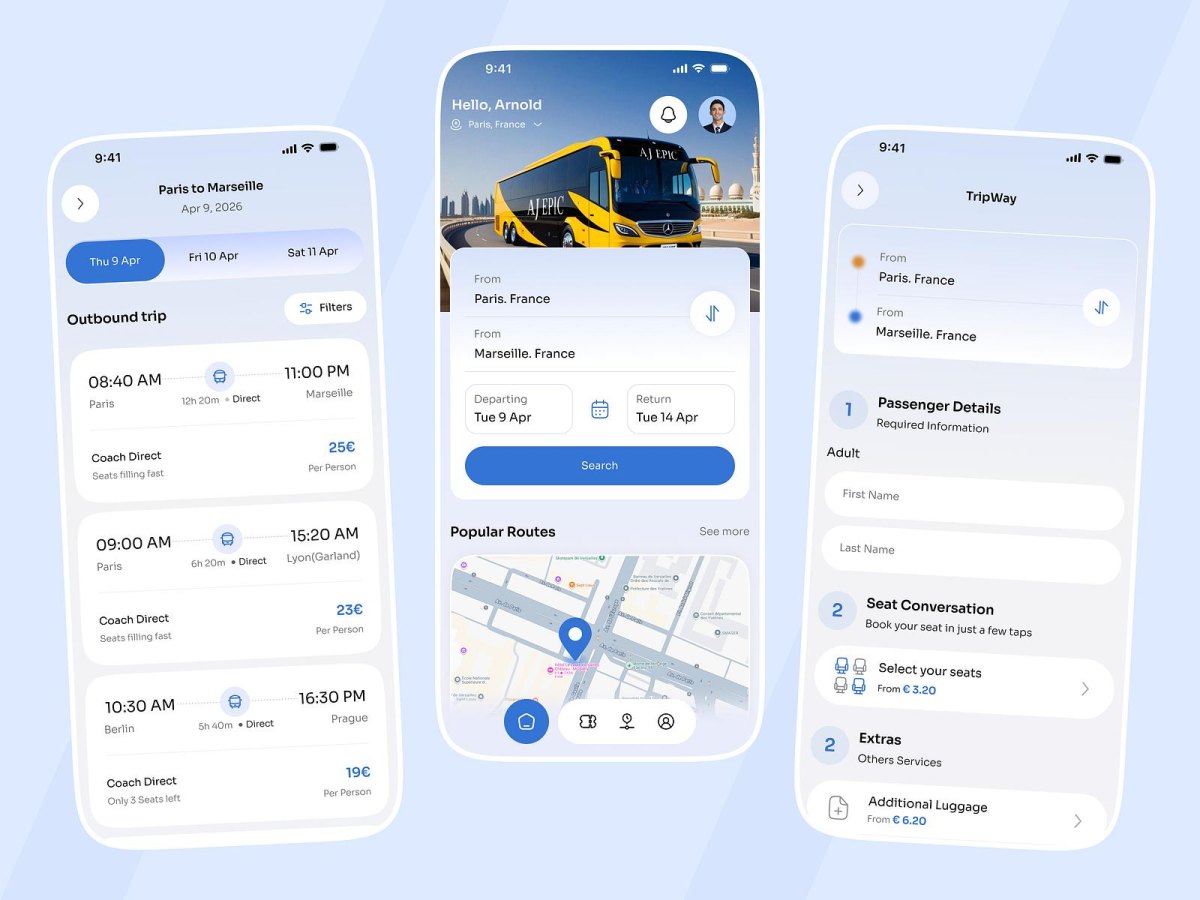
The final idea is about remembering what passengers actually like. A personalised app could save favourite routes, preferred departure times, usual destinations, and travel habits. Mobility apps are already exploring personalised trip planning features that combine route information with user preferences.
I would design a personal travel dashboard that gets better over time but still lets users stay in control. A bus app should help people make journeys easier, not lock them into one way of travelling.
Benefits
- Faster repeat bookings.
- More relevant suggestions.
- A smoother daily travel routine.
Challenges
- Requires careful handling of user data.
- Recommendations need accurate information.