A good Budapest 3 day itinerary is less about racing between landmarks and more about grouping the city into sensible days. I planned this route around the places that gave me the best mix of history, views, food and time to simply wander.
The Danube panorama that sets the tone
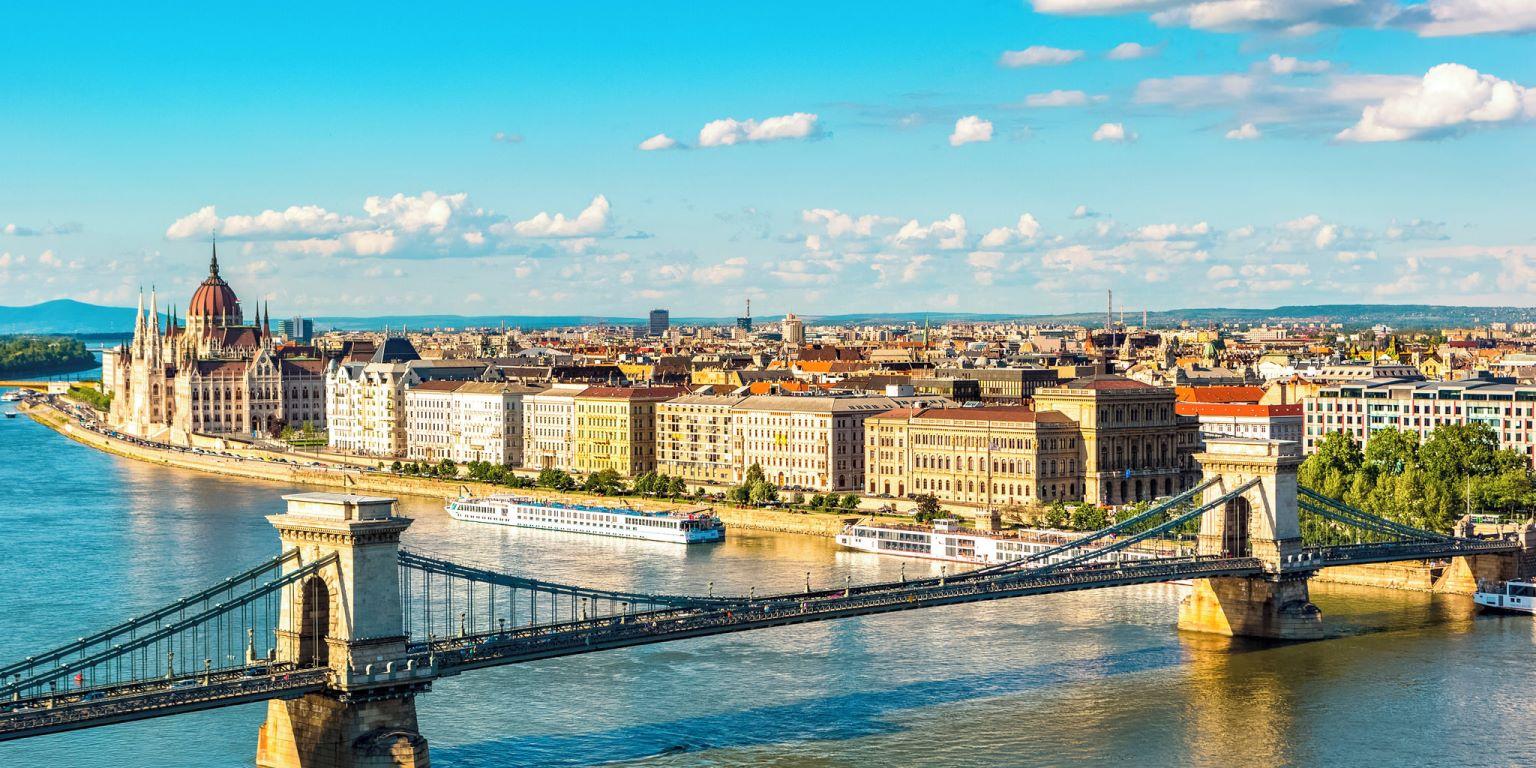
I start a Budapest visit by the river, because the Danube explains the city better than almost anything else. This riverside view combines the grand Parliament building, historic waterfront architecture and the bridges that connect Buda and Pest.
For my first evening, I like this kind of stop because it requires no complicated plan. I can arrive, walk slowly, take in the skyline and avoid wasting my first hours checking off a list. The trick is to see the river from both sides during a three day itinerary.
- Best use of time: sunset walk or an early morning stroll.
- Pair it with: the nearby central districts for dinner and an easy first night.
I learned on many city trips that a good opening view gives me a map in my head before I start navigating streets.
Hungarian Parliament as the essential landmark
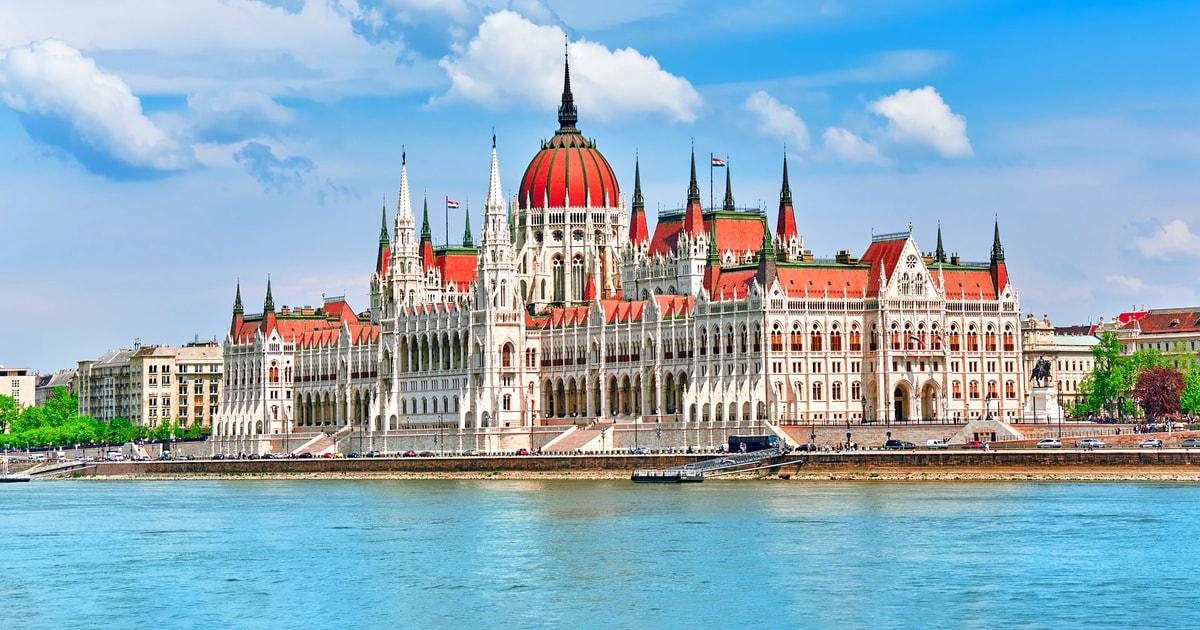
The Parliament building deserves dedicated time rather than a rushed photo stop. Its riverside position makes it one of Budapest’s defining sights, and I would include it on day one when energy is still high.
I prefer seeing major buildings from outside first, then deciding which interiors are worth my schedule. This keeps a three day itinerary flexible, especially if weather changes.
I always tell myself that a landmark is not a race marker. The best stops are the ones where I still remember the walk there.
Allow extra time around this area for riverside paths and nearby historic streets. The neighbourhood works well as part of a relaxed walking day.
A night on the Danube
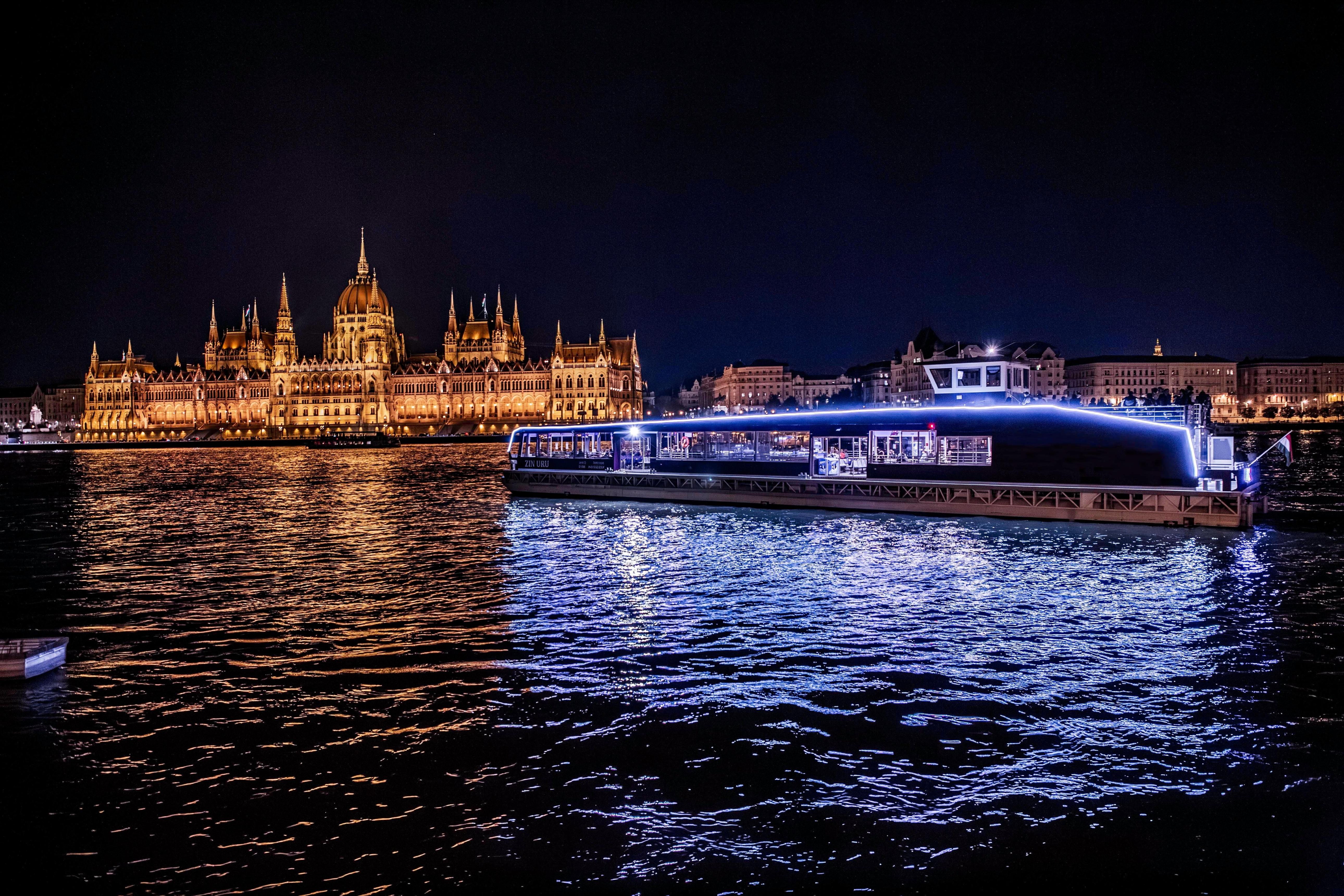
Budapest changes character after dark, and this river scene is why I keep an evening slot open. The illuminated buildings and moving boats create a completely different experience from the daytime city.
I would put this into the second evening of a three day itinerary rather than the first. By then I know the layout, I am less distracted by directions, and I can enjoy the atmosphere properly.
My practical approach:
- Wear comfortable shoes because waterfront walks add up.
- Keep plans loose after dinner so a spontaneous stroll is possible.
- Choose a river experience that fits the budget instead of assuming the most expensive option is best.
Fisherman’s Bastion and the Buda side
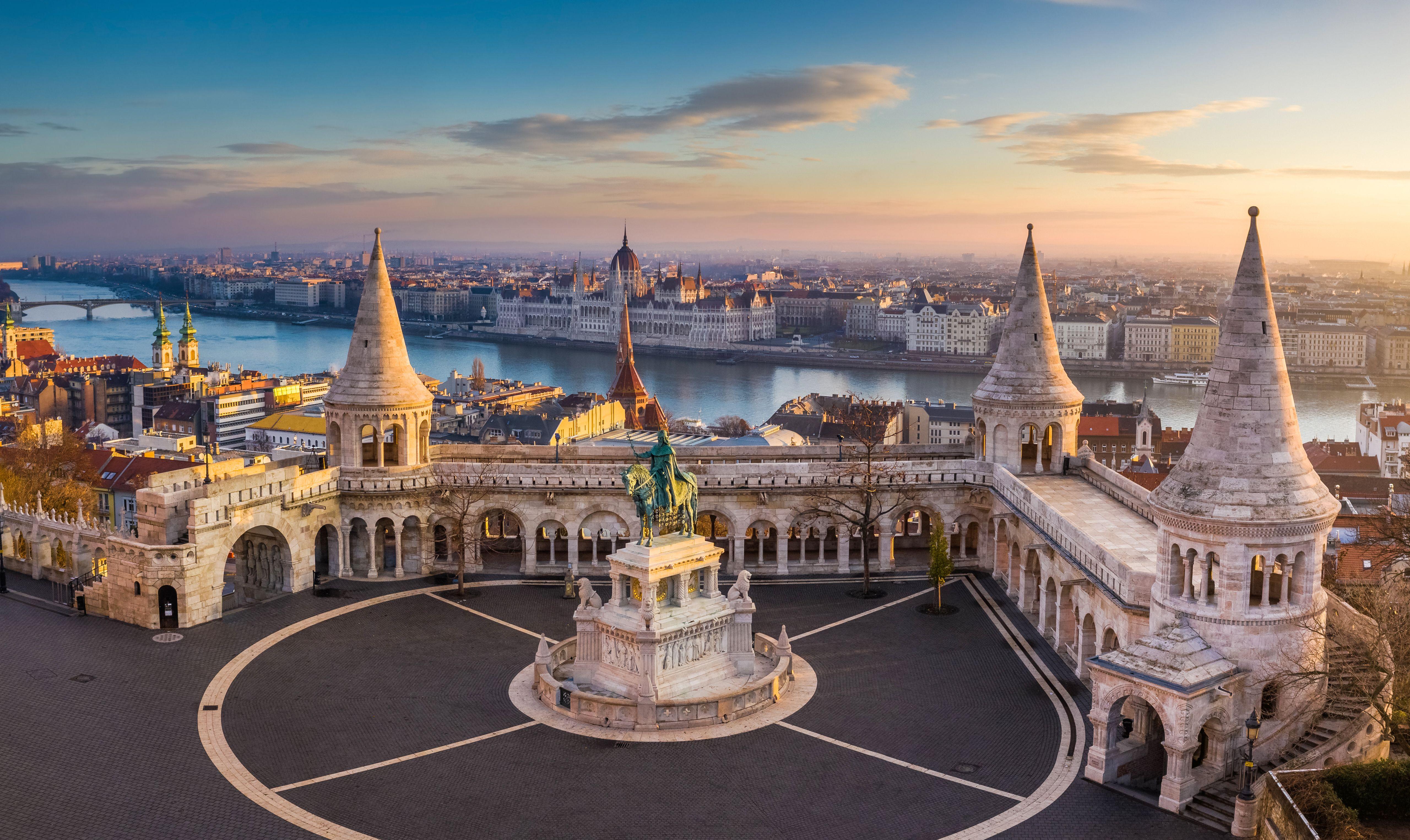
The Buda hills are where I slow the itinerary down. This viewpoint area offers one of the city’s most rewarding perspectives, with sweeping views over the Danube and Pest.
I would not squeeze this into a quick morning. The climb, the viewpoints and the surrounding streets deserve a comfortable half day. Budapest rewards travellers who leave room for wandering.
For readers planning a first visit, I suggest combining this stop with other Buda sights nearby instead of crossing the river repeatedly. My old travel-planning habit is simple: fewer backtracks usually means more enjoyment.
This is also one of the places where a camera naturally comes out, but I still remember that the view itself matters more than collecting endless photos.
The wide city view from above
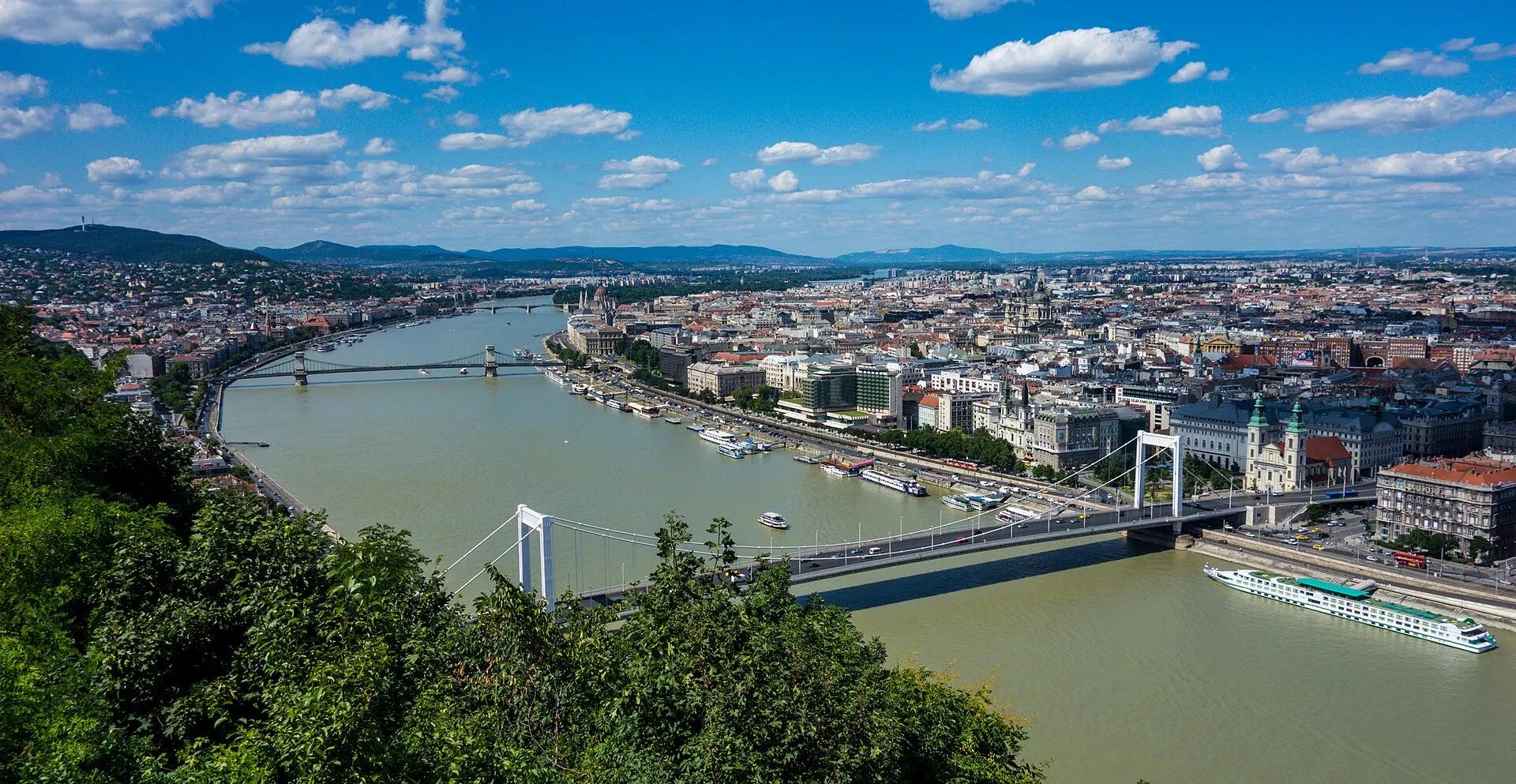
A broad Budapest panorama earns its place in a three day plan because it shows how the districts fit together. I like adding one elevated viewpoint after spending time at street level.
This kind of stop works especially well on day two. By then I recognise the river, bridges and major buildings, so the view becomes a useful mental map instead of just a pretty scene.
My pacing rule: one major viewpoint is enough. Collecting five similar overlooks usually leaves less time for neighbourhoods, cafés and ordinary streets where a city actually lives.
Bring a little patience here. Crowded viewpoints are common in popular cities, and waiting a few minutes often makes the experience much better.
Ruin bars for Budapest’s creative side
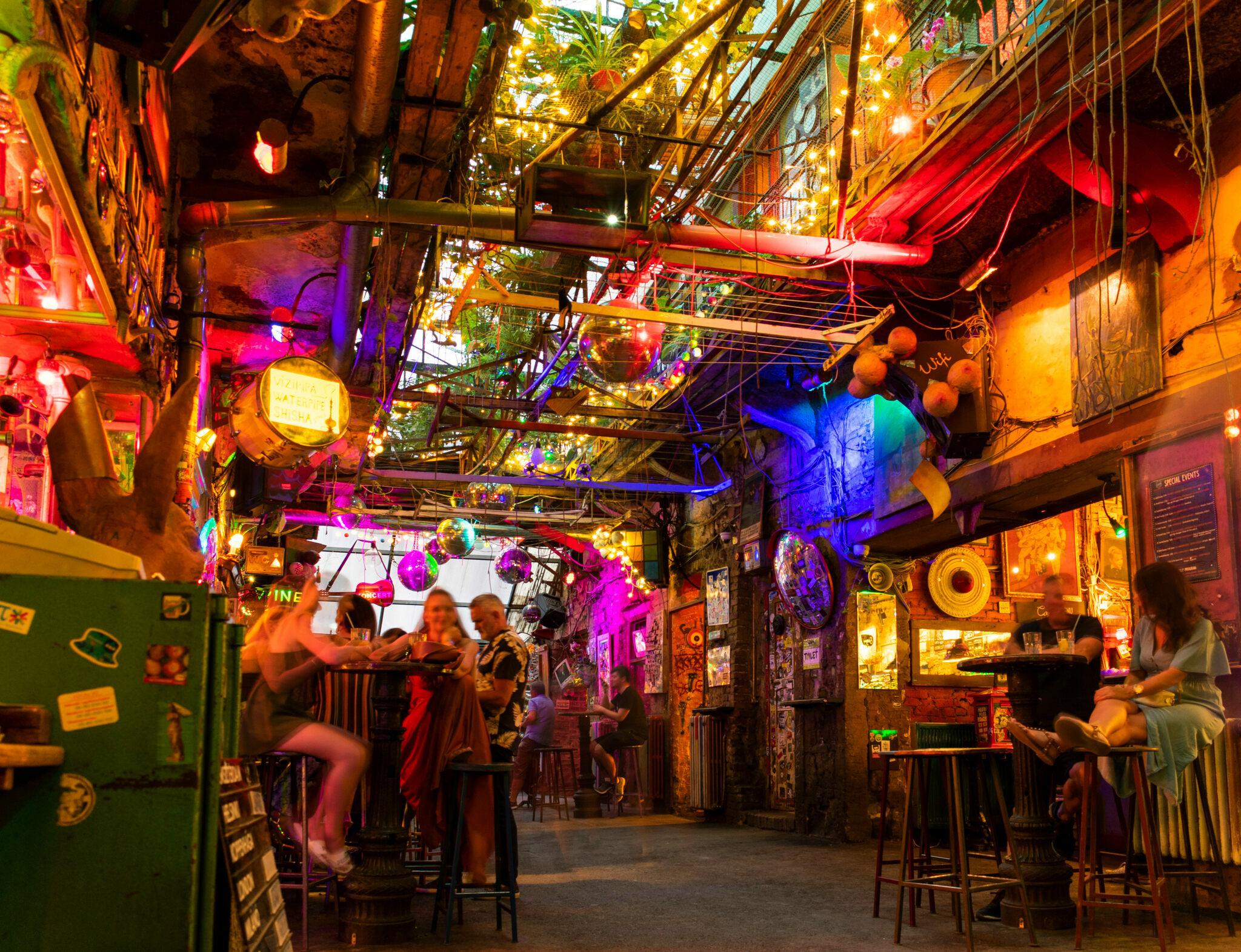
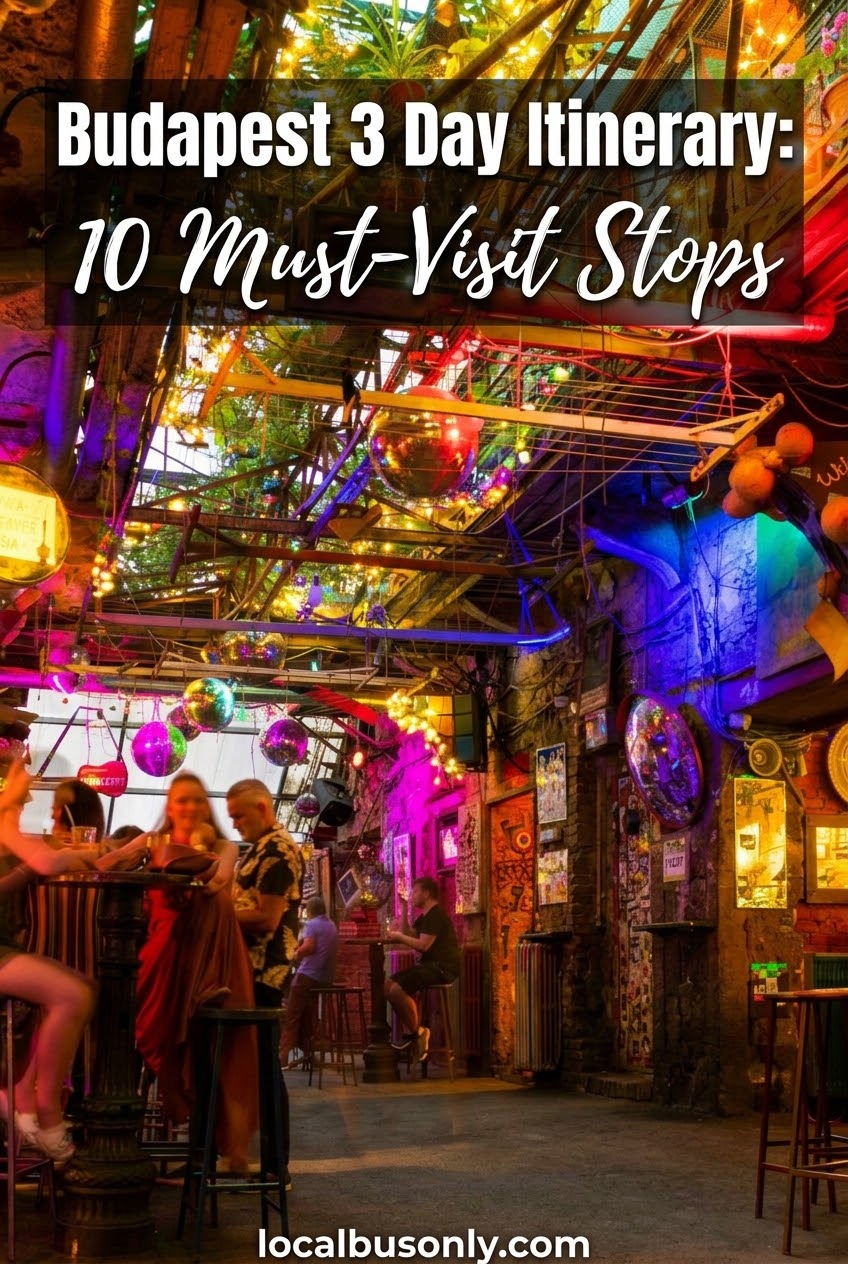
Budapest’s ruin bar culture adds contrast to an itinerary filled with grand architecture. These unusual social spaces are built around repurposed buildings, mismatched decoration and a relaxed evening atmosphere.
I include this on a night rather than forcing it between museums and monuments. It is a different side of the city, and that difference is exactly why it works.
- Good for: travellers who enjoy casual drinks, music and unusual interiors.
- Less ideal for: anyone expecting a quiet traditional café experience.
I like destinations that show their rough edges as well as their polished attractions. This is one of those stops.
Thermal baths as the slower itinerary choice
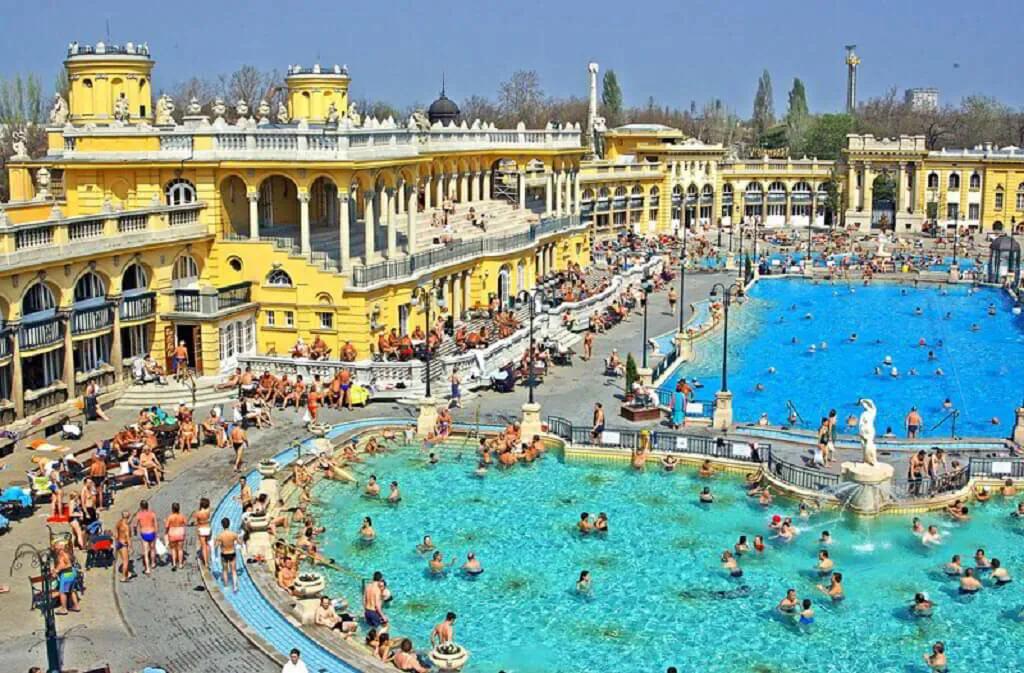
A Budapest trip needs a pause. The city’s thermal bath tradition is exactly the kind of experience I reserve for the middle or final day, when my feet have already done plenty of work.
The large outdoor pools and historic surroundings make a bath visit feel different from an ordinary swim. It is not just another attraction to photograph; it is time spent doing what locals and visitors have enjoyed for generations.
My advice is to check practical details before arriving, especially what you need to bring and how long you realistically want to stay. A rushed bath visit defeats the purpose.
Hungarian goulash and a proper food break

Food should not be squeezed into the gaps of a Budapest 3 day itinerary. A bowl of Hungarian goulash is the sort of meal I plan around because it is filling, traditional and suited to a long walking day.
I have made the mistake of treating meals as fuel on busy trips. Cities are remembered through small pauses, and sitting down for local dishes gives me a better sense of place than another rushed attraction.
- Try: slow-cooked dishes, paprika-based flavours and local desserts.
- Plan: enough time to enjoy the meal instead of eating beside a timetable.
For me, the best itinerary has room for a table, not just a route.
A modern underground stop
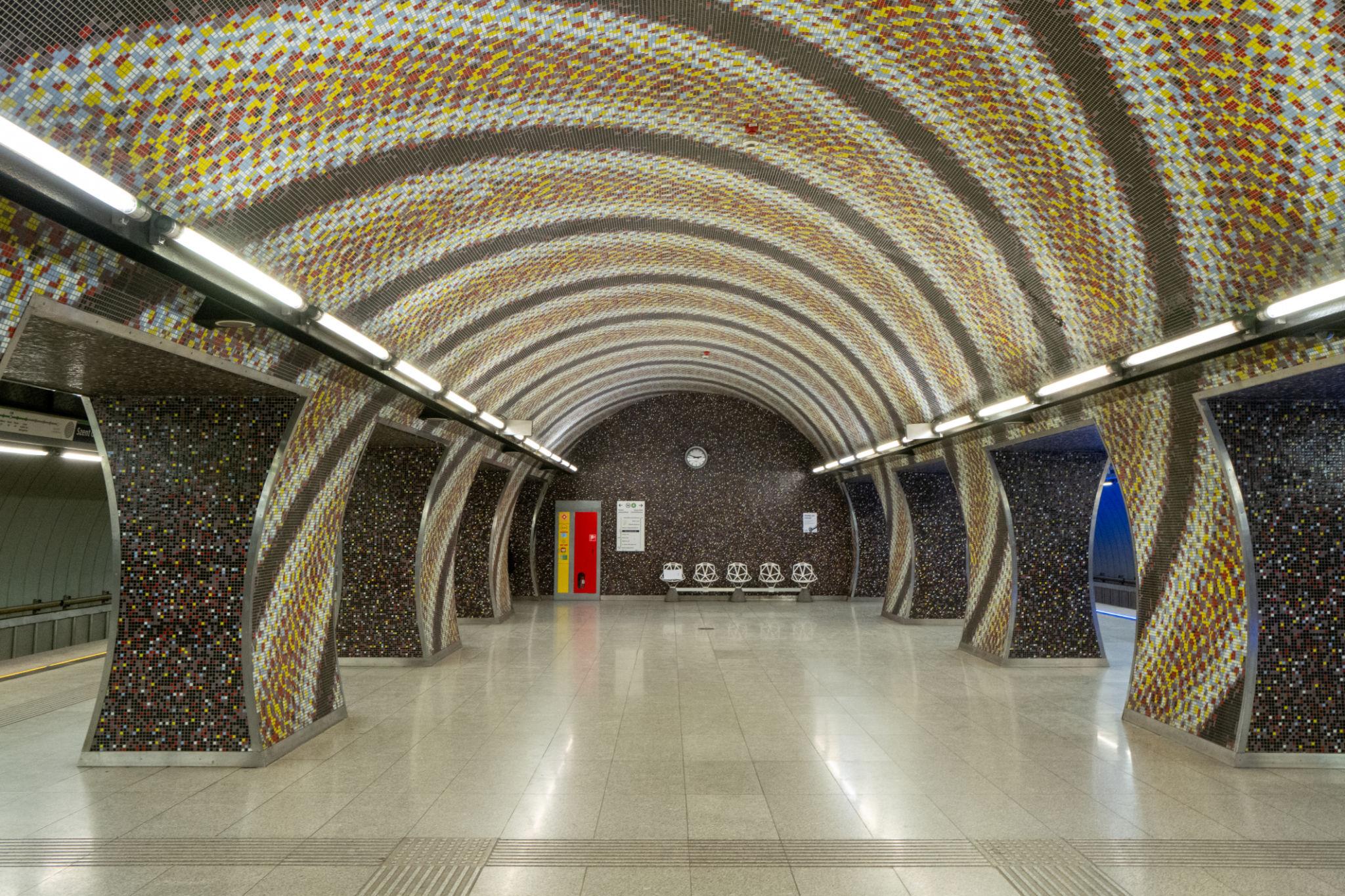
The city below street level is part of Budapest’s story too. This underground station design shows how everyday infrastructure can become part of the travel experience.
I like including small design moments in an itinerary because they require little extra effort. You do not always need another ticketed attraction; sometimes the route itself provides something interesting.
After twelve years working around transport planning, I still notice places where movement and design meet. A station can reveal a city’s priorities just as much as a monument can.
Use these short stops naturally while moving between neighbourhoods rather than building an entire day around them.
Margaret Island for a gentler final day
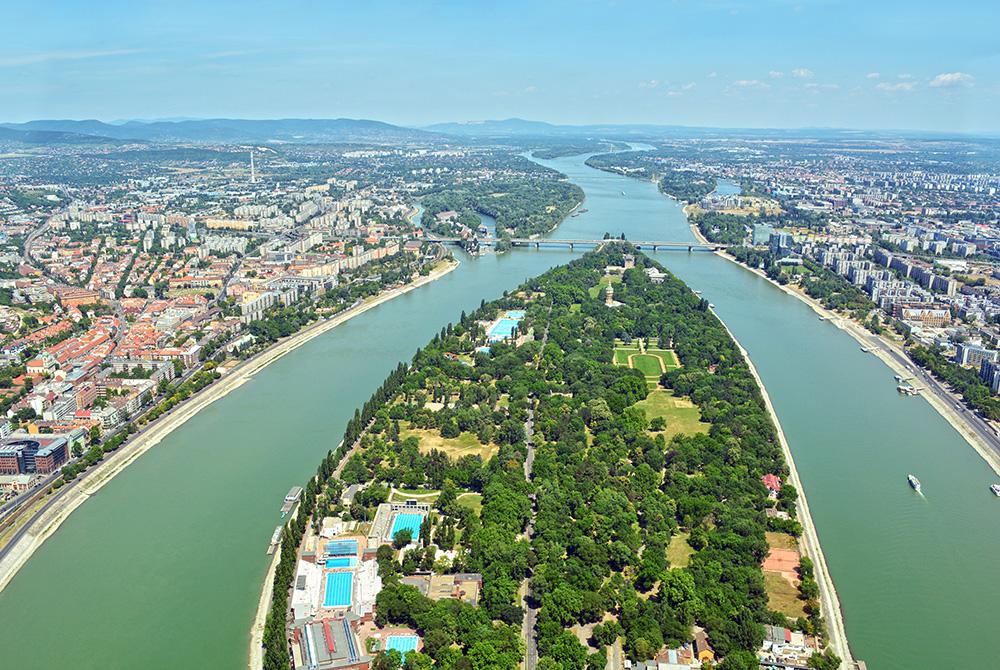
Margaret Island is the kind of place I save for when I want the city to breathe. This green stretch in the Danube offers a break from stone buildings, busy streets and constant sightseeing.
On a final day, I would choose a slower rhythm here: walk, rest, and enjoy the open space before leaving Budapest. It balances the grand architecture from earlier days with something quieter.
A three day itinerary works best when the final hours are not overloaded. I would rather finish a trip feeling I had time than carrying a list of missed stops.
My ideal Budapest trip is not the one with the longest checklist. It is the one where the big sights, everyday streets and quiet breaks fit together without making the city feel like a schedule to survive.





Your Questions, Answered
How do I structure three days in Budapest?
I would split the trip between Pest landmarks and river views, Buda viewpoints and historic streets, then finish with slower experiences such as baths, parks or food.
Is Budapest easy to explore without a car?
Yes. I found the central areas practical for walking and public transport, but I still plan routes by neighbourhood to avoid unnecessary crossings.
What should I not skip on a first Budapest visit?
I would prioritise the Danube views, Parliament area, Buda viewpoints, thermal baths and at least one traditional Hungarian meal.