A good US national park checklist is less about buying more gear and more about avoiding the small problems that turn a great day outside into a tiring one. I have learned to pack for real conditions: changing weather, long walks, limited services and the simple fact that parks reward preparation.
The complete trail-ready pack setup
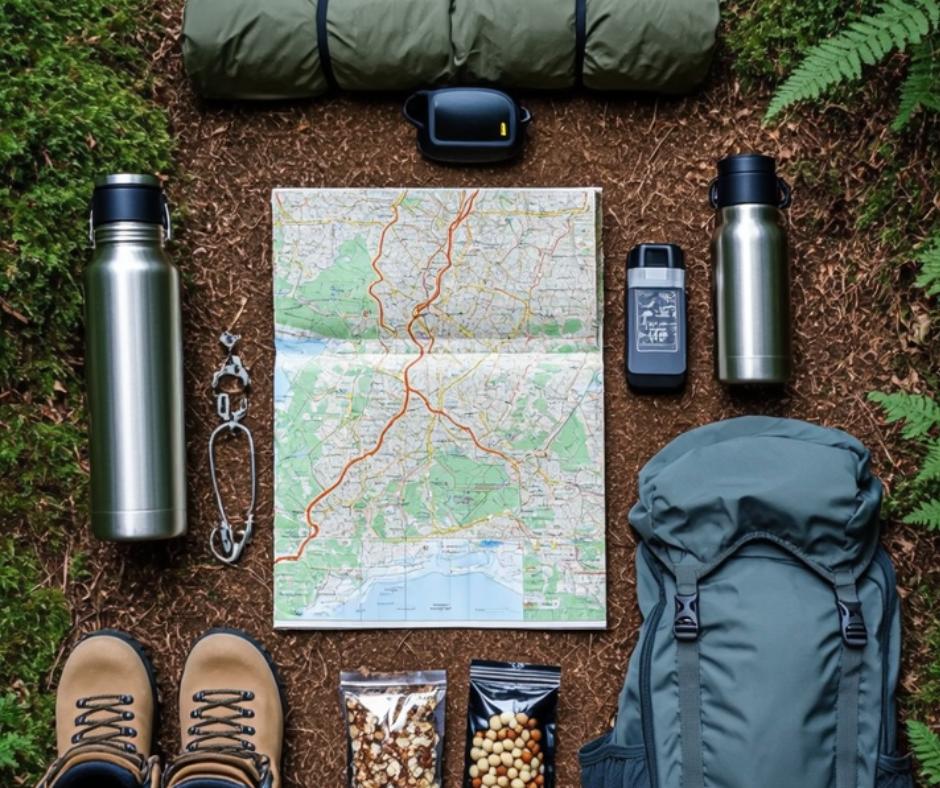
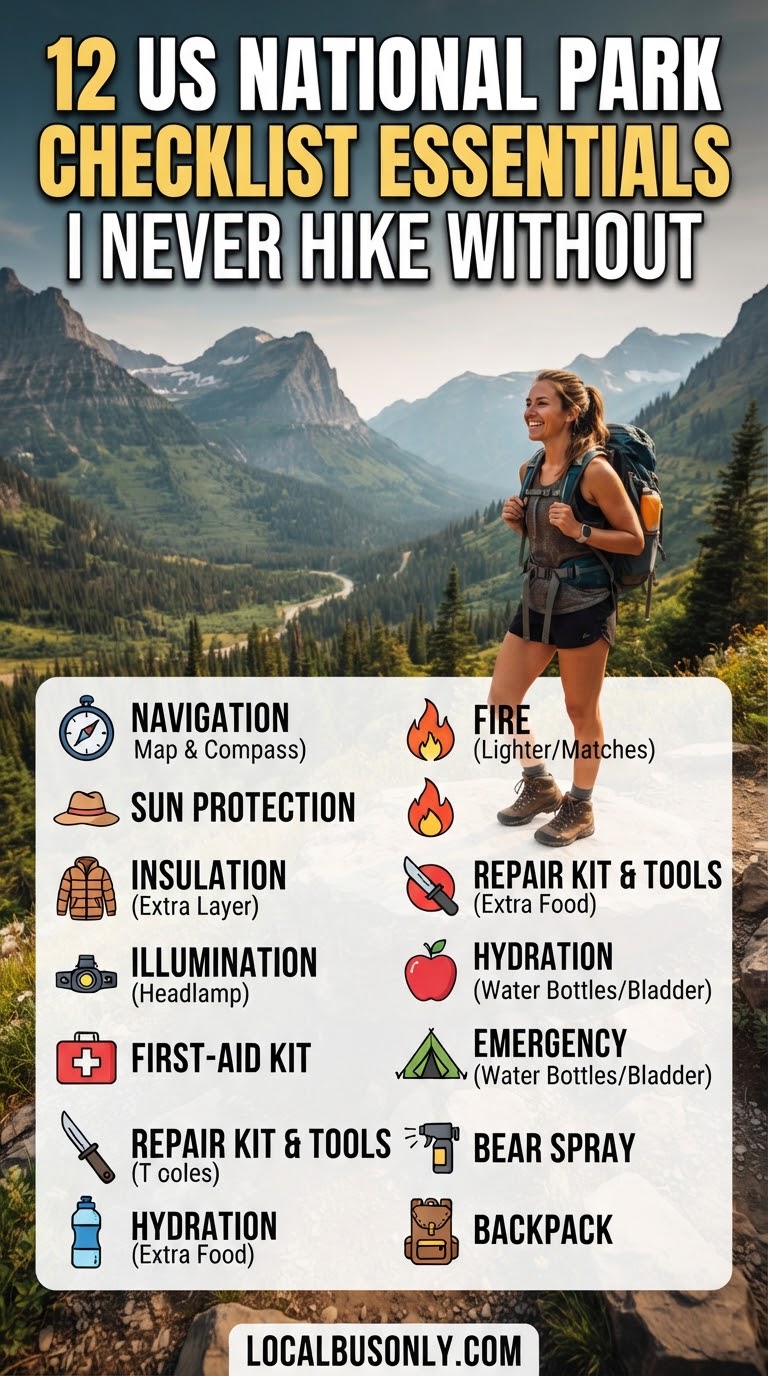
I start my US national park checklist with the basics that keep a day flexible: water, layers, navigation, snacks and a reliable backpack. The first image shows the kind of simple arrangement I prefer rather than a pile of gadgets.
What earns a place in my pack:
- Reusable water bottles or a hydration system.
- A paper map as a backup to phone navigation.
- Extra layers that handle changing temperatures.
- Small first-aid and repair supplies.
I have made the mistake of packing for the forecast instead of the landscape. Mountain weather does not care what the weather app promised at breakfast.
Choosing parks for different landscapes
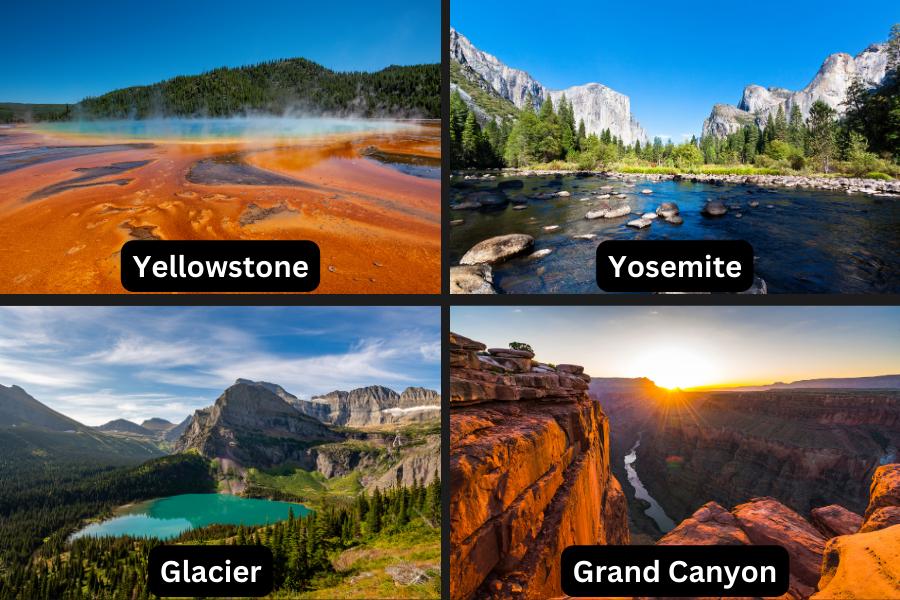
A national park checklist also starts before departure: decide what landscape you are actually visiting. The collage of Yellowstone, Yosemite, Glacier and Grand Canyon scenes shows how different park environments can be.
I plan differently for each: volcanic landscapes need sun and walking preparation, alpine areas need warmer layers, canyon country needs serious water planning, and forest trails need navigation awareness.
My advice is simple: do not build one universal packing list and assume it works everywhere. A desert day and a mountain day can be completely different trips.
Entrance planning and arrival basics
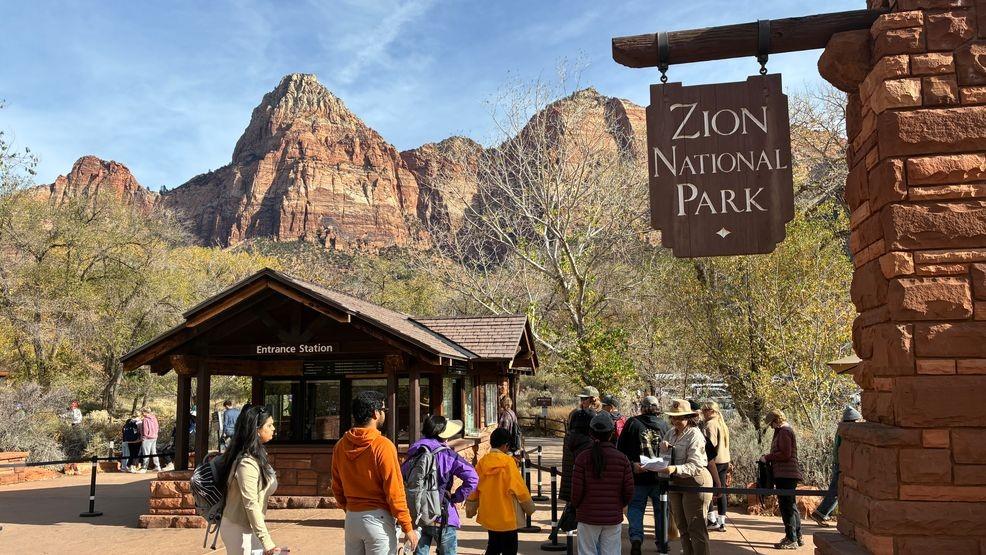
A park entrance area is where many visitors discover the practical details they forgot. I include permits, reservations, identification and confirmation emails in my checklist before leaving home.
The small things matter:
- Know whether your route requires advance planning.
- Save important information offline.
- Arrive with enough time for parking, queues or shuttle arrangements.
I spent twelve years working in service planning, so I have a particular weakness for buffers. Things go wrong; a good plan leaves room for that.
Layering clothes for changing conditions
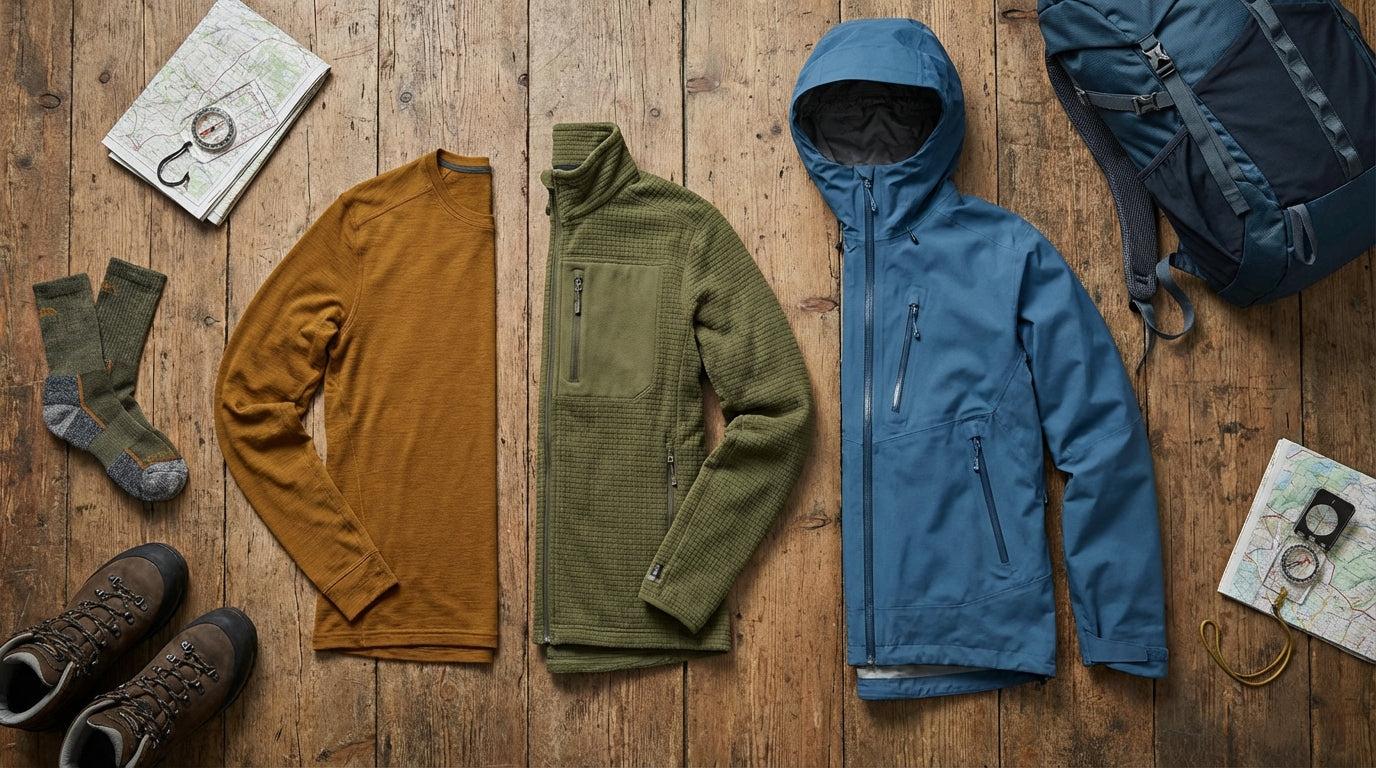
The clothing checklist is where many trips improve immediately. The example here shows a practical outdoor wardrobe: base layers, insulation and weather protection.
I pack layers because they solve several problems at once. A breathable base layer handles sweat, a fleece or warm layer helps when temperatures drop, and a shell protects against wind or rain.
I do not chase the newest outdoor fashion. After years of travel, I trust clothing that washes easily, dries reasonably fast and has survived more than one trip.
Trail companions and smart hiking habits
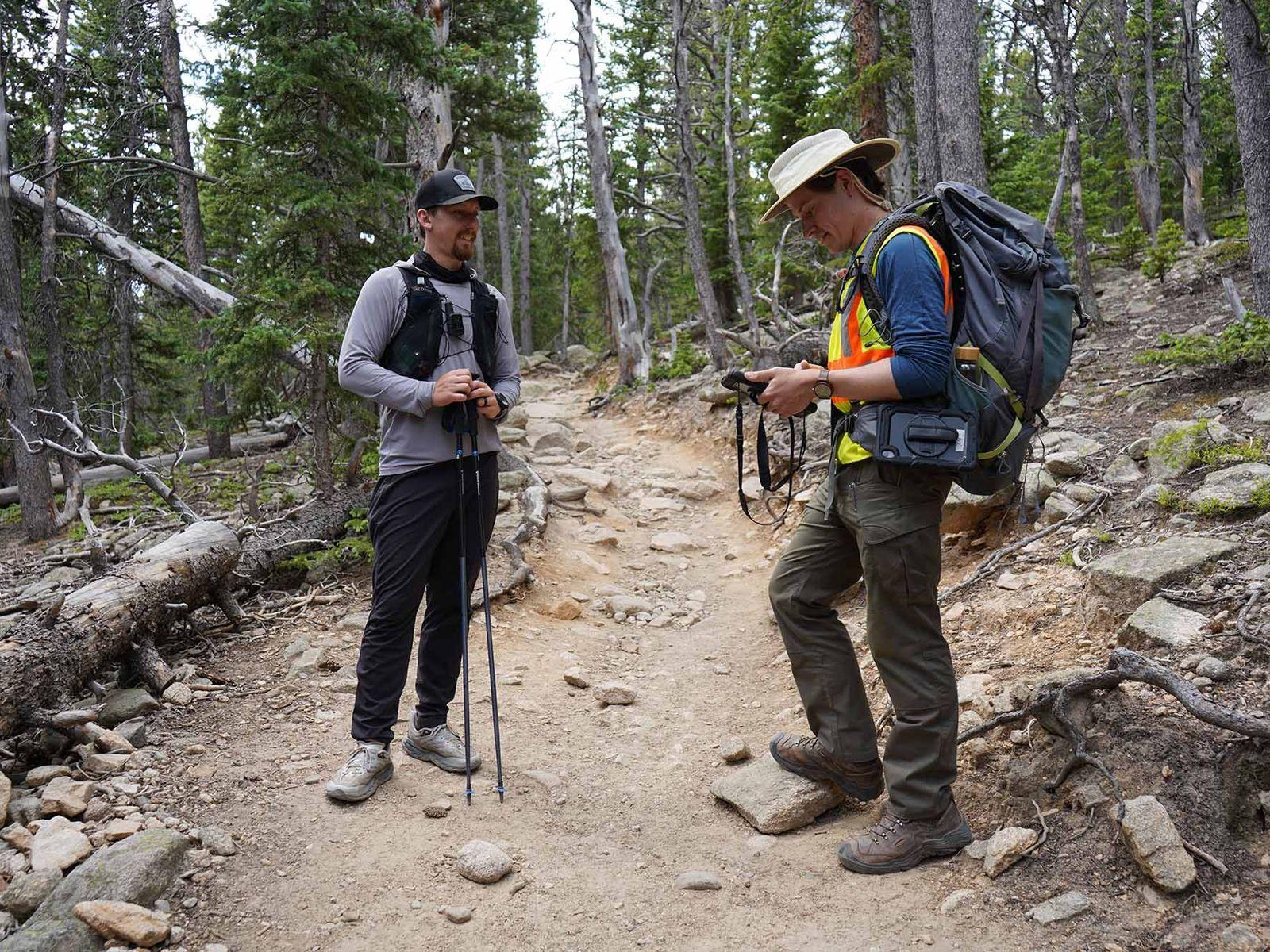
This trail scene represents the human side of a national park checklist: good decisions matter as much as equipment. Hiking with someone, sharing plans and checking your route are simple habits that reduce stress.
Before a longer walk, I ask:
- How far is the route really?
- Where is the last reliable water source?
- What time do I need to turn back?
I like ambitious days outdoors, but I have learned that finishing comfortably is better than proving a point.
Food planning without overpacking
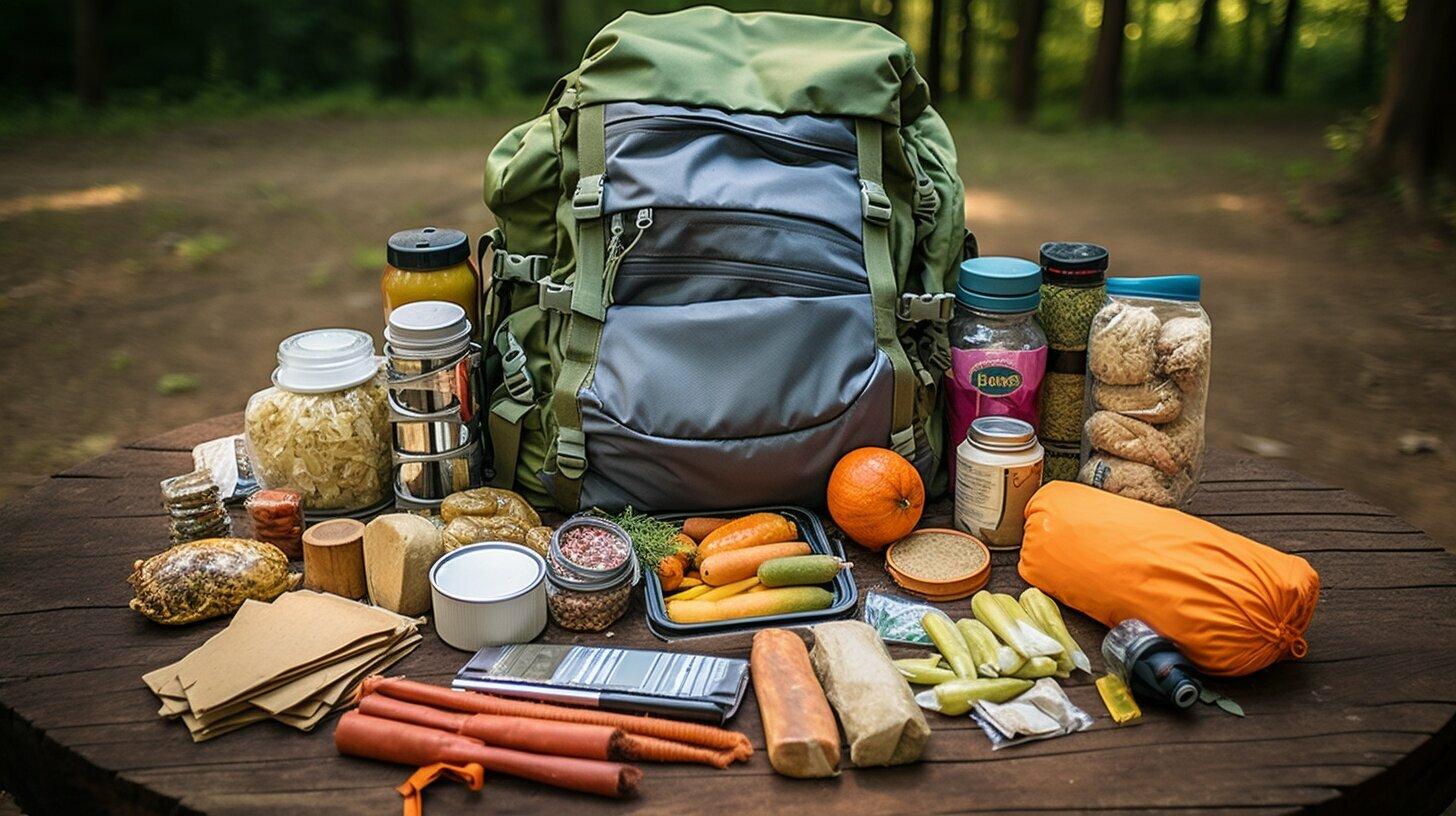
Food is one of the easiest places to overdo a national park checklist. The supplies shown here remind me that trail food should be practical first.
My preferred approach: pack enough calories for the activity, choose foods I will actually eat, and avoid carrying a tiny grocery store on my back.
The best trail snack is the one you remember to eat before you become tired and annoyed.
I learned this during longer travel days: convenience beats theoretical perfection when you are outside.
Camp setup essentials
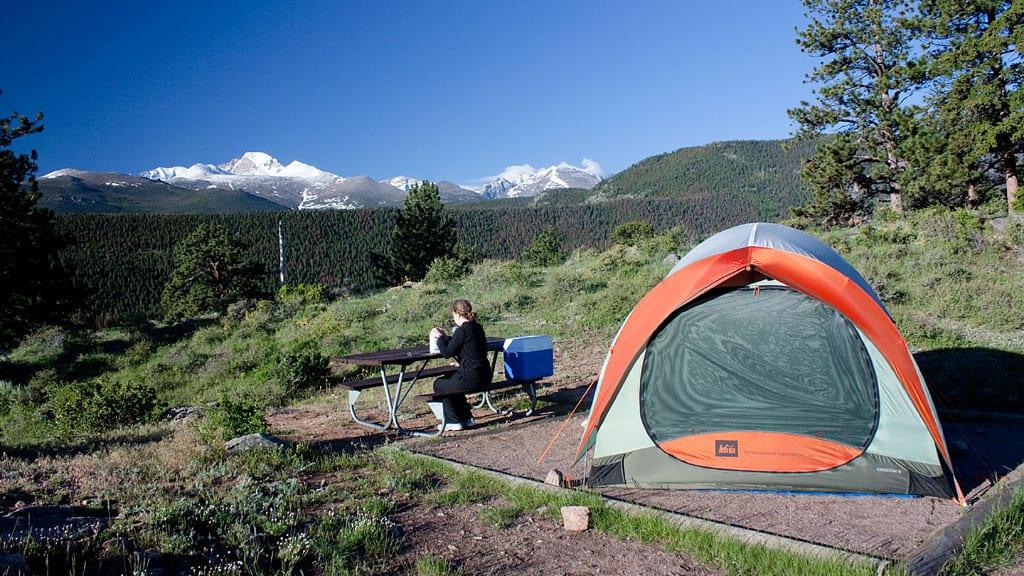
A tent represents a different kind of park visit. Overnight trips need a deeper checklist: shelter, sleeping system, cooking needs and a plan for weather.
Camping basics I check twice:
- Sleeping bag suitability for expected temperatures.
- Enough lighting and backup power.
- Food storage rules for the specific area.
I keep camping simple. My brother's old travel trailer in eastern Oregon has taught me that comfort comes from systems that work, not from carrying everything possible.
Wildlife awareness and responsible visits
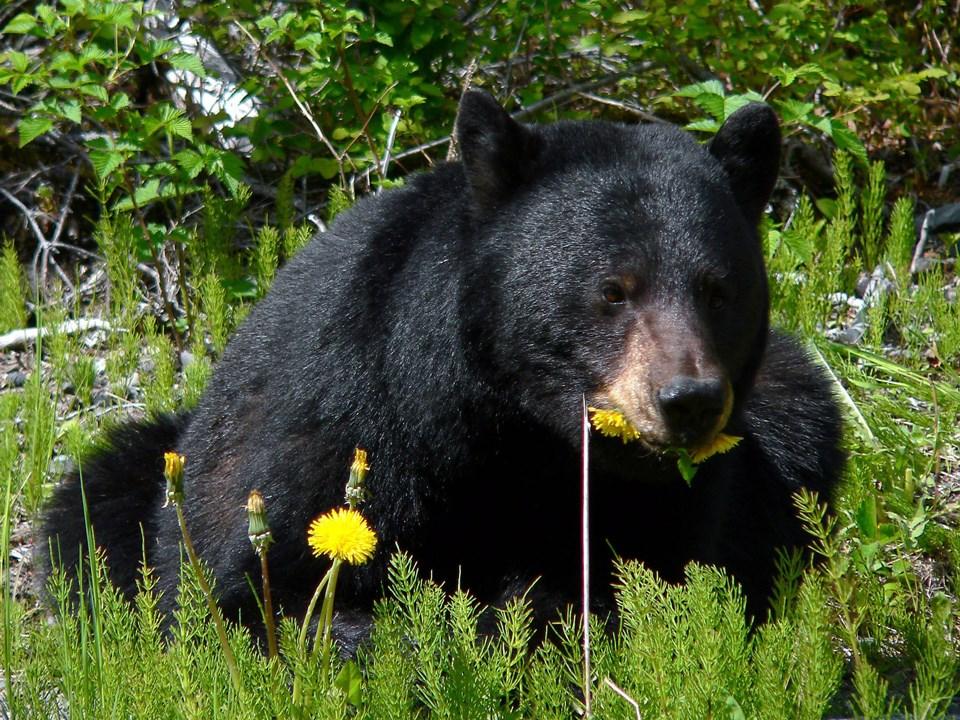
Wildlife belongs high on every US national park checklist. Seeing animals is one of the memorable parts of parks, but the right distance matters.
I follow a few straightforward rules:
- Never approach animals for a better photo.
- Keep food controlled and stored properly.
- Respect signs and ranger guidance.
A park visit is a privilege. The animals are not there to perform for us, and a quiet observer usually has the better experience anyway.
Photography without forgetting the trip
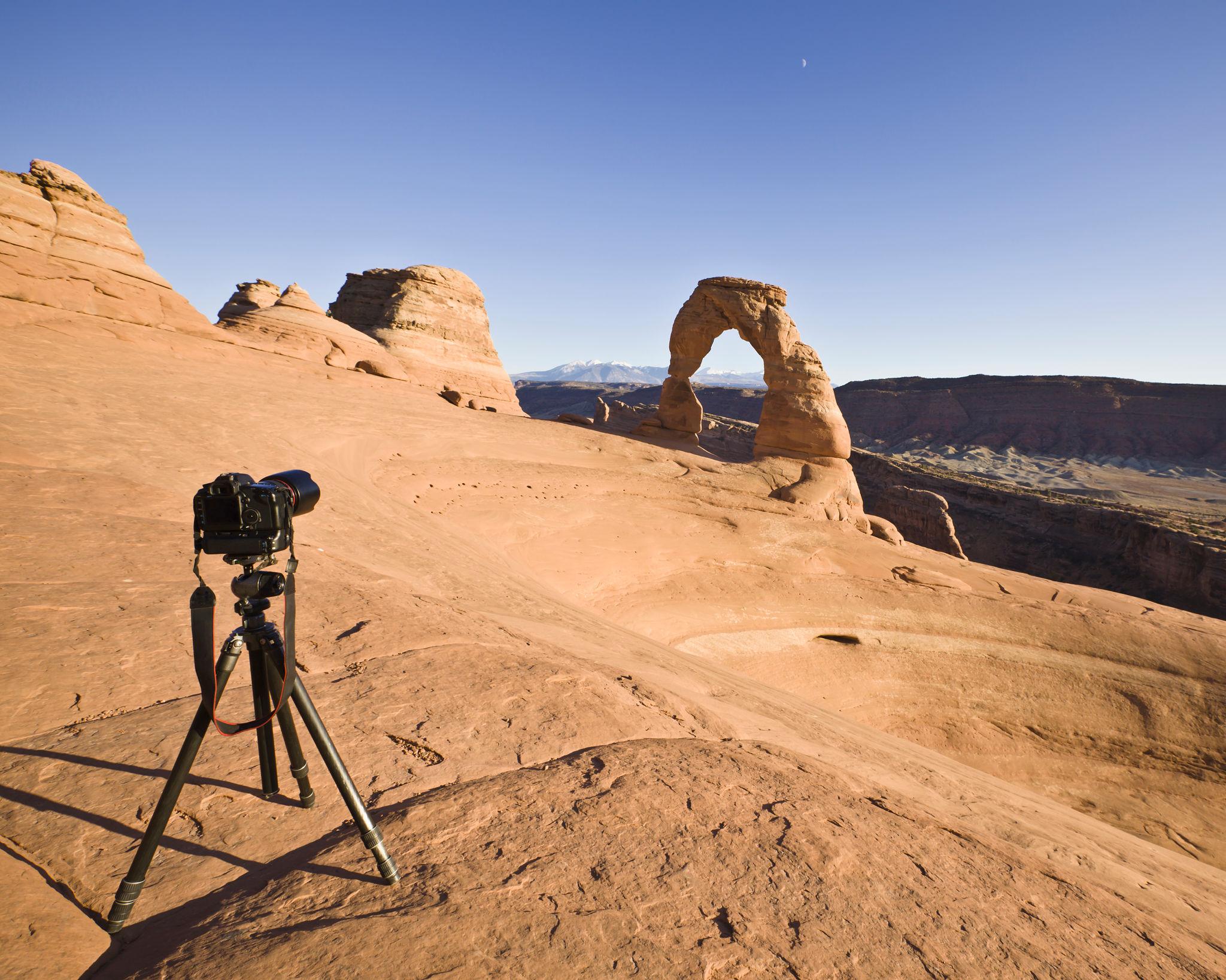
A camera can be a wonderful addition to a national park checklist, especially in landscapes where small details matter. This desert photography setup shows the value of patience.
My rule is balance: take the photograph, then put the camera away and actually look around.
I also avoid turning other visitors into scenery without permission. Parks are shared spaces, and everyone deserves to enjoy them without becoming part of someone else's content.
Cold-weather park preparation
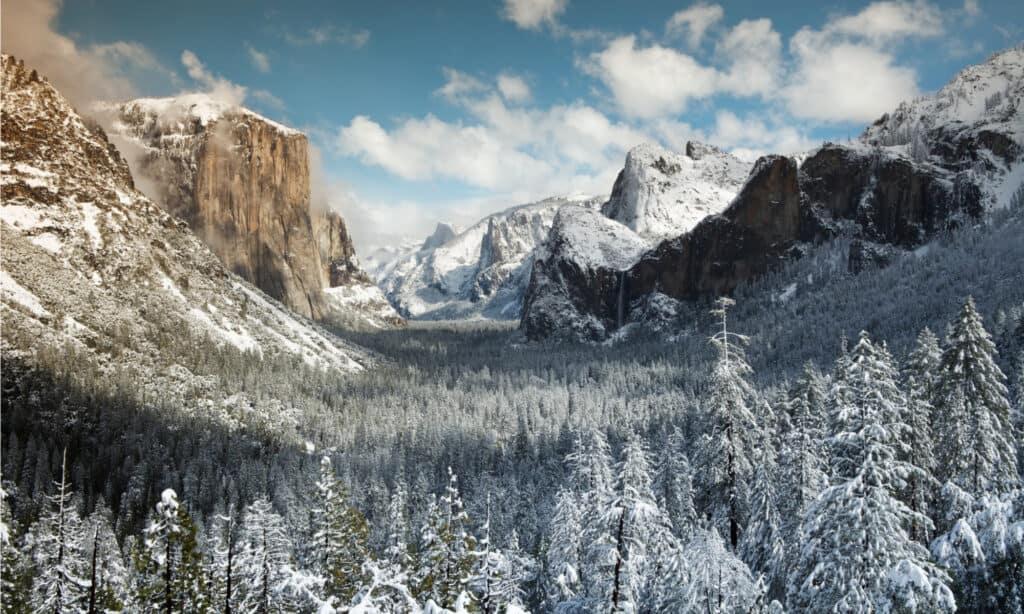
Winter landscapes require a different checklist. Snow changes distance, timing and comfort, even on familiar trails.
Cold-weather additions include:
- Warm gloves and spare dry layers.
- Extra food and water planning.
- More conservative timing.
I have visited enough cold places to know that discomfort arrives slowly. A forgotten warm layer seems minor at the trailhead and important later.
Hiking routes and family-friendly pacing
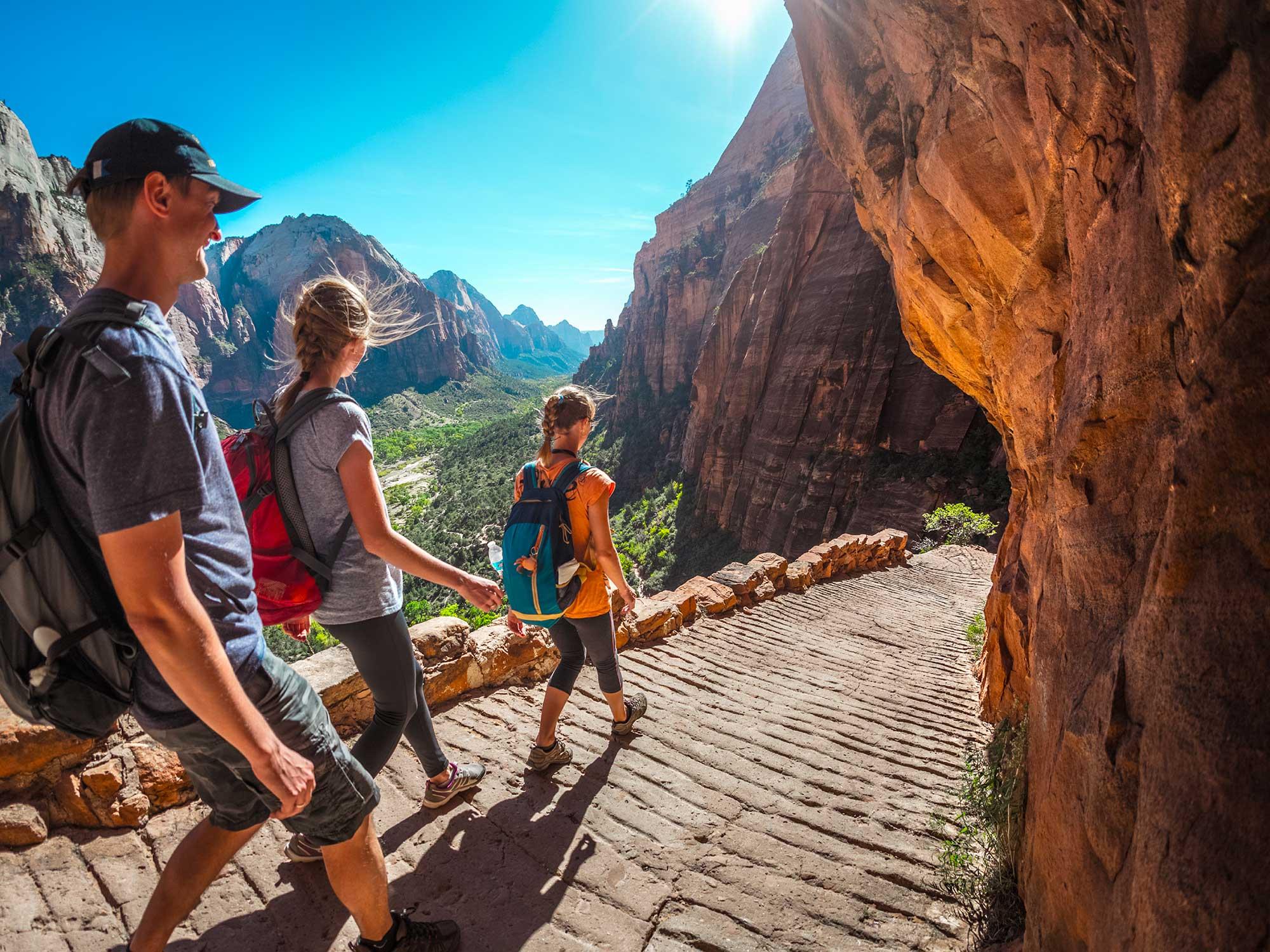
A canyon trail scene is a reminder that a national park checklist is also about choosing the right experience. Not every famous viewpoint requires the hardest route.
I look for:
- Trail length that matches the group.
- Rest points and shade.
- Clear turnaround points.
The best itinerary is the one people can enjoy. I would rather finish a shorter walk feeling good than squeeze in one more stop and remember only the exhaustion.
Leave no trace as the final checklist item
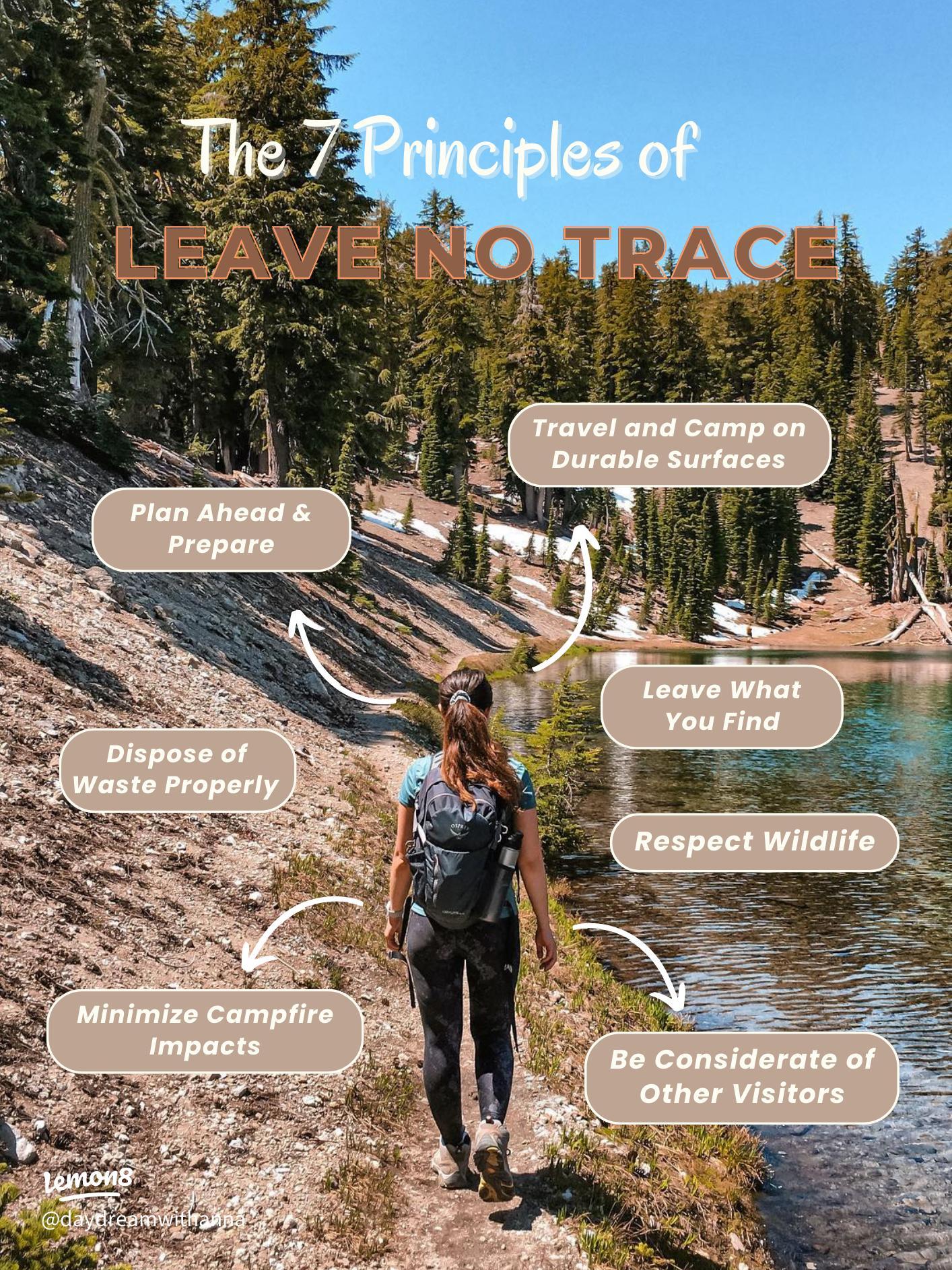
The final item is the habit that makes every other item worthwhile: leaving places as we found them. The seven principles shown here are a useful reminder that preparation includes responsibility.
My checklist ends with: pack out waste, stay on appropriate surfaces, respect wildlife and be considerate of other visitors.
Travel has taken me through around forty countries and much of the American West. The places I remember most are the ones where visitors treated them with care.
A checklist is not meant to make a national park trip complicated. It is there so the practical details are handled and the landscape gets your attention.





Your Questions, Answered
What should every US national park visitor pack?
I would start with water, layers, sun protection, navigation tools, snacks, a small first-aid kit and any required permits or reservations.
How do I make a national park checklist for different seasons?
Change the clothing, water planning and timing first. Summer desert visits and winter mountain visits need very different preparation.
What is the most overlooked national park checklist item?
A realistic turnaround time. Many visitors plan the route but forget that the return journey takes energy too.