A good Chicago weekend is less about squeezing in every famous name and more about arranging the city so your feet survive it. I built this two-day itinerary around the places I would actually choose after a visit: major sights, neighbourhood character, food worth stopping for, and enough breathing room to enjoy the city.
Lakefront skyline views: start with Chicago’s big picture
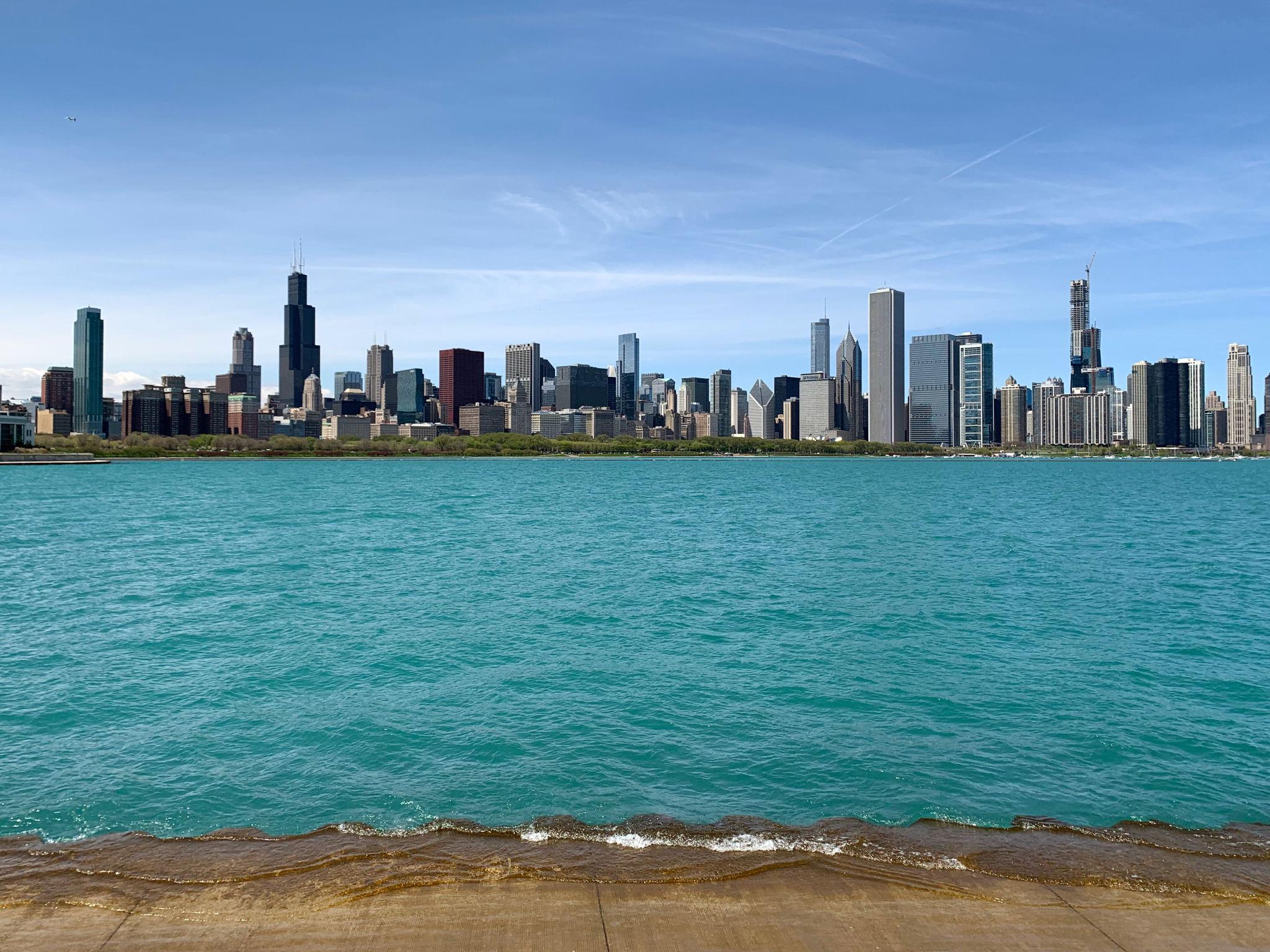
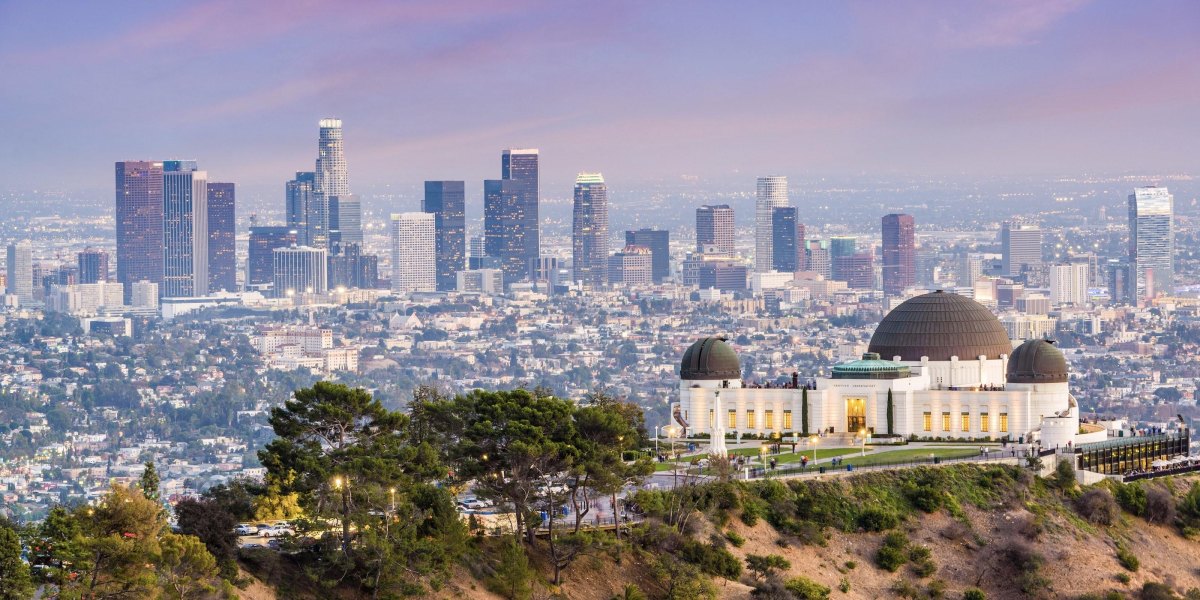
I always like to begin a city break with a view that explains the place. This Chicago 2 day itinerary starts with the lakefront because the relationship between the water and the towers is one of the city’s defining features.
Why it works: you get orientation before spending a day moving between neighbourhoods. The skyline gives you a mental map, from the taller downtown buildings to the long stretch of shoreline.
- Best for: first-time visitors who want a calm opening.
- Time needed: around 45 minutes to an hour for a relaxed stop.
- My tip: wear comfortable shoes. Chicago distances look smaller on a map than they feel after several hours outside.
I have learned from years of travel planning that the first stop should reduce confusion, not add to it. A viewpoint does exactly that.
A classic downtown landmark: the bean-shaped public artwork
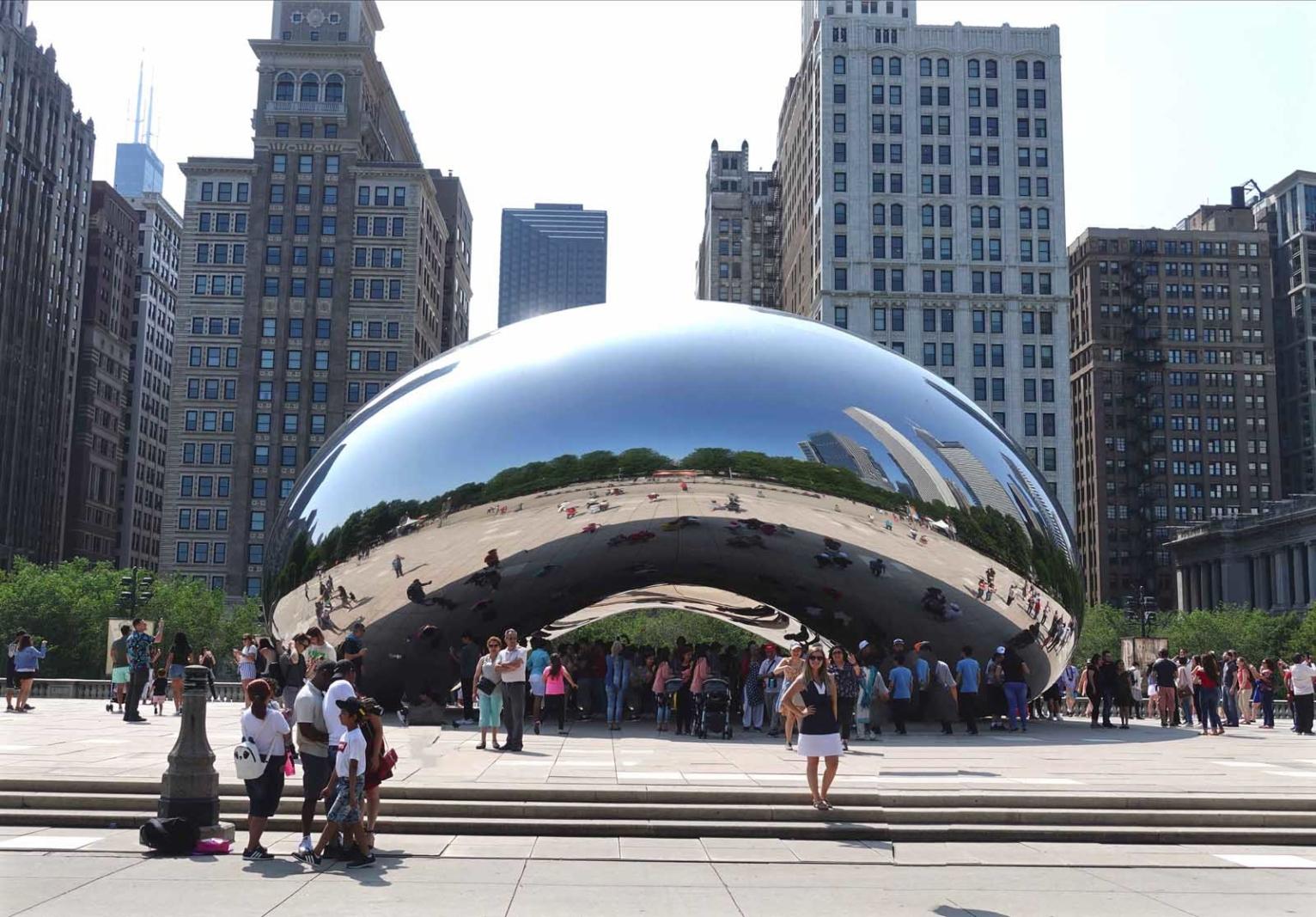
The famous reflective sculpture in the city park is an easy inclusion in a short Chicago visit because it combines architecture, public space and the city’s playful side.
Why it earns a place: it is quick to visit, central, and surrounded by other attractions. I prefer sights like this in a two-day plan because they do not demand an entire afternoon.
My travel rule is simple: spend your limited hours on experiences that give you more than one thing. A landmark, a walk and a neighbourhood nearby is a better deal than a single photo stop.
Go early if you prefer fewer crowds, and take time to look around rather than arriving, photographing, and leaving immediately.
Riverfront architecture: a slower side of the city
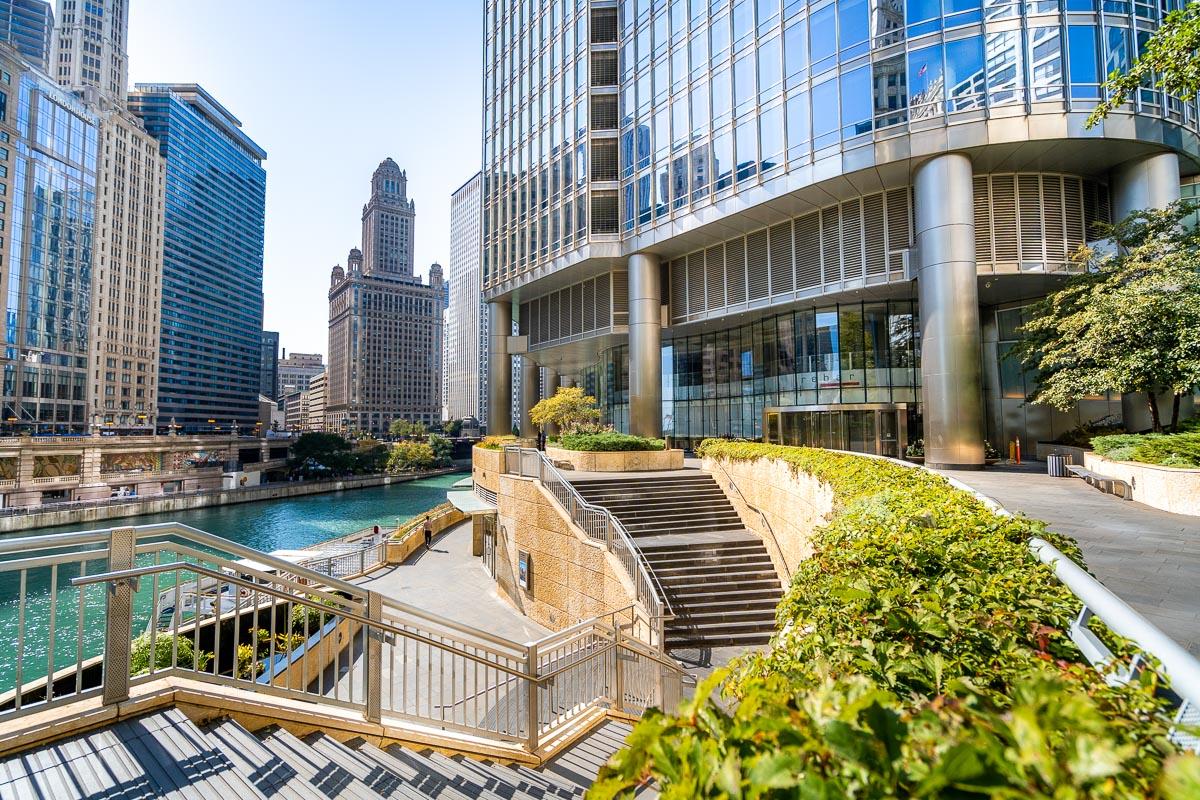
The riverfront section of a Chicago itinerary adds a different rhythm. Instead of looking upward all day, you start noticing bridges, building details and the way the city uses its waterways.
What makes this stop valuable: it is an easy walking break between major attractions. I like these in-between moments because they often become the parts I remember.
- Walk without rushing.
- Look for changing views as the streets turn.
- Keep an hour spare for an unplanned coffee or snack stop.
This is the kind of practical pacing I use when planning my own trips. A packed schedule sounds impressive until every delay becomes a problem.
Art and culture stop: give yourself indoor time
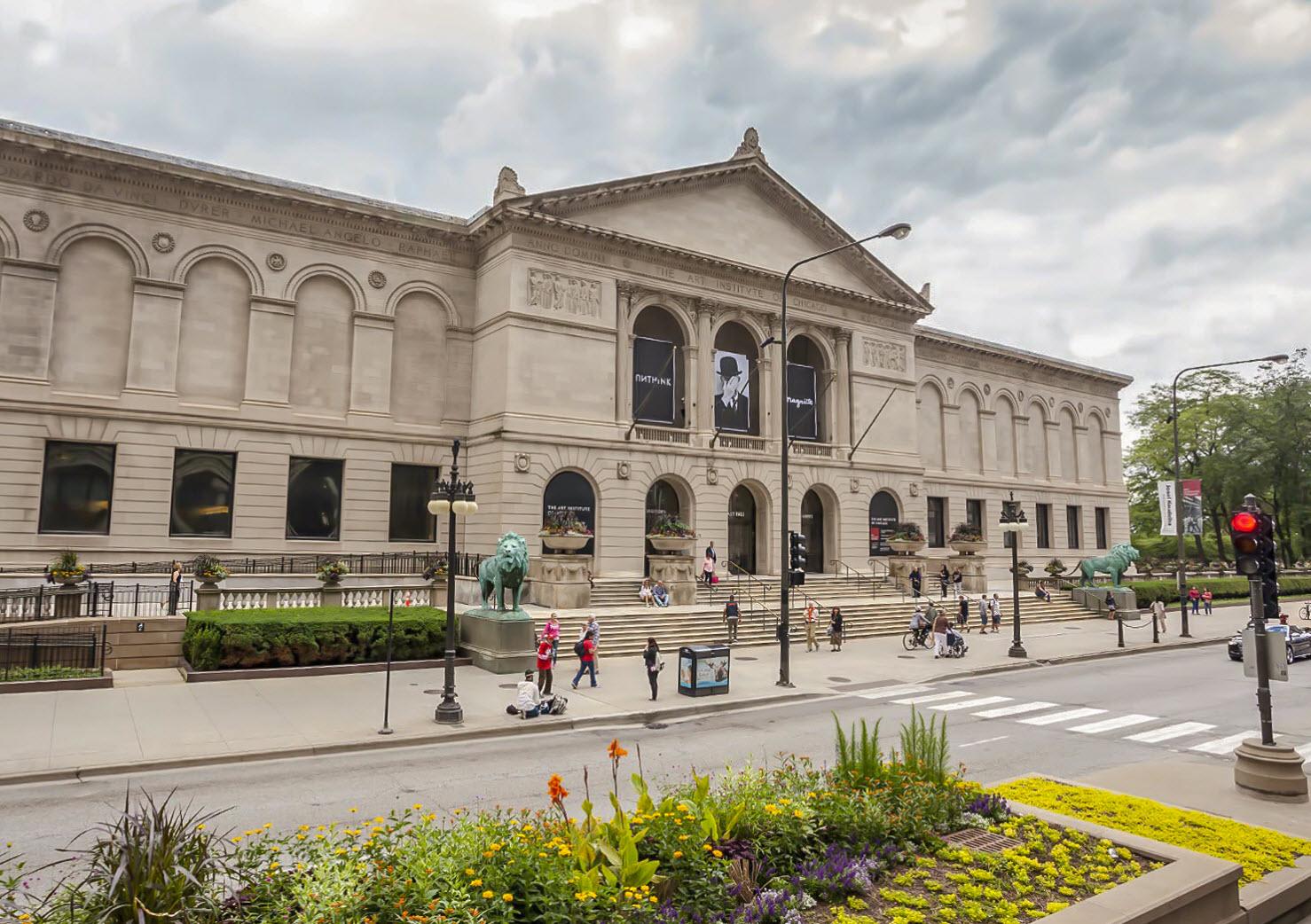
A two-day Chicago plan needs at least one indoor cultural stop. The grand museum setting shown here represents the city’s strong museum tradition and works well when weather is unpredictable.
Who will enjoy it: travellers who like history, art or simply a slower change of pace after walking downtown.
I never plan every hour outdoors. Rain, wind and tired legs are normal travel ingredients, especially in cities with changing weather. Having a museum option keeps the day enjoyable instead of turning into a checklist.
My suggestion is to choose one major museum rather than trying to collect several. A rushed museum visit usually leaves me remembering the queue more than the exhibits.
Deep dish pizza: make dinner a Chicago experience

Food is part of the itinerary, not a reward after the itinerary. For many visitors, trying Chicago-style deep dish pizza is a simple way to connect with the city’s food identity.
How I would plan it: make this a seated meal and allow extra time. Deep dish is not a quick slice grabbed while walking between attractions.
- Good fit: couples, families and anyone who enjoys a hearty meal.
- Plan around: your evening schedule, because a filling dinner changes the pace of the night.
I have travelled enough to know that local classics are sometimes touristy for a reason. The trick is not avoiding popular things; it is choosing them deliberately.
Historic downtown streets and grand buildings
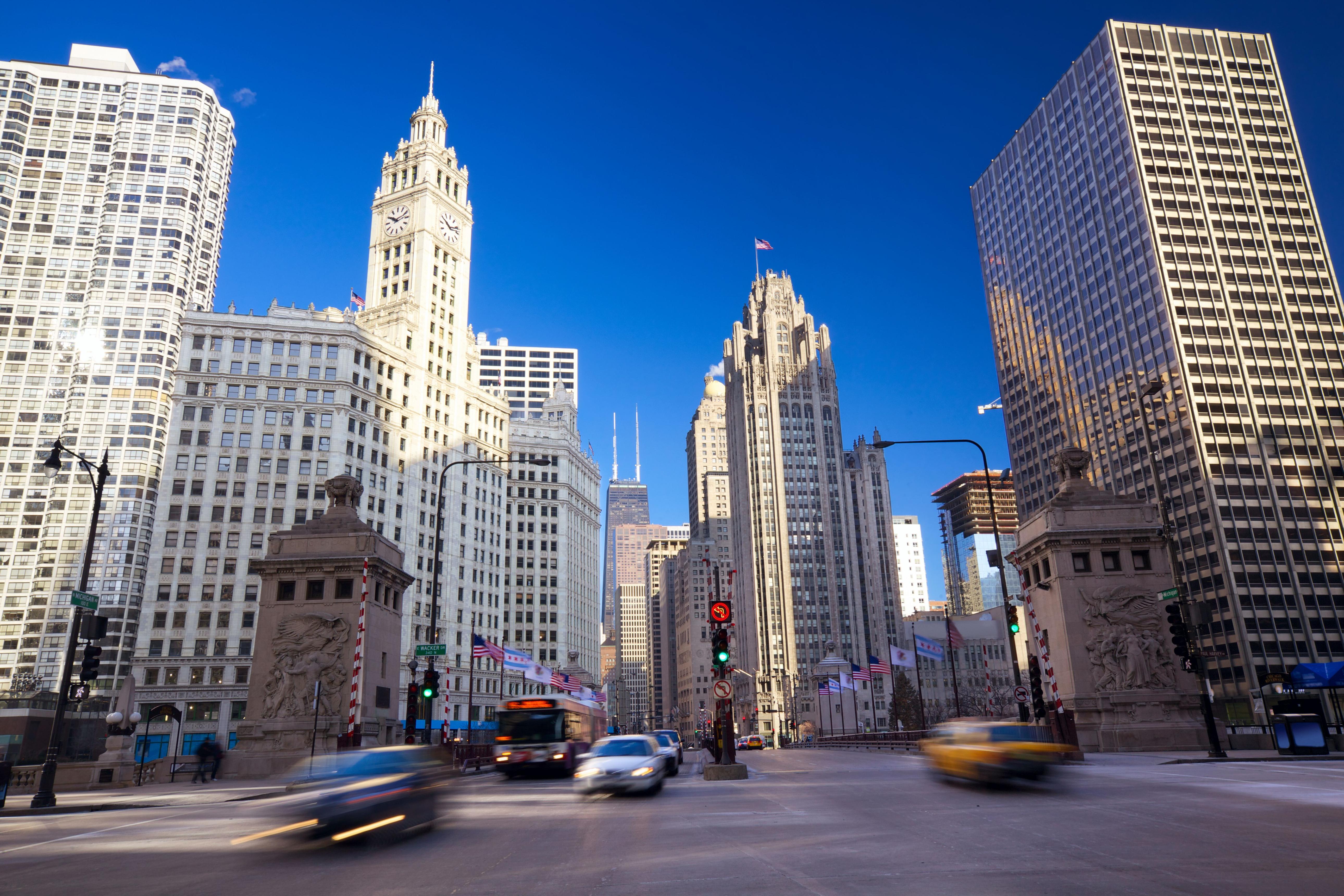
This style of downtown walk is where Chicago’s older architecture becomes part of the experience. I like adding a street-level exploration period instead of moving only between ticketed attractions.
Why it works: you can see how the city developed, with older buildings sitting beside modern towers.
For a two-day itinerary, I would place this between larger stops. It is flexible, which matters when a café takes longer than expected or your morning starts slowly.
My notebooks from past trips are full of these small adjustments. The best itineraries are plans with room to breathe, not military operations.
Navy Pier style waterfront entertainment
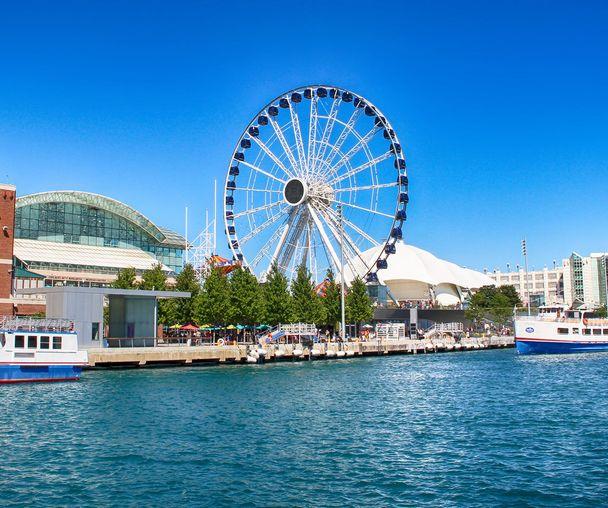
A waterfront entertainment area can be a useful final stop because it offers a different mood from museums and skyscrapers. This kind of attraction is especially suitable for visitors travelling with children or anyone wanting an easy evening walk.
Choose it for: views, casual wandering and a lighter finish to the day.
I would not make every Chicago hour revolve around attractions. Some places work best as a simple stroll where you decide your pace when you arrive.
If you prefer quieter evenings, shorten this stop and spend more time walking nearby streets instead.
A grand museum building: add one focused cultural visit
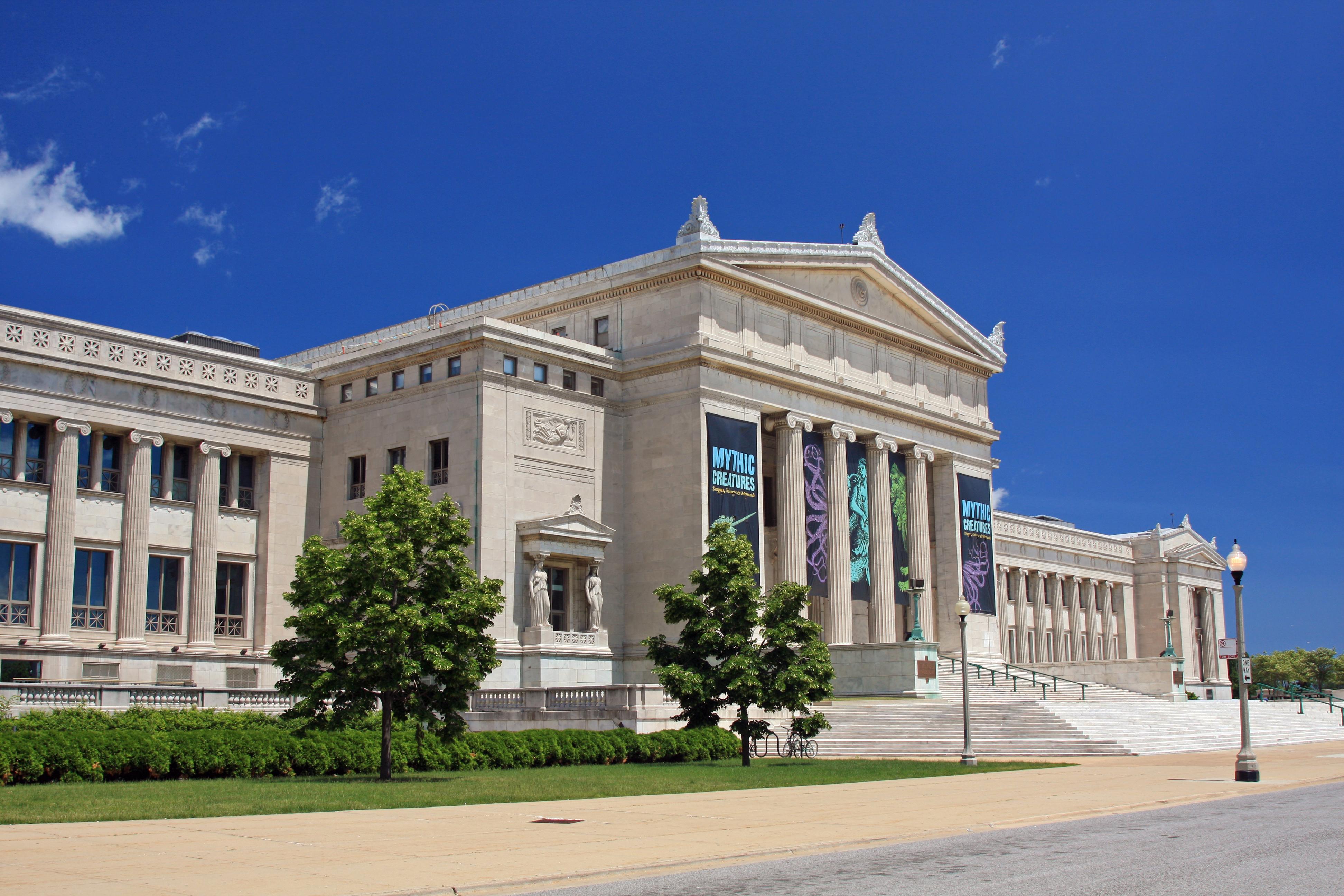
This monumental museum-style building represents another useful choice for a Chicago 2 day itinerary: picking one impressive cultural institution and giving it proper attention.
My approach: I would rather visit one place well than rush through three. That leaves energy for dinner, neighbourhood walks and the unexpected moments that make a trip feel personal.
Check current admission details before travelling because museum policies change. I keep notes for my own trips, but official sources are always the final word for prices and opening information.
Skyline observation: pay for the view if it suits you
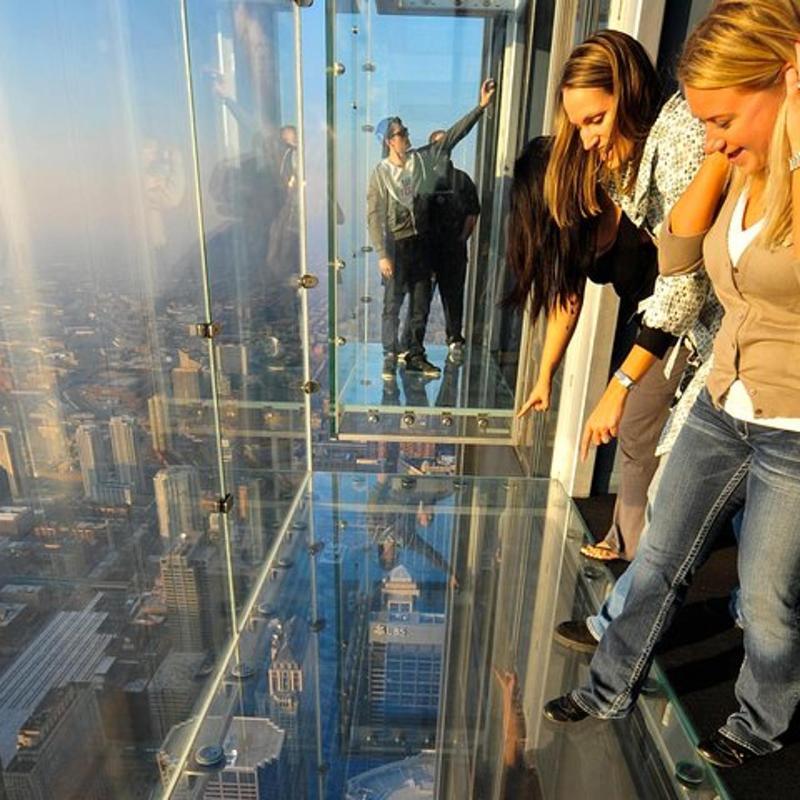
An elevated viewpoint can be worth adding when you want the city’s scale explained from above. This is the kind of optional extra I consider based on weather and budget.
Worth it when: skies are clear and you enjoy photography or city geography.
Skip it when: your schedule is already crowded or you have similar views planned.
I have learned that the most expensive attraction is not always the most memorable one. Sometimes a long walk and a good meal win.
Chicago elevated trains: the practical way to connect stops
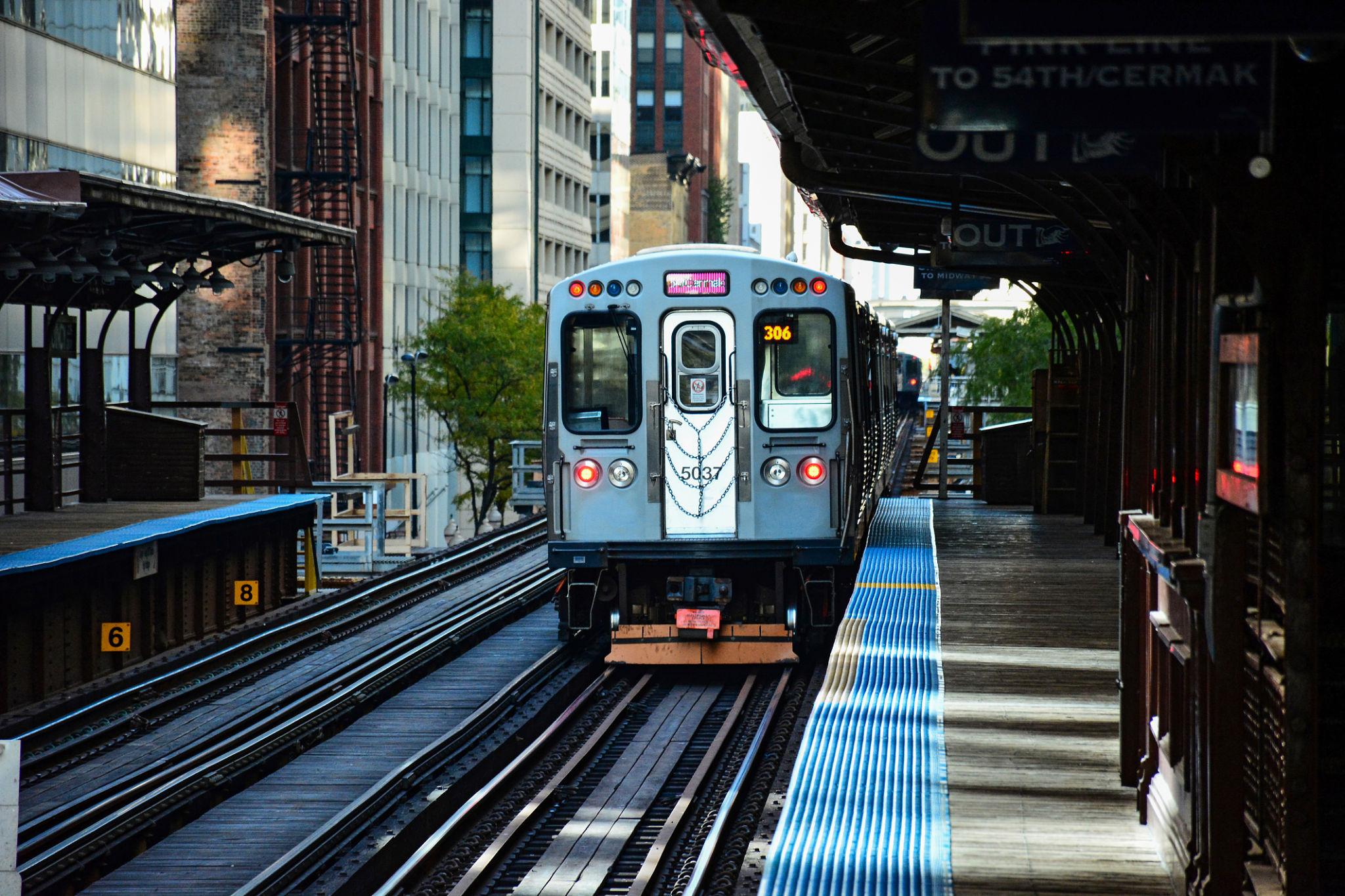
The city’s elevated train system is a useful reminder that a Chicago visit is not just about destinations but about connecting them. I spent twelve years working in rider information and service planning, so I naturally notice the small details that make getting around easier.
For a two-day visit: group nearby sights together and avoid crisscrossing the city repeatedly. Check current fares and service updates before travelling because transport details change.
- Keep walking distances realistic.
- Leave buffer time between timed attractions.
- Have a backup plan if weather slows you down.
Good transport planning is not glamorous, but it is the difference between seeing a city and spending your day recovering from logistics.
My ideal Chicago weekend has a clear structure but enough room for the city to surprise me. Pick the sights that matter most, leave space between them, and the two days will feel much longer than a rushed checklist.





Your Questions, Answered
How should I split a Chicago trip over two days?
I would combine downtown highlights and lakefront views on one day, then use the second day for culture, food and slower neighbourhood exploring.
Can I do Chicago without a car?
Yes, for a short city visit many travellers can combine walking and public transport. Check current service information before travelling.
What should I not overpack into two days?
I would avoid scheduling every famous attraction. Travel time, queues and meals take more space than many first plans allow.