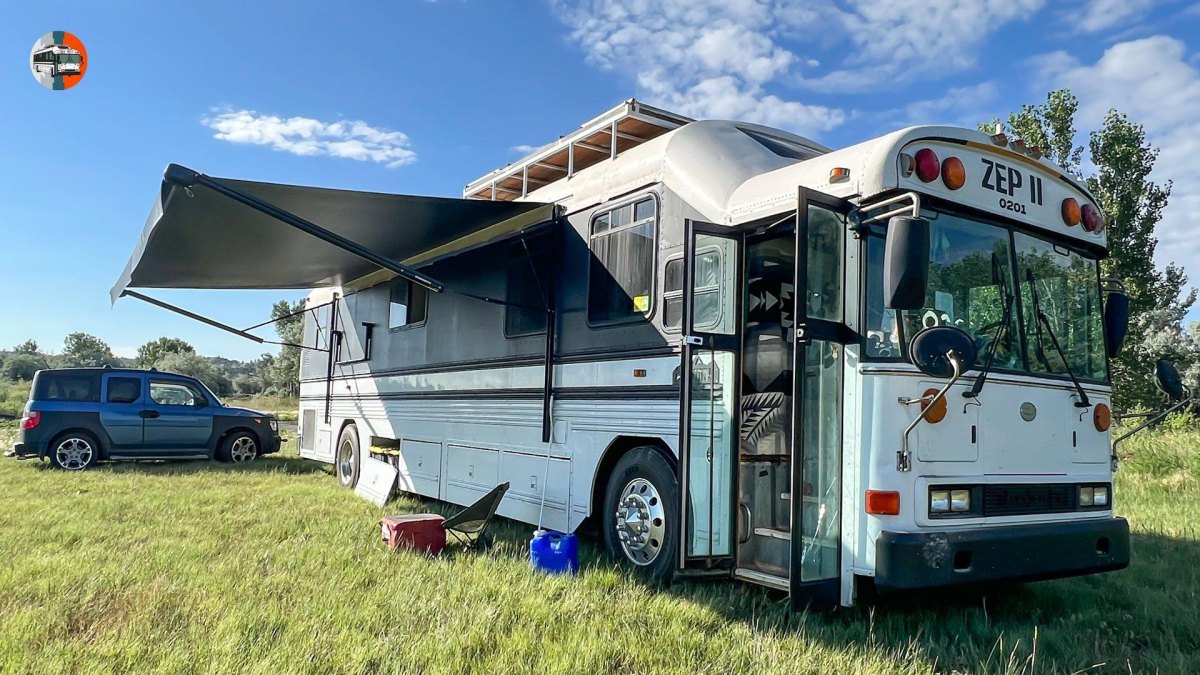
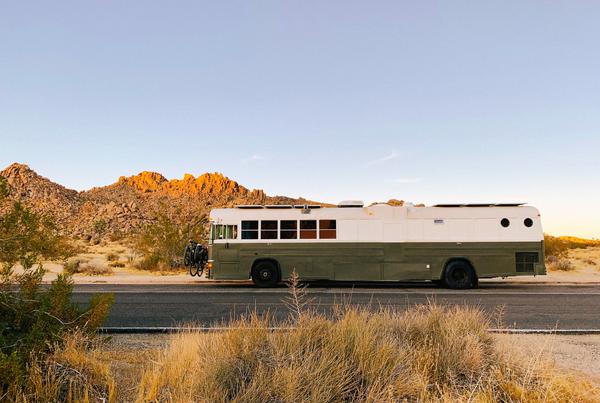
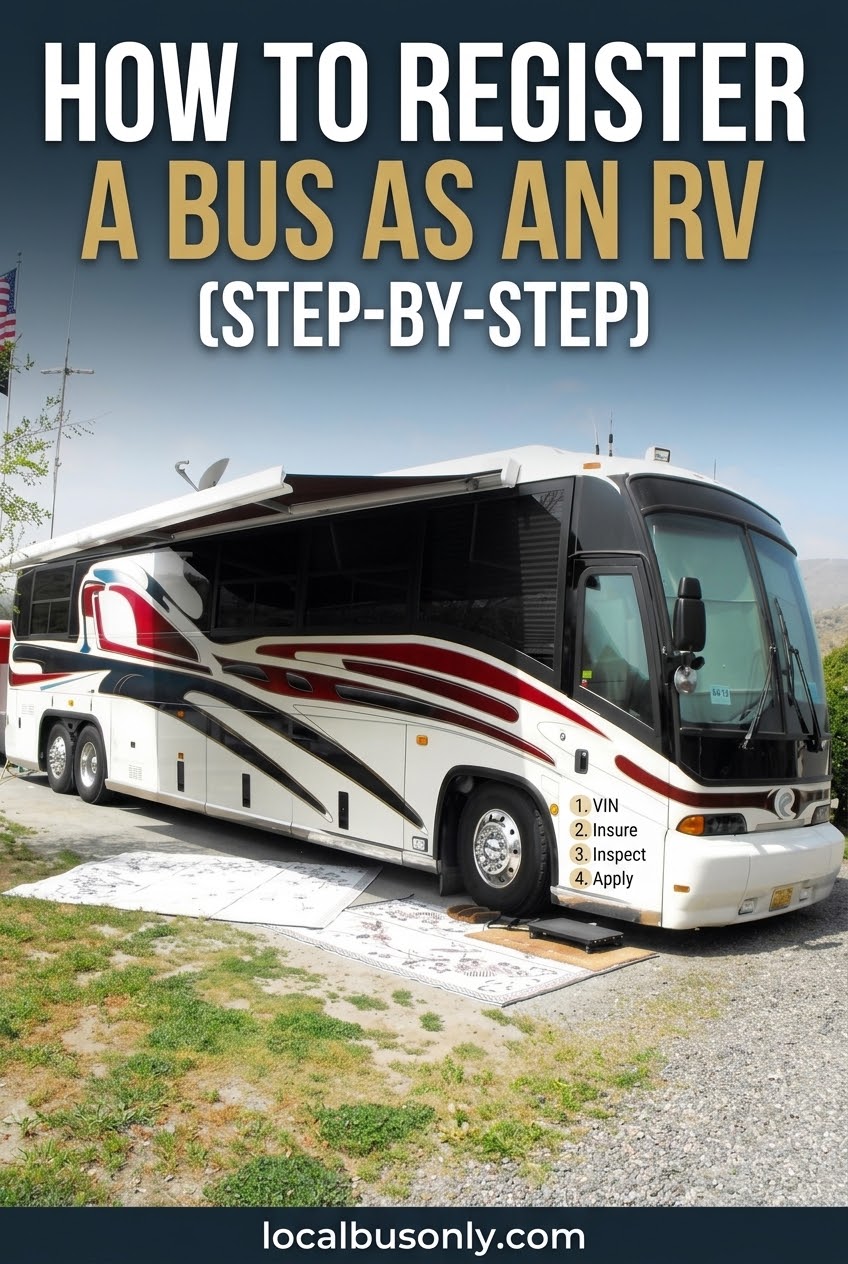
Turning a retired bus into a home on wheels sounds simple until the paperwork starts. I have seen plenty of vehicle projects become complicated because the owner built first and checked the registration requirements later.
This guide explains the process I would follow, from preparing the conversion to completing the title change. Rules vary by location, so I always check the local motor vehicle authority before making permanent changes.
Understanding Bus-to-RV Registration Requirements
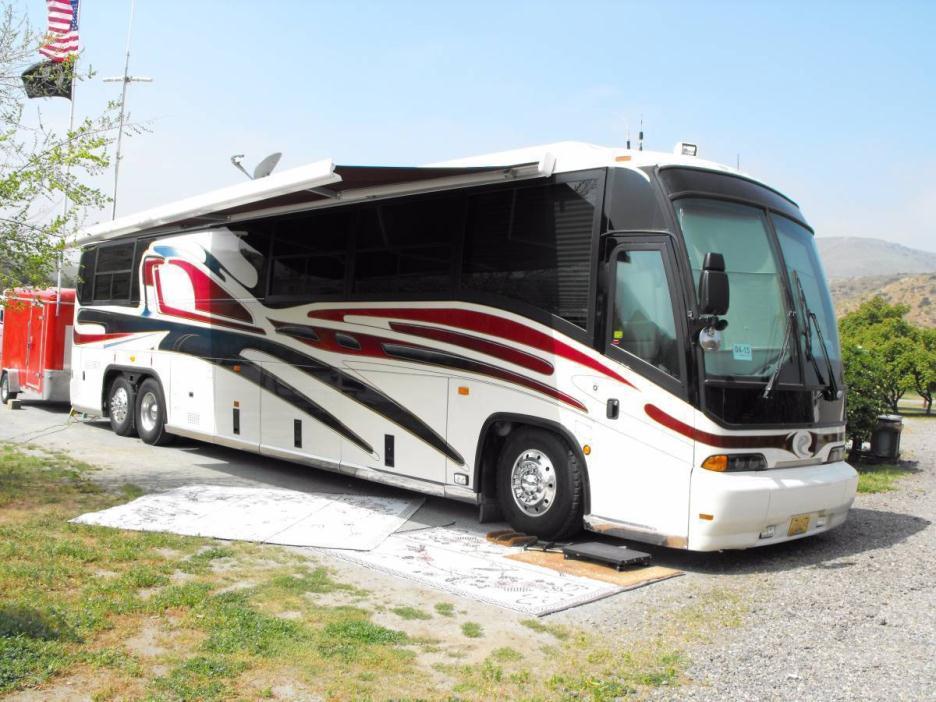
Quick summary
- A bus must usually be reclassified from passenger or commercial use to recreational use.
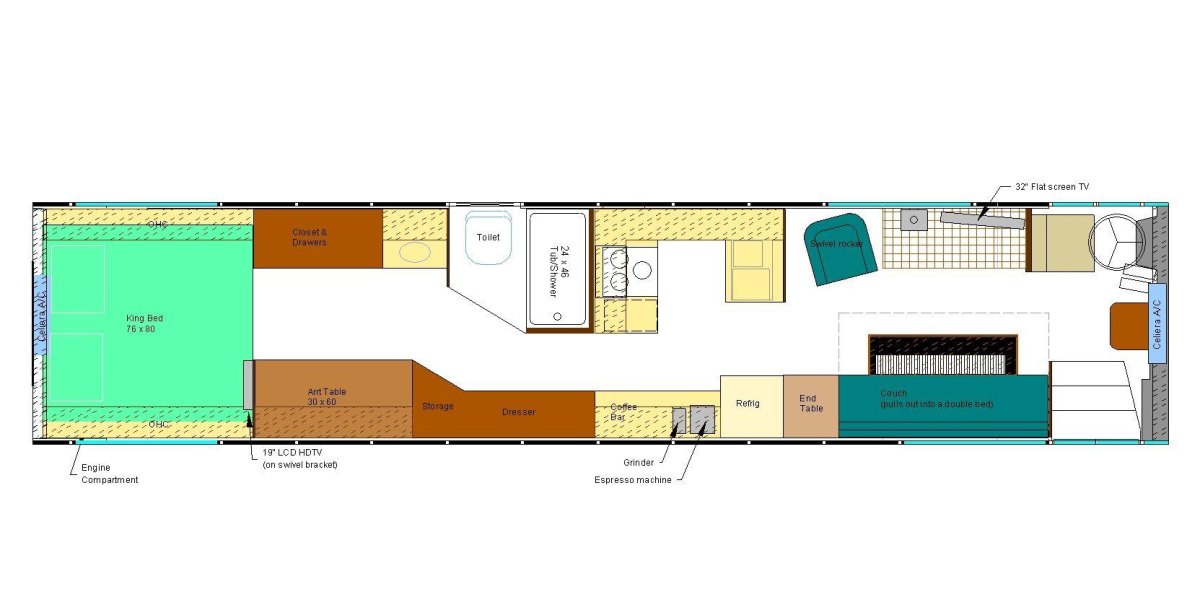
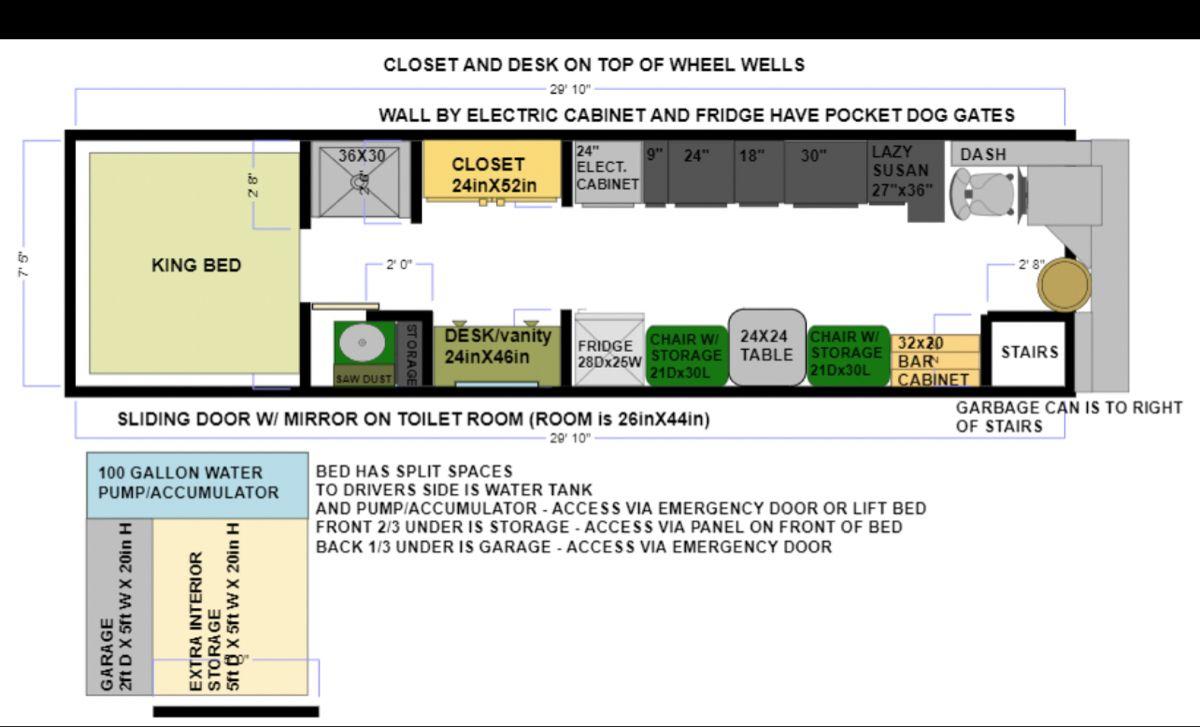
- The conversion must include features that your registration authority recognizes as living accommodation.
The first step is finding out what your local authority considers an RV. In many places, a converted vehicle needs permanent living features rather than loose camping equipment. For example, Virginia requires a motor home to include at least four permanently installed life support systems such as cooking, water, toilet, refrigeration, climate control, or electrical supply.
I would make a checklist before buying cabinets or appliances because state definitions differ. Some regions focus on interior equipment, while others also consider exterior appearance and documentation. The UK DVLA, for example, asks for evidence of both internal and external motor caravan features when changing a vehicle description.
Preparing Your Bus for RV Conversion Inspection
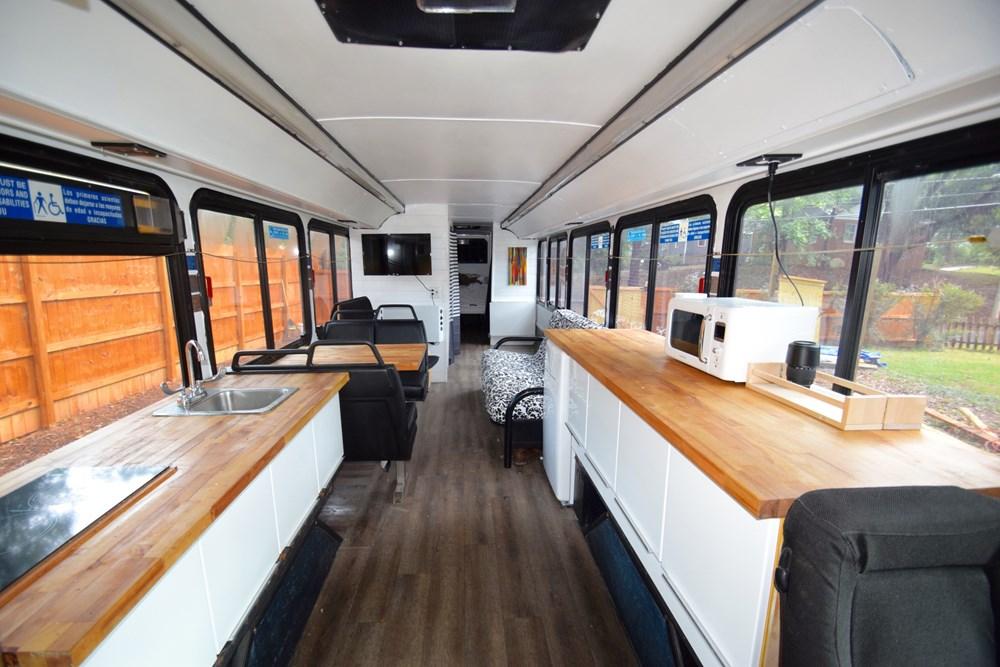
- Plan. Confirm the required RV features before installing permanent fixtures.
- Build. Secure furniture, utilities, and systems so they are suitable for vehicle use.
- Document. Photograph the finished conversion and keep receipts and technical records.
I treat inspection preparation like packing for a long journey: I want proof of everything. A folder with photos, invoices, diagrams, and component details can save a lot of back-and-forth. Some authorities specifically request photos showing completed conversion features and vehicle identification details.
The biggest mistake I see is making a beautiful tiny home that still looks like a bus inside the paperwork system. Permanent installations matter, especially for cooking, sleeping, storage, water, and electrical systems.
Common mistake
Do not assume a removable camp setup will qualify as an RV conversion. Check the inspection rules before spending money.
Meeting Legal and Safety Standards for RV Classification
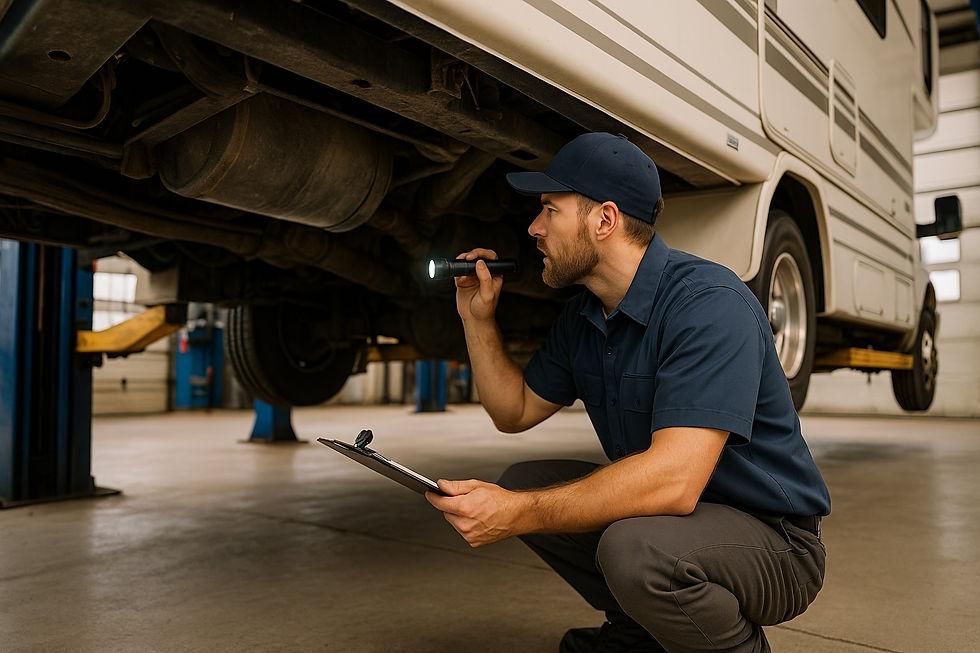
A converted bus is still a road vehicle, not just a small house. Inspectors may look closely at weight, structure, electrical work, fuel systems, and modifications that affect safety. Transport Victoria notes that motorhome conversions involving gas or electrical systems require careful compliance with vehicle standards.
| Area | What to check |
|---|---|
| Structure | Confirm modifications do not weaken the vehicle. |
| Electrical | Use safe installation methods and suitable components. |
| Weight | Keep the finished vehicle within allowed limits. |
I am always more cautious with hidden systems than visible furniture. A cabinet can be rebuilt; a poorly installed electrical or gas system can create serious problems. Safety documentation is worth keeping from the first day of the build.
Completing the Bus Registration Process as an RV
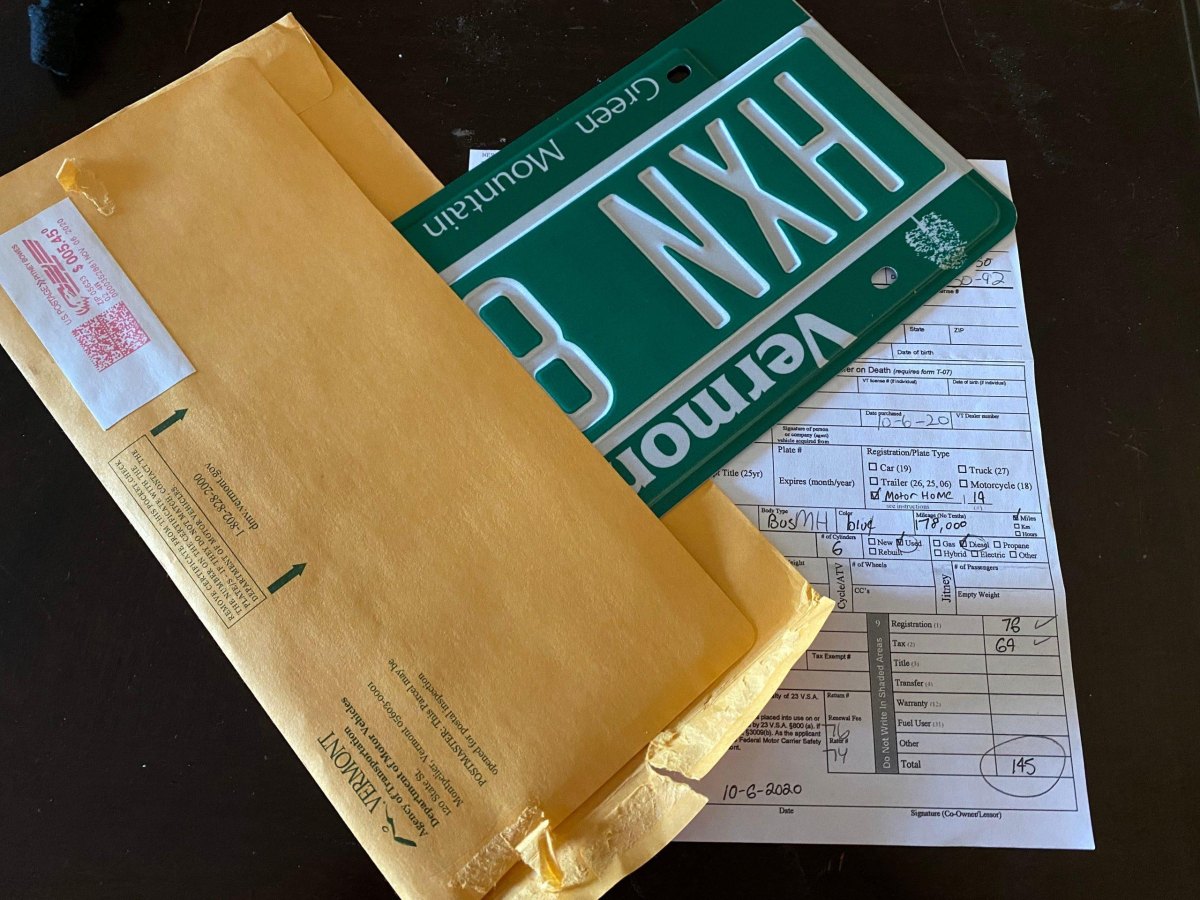
- Title: Update the vehicle classification if required by your jurisdiction.
- Inspection: Complete any required conversion or safety inspection.
- Evidence: Submit forms, photos, and supporting documents.
- Insurance: Arrange coverage that matches the new vehicle use.
The exact paperwork depends on where the bus is registered, but the pattern is usually similar: prove the conversion, pass any inspection, then update the registration record. Some agencies require a formal approval process before changing a vehicle description.
I would not schedule a first trip immediately after submitting paperwork. Give yourself time for corrections because registration offices vary in what they request and how they review conversions.
My practical tip
Call the registration office before the build begins. Ten minutes of questions can prevent months of rebuilding.
Maintaining Your Registered Bus RV for Travel
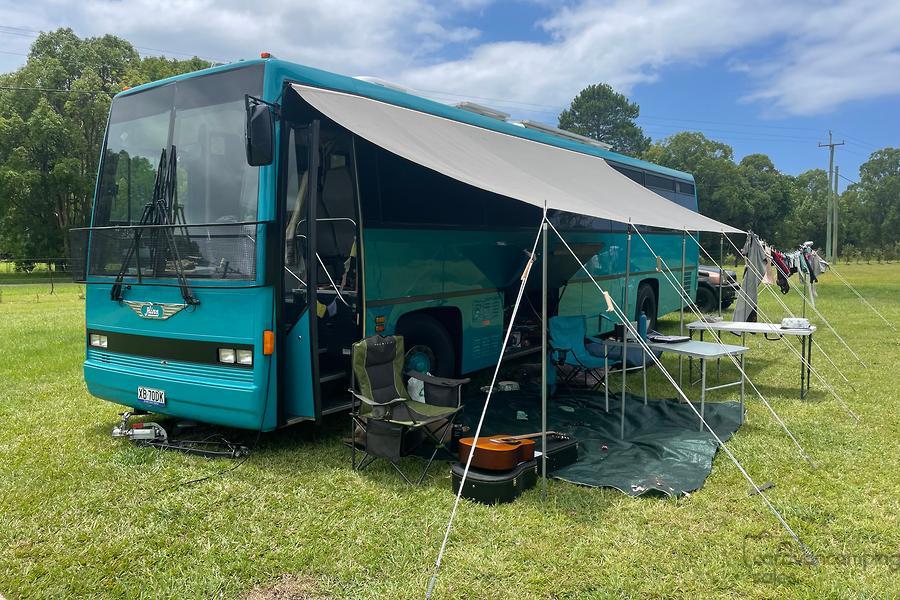
- Check tires, brakes, and suspension regularly.
- Inspect water, electrical, and fuel systems before trips.
- Keep registration and conversion documents accessible.
- Review weight limits after adding new equipment.
Once the bus is registered as an RV, the work changes from approval to upkeep. I like a simple pre-trip inspection because large vehicles reveal small problems slowly. A loose fitting or overloaded storage area can become a much bigger issue after a few hundred miles.
The best converted buses are not the ones with the most features. They are the ones where the owner understands every system. Regular maintenance habits will do more for reliable travel than adding another gadget to the build.