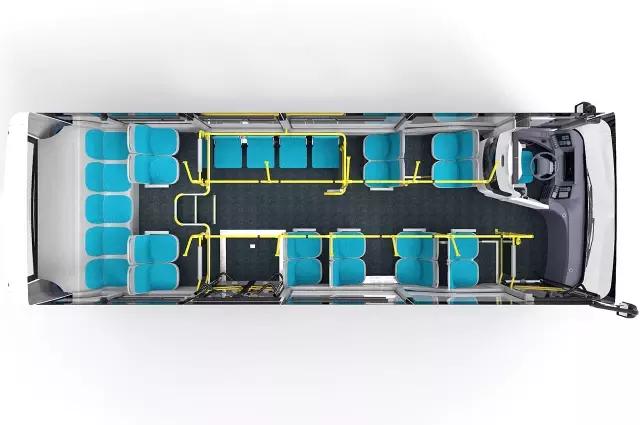
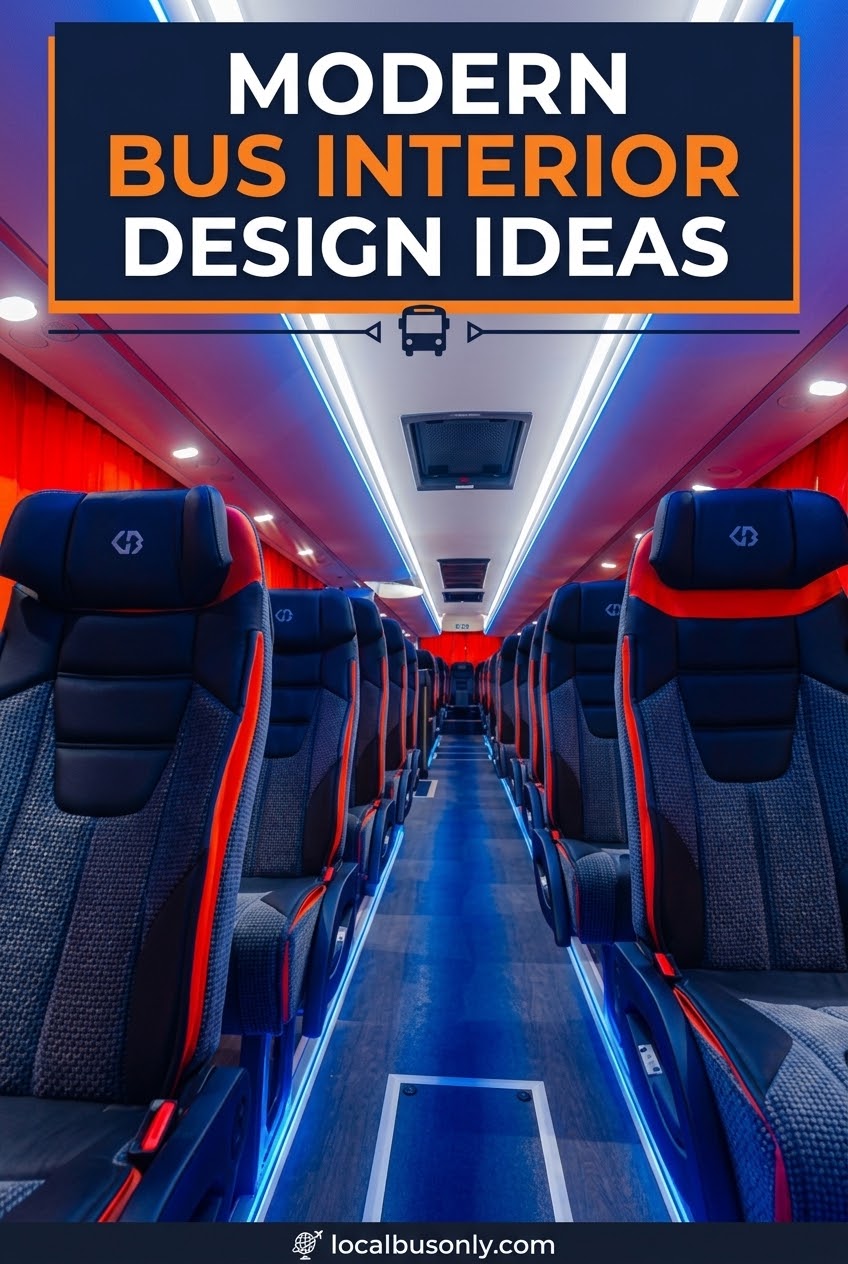
I have always noticed that a bus interior can change the entire journey. The best designs are not just attractive; they make boarding easier, sitting more comfortable, and long rides less tiring. These are the ideas I would borrow when planning a practical and welcoming bus space.
Modern Minimalist Bus Interiors
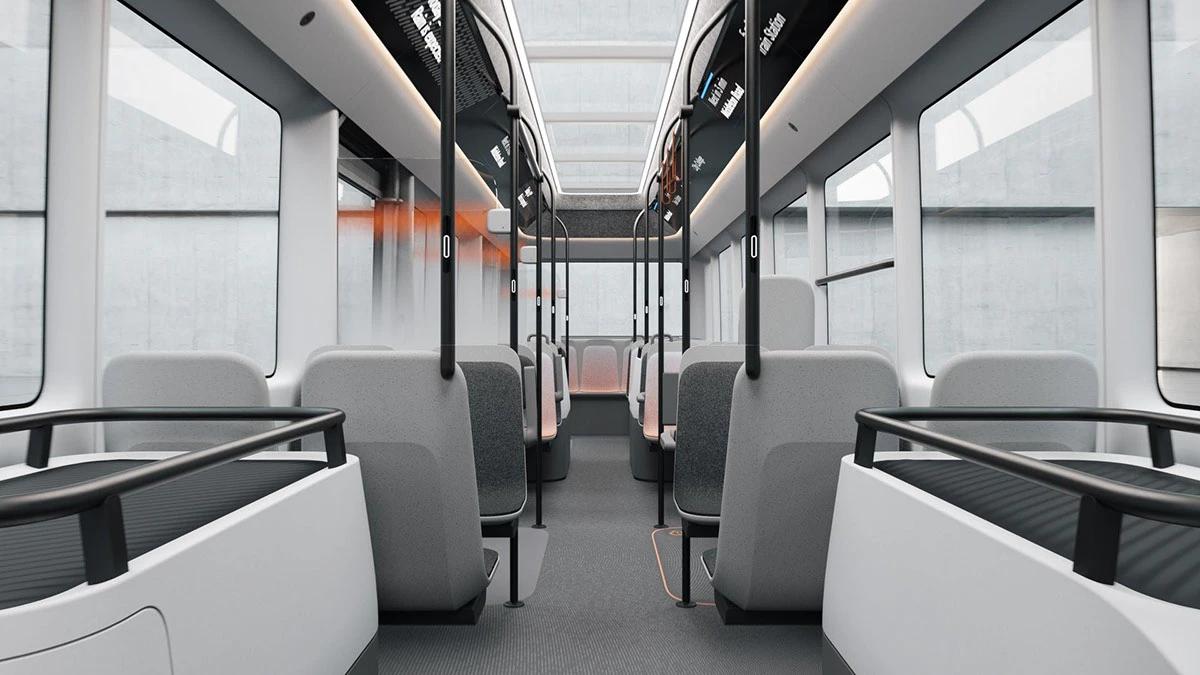
Minimalist bus interiors focus on clean visual balance, open movement paths, and materials that are easy to maintain. I like this approach because it avoids the feeling of a crowded cabin while still keeping the essentials within reach.
Current interior trends are moving toward thoughtful passenger experiences, combining simple design with technology and sustainable choices. A neutral palette, hidden storage, and consistent finishes can make even a smaller bus feel more spacious.
Luxury Coach Interior Concepts
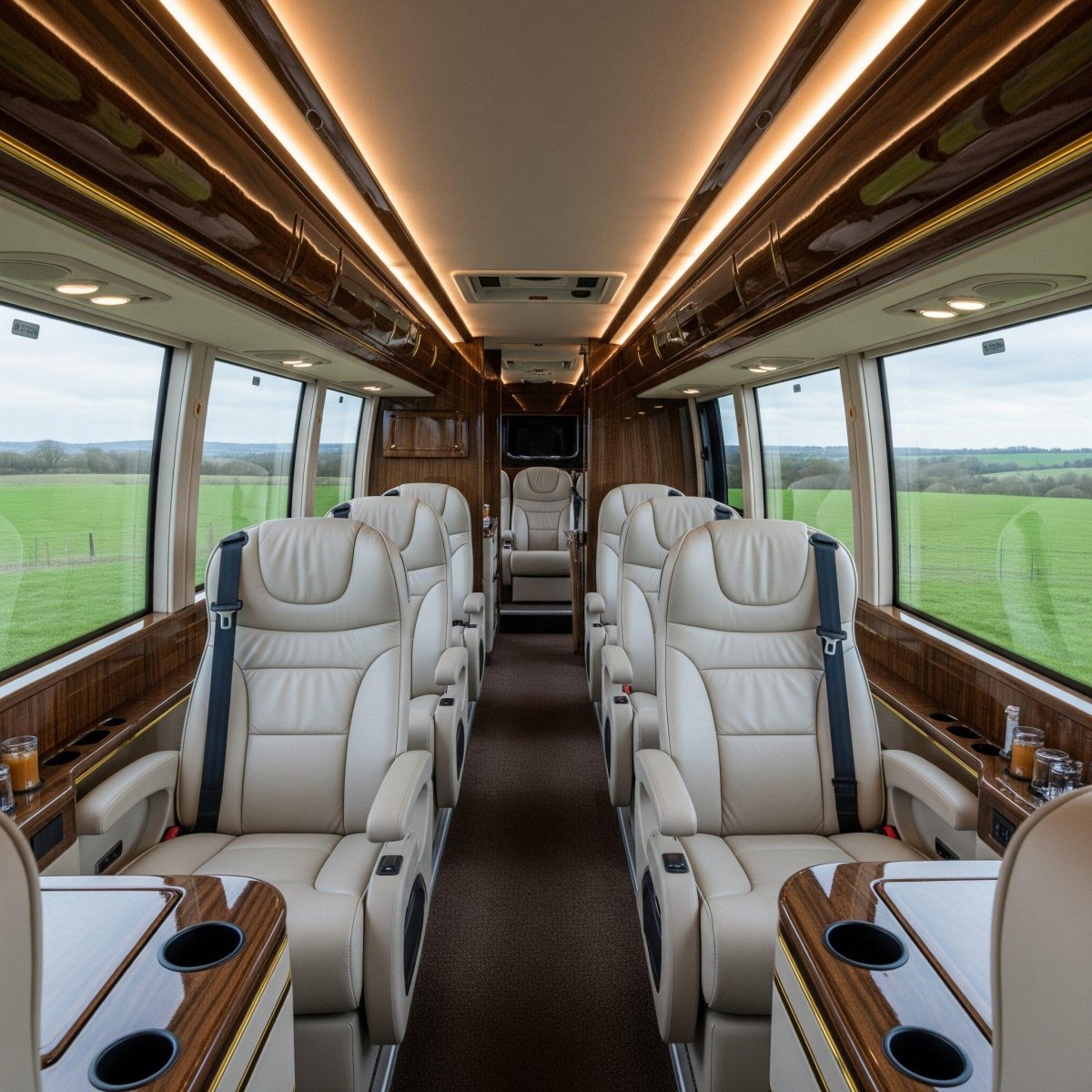
Luxury coach design is about creating a feeling usually associated with premium travel. I would start with ergonomic seating, quality fabrics, and lighting that feels welcoming rather than flashy.
Many modern coaches now include features such as individual reading lights, charging points, entertainment systems, and ambient lighting to improve longer journeys. The trick is choosing upgrades that passengers actually use instead of adding decoration that only looks impressive.
Advantages
- Creates a premium passenger experience
- Supports longer-distance comfort
Challenges
- Higher material and maintenance costs
- Requires careful space planning
Eco-Friendly Bus Interior Designs
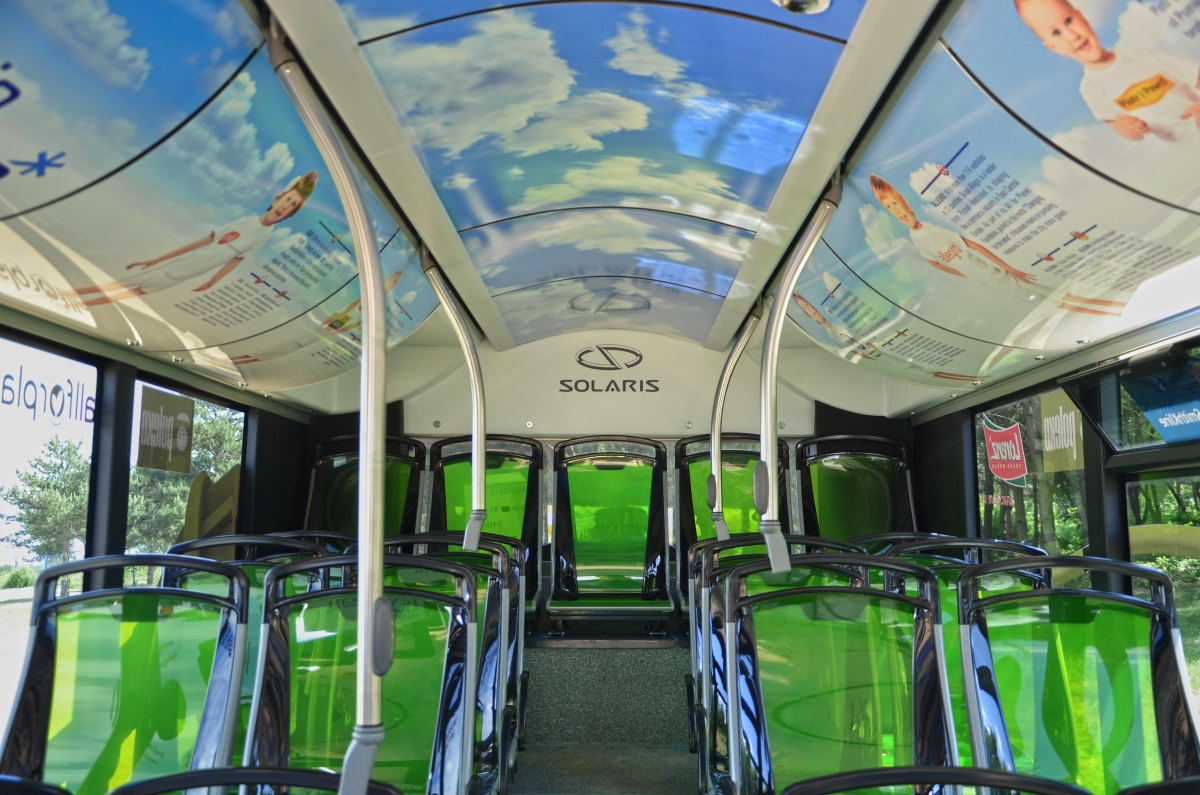
Eco-friendly interiors are becoming more common as operators look for durable alternatives. I would consider sustainable materials such as recycled fabrics, efficient finishes, and lightweight components that can reduce waste over the vehicle’s life.
Recent electric bus projects have introduced materials such as recycled-content upholstery and lower-impact interior solutions alongside cleaner vehicle technology. Good sustainable design should also be practical: a seat cover that looks good but cannot handle daily cleaning is not a sensible choice.
Design tip
Choose materials based on lifespan and repairability, not only their environmental label.
Comfortable Seating and Passenger Layouts
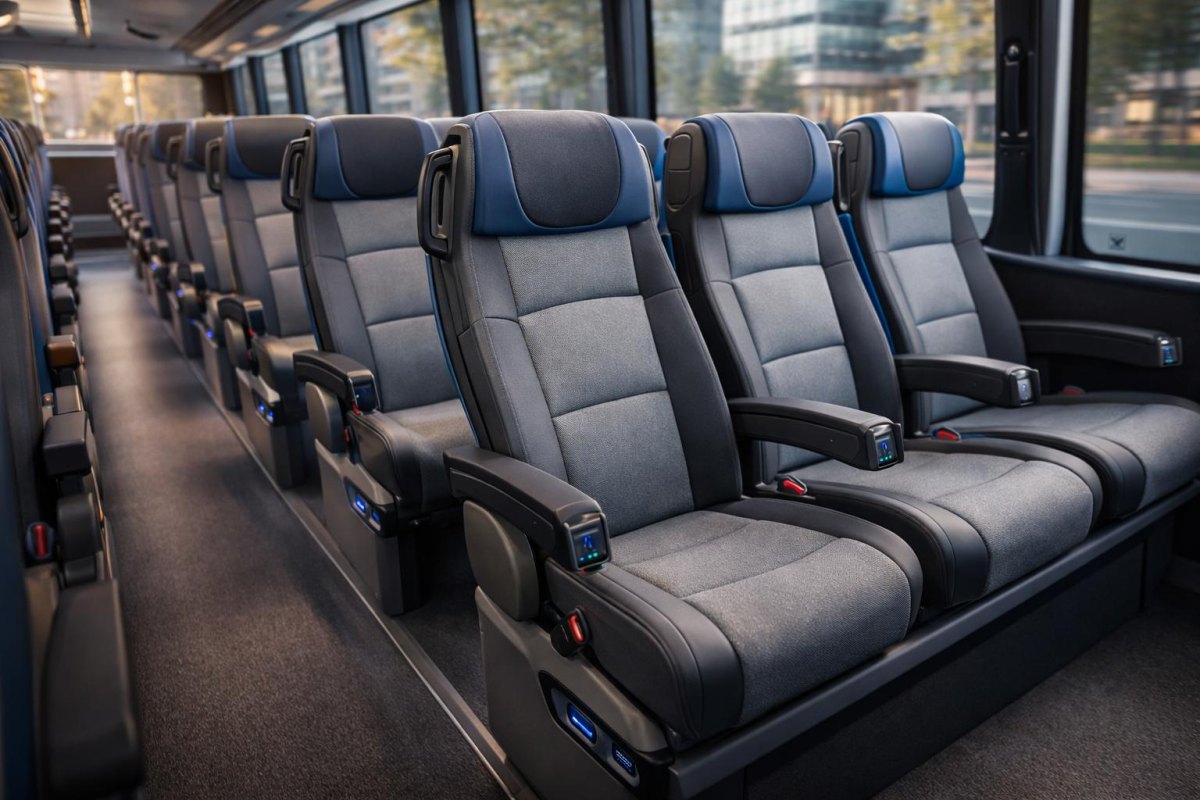
The seating plan is where a bus interior succeeds or fails. I pay attention to legroom and circulation first because passengers notice cramped spaces long before they notice decorative details.
Research into bus mock-up layouts has found that seat spacing and orientation strongly affect perceived comfort and ease of movement. Accessibility also matters, with modern guidance highlighting flexible spaces for wheelchair users, passengers with pushchairs, and changing passenger needs.
| Layout idea | Best use |
|---|---|
| Wide row spacing | Long-distance comfort |
| Flexible seating zones | Mixed passenger needs |
| Open aisle design | Easy movement |
Creative Lighting and Mood Design
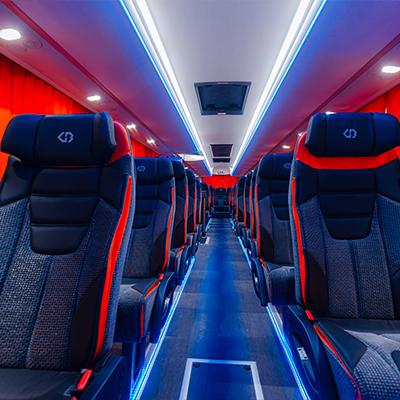
Lighting is one of the easiest ways to transform a bus interior. I prefer layered lighting design with practical reading lights, soft aisle illumination, and gentle ceiling accents.
Modern coaches often use indirect LED lighting to create a comfortable atmosphere while improving visibility. A good lighting plan should support real activities: finding a seat, reading, resting, and moving safely through the cabin.
Multi-Purpose Bus Interior Spaces
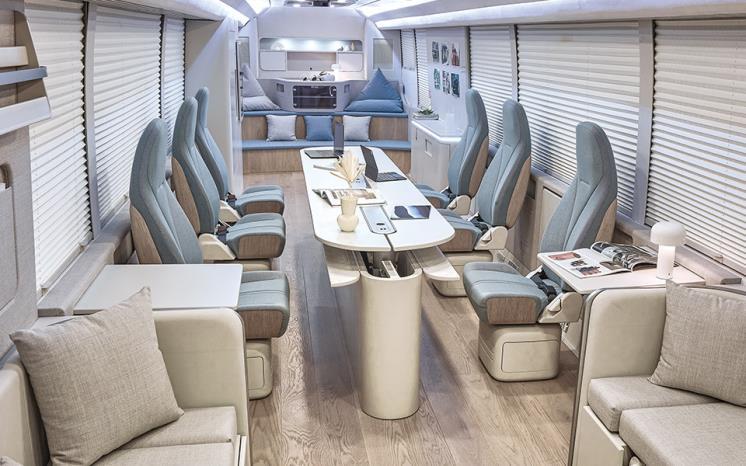
A multi-purpose bus needs a layout that can change with demand. I like designs built around flexible interior zones, where seating, work areas, storage, or group spaces can adapt.
Industry discussions around current bus design highlight modular layouts, smart solutions, and interiors that can serve different travel purposes. The most useful designs are not complicated; they simply give passengers more ways to use the space.
- Plan. Decide how passengers will use each zone.
- Choose. Select movable or adaptable furniture where possible.
- Test. Walk through the finished layout before final installation.