Paris rewards a little planning. I have visited cities where I tried to squeeze everything into one frantic weekend, and Paris is exactly the kind of place that punishes that approach. The best days here usually involve a famous landmark, a slower neighborhood walk, a good meal, and enough time to notice the ordinary streets between the big sights. This Paris travel guide is built around the things I actually look for when planning a city break: what is worth the time, what costs money, and what I would do differently on my next visit.
Paris Travel Guide: Top Attractions and Experiences

I think first-time visitors should accept one thing about Paris: you will not see everything. The city has hundreds of museums, historic streets, gardens, churches, markets, and small corners that deserve attention. I prefer choosing a few anchors for each day rather than racing between ten famous places.
My usual Paris plan starts with the major sights — the Eiffel Tower, Louvre, Notre-Dame area, Montmartre, and a walk along the Seine — then leaves space for wandering. Paris is one of the few cities where getting slightly lost can genuinely improve your day.
For a first visit, I would budget at least four full days. Three days is enough for the highlights, but it becomes a checklist trip. Five to seven days gives you room for museums, cafés, and a day trip without constantly watching the clock.
Best Time to Visit Paris
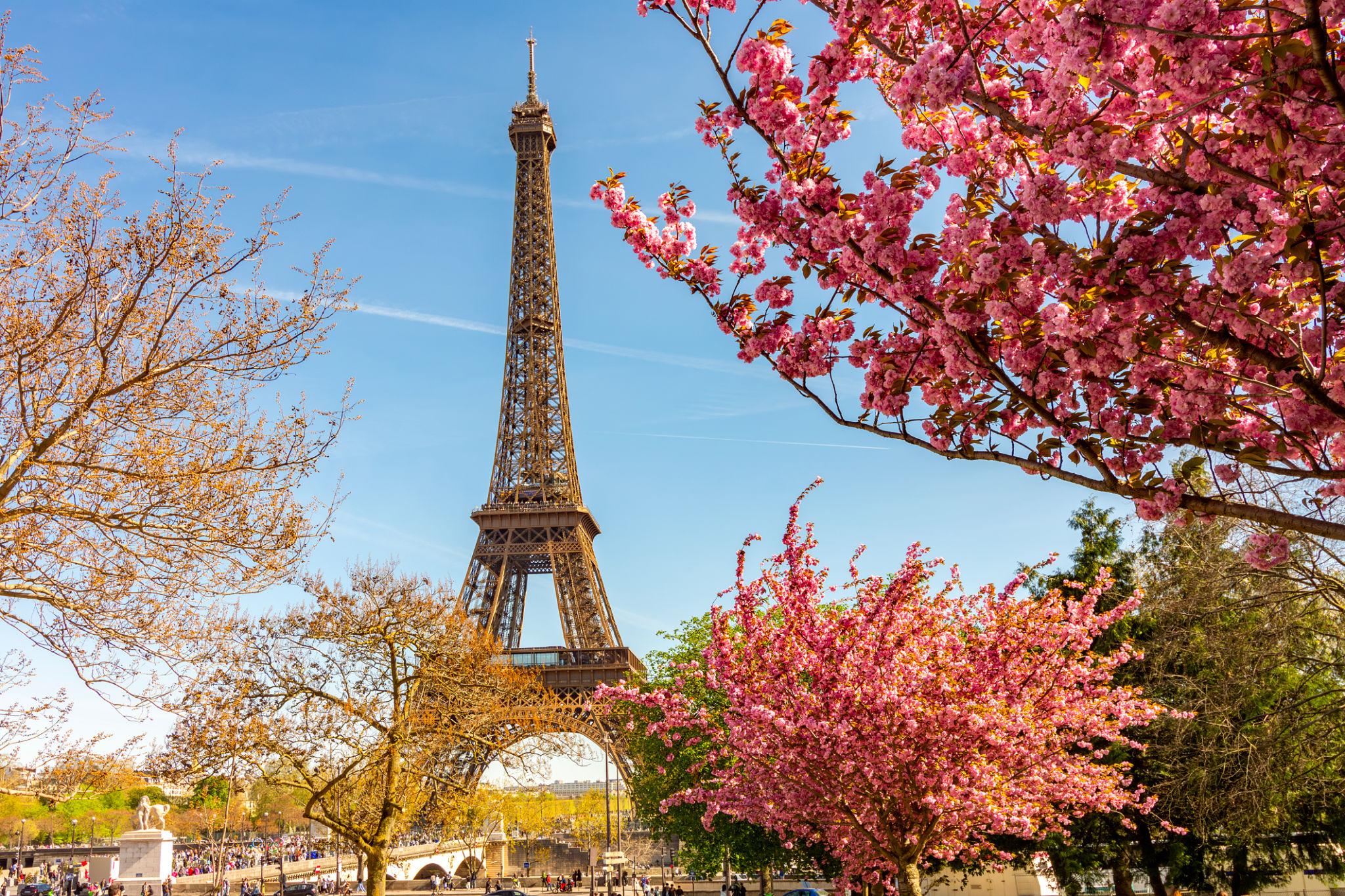
I like Paris most in spring and early autumn. April to June brings pleasant walking weather and long evenings, while September and October usually offer comfortable temperatures without the peak summer crowds. I visited once in March and loved the quieter museums, although I packed a rain jacket and used it more than once.
July and August are lively but busy. Many visitors enjoy the warm weather and outdoor events, but popular attractions require more patience. Winter has its own appeal: fewer crowds, lower accommodation prices, and beautiful café stops after a cold walk.
My practical advice is to choose based on your priorities. If your dream is sitting outside at cafés, aim for warmer months. If your priority is museums and landmarks with fewer people around, consider the shoulder seasons.
Exploring the Eiffel Tower and Champ de Mars
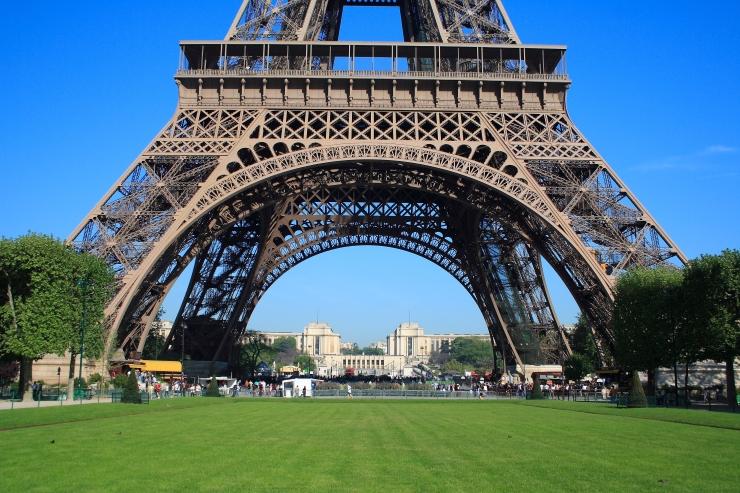
The Eiffel Tower is famous for a reason, but I do not think the best experience is simply arriving, taking a photo, and leaving. I prefer approaching from the Trocadéro side for the classic view, then walking across toward Champ de Mars afterward.
If you want to go up, book ahead during busy periods. Official ticket prices and opening information change, so I always check the Eiffel Tower website before visiting. Current published adult prices include options such as €23.50 for second-floor elevator access and €36.70 for summit elevator access.
The summit is not essential for everyone. The views are impressive, but I often find the ground-level perspectives more enjoyable because you can actually see the tower itself. For a first visit, I would combine it with a Seine walk rather than making it the only event of the day.
Discovering the Louvre Museum and Its Masterpieces
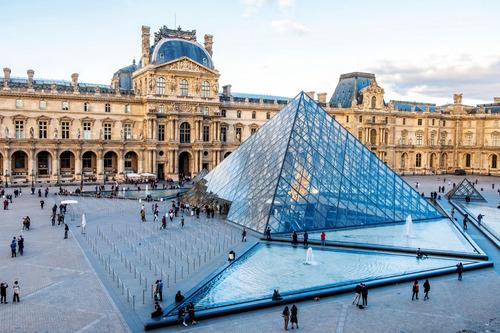
The Louvre is enormous, and that is both its strength and its biggest challenge. I have seen visitors walk in with a list of twenty artworks and leave exhausted. A better approach is choosing a few sections before you arrive.
The Mona Lisa, Winged Victory of Samothrace, and Venus de Milo are the obvious stops, but I also enjoy spending time in the Egyptian antiquities and decorative arts galleries. The building itself is part of the experience.
Check current ticket rules before your visit. The Louvre recommends booking time slots, and current admission information lists prices including €22 for EEA visitors and €32 for non-EEA visitors. I would reserve a morning slot, wear comfortable shoes, and avoid trying to “finish” the museum in one visit.
Walking Through Montmartre and Sacré
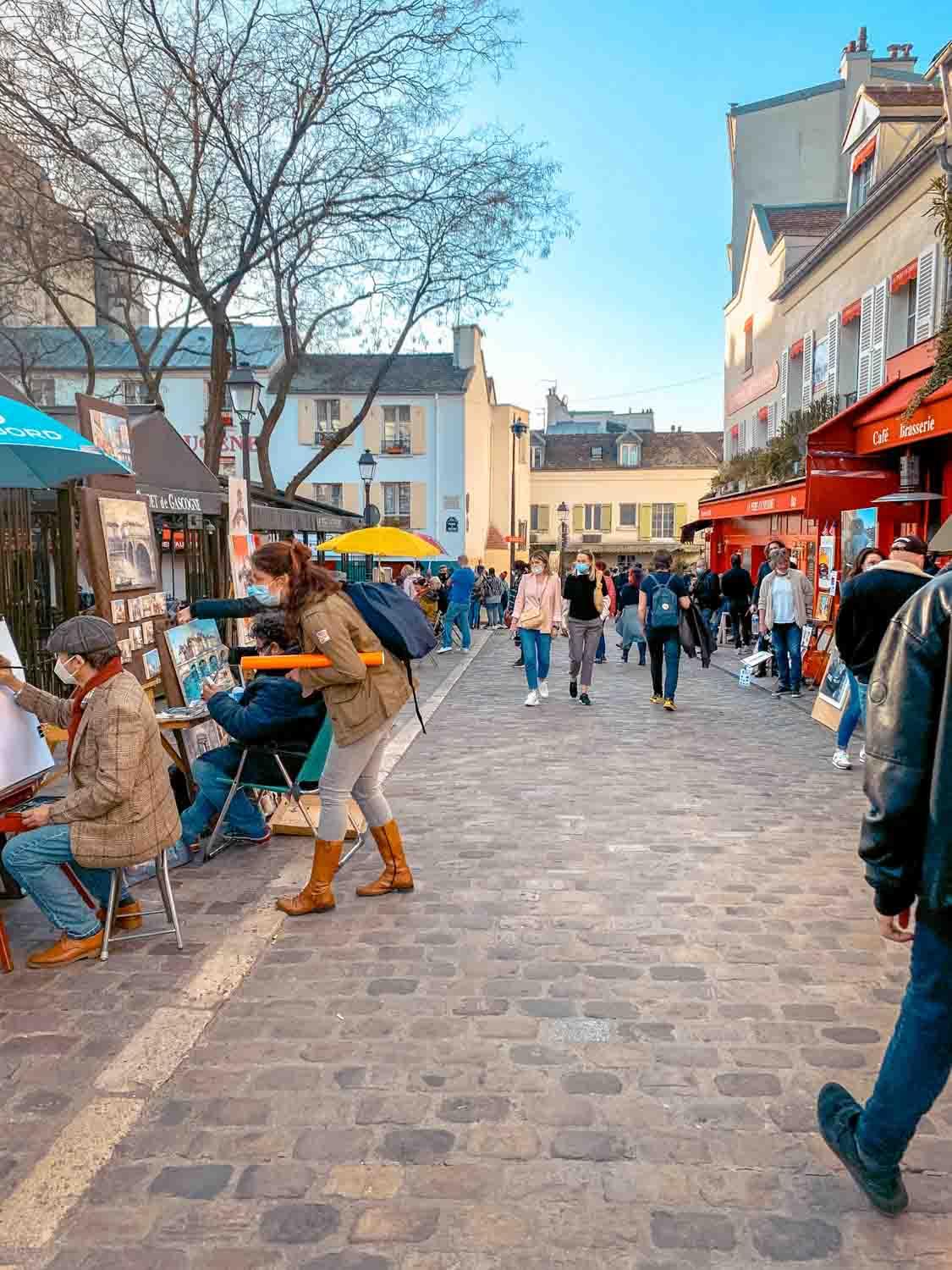
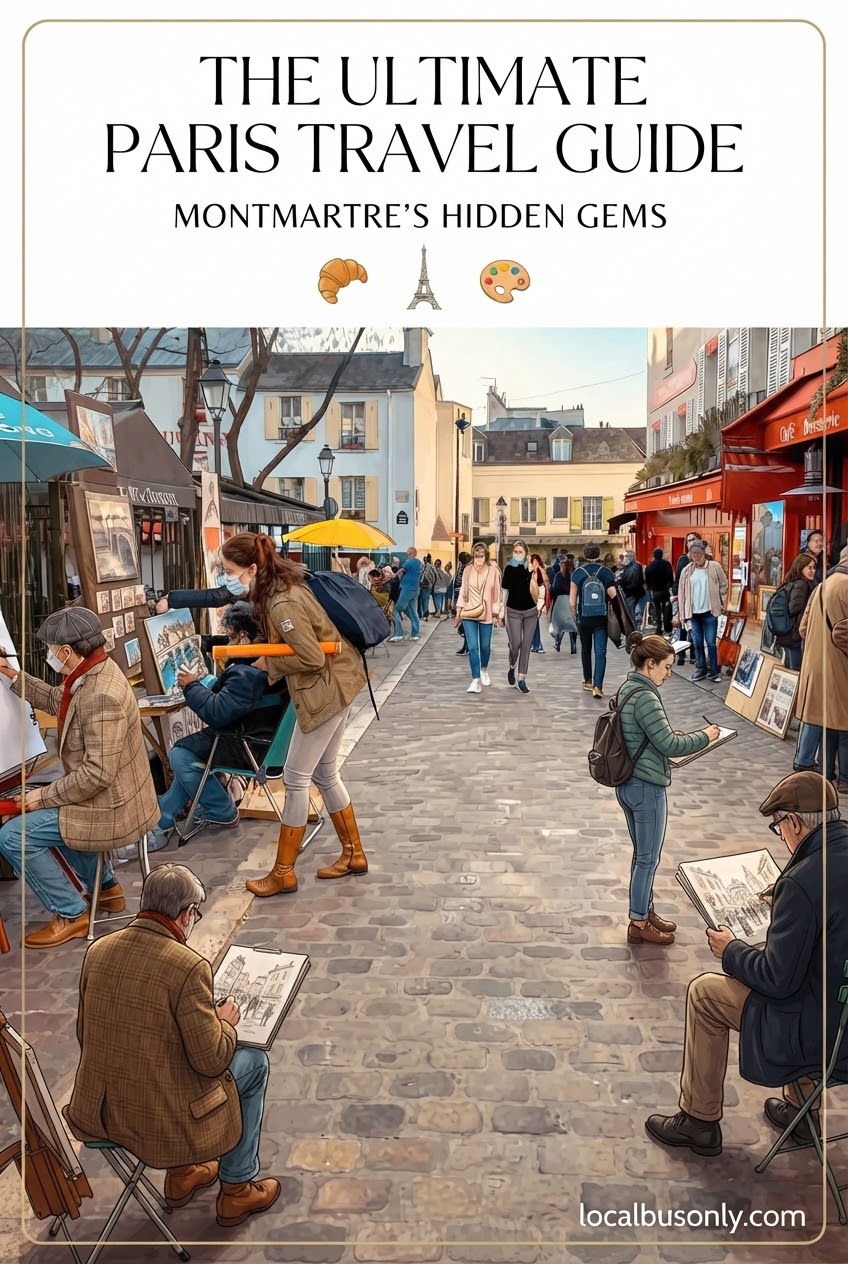
Montmartre is one of the Paris areas where I recommend arriving early. The narrow streets around the hill are much calmer before the crowds appear, and the views from Sacré-Cœur are worth the climb.
I enjoy the neighborhood away from the busiest souvenir streets. Small bakeries, old apartment buildings, and quiet side roads give you a better sense of the area than simply standing in front of the basilica for a photo.
The hill does mean stairs and uneven pavement. I found it manageable with normal walking shoes, but visitors who need step-free routes should check current accessibility information because conditions vary by street and attraction.
Paris Neighborhoods Worth Exploring
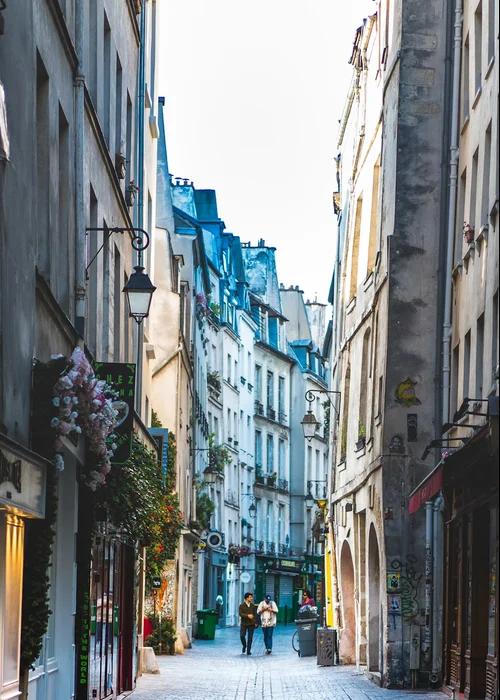
Paris feels like several cities joined together, and choosing neighborhoods is often more rewarding than chasing landmarks. Le Marais is a favorite for historic streets, small shops, and easy wandering. Saint-Germain-des-Prés has the classic café atmosphere many visitors imagine when they picture Paris.
I also like the Canal Saint-Martin area for a slower pace. It feels more like a place where people live rather than a place designed only for visitors.
My advice is not to move hotels constantly. Pick one area that suits your style and explore outward. Changing accommodation every night saves little time once you count packing and checking in.
Experiencing French Cuisine and Parisian Cafés
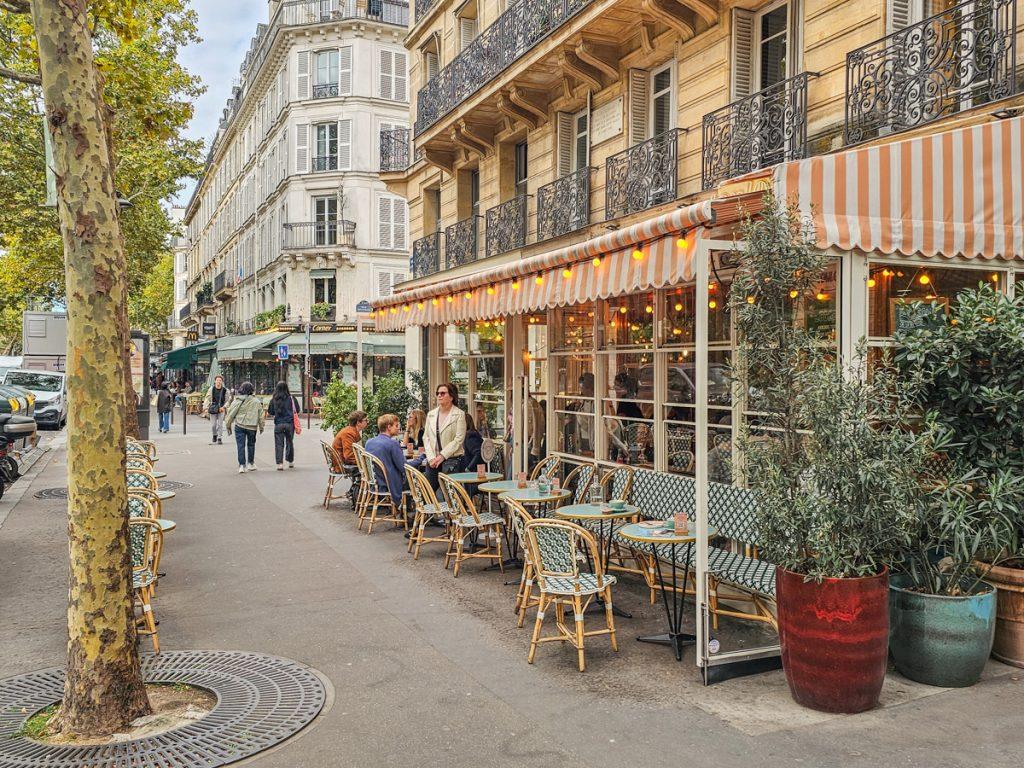
Eating in Paris does not have to mean expensive tasting menus. Some of my best meals have been simple: a bakery breakfast, a carefully chosen lunch menu, or an evening sitting outside with a glass of something local.
I always make time for bakeries. A fresh croissant eaten while walking to the morning train or museum feels like a small travel luxury without the luxury price.
For cafés, I avoid the busiest tables directly beside major attractions when possible. Walking a few streets away usually gives you better value and a more relaxed atmosphere. I also remember that cafés are working places for locals, not just photo backgrounds, so I keep my visits respectful.
Visiting Notre
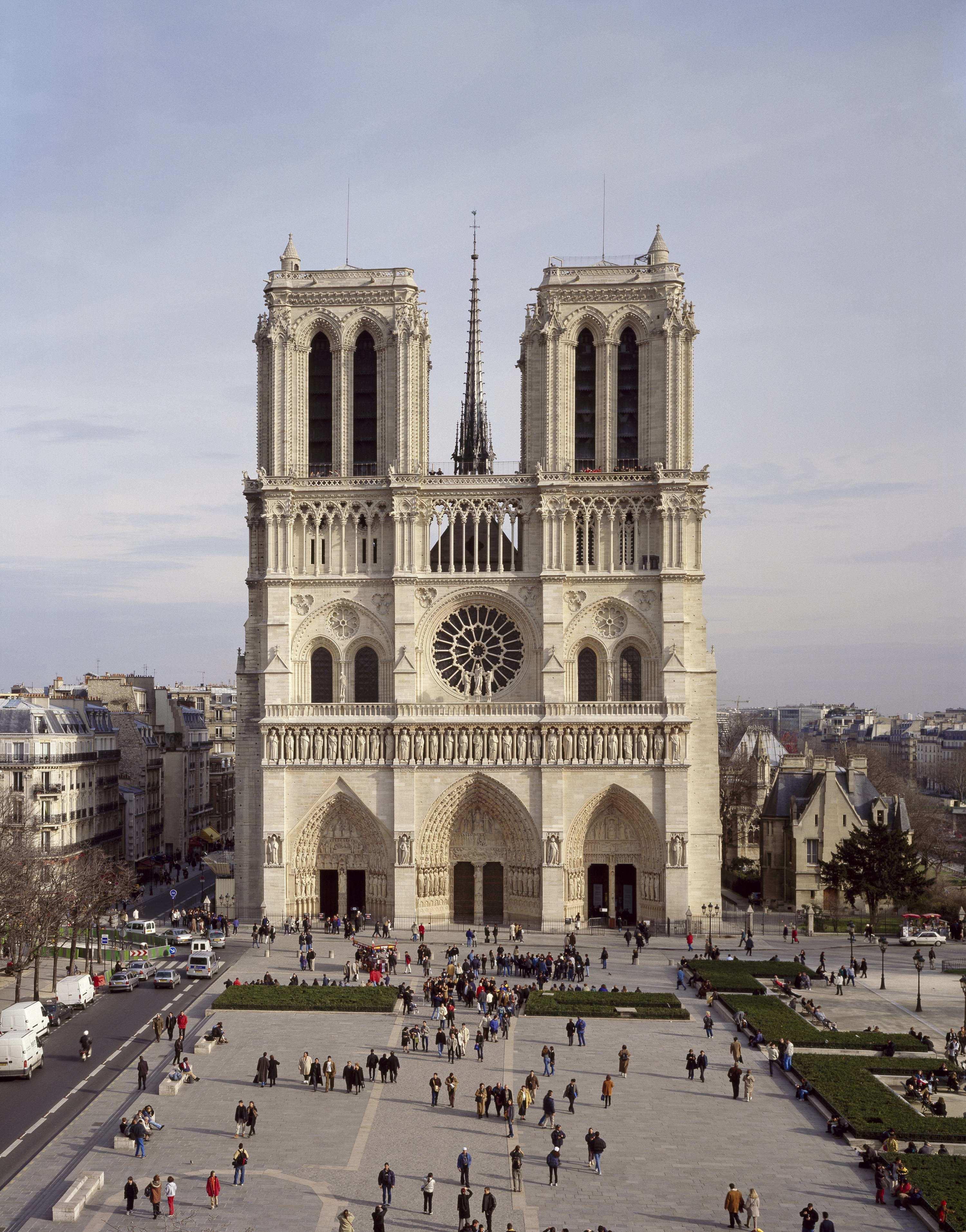
The Notre-Dame area remains one of my favorite places for a Paris walk. Even when you are not entering the cathedral, Île de la Cité and the nearby Seine paths are worth exploring.
I like combining this area with Sainte-Chapelle and a slow walk along the river. It is compact enough that you can see several historic places without spending the entire day moving between locations.
Restoration work and visitor arrangements can change, so I check official updates before planning an interior visit. Paris has many historic buildings where access changes regularly, and a quick check saves disappointment.
A Guide to Paris Parks and Gardens
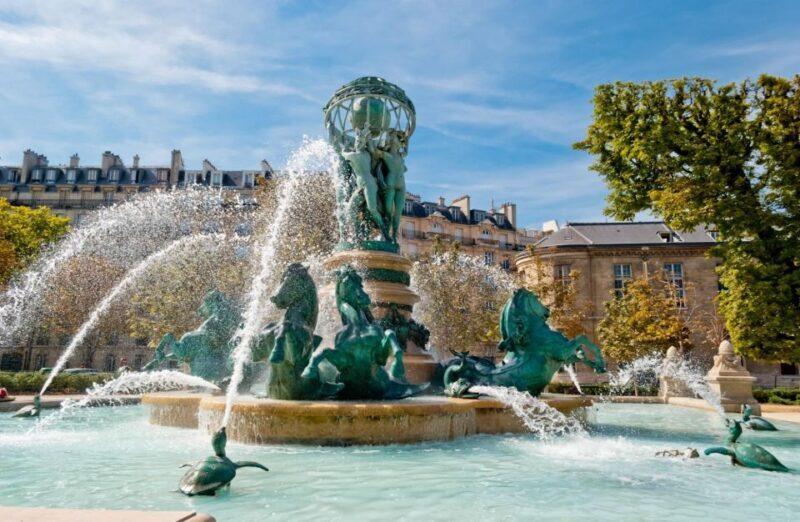
Paris gardens are where I go when I need a break from museums and busy streets. The Luxembourg Gardens are especially good for a slower afternoon, while the Tuileries Gardens are convenient when you are already near the Louvre.
I like that these spaces are practical as well as beautiful. People read, walk, meet friends, and take a break from the city rhythm. I try to treat them as public spaces rather than attractions to rush through.
Bring a little extra time. A garden visit works best when it is not squeezed between two reservations.
Shopping in Paris: From Boutiques to Markets
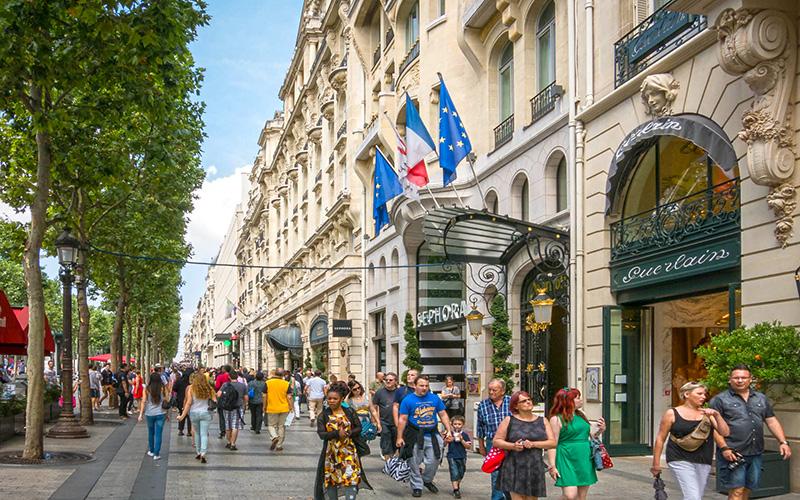
Paris shopping works best when you know what you actually want. The famous luxury areas are interesting to see, but they are not the only option. I prefer smaller boutiques, bookshops, and food markets where the experience feels connected to the neighborhood.
Markets are particularly good for travelers who enjoy everyday local life. I like browsing without the pressure to buy anything, although French food products have a way of finding their way into my bag.
If you are buying gifts, pack space before you leave home. I have made the mistake of assuming souvenirs would be small. They rarely are.
Day Trips from Paris
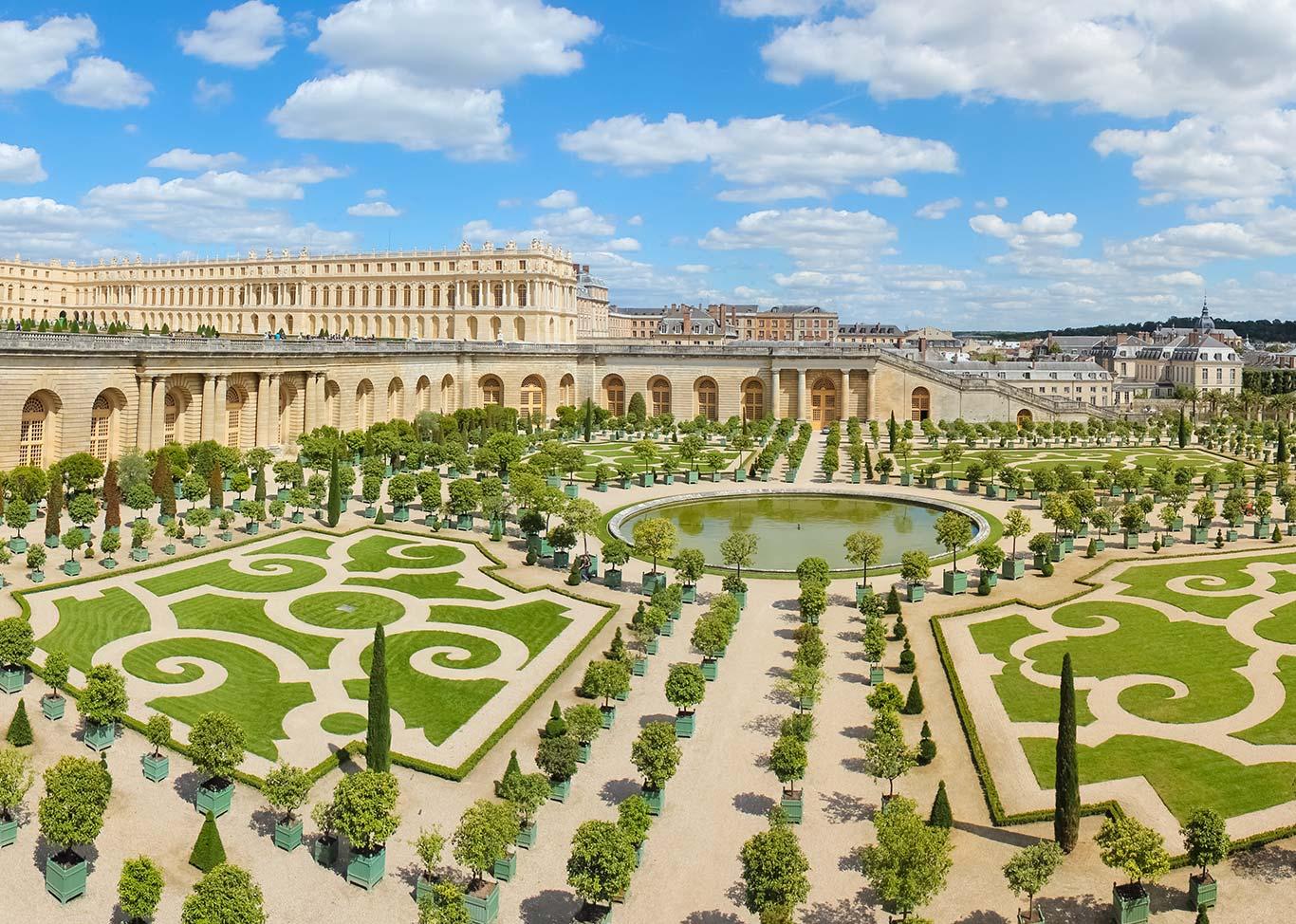
Paris is an excellent base for exploring nearby places. Versailles is the obvious choice, especially for first-time visitors who want to see the palace and gardens. I also like smaller destinations such as Giverny, where Monet’s garden provides a very different pace from central Paris.
I prefer one good day trip over several rushed ones. Travel time, meals, and opening hours add up quickly, and a supposedly relaxing escape can become another busy itinerary.
Before leaving Paris for the day, I check transport schedules and return options. The last thing I want after a long walk is discovering my journey back is much slower than expected.
Getting Around Paris: Metro, Walking, and Transport Tips
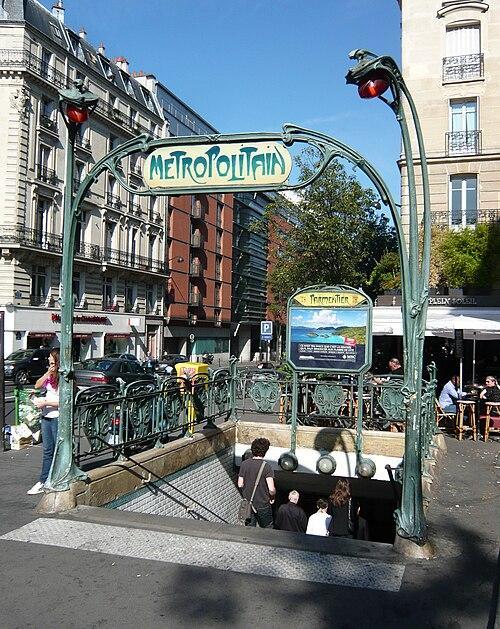
Paris is one of the easiest major cities I have visited without a car. I usually walk for short distances and use public transport when crossing the city. The metro is fast, but I find many visitors underestimate how much walking happens inside stations.
I spent twelve years working in transit planning, so I pay attention to small details like interchange times and payment options. In Paris, I recommend checking the latest fares before travelling because prices change. Current Île-de-France Mobilités information lists single metro-train-RER tickets at €2.55 and bus-tram tickets at €2.05 in 2026.
Keep your ticket or digital proof valid until the end of your journey. Riding without a valid fare is not a clever shortcut; it is simply an unnecessary problem. I also keep bags closed in crowded stations and avoid blocking doors during busy periods.
Where to Stay in Paris: Best Areas for Travelers
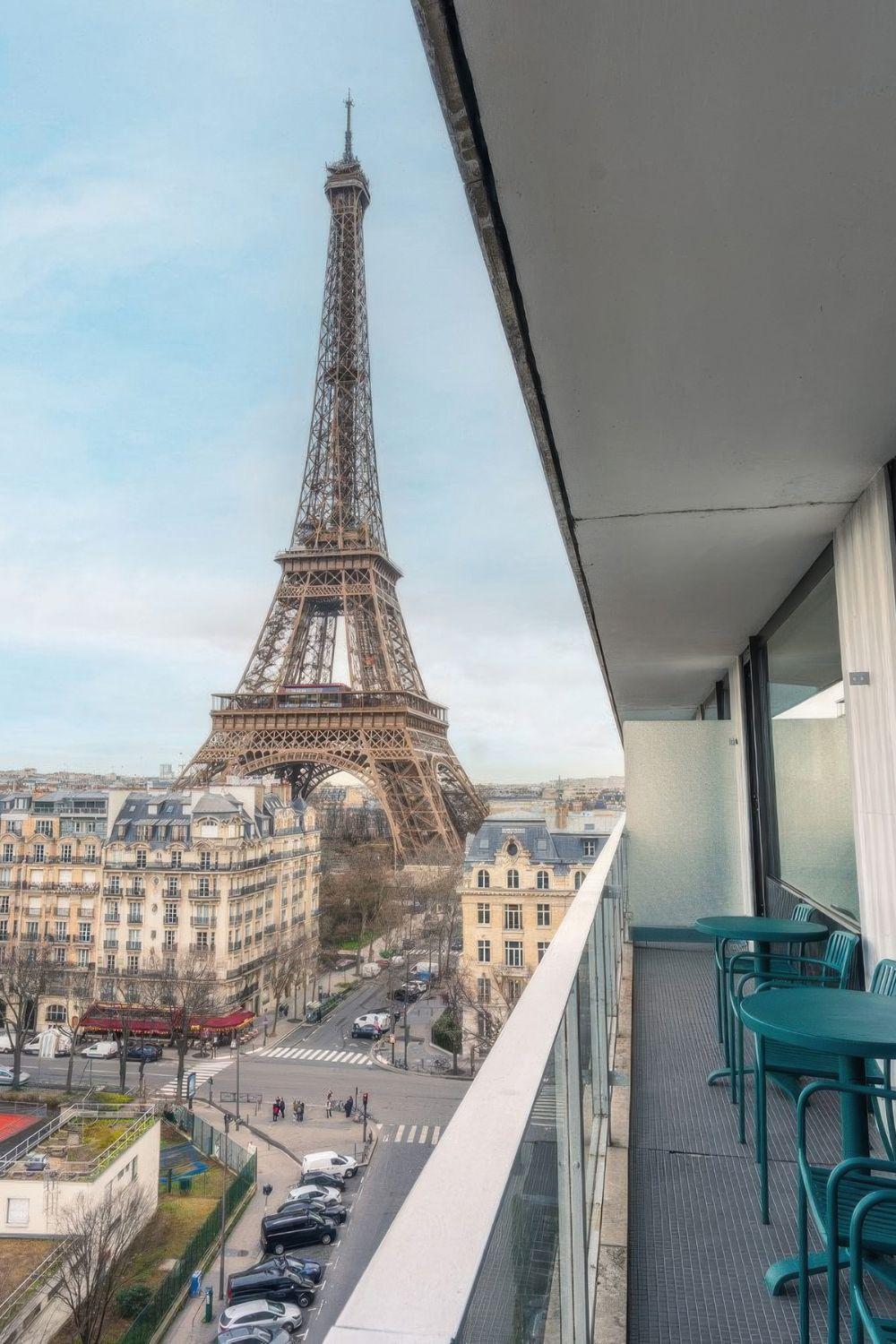
I choose accommodation in Paris based more on location than hotel features. A smaller room in a neighborhood I enjoy is usually better than a larger room far away that adds travel time every day.
For first visits, the central arrondissements make sightseeing easier. Le Marais, Saint-Germain, the Latin Quarter, and areas near major transport links are popular because they balance atmosphere and convenience.
I always check the evening walk from the nearest station, not just the daytime map distance. A hotel can look close online and feel very different after a long day carrying luggage.
Practical Paris Travel Tips for First
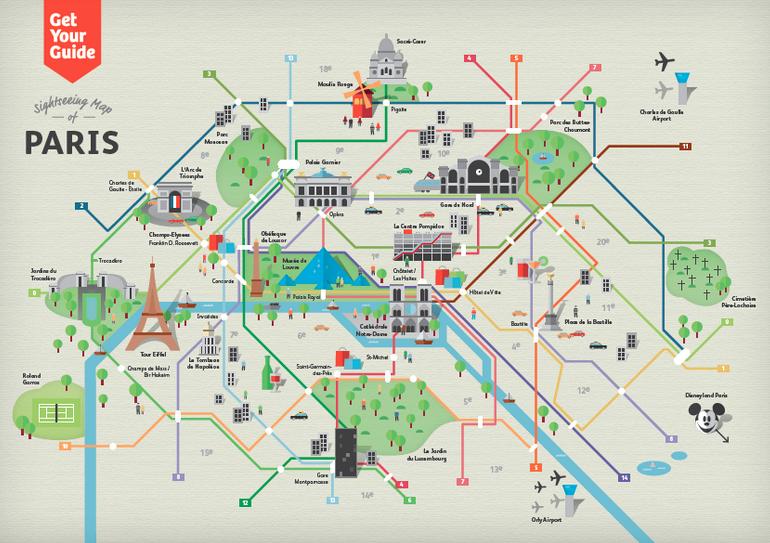
My best Paris advice is simple: plan your must-sees, then leave empty space. The city’s best moments are often the ones you did not schedule — a bakery you noticed, a quiet street, or an unexpected view over the rooftops.
Carry comfortable shoes, because Paris is a walking city even when you use transport. Keep attraction bookings, accommodation details, and important documents organized before arrival. For entry requirements or border rules, always check official government sources because they can change and I am not a visa consultant.
Finally, remember that Paris is not a museum set built for visitors. Millions of people live there. The trip feels better when you enjoy the famous places while also respecting the ordinary daily life happening around them.