Renting a bus looks simple until you are responsible for thirty people, their luggage, and a departure time. I have planned enough group transport to know that the problems usually come from small details: the wrong vehicle size, unclear pricing, or a route that only works on paper.
I put together these bus rental tips to help you ask better questions before signing anything. A little planning upfront usually saves a lot of scrambling later.
Quick summary
- Match the bus size to passengers, luggage, and trip length.
- Read quotes carefully so extra fees do not appear later.
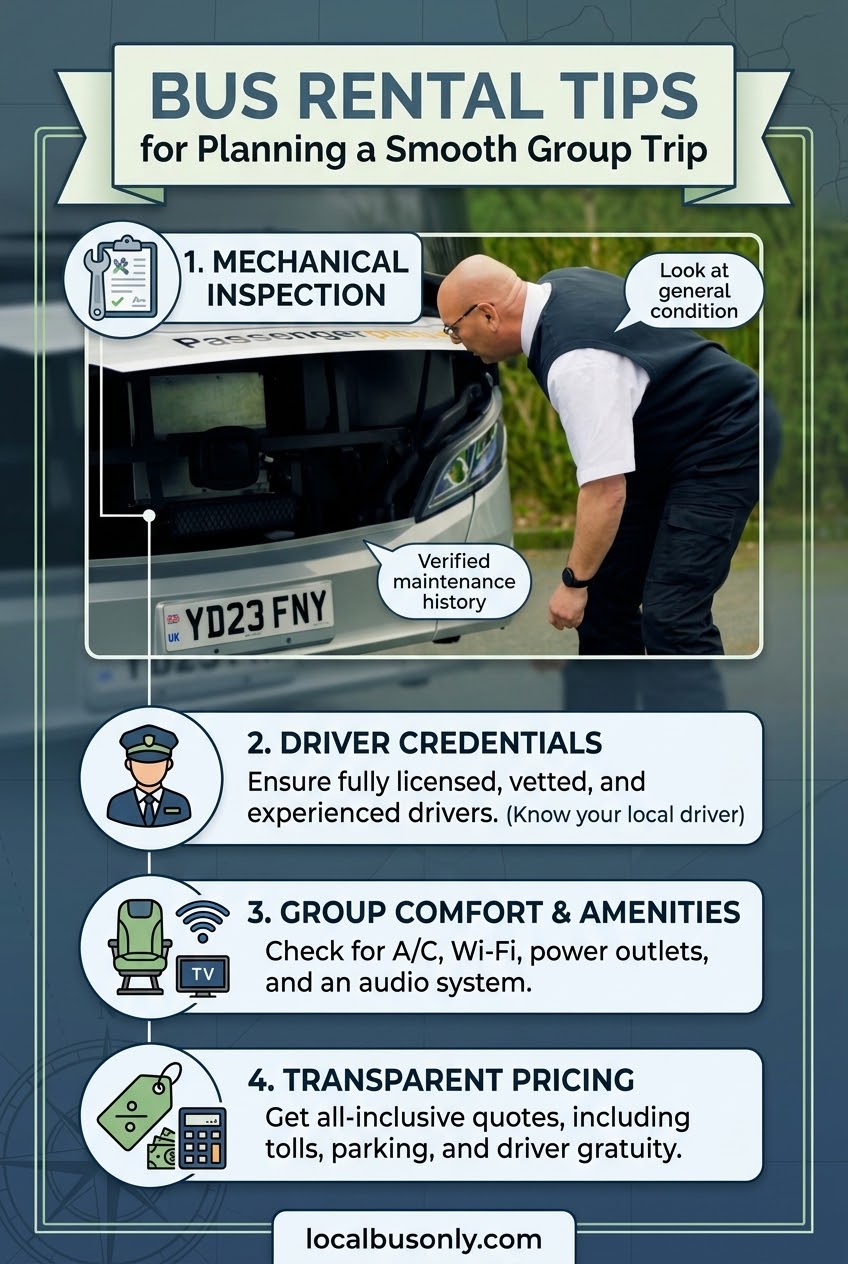
- Check safety records, vehicle condition, amenities, and timing details.
Choose the Right Bus Size for Your Group

The first number I ask for when planning a group trip is not the budget. It is the headcount. A bus that is too small creates awkward seating and luggage problems, while an oversized vehicle can waste money. Current charter guides commonly separate options from smaller vans and minibuses up to full-size coaches of around 50 to 56 passengers.
I also count bags, not just people. On a weekend trip with everyone carrying luggage, I would rather have a little spare room than watch the aisle become a storage cupboard. Passenger count and luggage should decide the vehicle.
| Group size | Common option |
|---|---|
| Small group | Sprinter van or small shuttle |
| Medium group | Minibus |
| Large group | Full-size motorcoach |
Compare Rental Prices and Inclusions
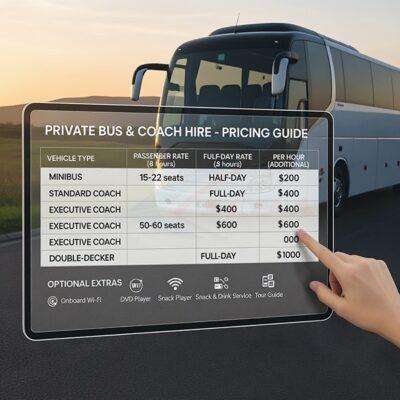
I have learned not to compare bus rental prices by the headline number alone. One company may include the driver, fuel, and standard mileage while another lists those separately. Some quotes may also add costs for tolls, parking, extra waiting time, or overnight requirements.
When I compare quotes, I put every charge into one simple list. The final trip cost matters more than the first attractive estimate.
Check the Bus Company’s Reputation
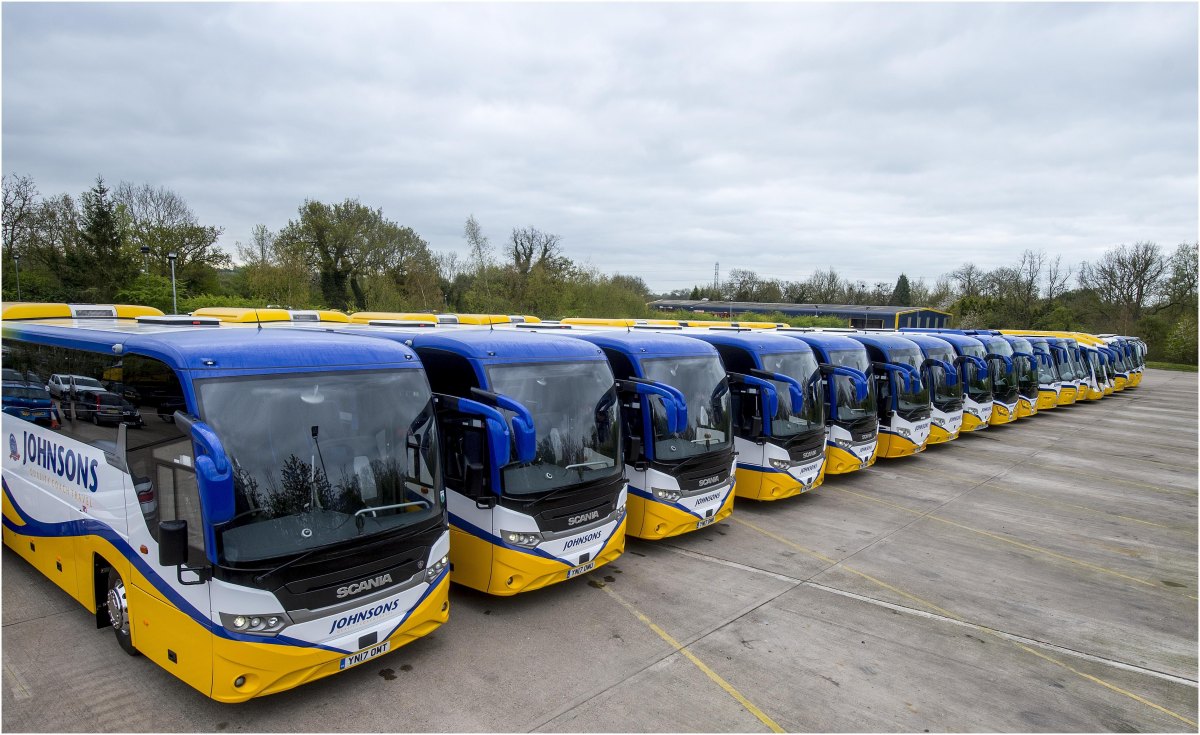
A polished website is nice, but it is not the same thing as a reliable operator. I check registration details, customer feedback, and available safety information before booking. For interstate passenger carriers in the United States, FMCSA provides tools to review company safety and registration information.
I also pay attention to how a company answers questions. A clear reply about vehicles, drivers, and policies tells me more than a long sales page. Reliable communication is part of reliable service.
My tip
Ask for the exact vehicle type you will receive, not just the company’s general fleet description.
Inspect Safety Features and Maintenance Records
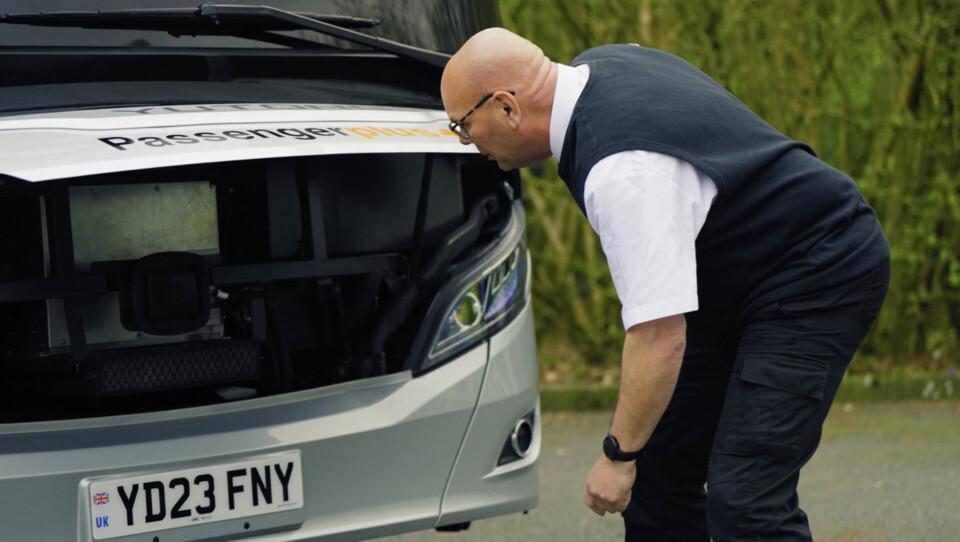
I do not expect travellers to become vehicle inspectors, but I do expect them to ask sensible questions. Commercial passenger carriers are required to maintain vehicles and keep inspection and repair records under applicable U.S. federal rules.
Before a long journey, I want confidence that the bus is maintained, the emergency equipment is handled properly, and the operator takes safety seriously. Maintenance history is not exciting conversation, but it matters.
Book Early for Better Availability

I have watched people leave bus bookings until the last minute and then discover that their preferred vehicle has disappeared. Popular travel dates, school trips, conferences, and holidays create competition for larger vehicles.
Booking early gives you more choices for bus availability and timing. It also leaves room to adjust passenger numbers without panic.
Confirm Amenities Before Renting
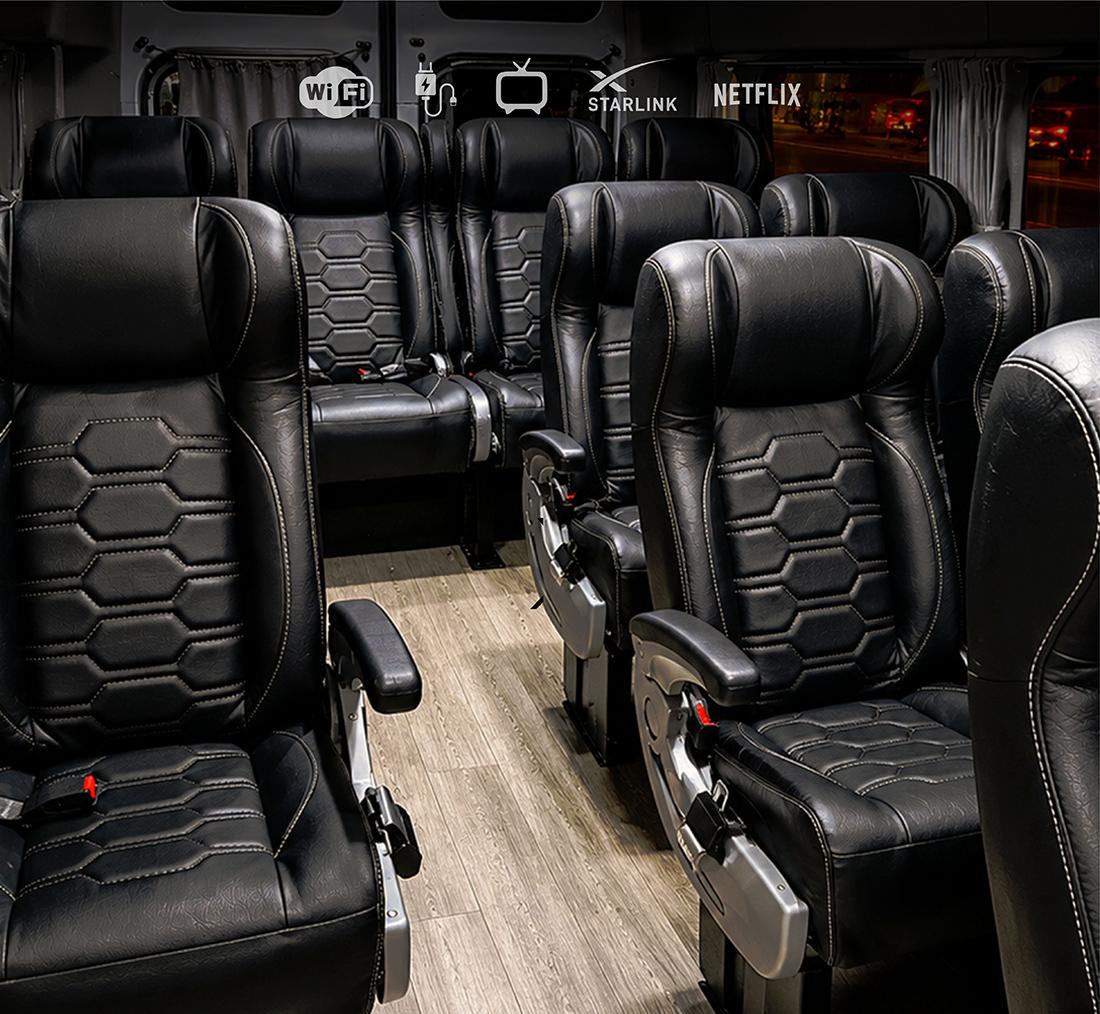
A bus can look comfortable in a photograph and still be the wrong choice for your journey. I check what is actually included: seating style, climate control, luggage space, power outlets, internet access, and restroom availability when relevant.
For a short transfer, I would not pay extra for every feature. For a full-day trip, useful onboard amenities can make a noticeable difference.
Worth checking
- Comfortable seating
- Luggage storage
- Charging options
Often overlooked
- Actual availability of features
- Extra fees for upgrades
Understand the Rental Agreement Details

I read contracts slowly, especially the parts nobody wants to read. The details usually live there: cancellation rules, overtime charges, payment schedules, and responsibilities if plans change.
A clear agreement protects both sides. I want rental terms in writing before the trip begins, not a conversation remembered differently by two people.
Avoid this mistake
Do not assume a verbal promise about fees or services will appear later unless it is included in the agreement.
Plan Your Route and Schedule Carefully

The route is where many group plans quietly fail. A map may show a short distance, but loading passengers, parking, rest stops, and venue access all add time. I always build in a buffer because travel rarely rewards optimism.
I also confirm pickup locations carefully. A convenient meeting point for travellers is not always a practical place for a large vehicle. Realistic timing makes the whole day calmer.
The best transport plan is the one that still works when the day runs ten minutes late.
Marnie Doyle