I have spent years looking at how people move through vehicles, and the best bus layouts are rarely the ones with the most decoration. They are the ones where every seat, aisle and storage area has a reason. These are the bus layout ideas I would study before planning a new build, renovation or fleet concept.
I have focused on practical arrangements that balance comfort, capacity and real passenger needs, because a beautiful interior that is awkward to use will not stay beautiful for long.
Modern City Bus Layout Ideas
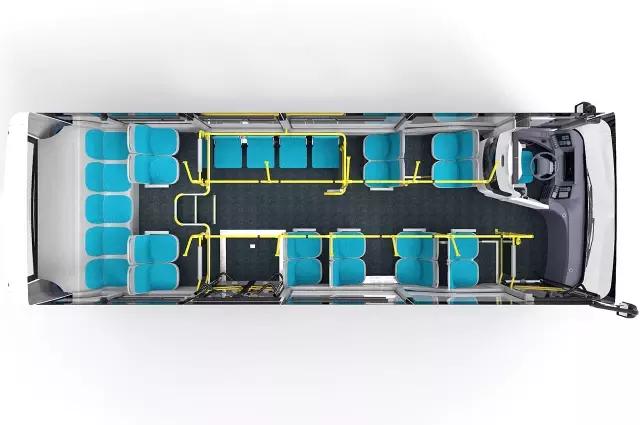
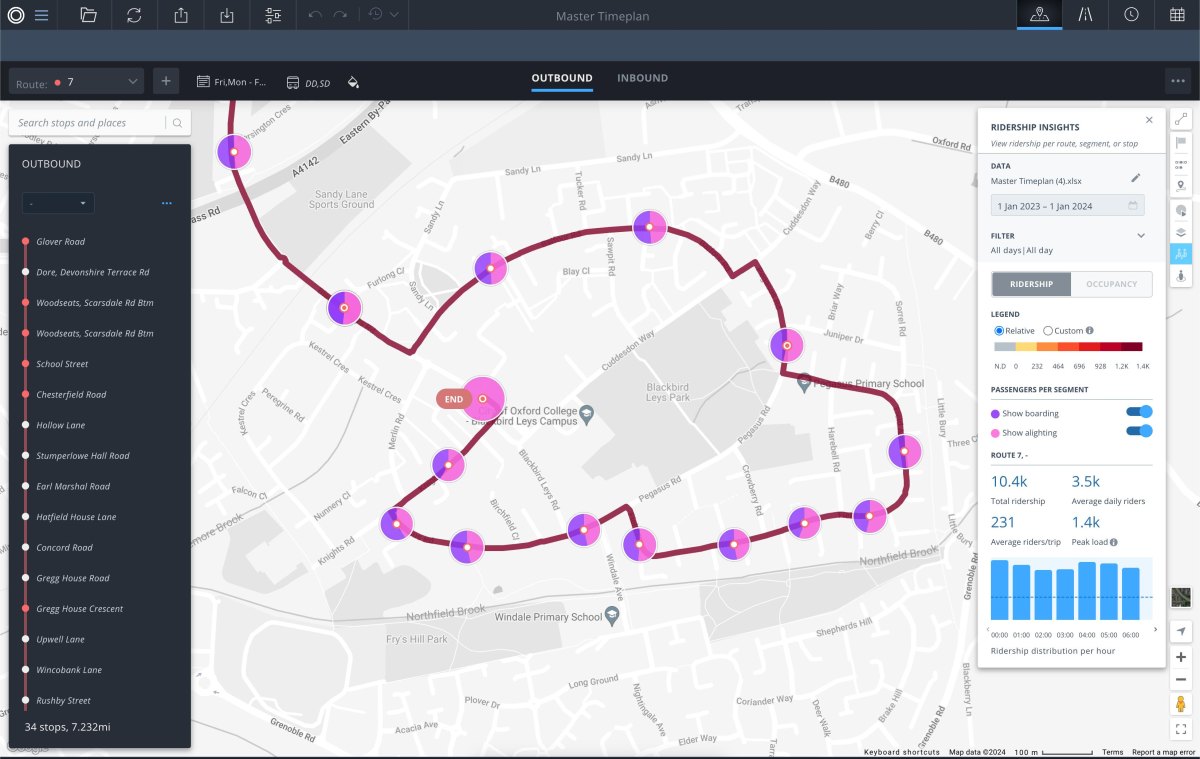
Modern city buses need to move people quickly, especially during busy boarding periods. I look for layouts with clear passenger flow, wide entry areas and sensible standing zones. Low-floor designs and flexible spaces are common priorities in current urban bus planning.
Layout features I would copy
- Front and centre door access for faster boarding
- Open wheelchair and stroller areas near doors
- Mixed seating with priority spaces
My favourite city layouts are not the ones with maximum seats. They are the ones that handle a crowded Tuesday morning without making everyone fight their way through the aisle.
Luxury Coach Bus Interior Layout Ideas
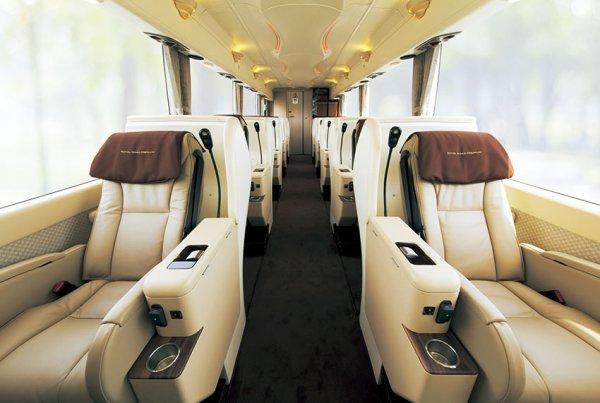
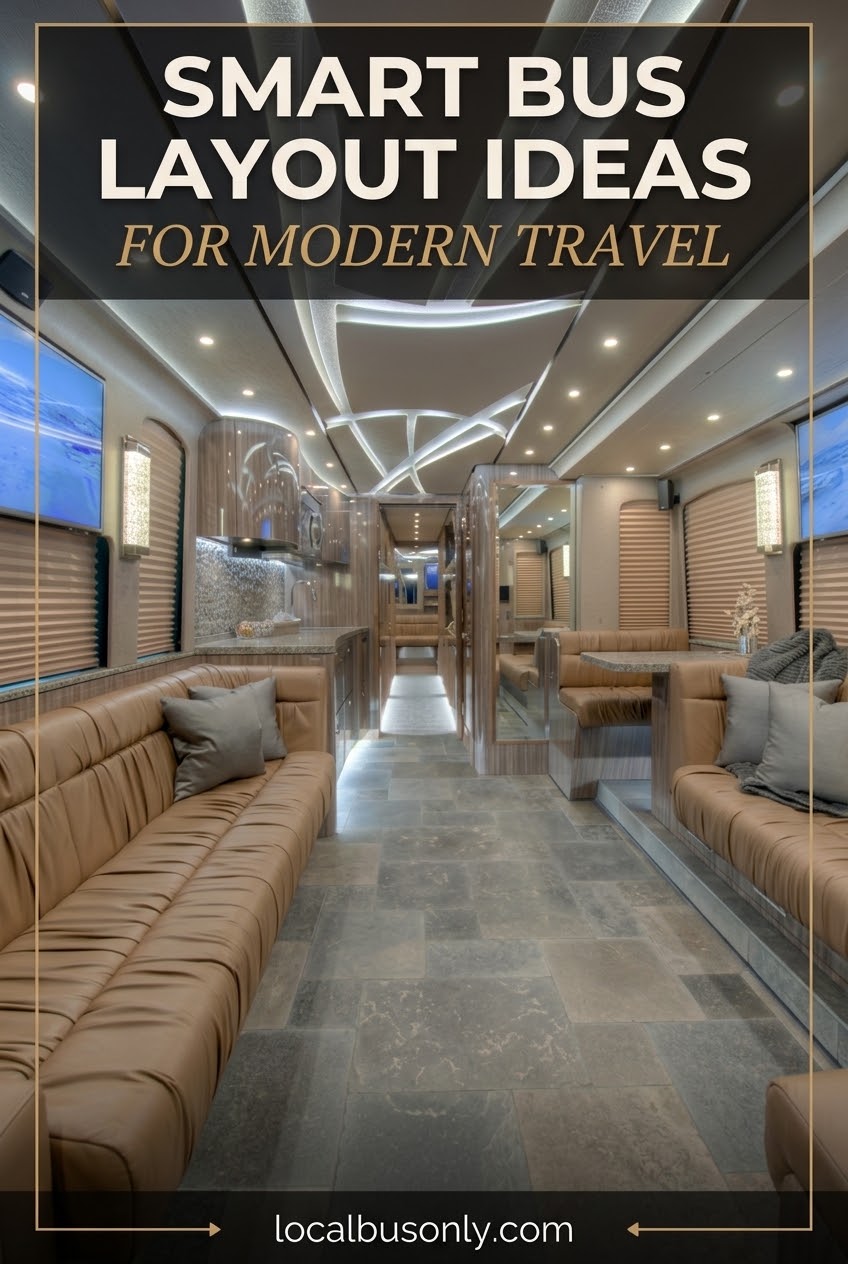
For luxury coaches, I would start with the passenger experience rather than the seat count. Recent coach interiors focus on premium comfort features such as wider seats, personal space and technology integration.
| Area | Design idea |
|---|---|
| Seating | Reclining seats with generous spacing |
| Storage | Easy-access personal compartments |
| Lighting | Adjustable ambient illumination |
I would spend money on the places passengers touch most: seats, armrests, lighting controls and charging points. Those details create the premium travel feeling.
School Bus Layout Ideas
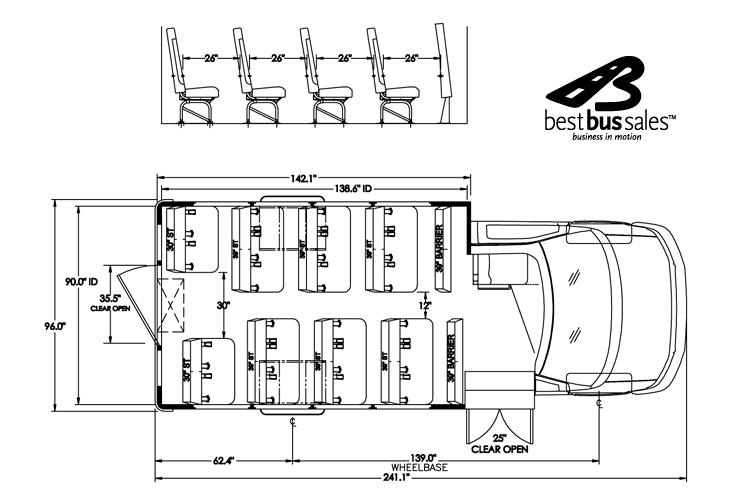
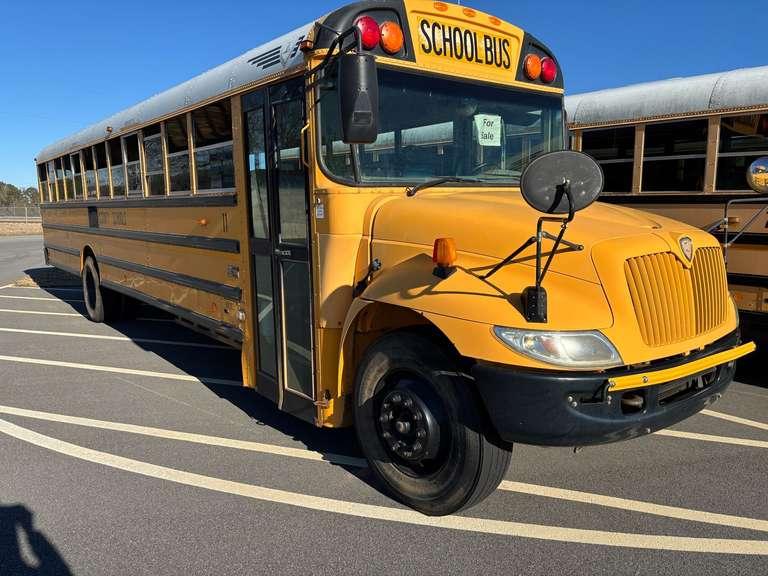
School bus layouts have a different goal: reliable movement and protection for younger passengers. Regulations and manufacturers focus heavily on safe seating arrangements and protective seat design.
I prefer school bus concepts that are simple to maintain. A clever feature is only useful if staff can keep it working every day.
Electric Bus Layout Ideas
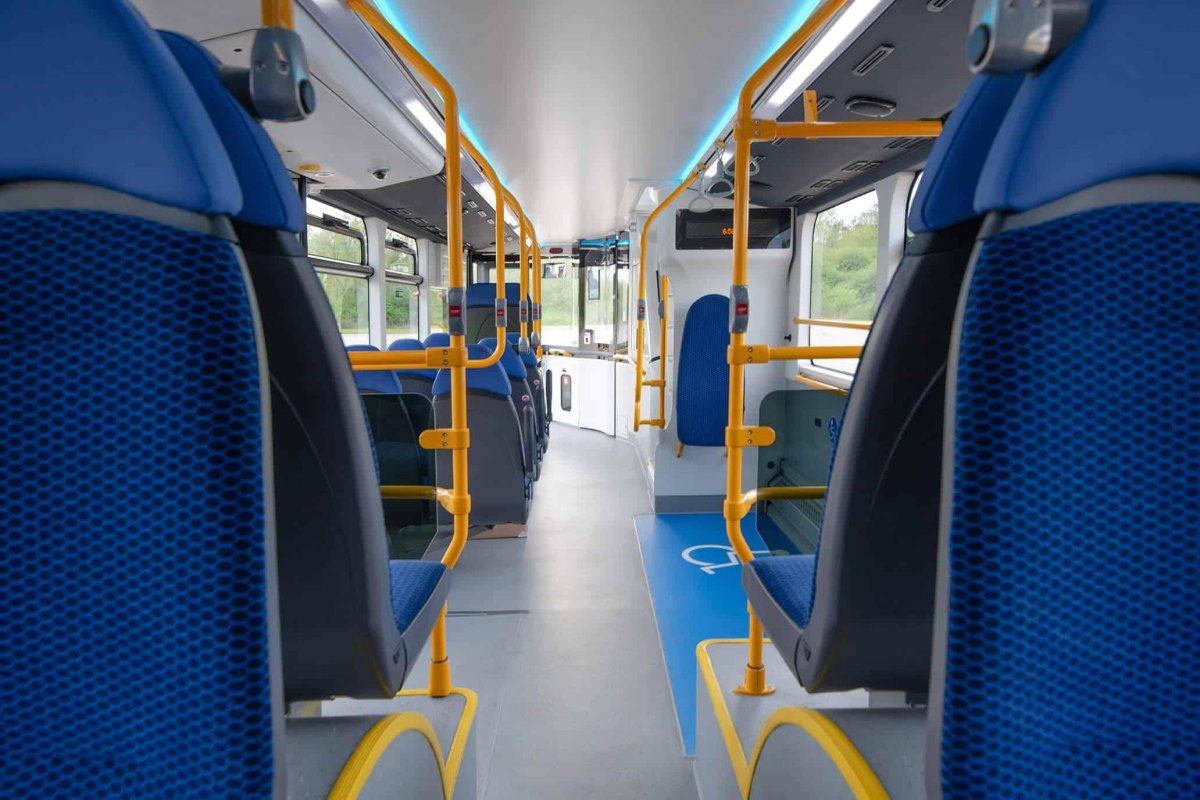
Electric buses create new layout opportunities because designers can rethink traditional mechanical spaces. Many newer models use flexible low-floor interiors to improve accessibility and passenger movement.
The smartest electric layouts I have seen treat the interior as a fresh design problem, not a copy of an old diesel bus.
Sleeper Bus Layout Ideas
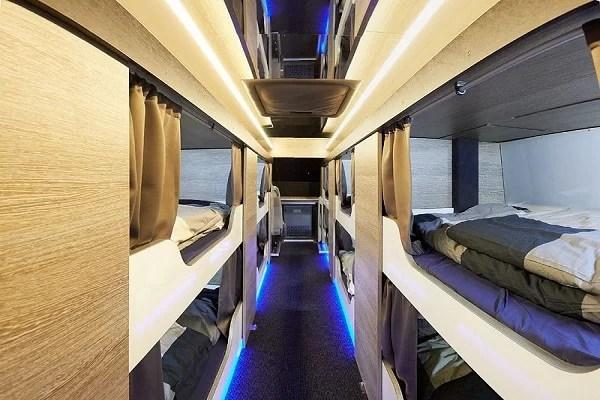
Sleeper buses are all about converting travel time into rest time. I look for designs with private sleeping areas, useful storage and enough room to move without disturbing others. New convertible sleeper concepts are exploring seats that transform between daytime and overnight use.
My planning tip
Do not underestimate lighting and noise control. A sleeping space needs calm more than decoration.
A good sleeper layout feels closer to a small cabin than a bus full of seats, but it still needs practical cleaning and maintenance access.
Mini Bus Layout Ideas
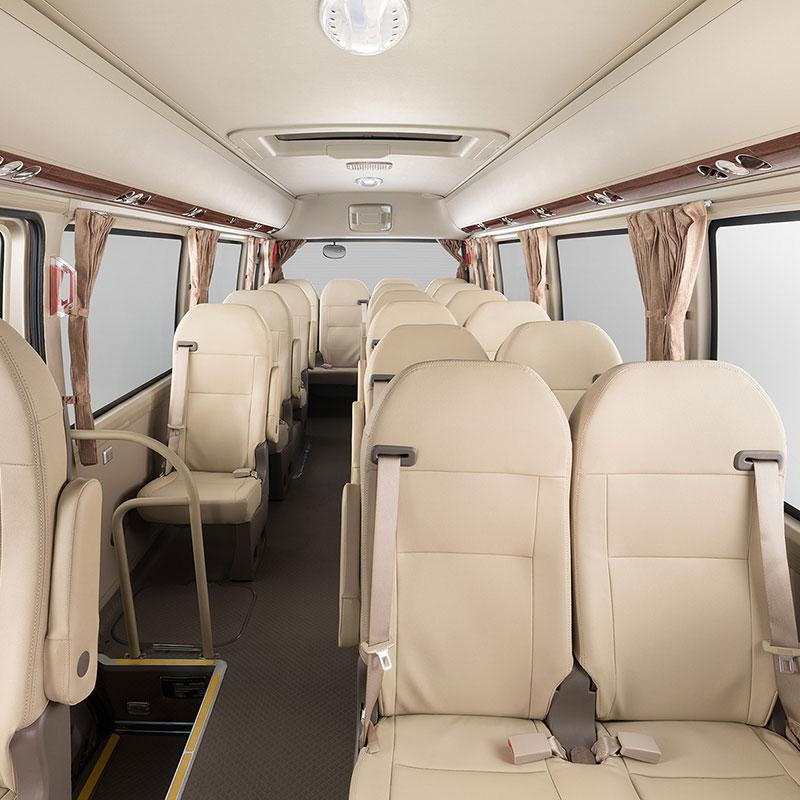
Mini buses have less room, so every centimetre matters. I usually focus on compact efficiency: enough seating for the route while keeping passengers comfortable.
The mistake I see most often is adding too many seats. A cramped mini bus can make a short trip feel much longer.
Tourist Bus Layout Ideas
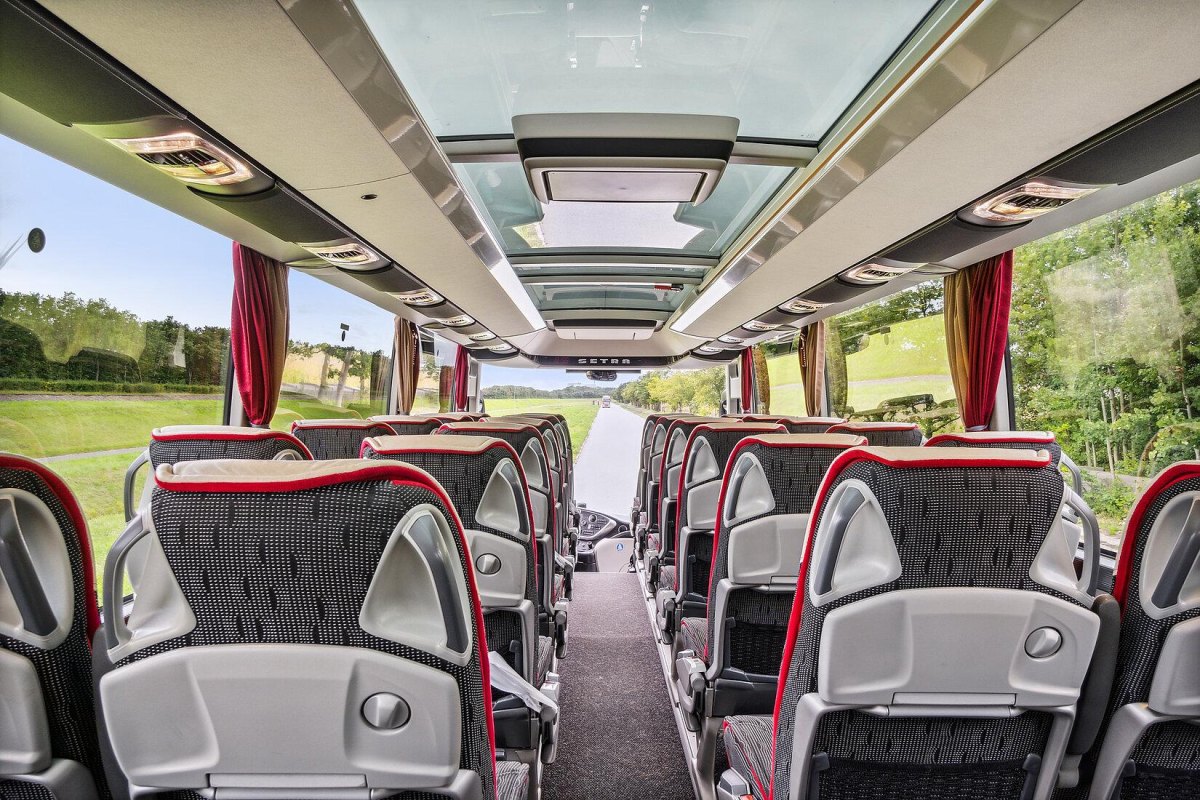
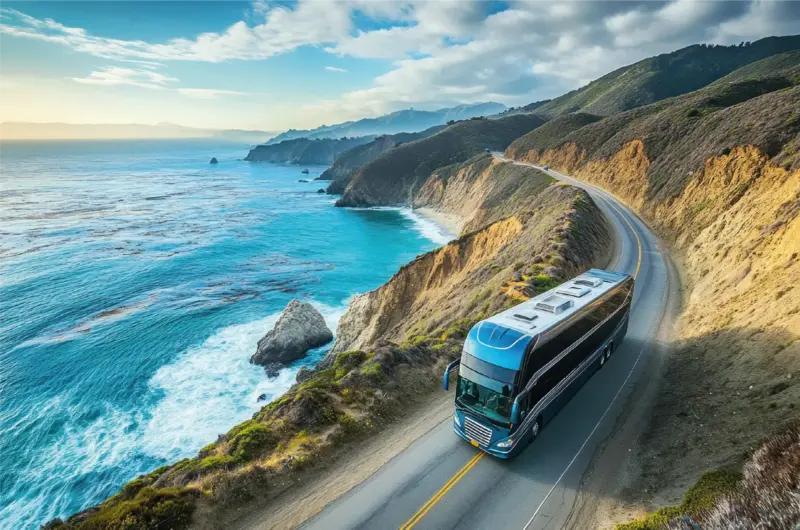
Tourist buses need to work for sightseeing, luggage and long periods of sitting. I like layouts that combine good viewing angles with practical passenger comfort.
Strong design choices
- Large windows
- Comfortable seats
- Useful guide areas
Common problems
- Tight leg space
- Poor luggage planning
- Blocked views
I would always test a tourist layout by sitting in the back row. That is where design mistakes become obvious.
Custom Luxury Bus Layout Ideas
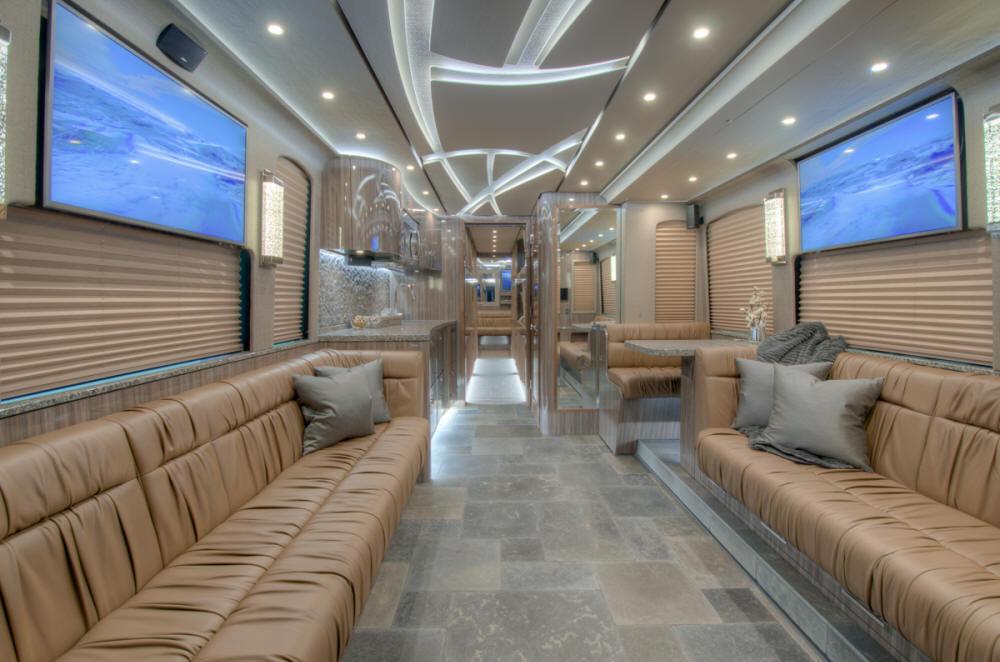
Custom luxury buses are where creativity can run wild, but I still start with practical questions. The best designs combine personalised interiors with reliable everyday use.
A detail worth planning
Built-in storage, charging, lighting controls and flexible seating often matter more than decorative finishes.
I would rather have a beautifully organised custom bus than one filled with expensive features that make daily use complicated.