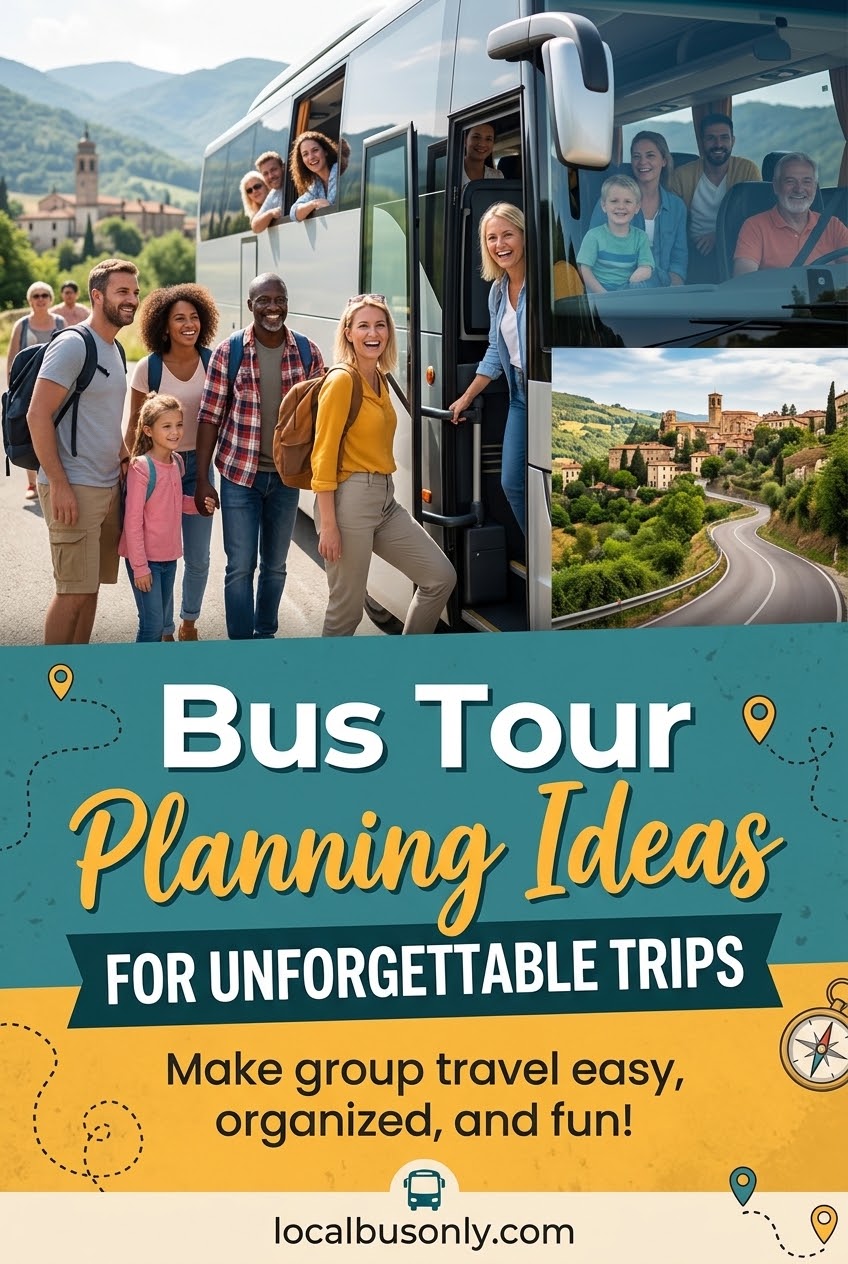
Planning a bus tour looks simple until the details start stacking up. I have learned that the best trips come from clear decisions early: who is travelling, why they are going, and how much time the day really allows.
I use the same approach I use for my own travel plans: build a realistic structure first, then add the memorable moments. A beautiful stop is no use if everyone arrives tired and rushed.
Summary
- Start with a clear tour purpose and audience.
- Balance attractions with comfort and realistic timing.
- Use feedback to make every future tour better.
Define the Purpose and Theme of Your Bus Tour
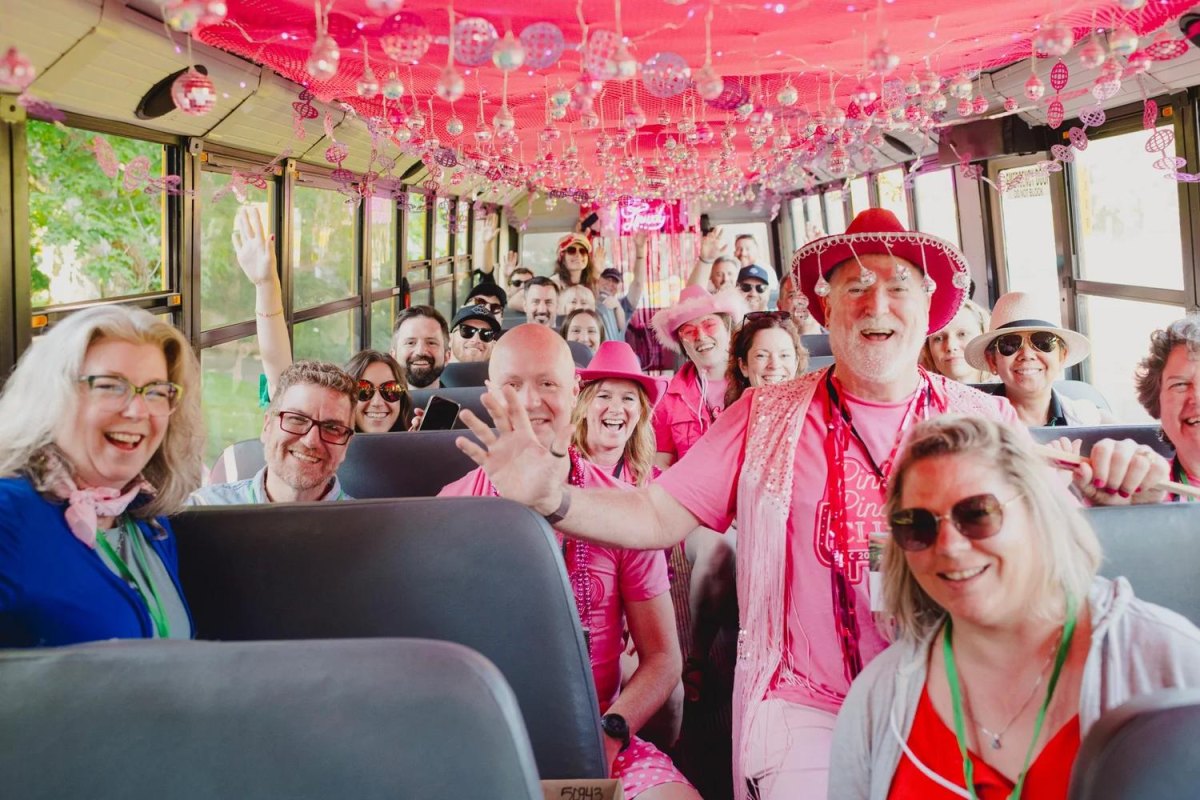
The first question I ask is not where the bus goes, but what the trip promises. A history tour, food outing, school excursion, and weekend escape all need different pacing and expectations.
I have found that a focused theme makes decisions easier. It guides the route, the stops, and even the kind of information the guide prepares. A defined purpose prevents a tour from becoming a collection of random places.
- Cultural tours: Focus on museums, heritage sites, and storytelling.
- Leisure tours: Leave more room for relaxed stops and social time.
Choose a Route with Memorable Stops
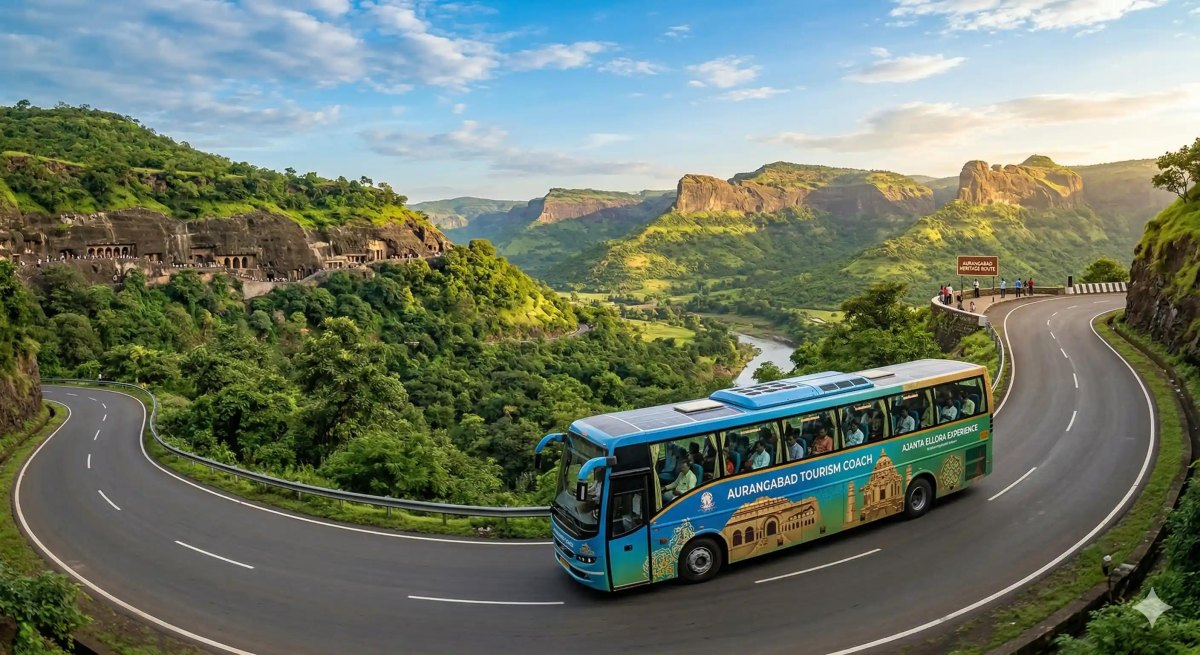
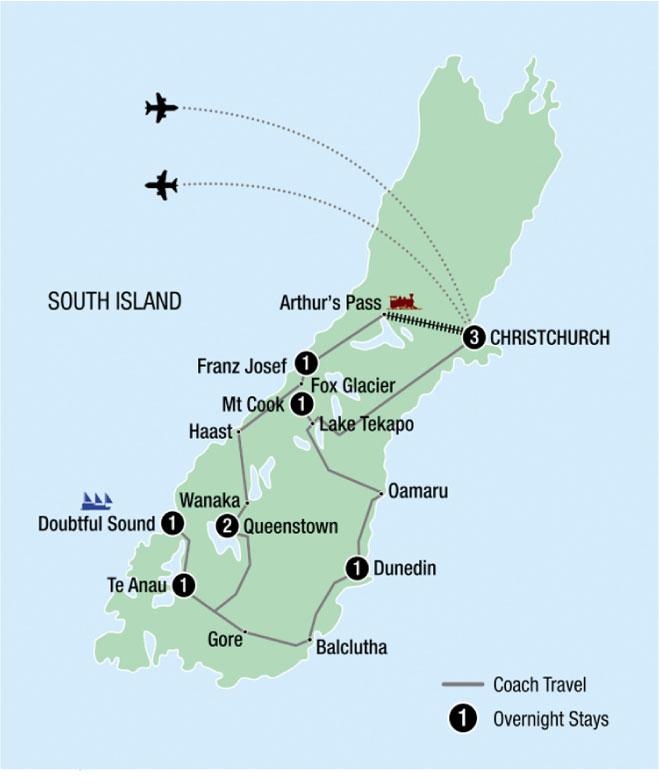
A route should feel like a journey, not a long transfer between attractions. I map every stop around realistic travel time, parking needs, and how long people actually want to stay.
My old planning habit from service work still helps here: I add buffers because delays happen. A route that only works when every departure is perfect is not a finished plan.
Planning tip
Leave space between major stops. Travellers remember comfortable days more than rushed checklists.
Plan Comfortable Seating and Passenger Needs
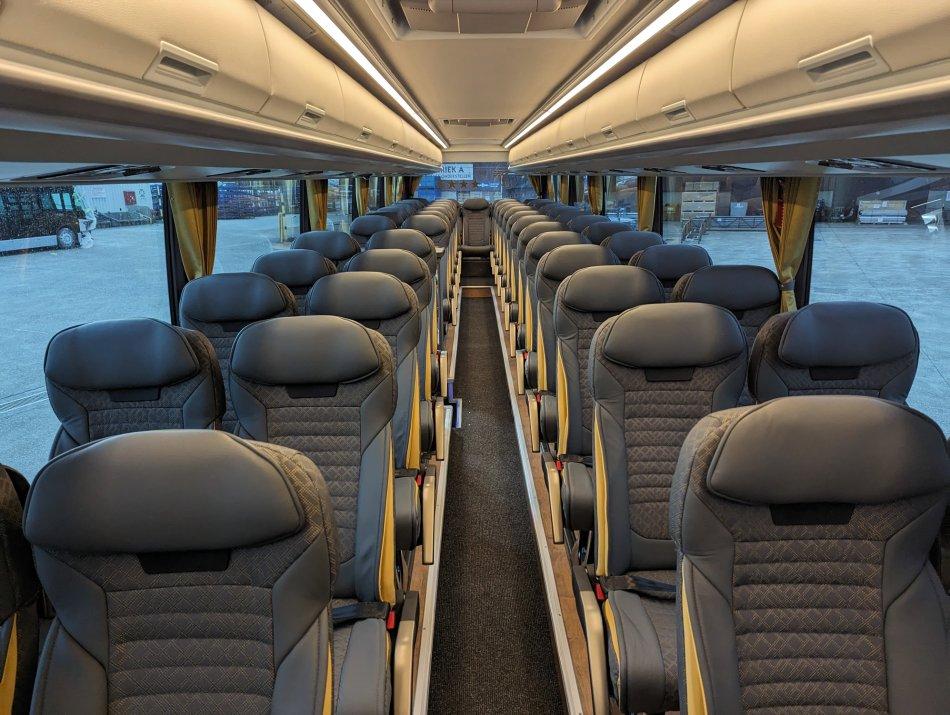
People notice the bus after the first hour, especially on longer trips. I pay attention to seat comfort and access, not just the destination list. Accessibility planning is also important because passengers may have different mobility needs.
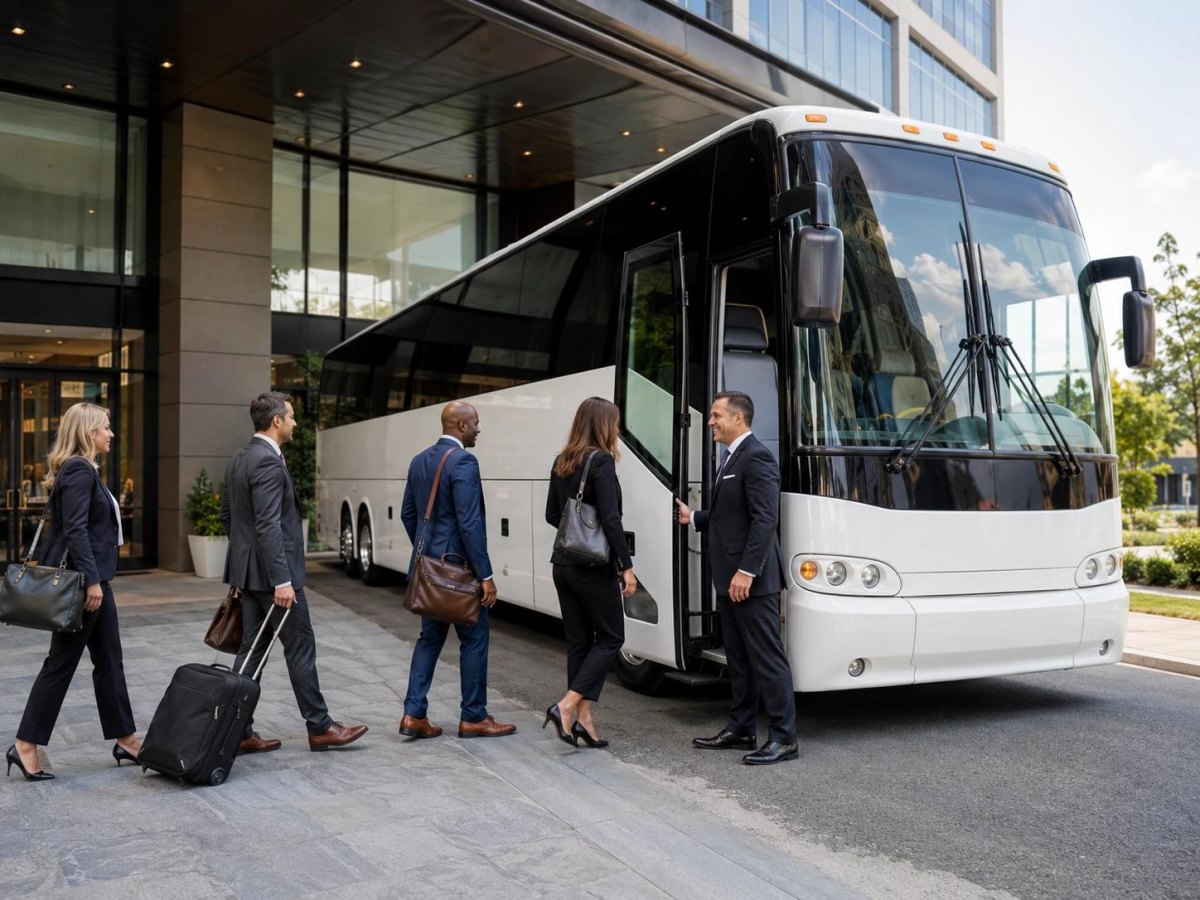
I check luggage space, climate control, boarding steps, and whether the seating arrangement suits the group. Small comfort choices often have the biggest effect on reviews.
- Confirm seating capacity.
- Explain accessibility details before booking.
- Plan space for bags and personal items.
Create an Engaging Tour Schedule
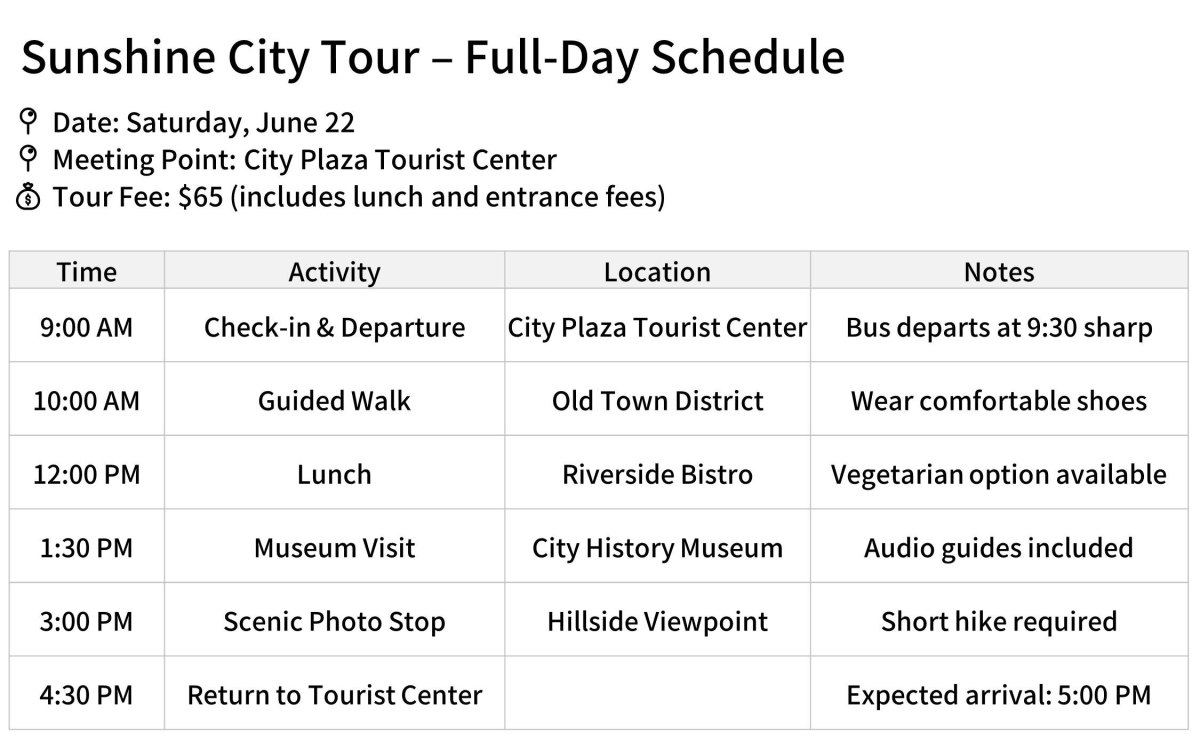
A schedule is more than a list of times. I build it around human energy levels. Nobody enjoys a packed itinerary that turns every stop into a race.
I usually plan the key moments first, then add meals, breaks, and flexibility. A practical timetable gives the guide confidence and gives passengers a better experience.
- Start. Set the departure and arrival expectations.
- Balance. Alternate activities with rest periods.
- Review. Check whether the timing feels realistic.
Add Local Experiences and Attractions
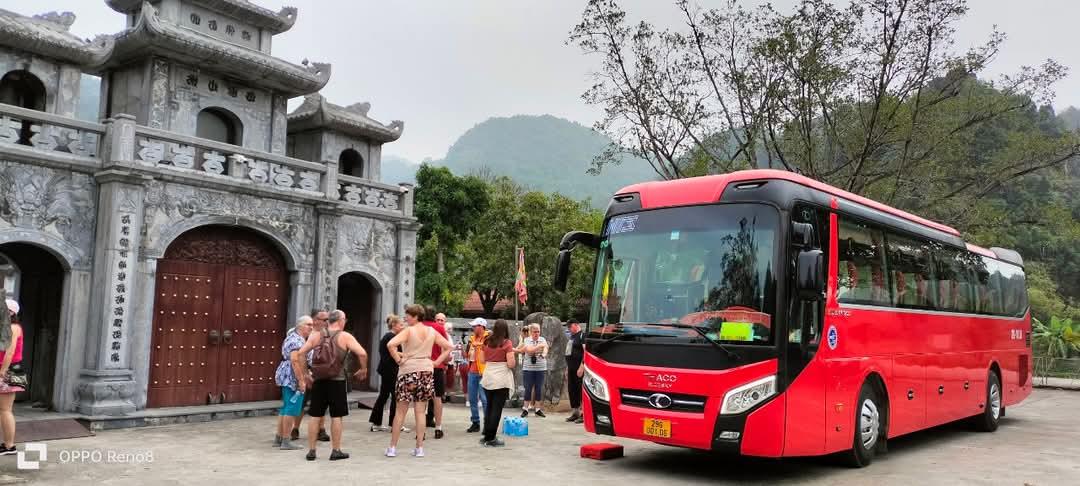
The strongest tours usually include something visitors cannot get from a quick online search. I look for genuine local experiences rather than simply collecting famous stops.
I also remind planners to respect communities. A good tour introduces a place without treating residents as part of the scenery.
My approach
I prefer one excellent local experience over five rushed attractions.
Prepare Safety and Travel Guidelines
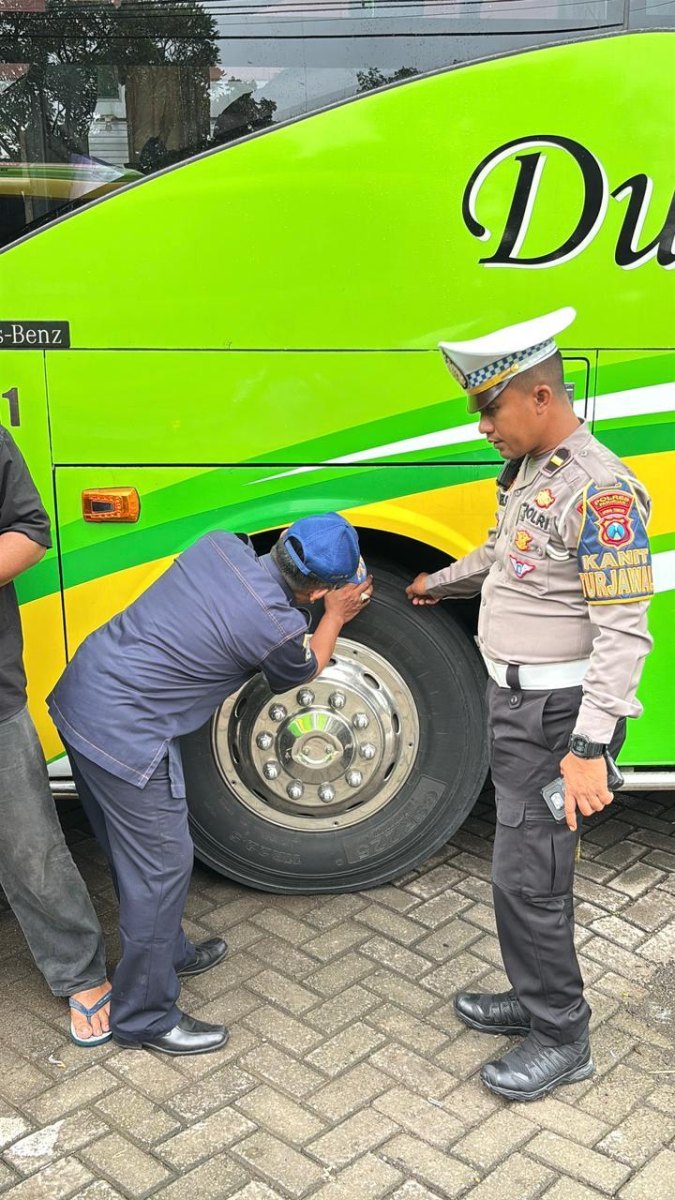
I treat safety as good organisation, not a dramatic warning. Clear instructions about meeting points and timing prevent many common problems.
I include practical details such as emergency contacts, stop locations, and passenger expectations. Transport guidance increasingly focuses on safe, accessible journeys for all passengers.
Avoid this mistake
Do not assume everyone understands the schedule. Repeat important details clearly.
Organize Food, Rest Breaks, and Refreshments
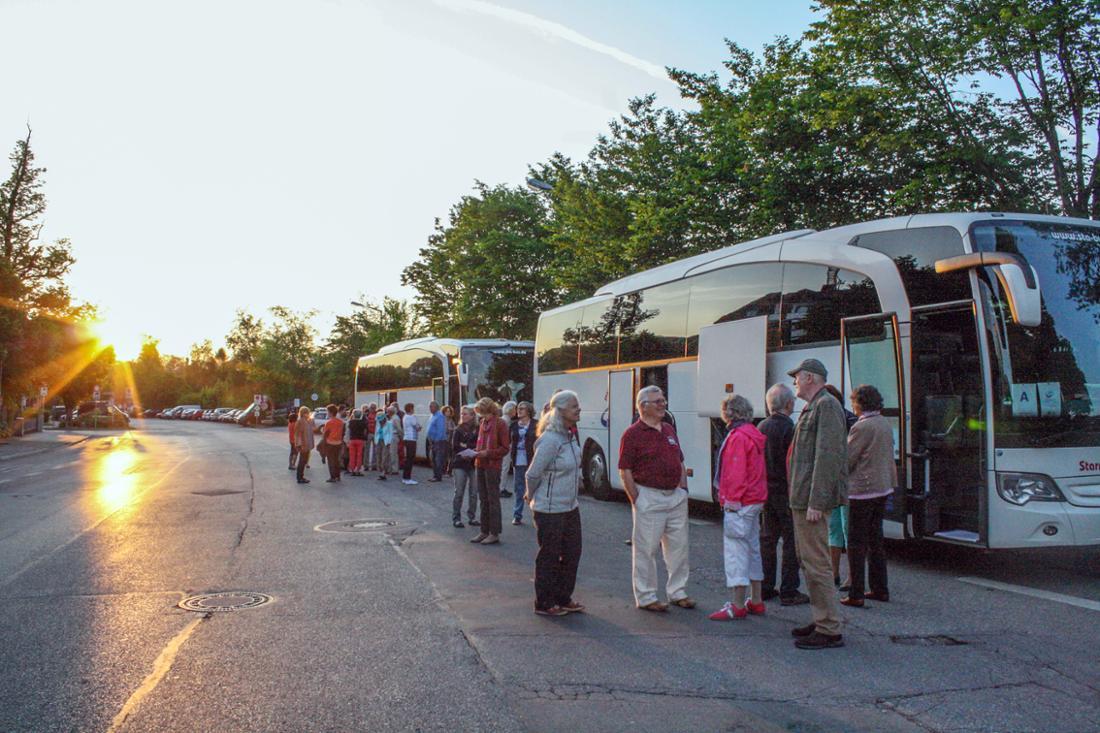
Food stops are part of the itinerary, not an afterthought. I plan them with enough time to relax, especially when groups include different ages and mobility levels.
On longer tours, regular breaks make the journey feel much easier. I also confirm what facilities are available instead of promising something I have not checked.
| Stop type | Planning check |
|---|---|
| Meal stop | Capacity and waiting time |
| Rest stop | Bathrooms and accessibility |
Use Entertainment and Activities During the Ride
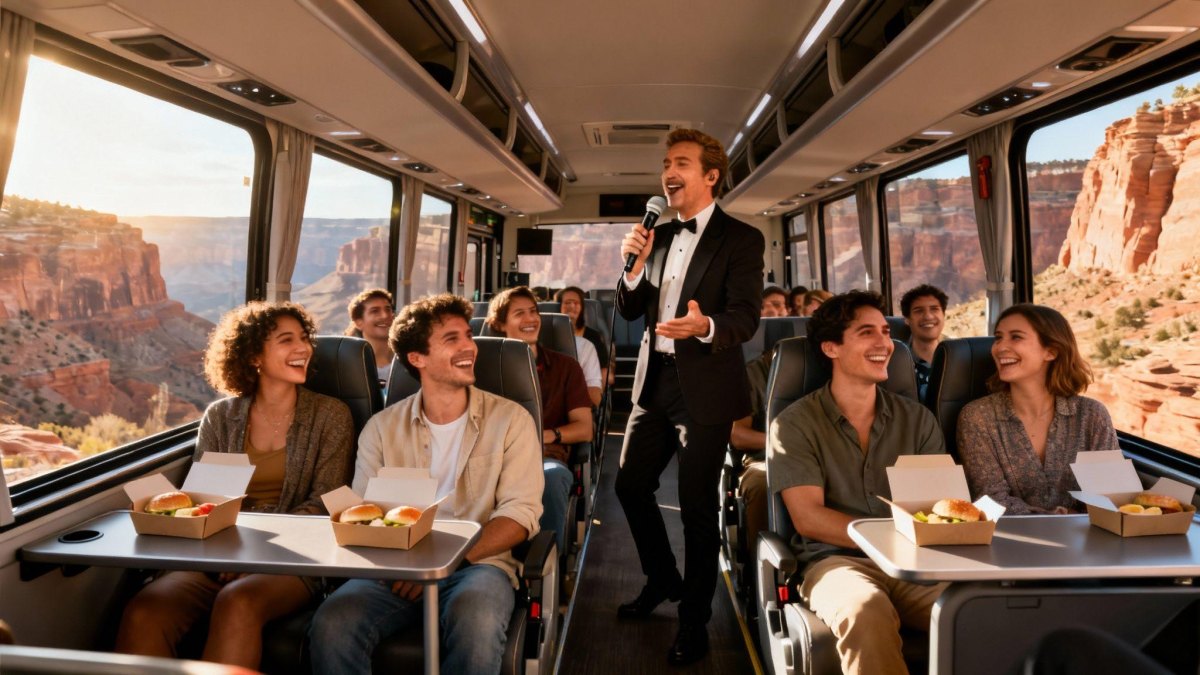
Long rides need some variety. I like simple onboard activities that suit the group rather than forcing constant entertainment.
A knowledgeable guide, local stories, quizzes, or short introductions can transform travel time. The trick is knowing when passengers want information and when they want quiet.
Benefits
- Keeps groups connected.
- Makes travel time memorable.
Watch for
- Overplanning activities.
- Ignoring quiet travellers.
Promote Your Bus Tour Effectively
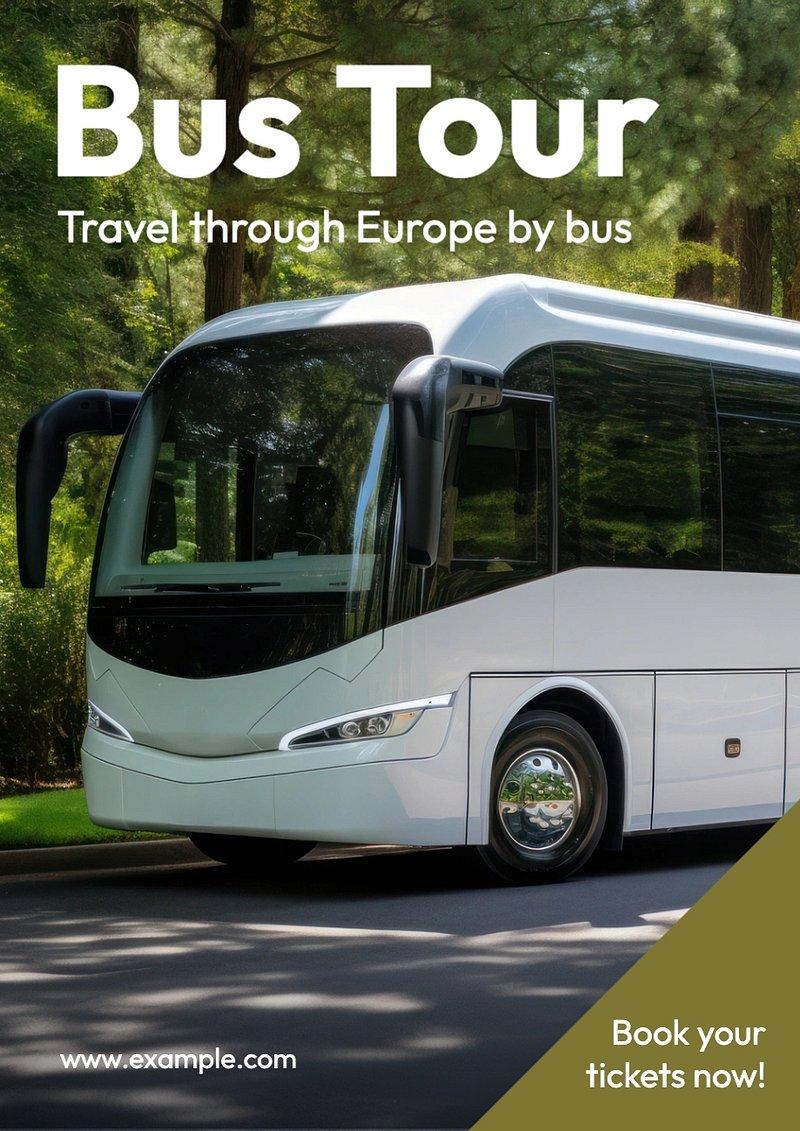
Marketing works best when it answers practical questions. I focus on clear trip details: duration, stops, costs, and what is included.
People are more likely to book when expectations match reality. I avoid exaggerated promises because disappointed travellers are hard to win back.
1
Clear itinerary message should come before creative advertising.
Review Feedback and Improve Future Tours

I always want to know what passengers actually experienced, not just what I hoped they experienced. A short survey after the trip can reveal useful improvements for future routes.
I look for patterns: Was the schedule too tight? Was a stop too short? Did people love an unexpected moment? Honest feedback is one of the best planning tools available.
The best tours are improved one journey at a time.
Marnie Doyle