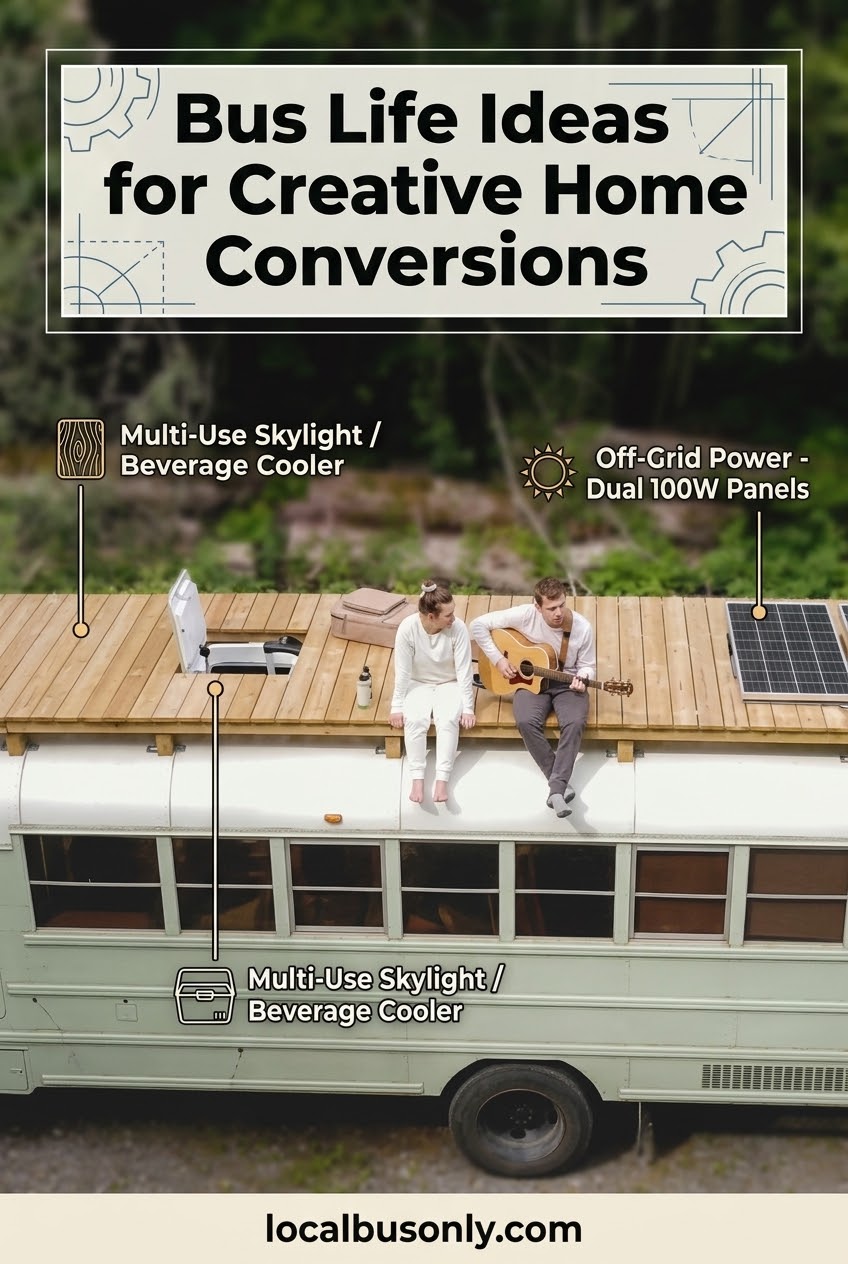
Turning a bus into a home is less about making a tiny house on wheels look perfect and more about making every metre work. I have collected the ideas I would actually borrow, focusing on practical bus layouts, realistic storage, and systems that make daily life easier.
Good conversions usually start with careful planning because a bus is long, narrow, and full of fixed challenges. The best designs treat the space as a home first and a vehicle second.
Creative Bus Interior Layouts
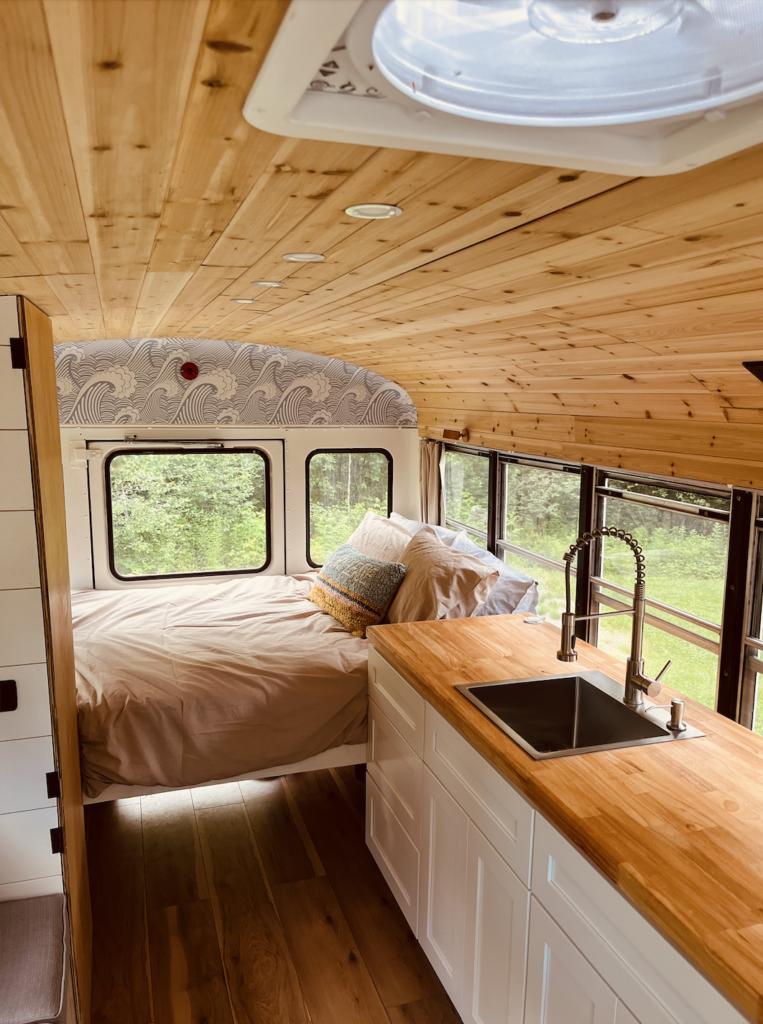
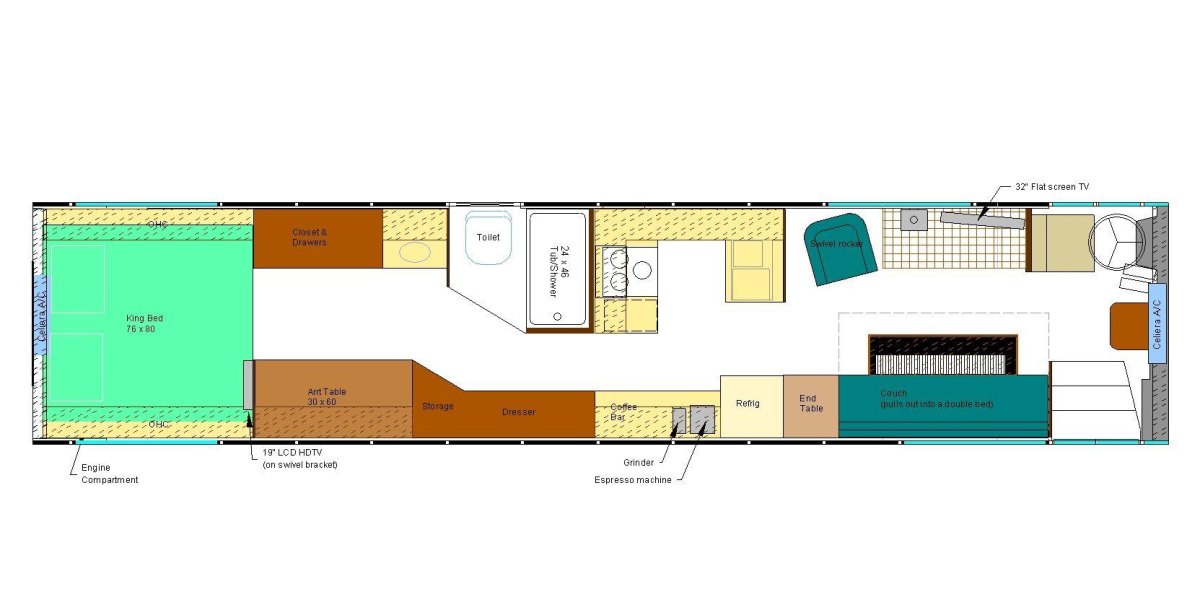
The first decision I would make is the floor plan. A beautiful finish cannot rescue a layout that makes cooking, sleeping, or moving around annoying every day. Many successful skoolie designs focus on flexible living zones that combine seating, storage, and work areas.
Layout ideas I would consider
- Convertible benches that become beds
- A clear walking path through the bus
- Multi-use furniture instead of single-purpose pieces
I like designs that leave room for changing routines. A dining area might become an office in the morning, while a sofa might become guest sleeping space at night.
Off-Grid Bus Living Setups

Off-grid living sounds wonderfully simple until you are counting every watt and litre. A reliable setup usually combines solar power systems, battery storage, water planning, and careful energy habits. Modern RV electrical upgrades often include solar, lithium batteries, and improved charging equipment.
My practical tip
Live with your power limits on paper before buying equipment. It is cheaper to redesign a spreadsheet than replace an expensive system.
Compact Kitchen Ideas for Bus Life
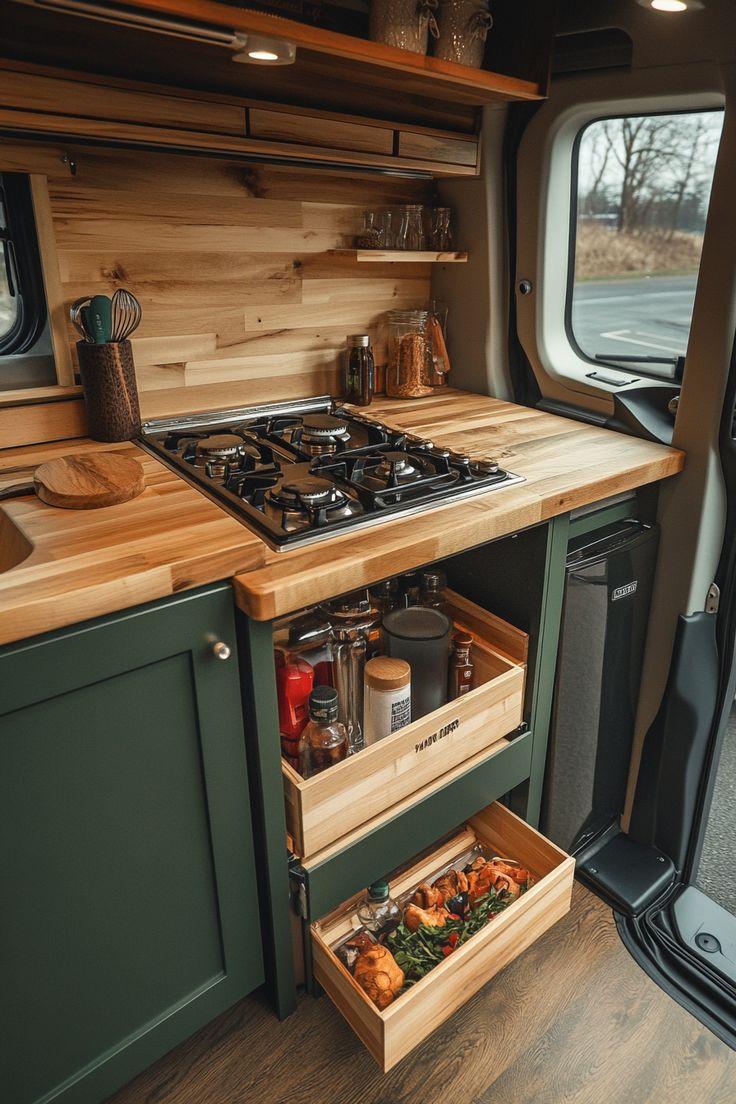
A bus kitchen does not need to be large, but it needs to be organised. I would prioritise efficient kitchen zones with storage near where each item is used. Tiny home kitchens often rely on vertical storage and carefully planned cabinets because every centimetre matters.
| Kitchen feature | Why it helps |
|---|---|
| Pull-out drawers | Use narrow spaces efficiently |
| Compact appliances | Reduce wasted counter space |
| Wall storage | Keeps daily items accessible |
I would avoid building a dream kitchen that steals the rest of the home. In a bus, balance matters more than size.
Space-Saving Storage Solutions
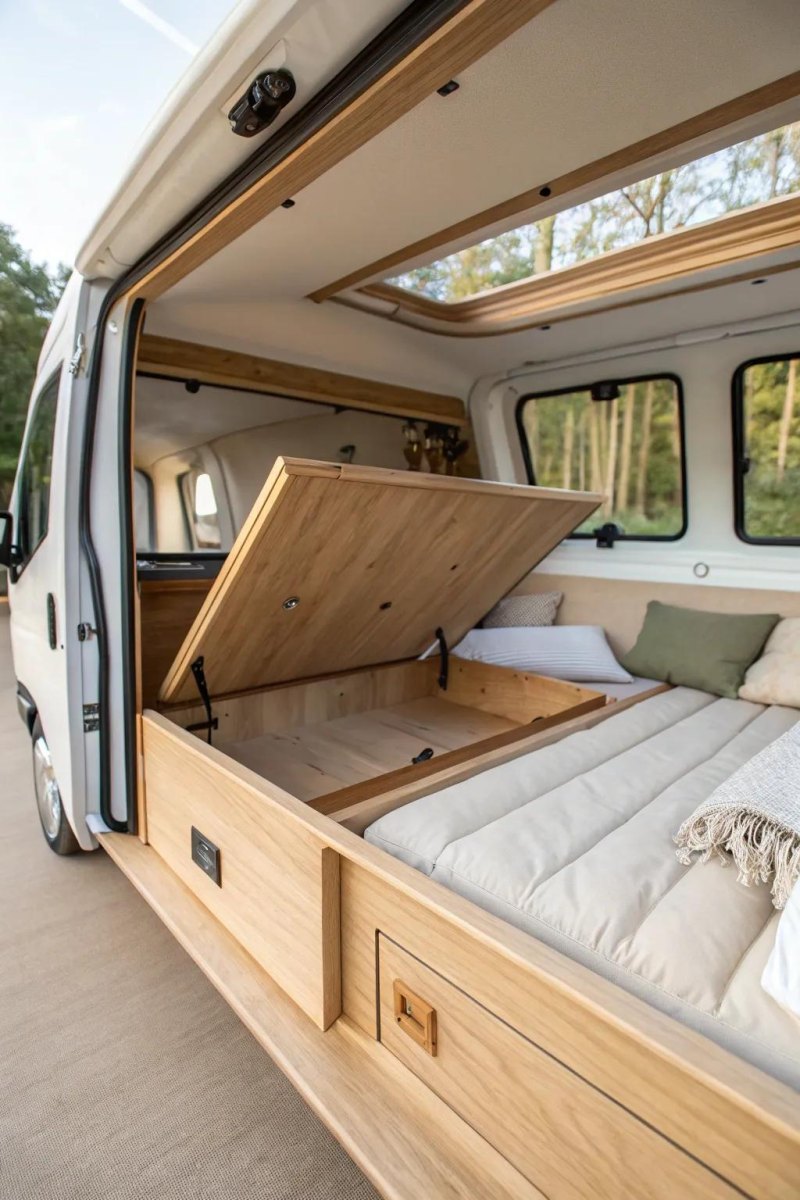
Storage is where many bus conversions succeed or fail. I prefer hidden storage solutions that keep everyday items reachable without filling the living area with cupboards. Clever conversions often use under-seat spaces, built-ins, and overlooked corners.
Common mistake
Adding storage everywhere can make a bus feel smaller. Leave some empty space so the home can breathe.
Outdoor Living Areas for Bus Travelers
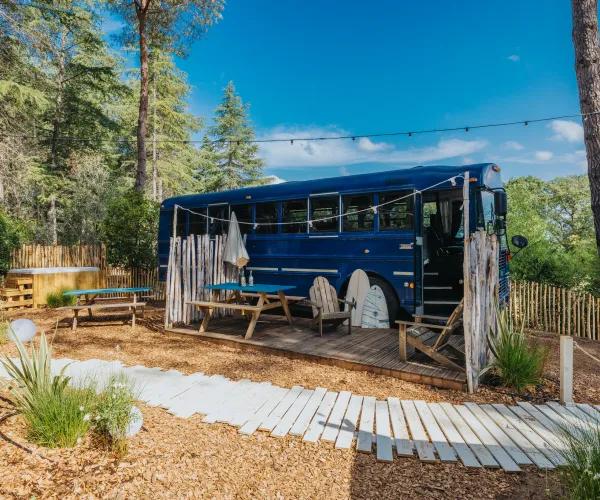
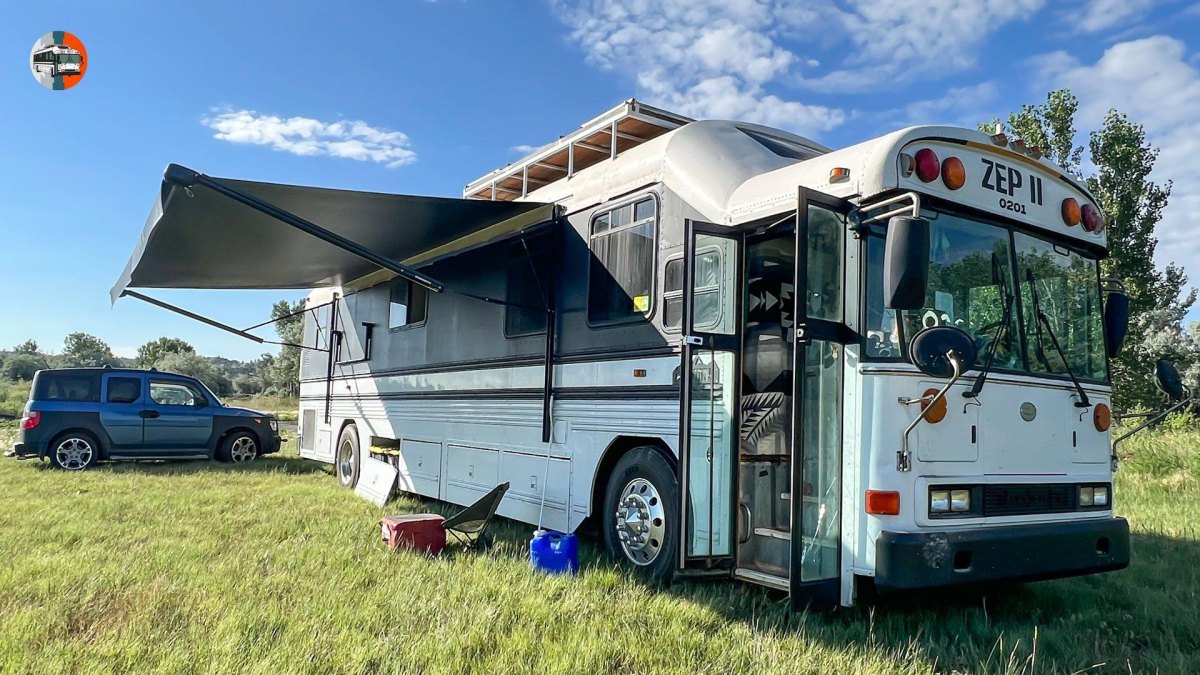
The space outside the bus becomes part of the home, especially during good weather. I would plan for a simple outdoor living setup with comfortable seating, shade, and a place to cook or relax.
Benefits
- Makes the interior feel larger
- Creates a pleasant social area
- Keeps cooking smells outside
Challenges
- Weather affects usability
- Requires packing and setup
- Needs secure storage when travelling
I like outdoor spaces that stay simple. A chair, a small table, and shade can be more useful than a complicated setup.
Sustainable Bus Life Upgrades
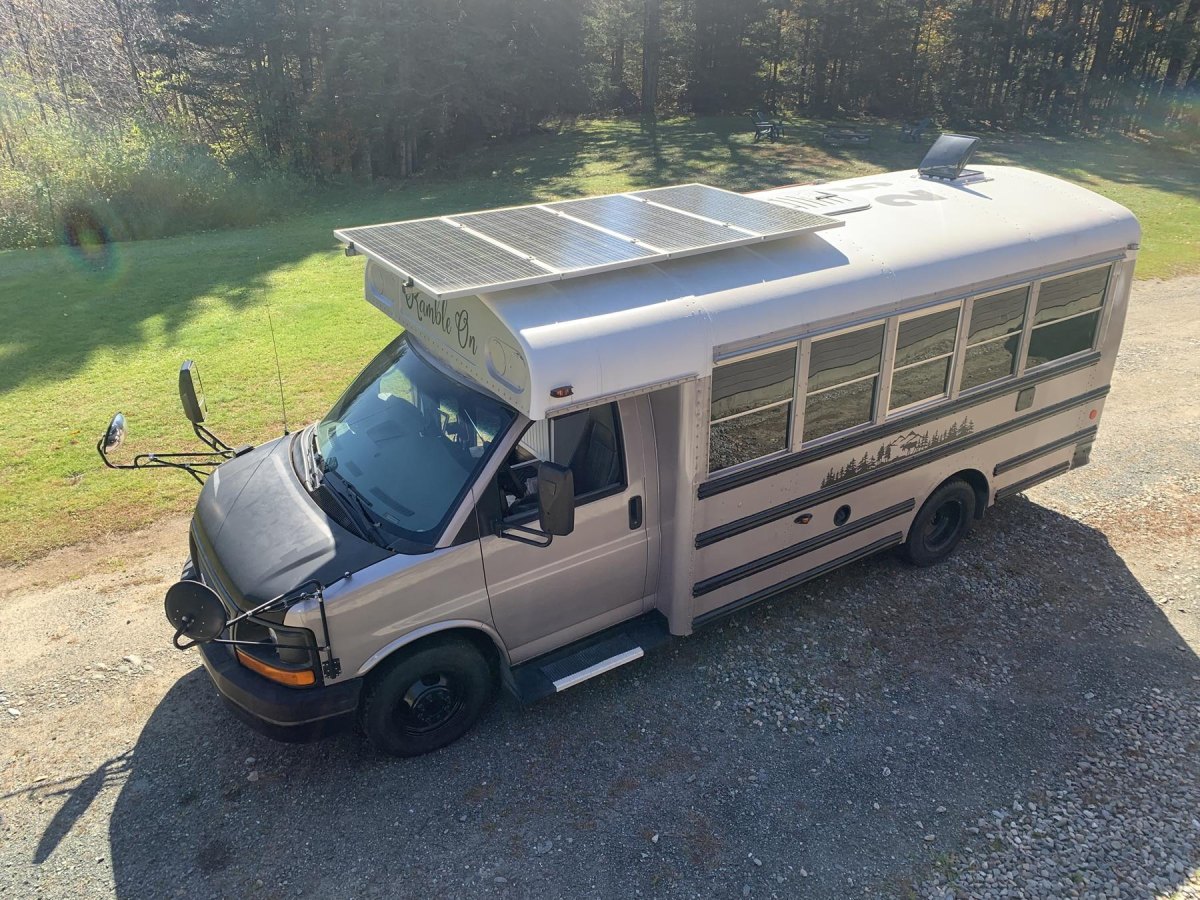
Sustainability in a bus home is usually about reducing waste and improving efficiency rather than chasing every new gadget. I would focus on long-term upgrades like efficient appliances, solar power, and durable materials. RV energy systems increasingly use solar and lithium technology for more independent travel.
The most sustainable conversion is usually the one you can maintain for years, not the one with the longest equipment list.
Adventure-Ready Bus Travel Designs

A travel-ready bus needs more than a pretty interior. I would build around reliable adventure features such as durable storage, easy maintenance access, and layouts that work after a long day on the road.
1
A well-planned bus can serve as a home, workspace, and travel base.
The best small spaces are designed around how people actually live.
Marnie DoyleMy favourite conversions are not the most expensive ones. They are the ones where every choice has a reason, from the sleeping area to the cupboard handle you touch every morning.