Living in a converted bus looks simple from the outside, but the small details decide whether it feels like home or a constant repair project. I have learned that the best setups focus on daily comfort rather than filling every corner with gadgets.
This guide covers the essentials I would prioritise before moving into a bus conversion, from sleeping arrangements to power systems and storage. I also keep an eye on current build trends, including modular power systems and compact layouts used by modern van and bus builders.
Compact Sleeping Setup
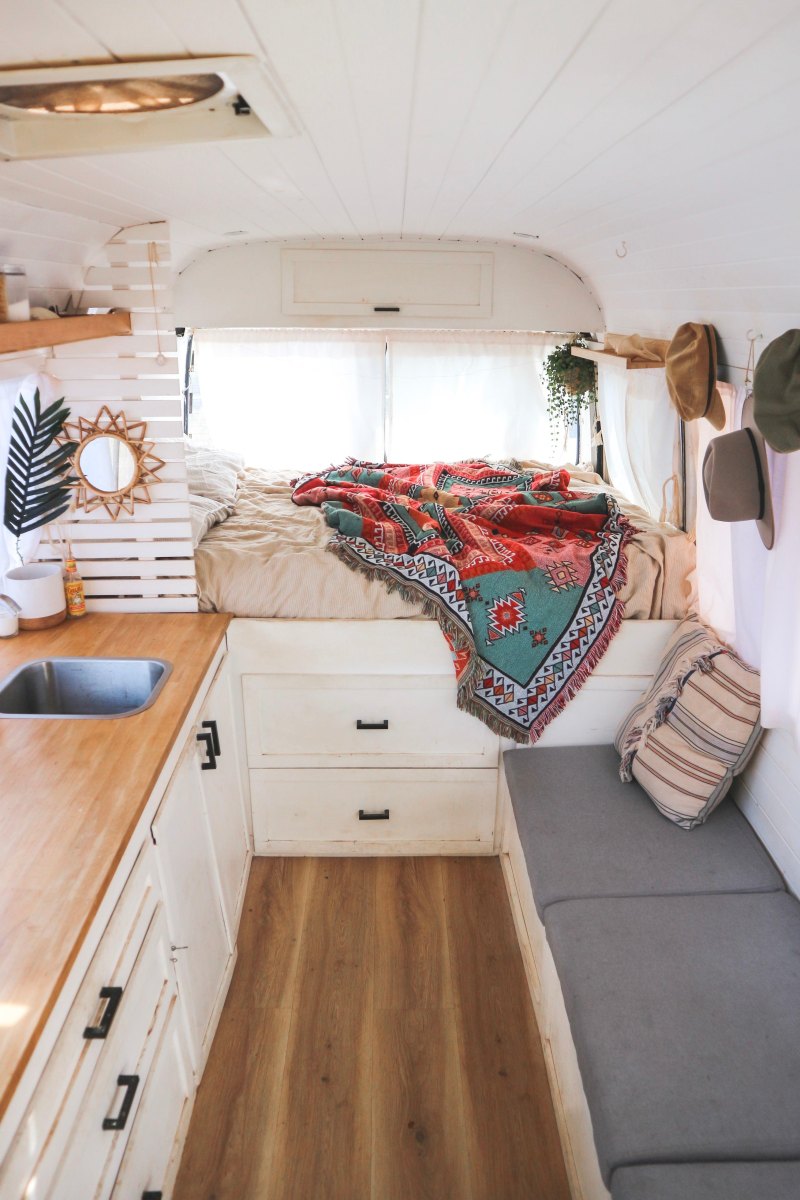
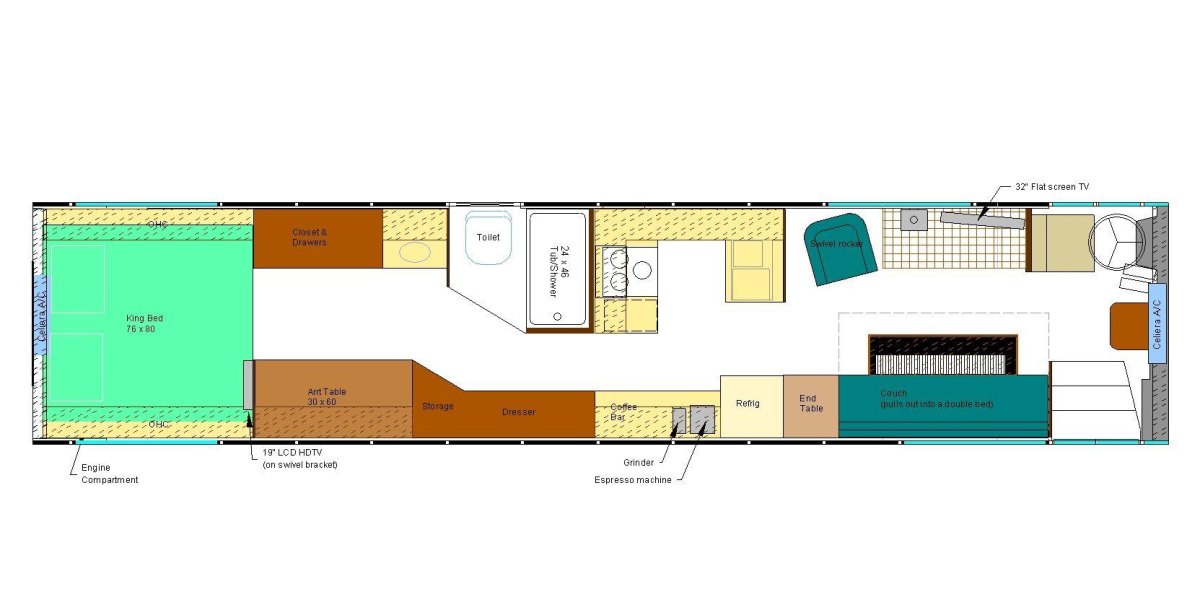
A good night's sleep is the first test of any bus home. I would spend money on a proper mattress before decorative extras because rest matters every day. A platform bed with built-in storage underneath is usually the most practical use of limited floor space.
I prefer designs that allow easy access without climbing over furniture. Some recent DIY conversions have focused on centered beds and custom-cut mattresses to improve movement inside the bus.
Efficient Kitchen Essentials
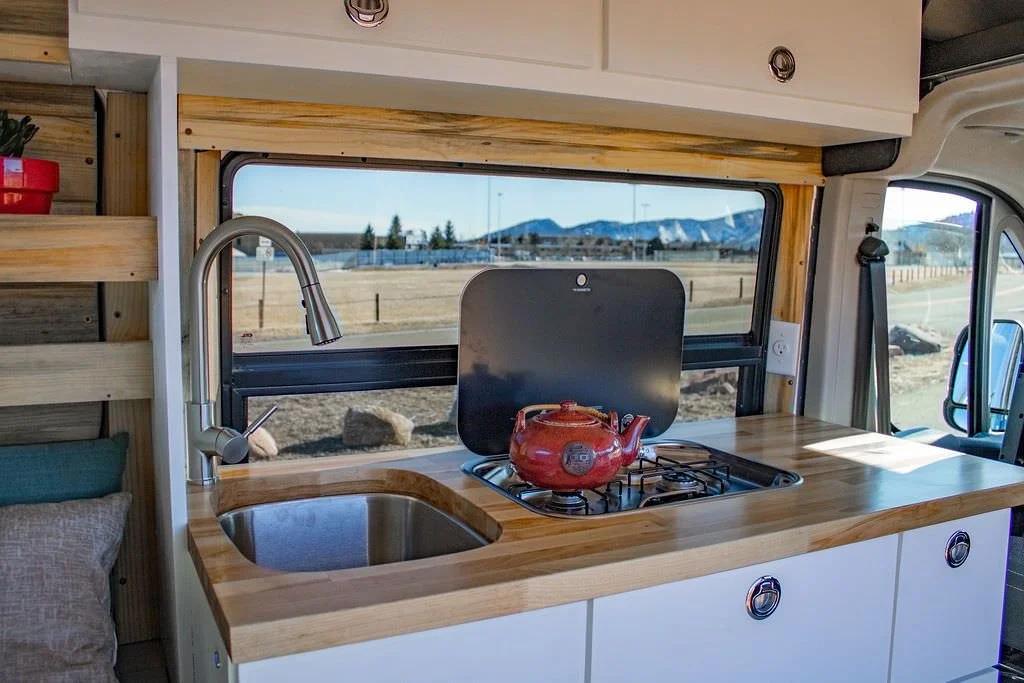
A bus kitchen does not need to copy a house kitchen. My ideal setup has the basics: a reliable cooking surface, compact sink, food storage, and enough counter space for preparing simple meals. The key is efficient kitchen design.
I avoid buying appliances before measuring available power and storage. A small kitchen that works every day beats a crowded one full of equipment I rarely touch.
| Item | Why I keep it |
|---|---|
| Compact stove | Quick everyday cooking |
| Small refrigerator | Keeps food organised |
| Foldable counter | Adds workspace when needed |
Off-Grid Power Solutions
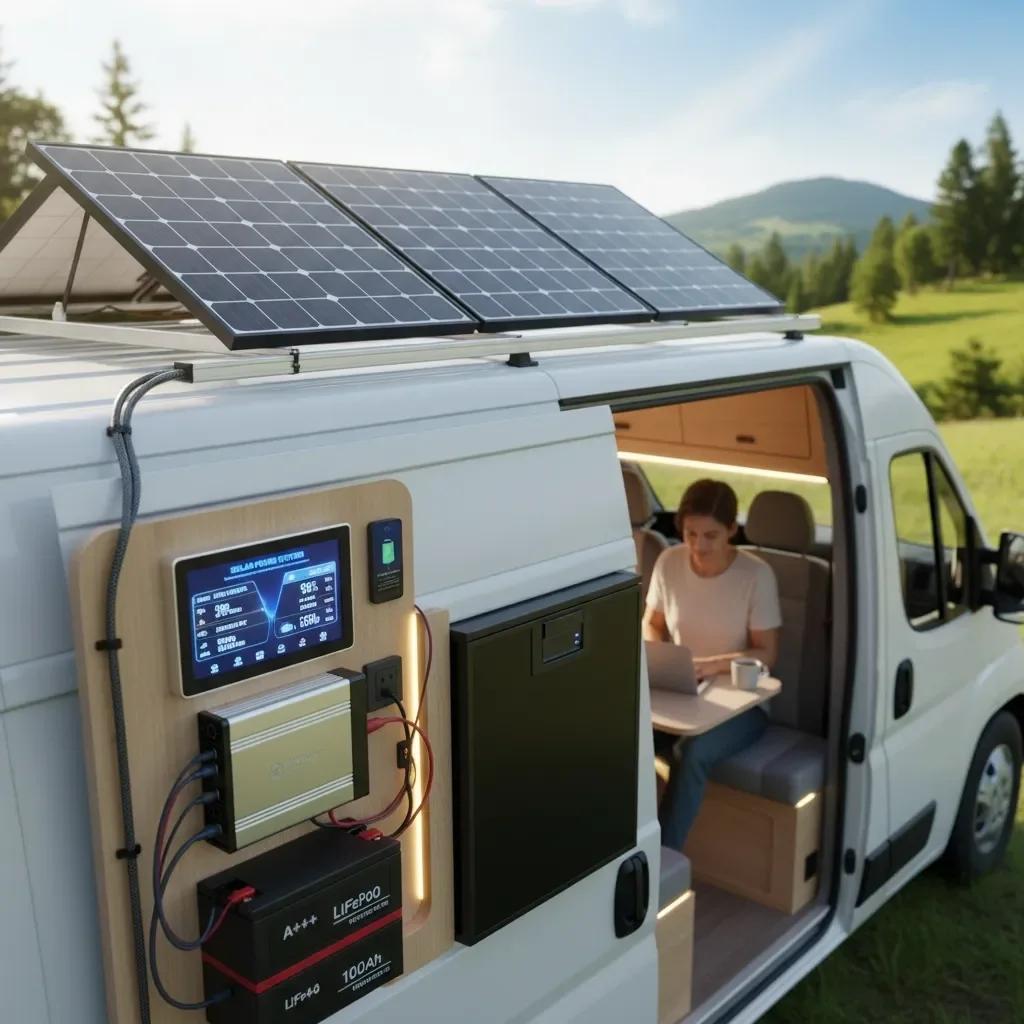
Power planning is where many conversions become complicated. I start with what I actually need to run, then build around that. Solar panels, batteries, and charging options should match your habits rather than someone else's setup. Reliable energy planning prevents frustration.
Modern off-grid builds often combine rooftop solar, battery storage, and flexible charging methods. Some creators have tested hybrid systems using portable power stations for work and travel.
Practical tip
Calculate your daily electricity use before buying batteries or solar equipment. Overspending on unused capacity is a common mistake.Water Storage and Plumbing
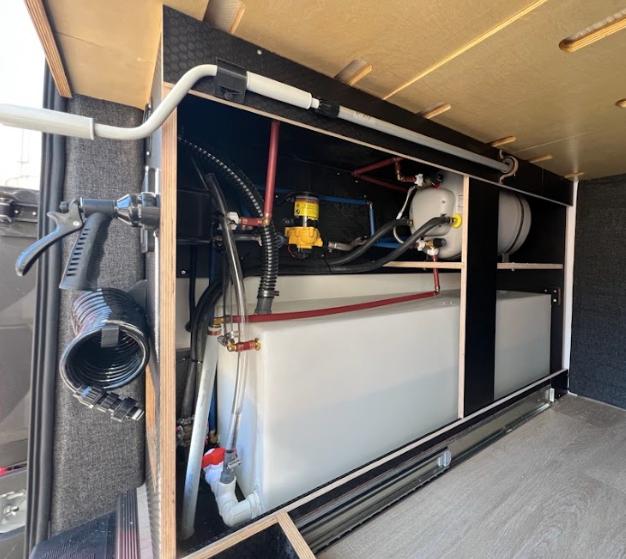
Water systems are not glamorous, but they decide how comfortable a bus feels. I focus on easy maintenance: accessible tanks, simple plumbing routes, and a pump that can be repaired without dismantling half the interior. Simple water systems usually last longer.
My advice is to separate drinking water, washing needs, and waste management plans from the beginning. A tidy installation saves time when something eventually needs attention.
Smart Storage Organization
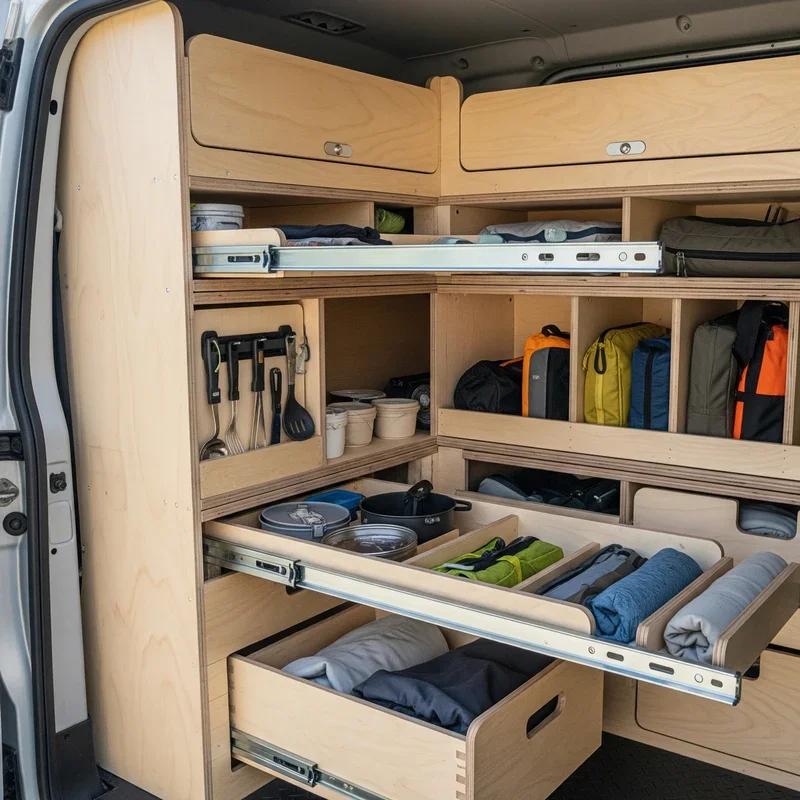
Storage is where good bus conversions separate themselves from average ones. I have found that accessible storage spaces are more valuable than simply having more storage.
Use vertical areas, under-bed compartments, and multi-purpose furniture. Every item should have a home because searching through piles in a moving vehicle gets old quickly.
Comfortable Living Area
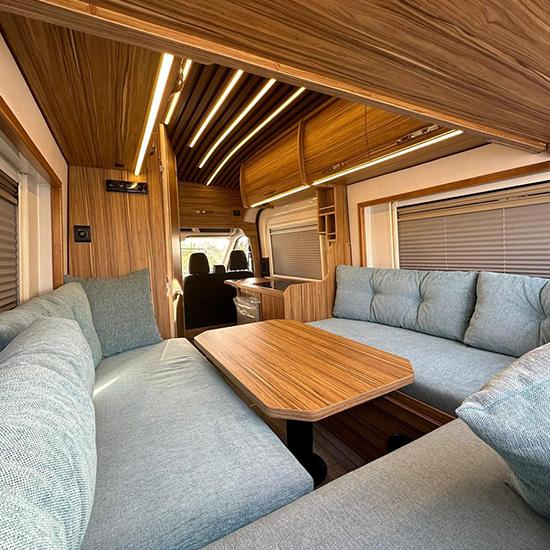
The living area is where a bus starts feeling like a home rather than a vehicle. I like flexible furniture that can change roles, such as benches that become dining areas or workspaces. Multi-use furniture earns its space.
A smaller interior does not need to feel cramped if the layout supports everyday routines. Good lighting, comfortable seating, and clear walking paths make a noticeable difference.
Benefits
- Flexible use of limited space
- More comfortable daily routines
Trade-offs
- Furniture often needs custom work
- Layouts require careful planning
Climate Control and Ventilation
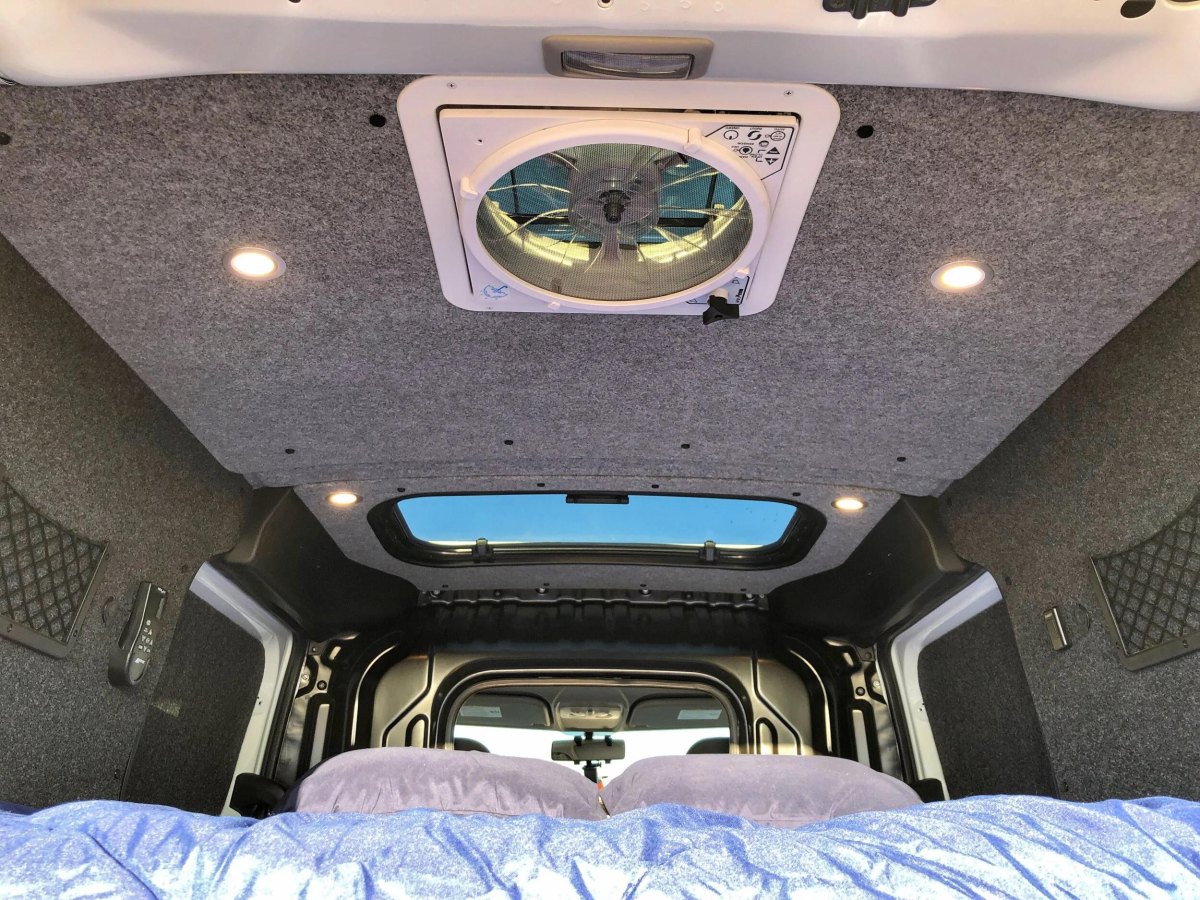
Temperature control is one of the biggest practical challenges in a bus. Insulation, ventilation fans, and sensible window coverings create a more stable interior. Airflow and insulation are not optional extras.
I would rather improve the shell of the bus first than rely only on heaters or air conditioners. Reducing heat loss and heat gain makes every system work better.
Common mistake
Ignoring ventilation can lead to condensation problems, especially when cooking or sleeping inside a small space.Bathroom and Hygiene Essentials
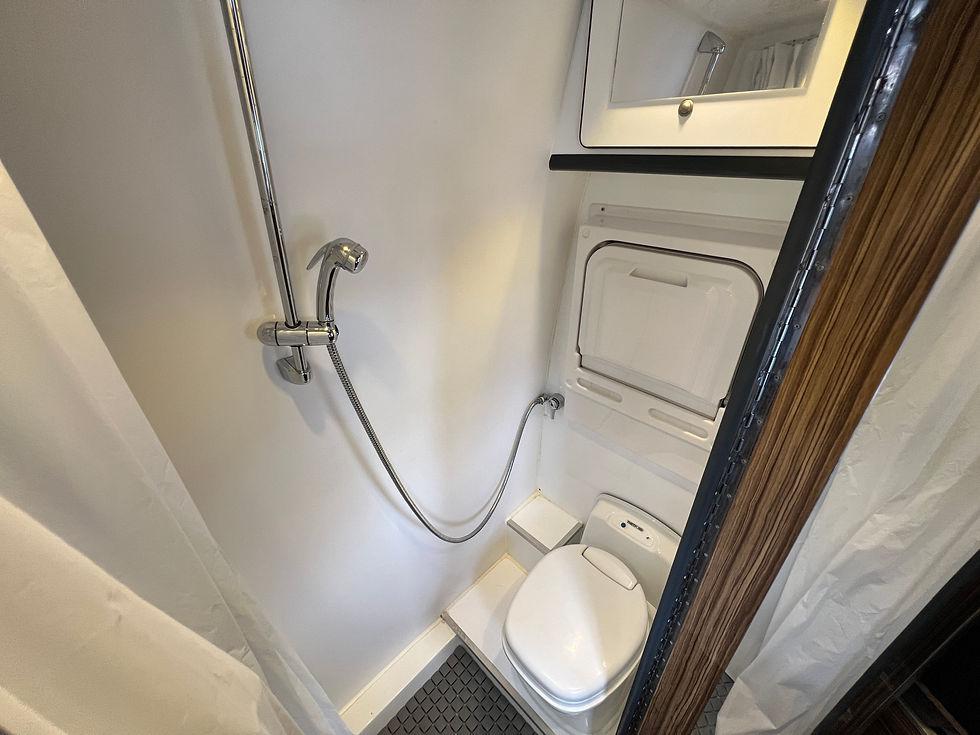
A bathroom setup depends heavily on how and where you travel. Some people need a full shower system, while others prefer a simpler arrangement with fewer maintenance demands. Practical hygiene choices matter more than copying another build.
I recommend planning around your real habits. Extra plumbing, tanks, and equipment add weight and complexity, so every feature should earn its place.
My bathroom priorities
- Easy cleaning materials
- Reliable water management
- Enough privacy for daily use
Safety and Travel Gear
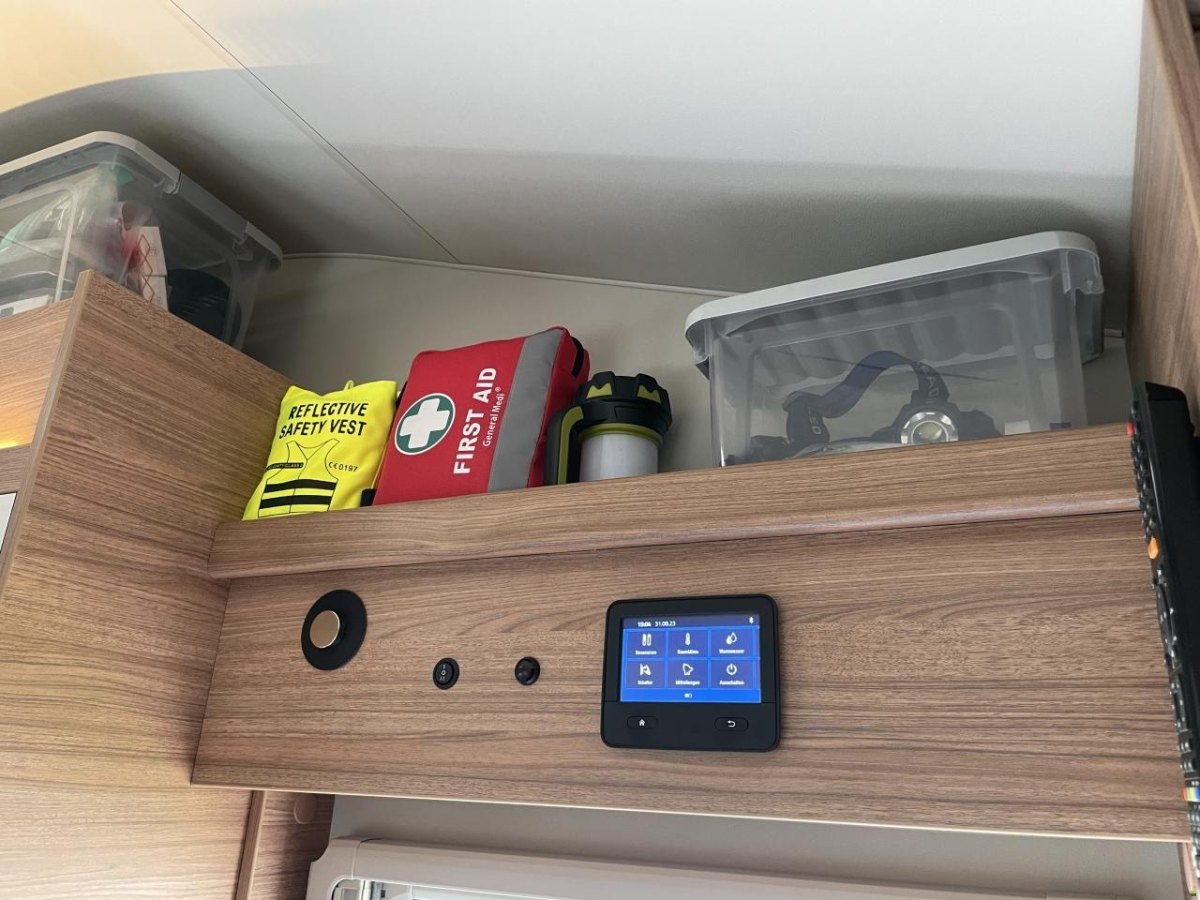
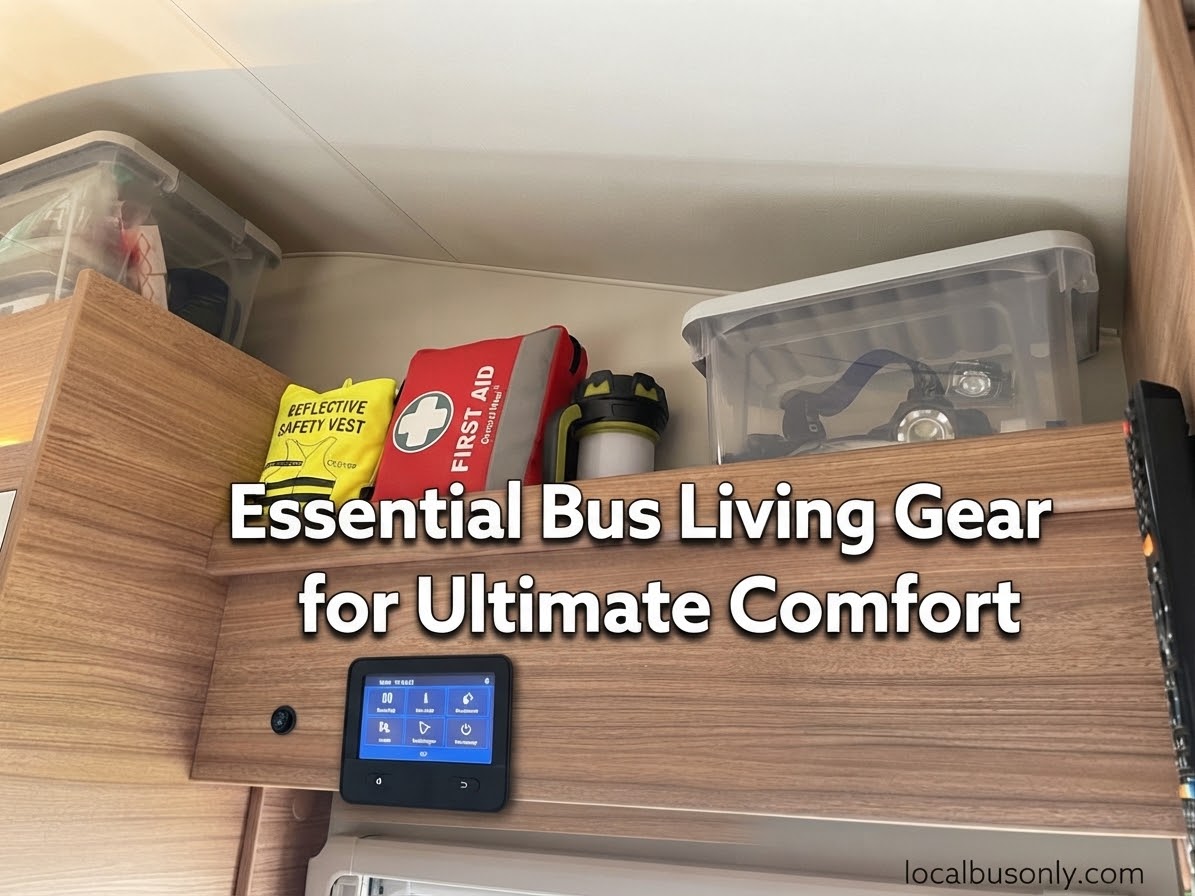
The final essentials are the things you hope you never need. Fire extinguishers, first-aid supplies, secure storage, and basic tools belong in every bus conversion. Prepared travel habits make life on the road smoother.
I also keep weight distribution in mind. A beautifully organised bus still needs to be safe, balanced, and maintained regularly.
The best travel setup is the one that keeps working after the excitement of the first trip wears off.
Marnie Doyle