Planning a Glacier National Park itinerary can look simple on a map and surprisingly complicated once you are standing between mountain valleys with limited daylight and a long list of trails. I built this route to balance the famous places with quieter corners, giving myself enough time to actually enjoy each area instead of racing between viewpoints. I’ve included the details I would want before arriving: where I would spend my mornings, which hikes deserve the effort, and the small planning choices that make a Glacier trip run smoothly.
Day 1: Arrive in Glacier National Park and Explore Lake McDonald
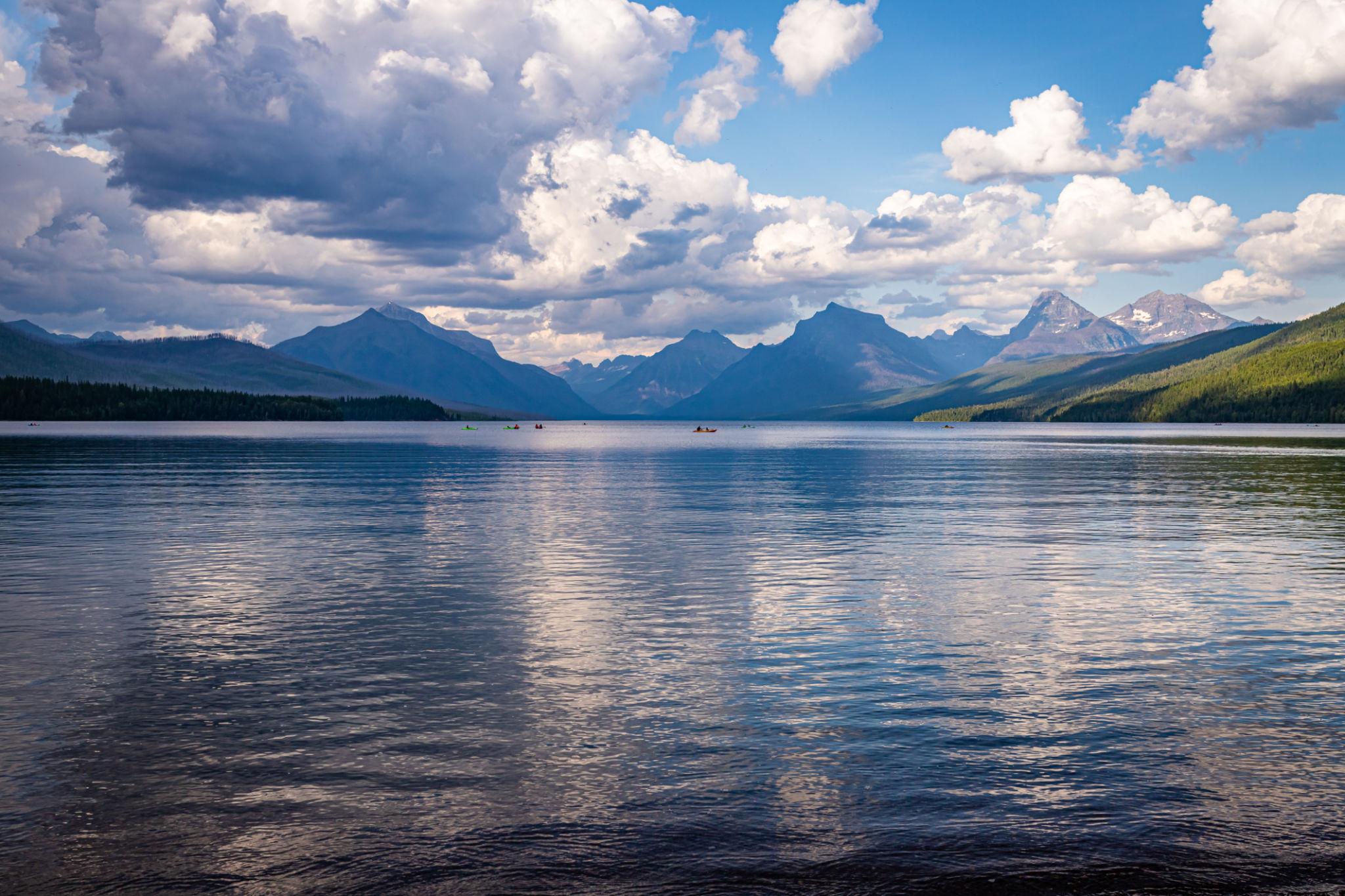
I like to start a Glacier trip gently because the park is enormous and the scenery is distracting in the best possible way. My first day is reserved for Lake McDonald, the western gateway area, and getting my bearings.
I usually begin around Apgar Village and Lake McDonald Lodge, then take time for the shoreline views. The coloured stones under the clear water are one of those things that photographs well but is still better in person. I would not rush this stop. Sit by the lake, walk a section of shoreline, and let the first mountain views settle in.
If you arrive early enough, I recommend checking the current road conditions and visitor information before planning the next days. Glacier’s roads and facilities change with weather, and parking at popular areas can fill early in summer.
For accommodation, I prefer staying close enough to avoid long morning drives. Those extra 45 minutes of sleep before a hiking day are worth more than people admit.
Day 2: Drive the Going
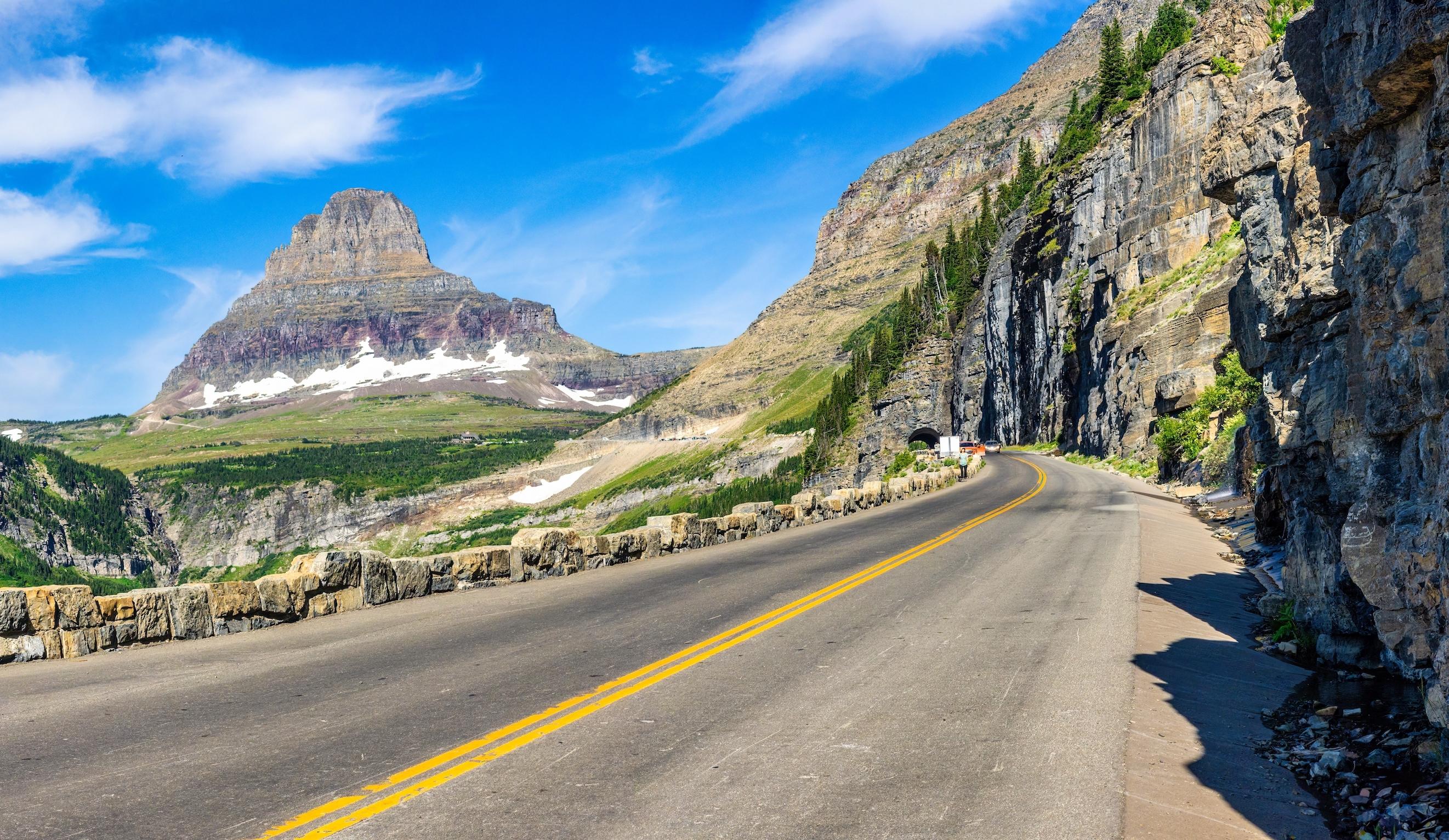
The Going-to-the-Sun Road is the day most first-time visitors imagine when they picture Glacier, and I understand why. It is the route that ties together forests, waterfalls, alpine views, and Logan Pass.
I plan a full day for this drive rather than treating it as a quick scenic detour. My favourite approach is to leave early, stop often, and accept that a short distance can take much longer when every pullout looks like a postcard.
The road crosses the park between Lake McDonald and St. Mary, but opening dates and conditions vary because of snow, weather, and maintenance. I always check the official status before committing to the route.
If you do not want to drive the entire route yourself, Glacier also operates shuttle options on Going-to-the-Sun Road. The current system changes by season, so I check the National Park Service information before visiting.
Day 3: Hike the High Alpine Trails Around Logan Pass
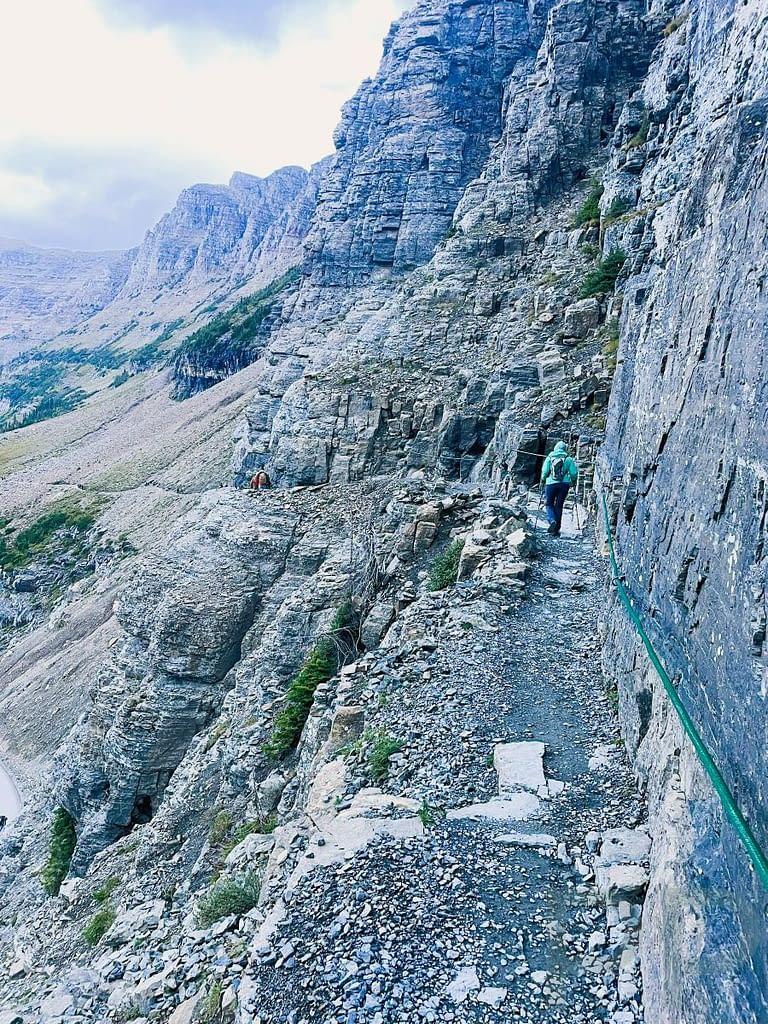
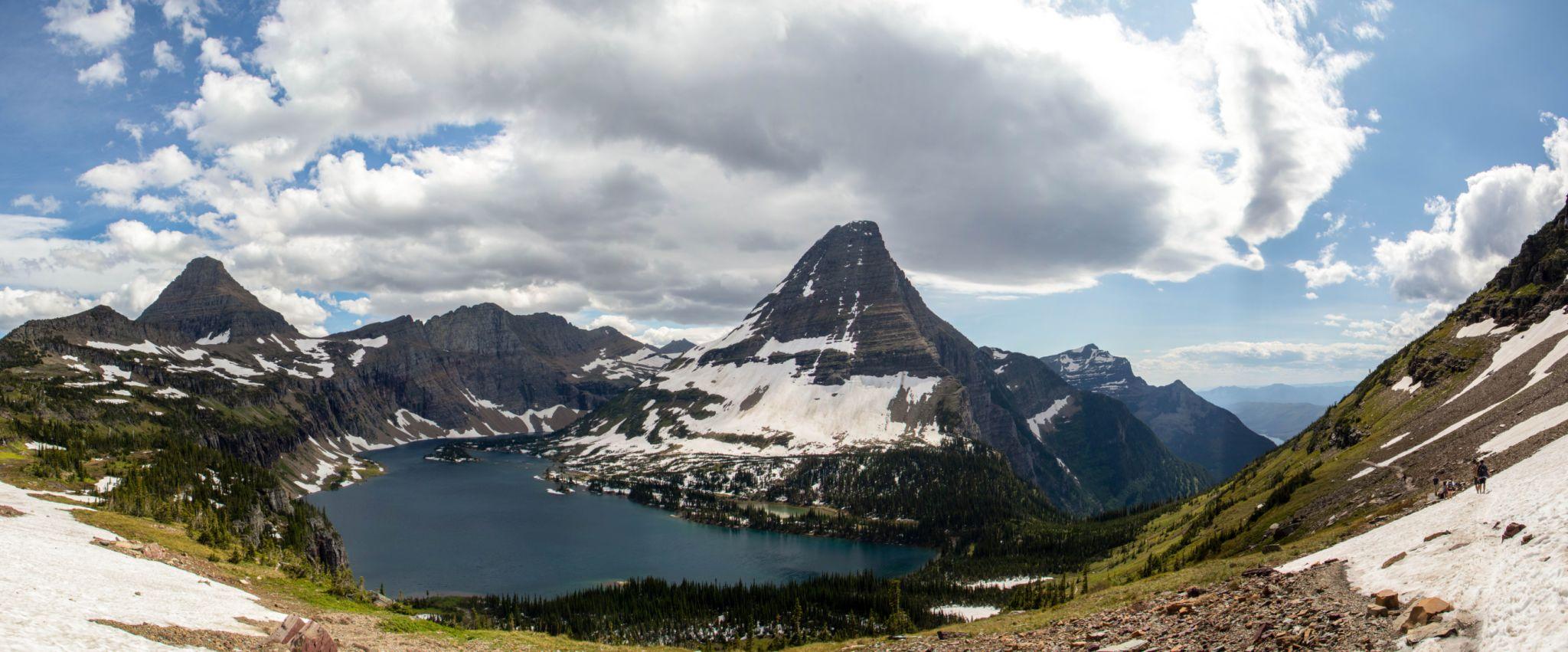
Logan Pass is where Glacier starts to feel properly alpine. I save this day for the trails because the elevation, exposure, and views deserve fresh legs.
The Highline Trail is the classic choice. It is not a casual stroll, but it rewards steady hikers with enormous views across the park. I pack more water than I think I need, because mountain weather has a habit of changing plans quickly.
One practical note: Logan Pass access can require planning during busy periods. For 2026, Glacier introduced a ticketed Logan Pass Shuttle system and limited parking at Logan Pass, so I would check the latest rules before hiking from here.
I also leave room for simply standing at the pass. Not every good Glacier moment requires another mile on a trail.
Day 4: Discover Many Glacier’s Lakes, Peaks, and Wildlife
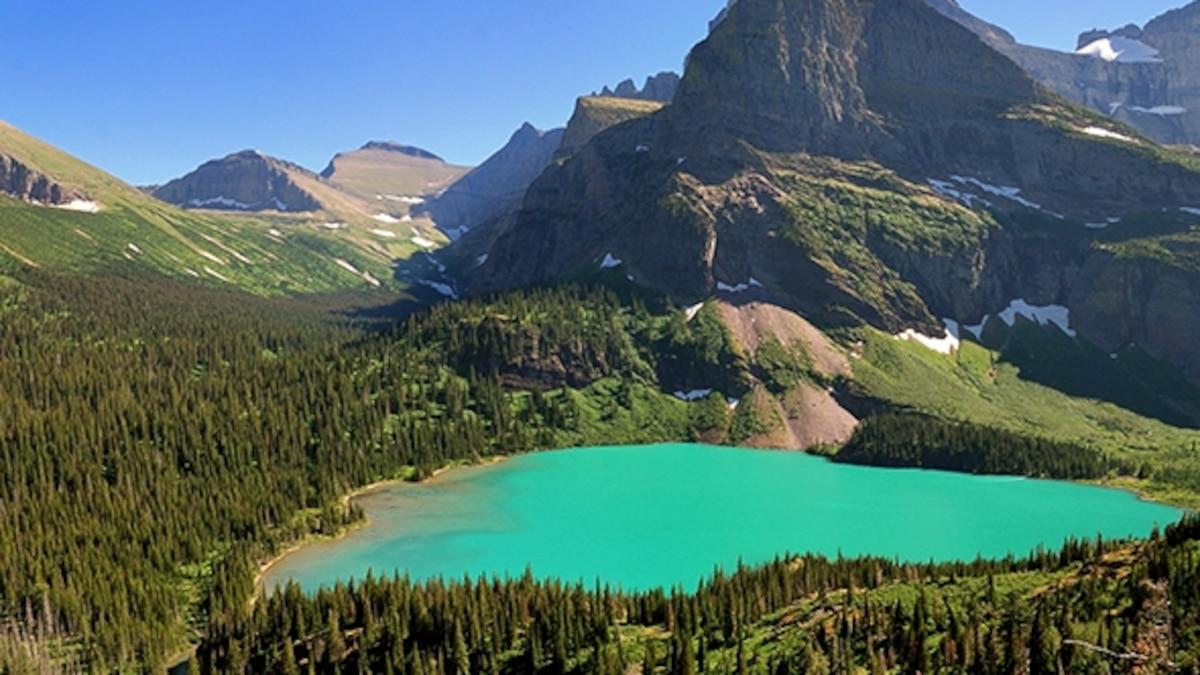
Many Glacier is the area I would not skip, even if it complicates the itinerary slightly. The landscape feels different from the west side, with broad valleys, dramatic peaks, and excellent chances of seeing wildlife.
I like starting early here because the popular trails become much busier later in the day. Grinnell Glacier is the famous hike, but even shorter walks around Swiftcurrent Lake and Lake Josephine are worthwhile if you want a slower day.
This is also where I keep my camera ready but my expectations sensible. Wildlife sightings are never guaranteed. I treat seeing a bear, moose, or mountain goat as a bonus rather than the reason for the day.
The drive between park areas takes longer than the mileage suggests, so I build in generous buffers. Glacier is a place where the map regularly lies about how much you can fit into one afternoon.
Day 6: Visit Two Medicine’s Quiet Lakes and Mountain Views
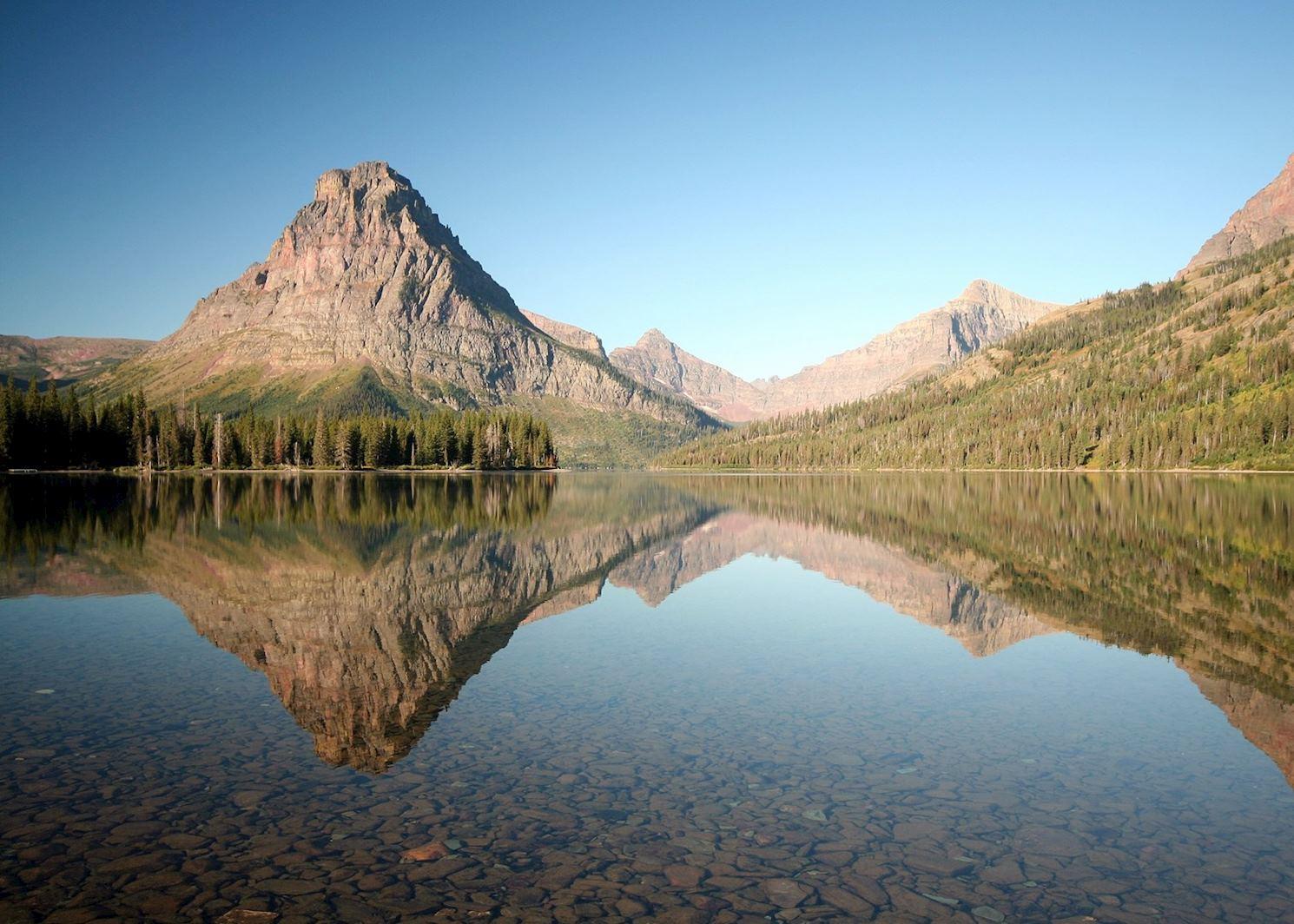
Two Medicine is the quieter chapter of this Glacier National Park itinerary. After busy viewpoints and famous trails, I enjoy coming here for a slower pace.
The scenery is still dramatic, with mountain reflections, forests, and open views that feel less crowded than the park’s headline locations. I usually plan a morning walk, spend time near the lakes, and avoid trying to force too many stops into the schedule.
This area works especially well for travellers who want Glacier’s scenery without spending every hour following the busiest routes. The trade-off is fewer services, so I bring food, water, and anything I need for the day.
I always check current road conditions before heading into less central areas because seasonal access changes. The National Park Service notes that roads, parking, and access can vary throughout the year.
Day 7: Hike to Avalanche Lake Through Old
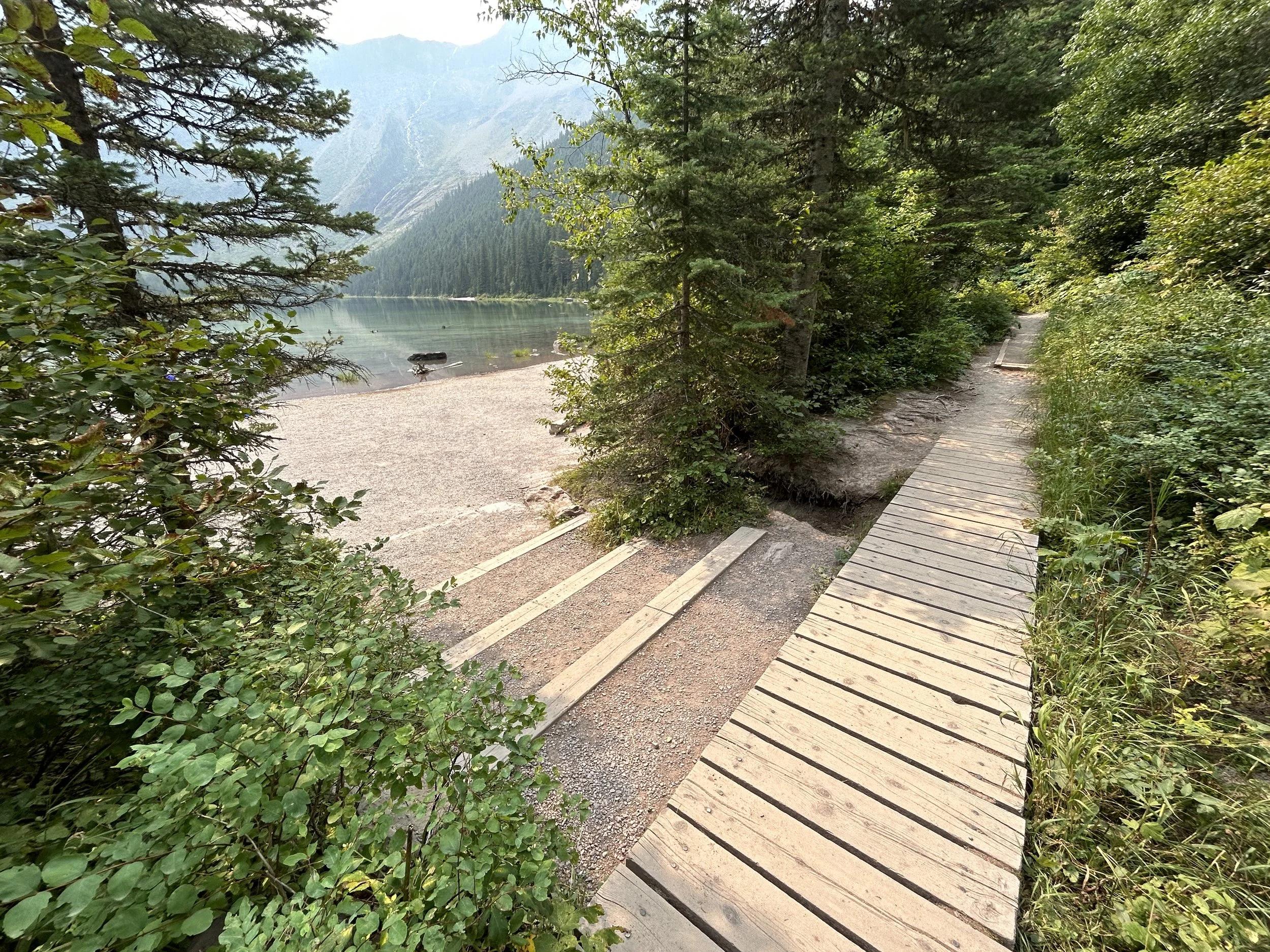
Avalanche Lake is one of the hikes I recommend for visitors who want a memorable Glacier walk without committing to a full-day mountain route. The trail moves through forest before opening to the lake surrounded by steep peaks.
I like this hike because it gives a strong Glacier experience in a manageable package. It is also a good choice when weather makes higher elevation plans uncertain.
The practical trick is arriving early. Avalanche is popular, and summer parking can become frustrating. Glacier itself warns that parking lots can fill early during busy periods.
I bring a proper lunch here rather than relying on finding something nearby. Mountain hunger arrives quickly, and I have learned not to negotiate with it.
Day 8: Watch Wildlife Along Glacier’s Scenic Valleys
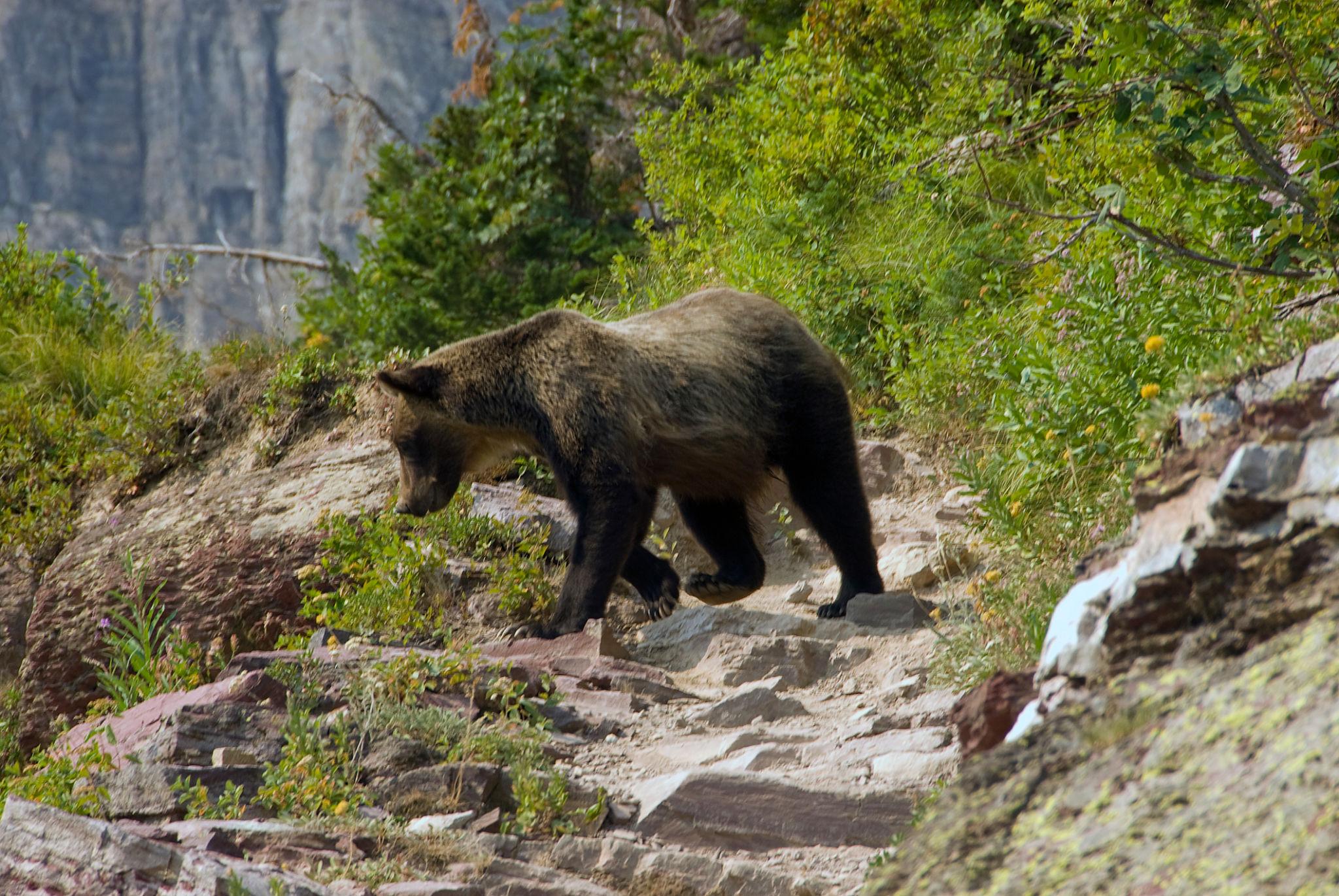
Wildlife watching in Glacier rewards patience more than speed. I spend this day moving slowly through valleys and viewpoints rather than chasing sightings.
Early morning and evening are usually my preferred times because animals are often more active, and the light is much kinder for photographs. I keep a respectful distance and use binoculars whenever possible.
I also avoid treating wildlife encounters as entertainment. These are wild animals in their home, not a performance arranged for visitors. Keeping food secured and following park guidance matters more than getting the perfect photo.
The best wildlife day is often the one where I see something unexpected for a few seconds and remember the whole landscape around it.
Day 9: Capture Sunrise and Sunset Photography Spots
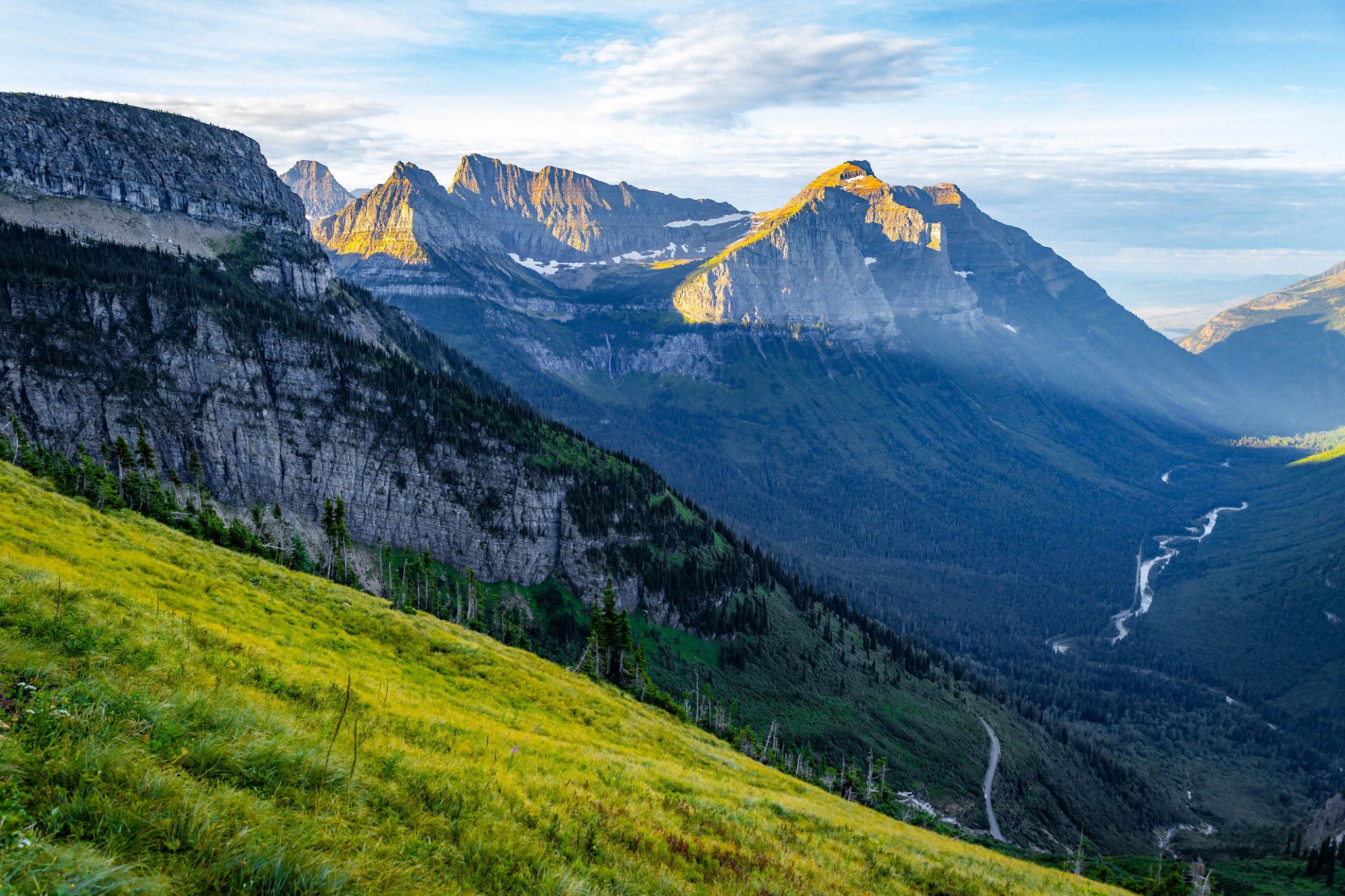
I set aside a full day for photography because Glacier changes dramatically with the light. A viewpoint that looks ordinary at midday can become the place I remember most when the sun drops behind the mountains.
For sunrise, I prefer arriving early and accepting that coffee tastes better after the first photograph anyway. Lake views, mountain silhouettes, and quiet trails are especially rewarding before the crowds arrive.
For sunset, I choose a location based on where I already am rather than trying to cross the entire park at the busiest time of day. Glacier’s distances are real, and rushing between locations usually means missing the moment.
I also respect other visitors while photographing. I avoid blocking trails and never include identifiable strangers in my images without permission.
Day 10: Plan Your Departure Through West Glacier or St. Mary
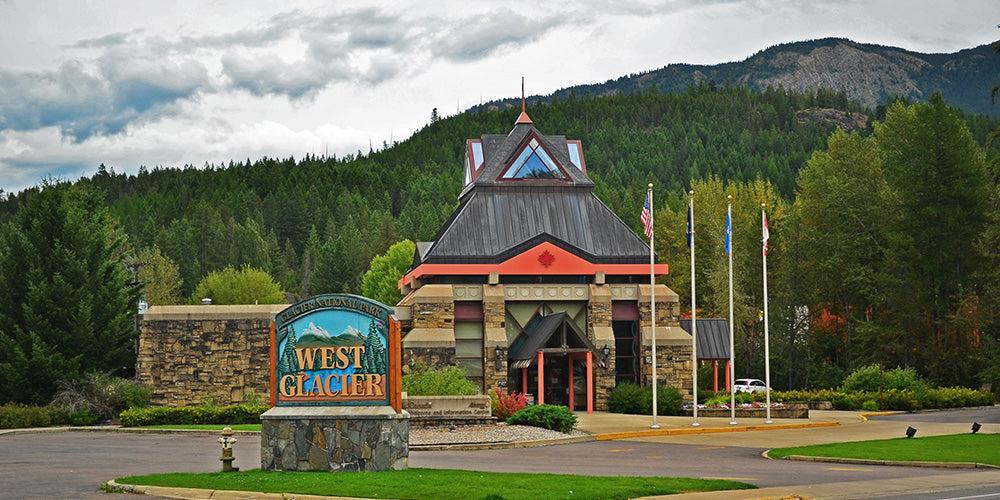
I like ending a Glacier trip with enough time to leave calmly. There is nothing worse than spending your final morning worrying about traffic, fuel, or a long drive when you could take one last look at the mountains.
If I am leaving through West Glacier, I usually allow time for a final Lake McDonald stop or a quiet walk near Apgar. If departing from the St. Mary side, I check the route conditions and timing before setting off.
One useful detail: there are no fuel stations inside Glacier National Park, so I fill up before entering longer park days. It is a small thing, but it prevents a very unnecessary problem.
My final advice is simple: do not try to “complete” Glacier. The park is too large for that. A good itinerary gives you highlights, but the best memories usually come from the extra half hour you leave unplanned.