Bus camping looks romantic from the outside, but the best builds are usually the practical ones. I have spent enough nights in small spaces to know that a clever layout matters more than expensive finishes. A good bus camper should make everyday things like cooking, sleeping, and storing gear feel simple.
These bus camping ideas focus on the changes I would actually consider before heading out for weeks at a time. I have included the details that make a small rolling home easier to live in, from compact kitchens to off-grid power planning.
Quick guide to bus camping upgrades
- Create zones for sleeping, cooking, storage, and relaxing.
- Choose compact equipment that serves more than one purpose.
- Plan electricity and water before covering your walls.
Convert a School Bus into a Cozy Camper
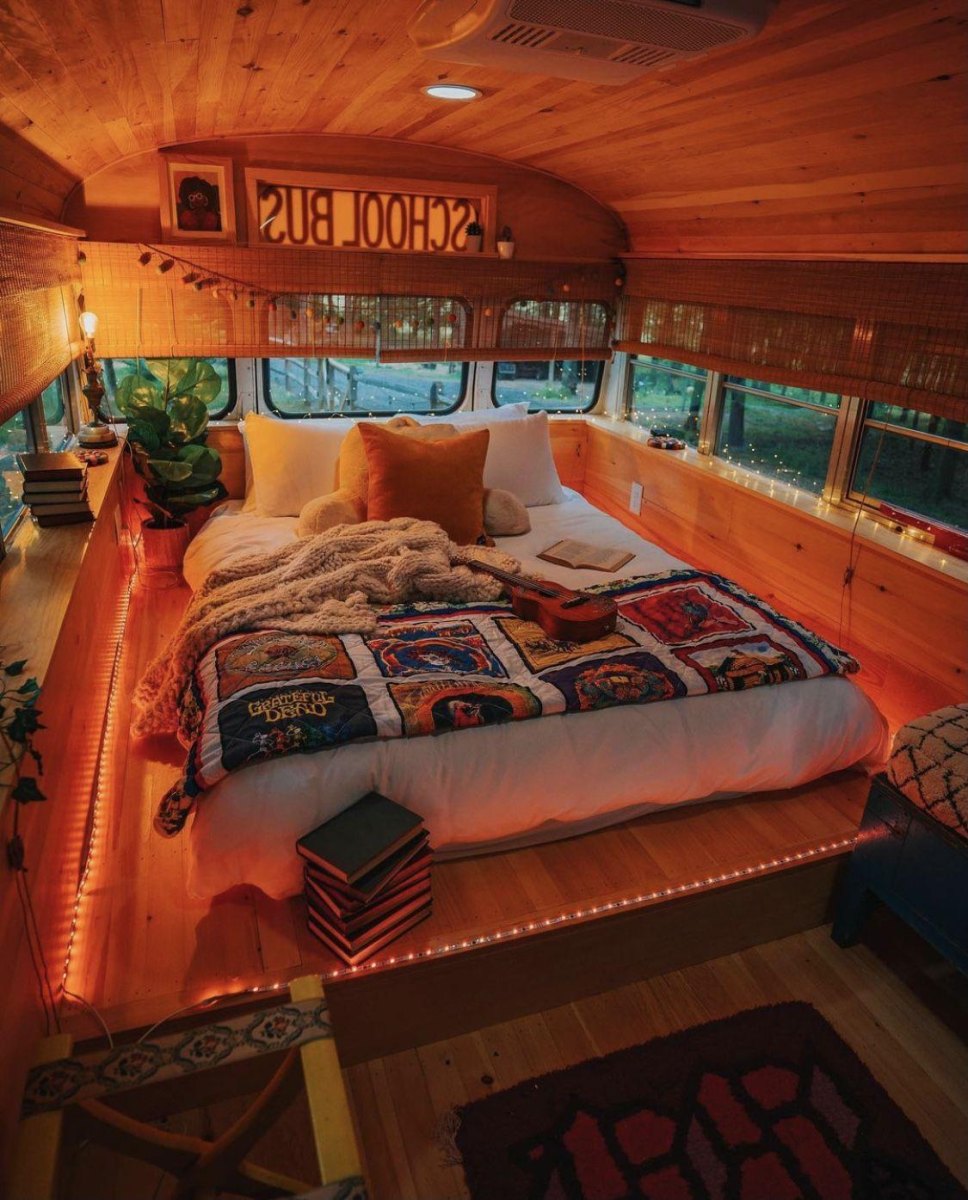
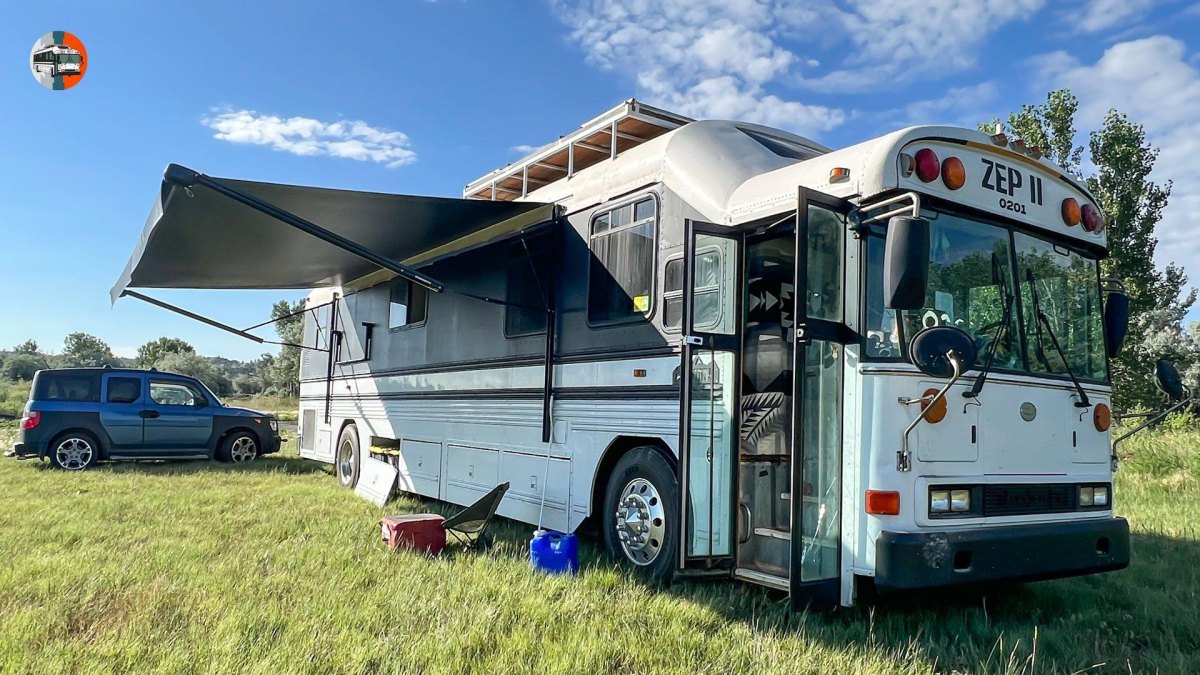
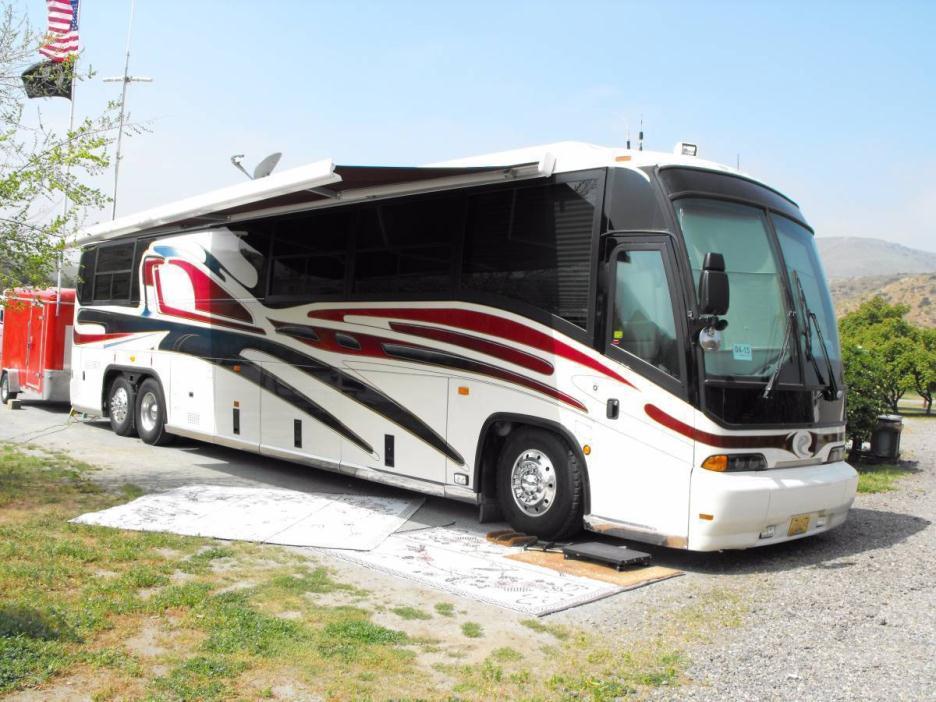
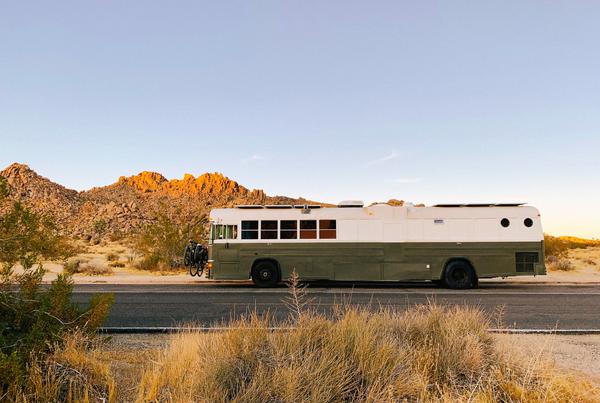
Turning a retired school bus into a camper is a large project, but the empty rectangular shell gives you something many smaller campers lack: room to design. Modern skoolie conversions often focus on making the interior feel like a tiny home rather than a vehicle.
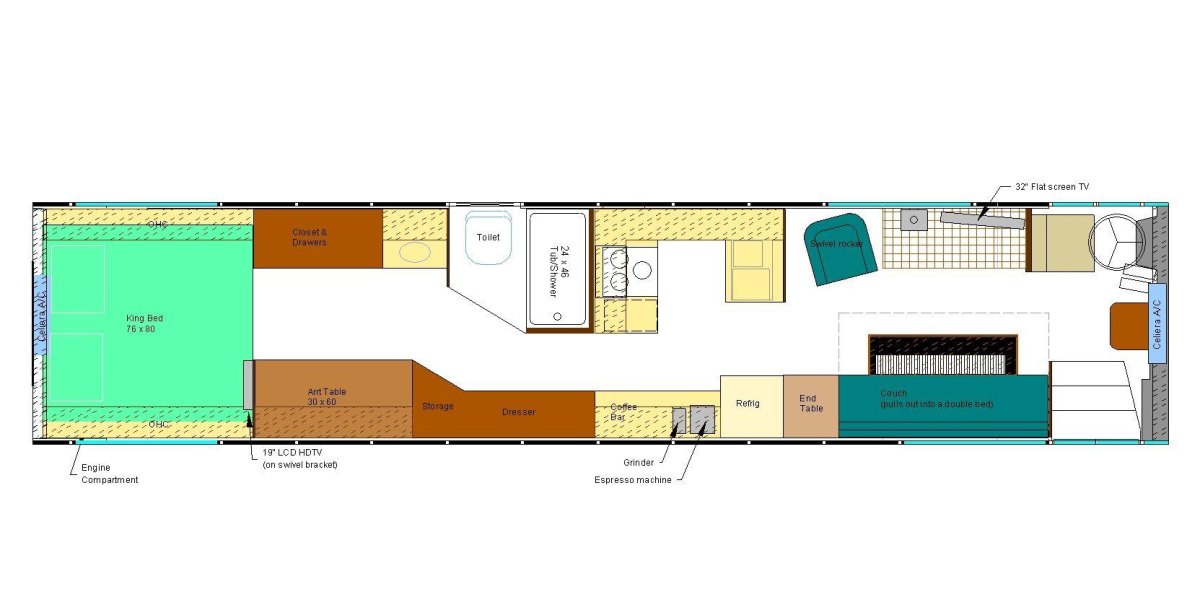
I like starting with the boring questions first: where will wet boots go, where will coats hang, and where can I reach things without moving five other items? A comfortable bus layout usually comes from planning daily habits before choosing furniture.
- Measure. Map the wheel wells, doors, windows, and ceiling height before building.
- Divide. Create clear areas for living, cooking, sleeping, and storage.
- Test. Use temporary furniture before committing to permanent cabinets.
My practical tip
Leave access panels for plumbing and electrical work. Future repairs are much easier when everything is not sealed away.
Build a Compact Kitchen Setup on the Road
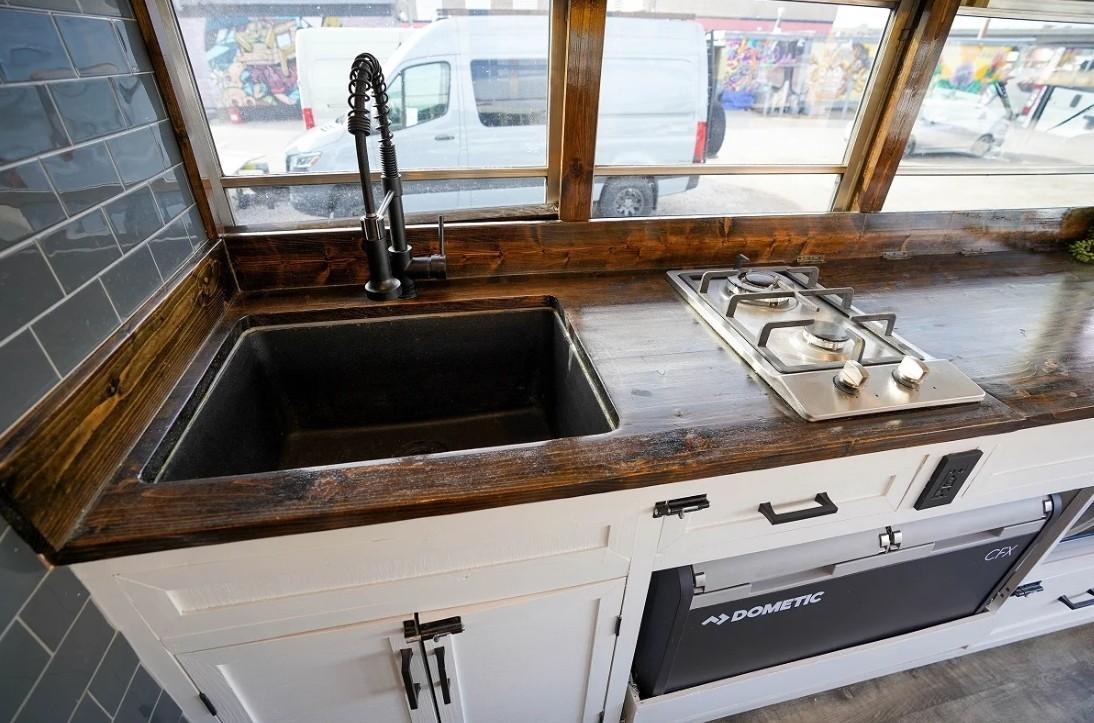
A bus kitchen does not need every appliance from a house kitchen. The best small camper kitchens I have seen use flexible surfaces, compact cooking gear, and storage that earns its space. Current camper design advice also leans toward multifunctional layouts because every inch has to work harder.
I would rather have a reliable counter extension and a sensible food storage system than a large appliance that rarely gets used. A simple setup also means fewer things to clean after a long day outside.
| Kitchen feature | Why it helps |
|---|---|
| Fold-down counter | Adds preparation space when needed |
| Compact fridge | Keeps food organised without wasting power |
| Combined sink and stove area | Saves valuable workspace |
Create a Comfortable Sleeping Area
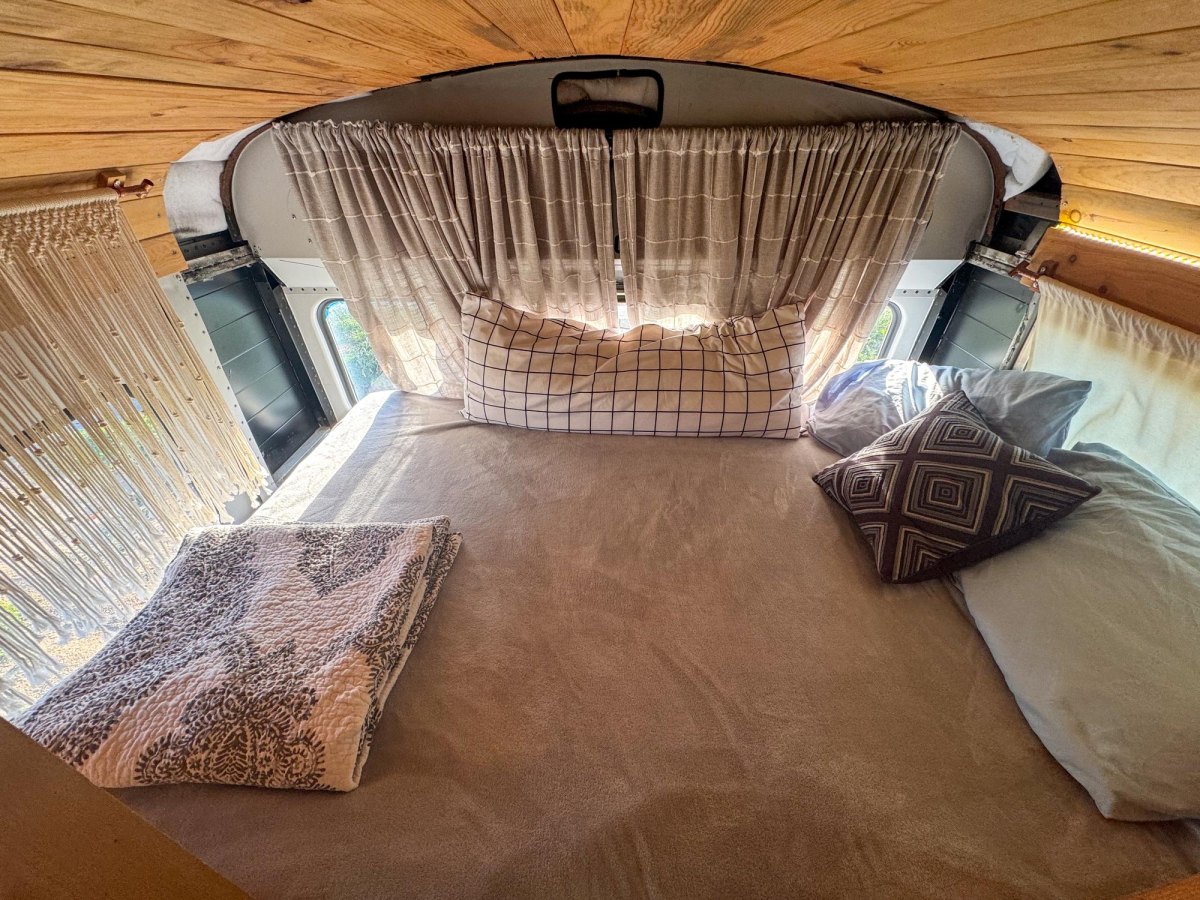
A sleeping area is where many bus conversions either succeed or fail. A beautiful interior does not help if the bed is uncomfortable after three nights. I focus on a proper sleeping setup with good ventilation, easy access, and enough room to sit up.
I have learned that storage under the bed is useful, but not if you have to empty the entire compartment every morning. Drawers, lift-up sections, and dedicated bedding storage make a small bedroom much easier to manage.
- Choose a mattress that fits your actual sleeping habits.
- Add ventilation near the sleeping area.
- Keep frequently used items within arm's reach.
- Plan lighting before finishing the ceiling.
Add Outdoor Living Space Around Your Bus
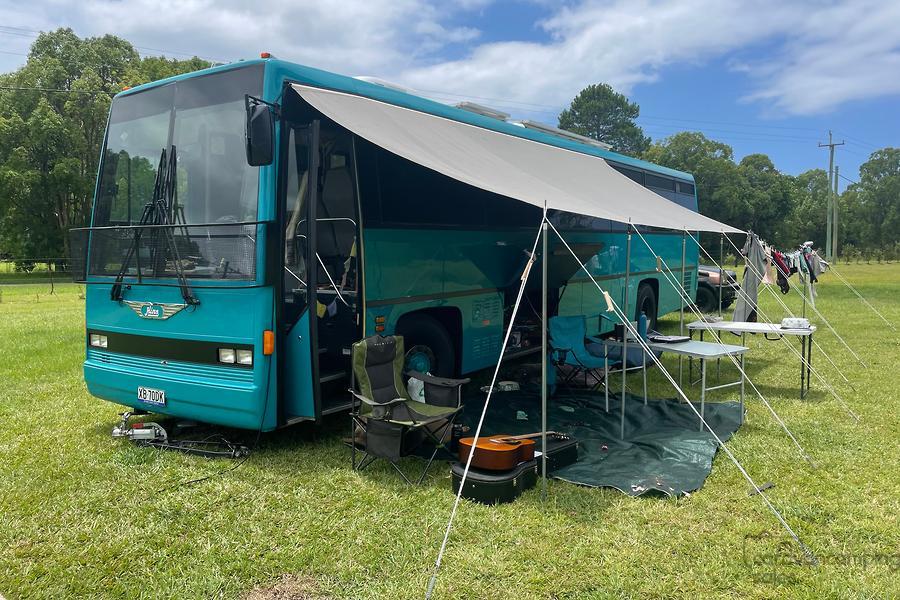
The space outside the bus becomes an extra room when the weather cooperates. I have always found that a simple chair, shade setup, and small outdoor table can make a campsite feel much bigger.
The best outdoor bus camping area is easy to pack away. I avoid complicated setups that take half an hour to build and another half hour to store.
Benefits
- Creates more living space.
- Keeps cooking smells outside.
- Makes longer stays more comfortable.
Things to consider
- Weather can change quickly.
- Outdoor gear needs secure storage.
- Some campsites have setup restrictions.
Use Smart Storage Solutions for Small Spaces
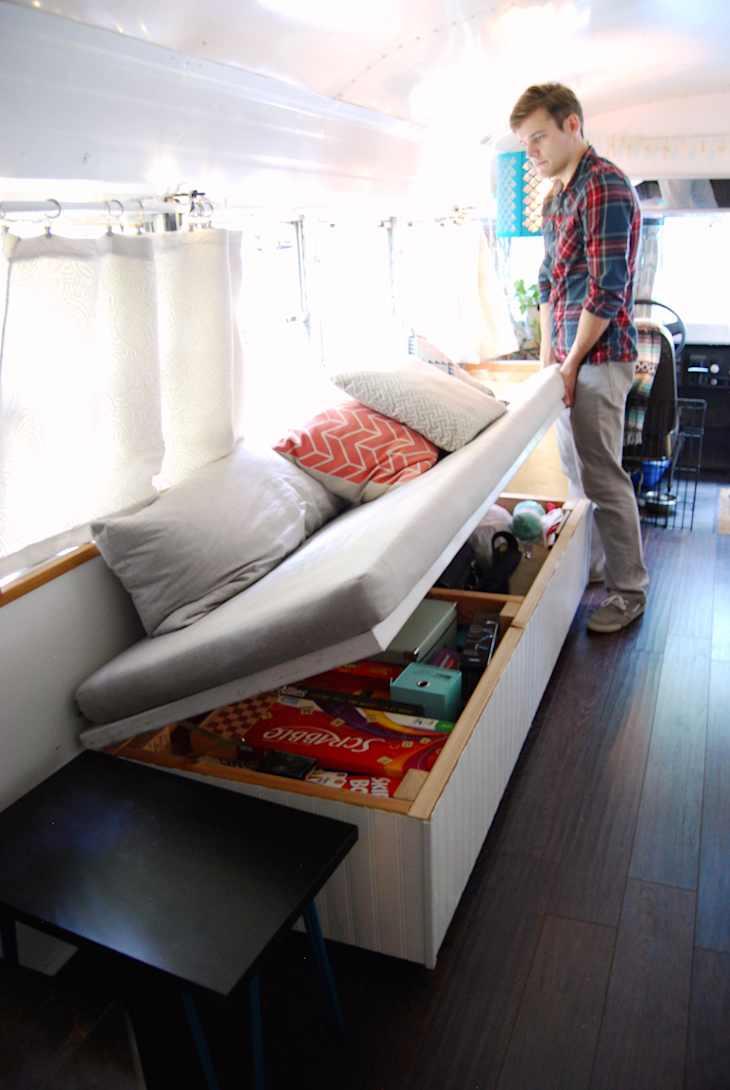
Storage is where I notice the difference between a bus that feels relaxing and one that feels like a cupboard on wheels. The trick is not owning less for the sake of it; it is giving every item a home.
Smart camper storage usually means using vertical space, hidden compartments, and furniture that does more than one job. I prefer fewer well-planned storage areas over dozens of random containers.
- Vertical storage: Use tall cabinets for lightweight items.
- Hidden storage: Place seasonal gear under seats or beds.
- Daily storage: Keep everyday items reachable without unpacking.
Design an Off-Grid Bus Camping Setup
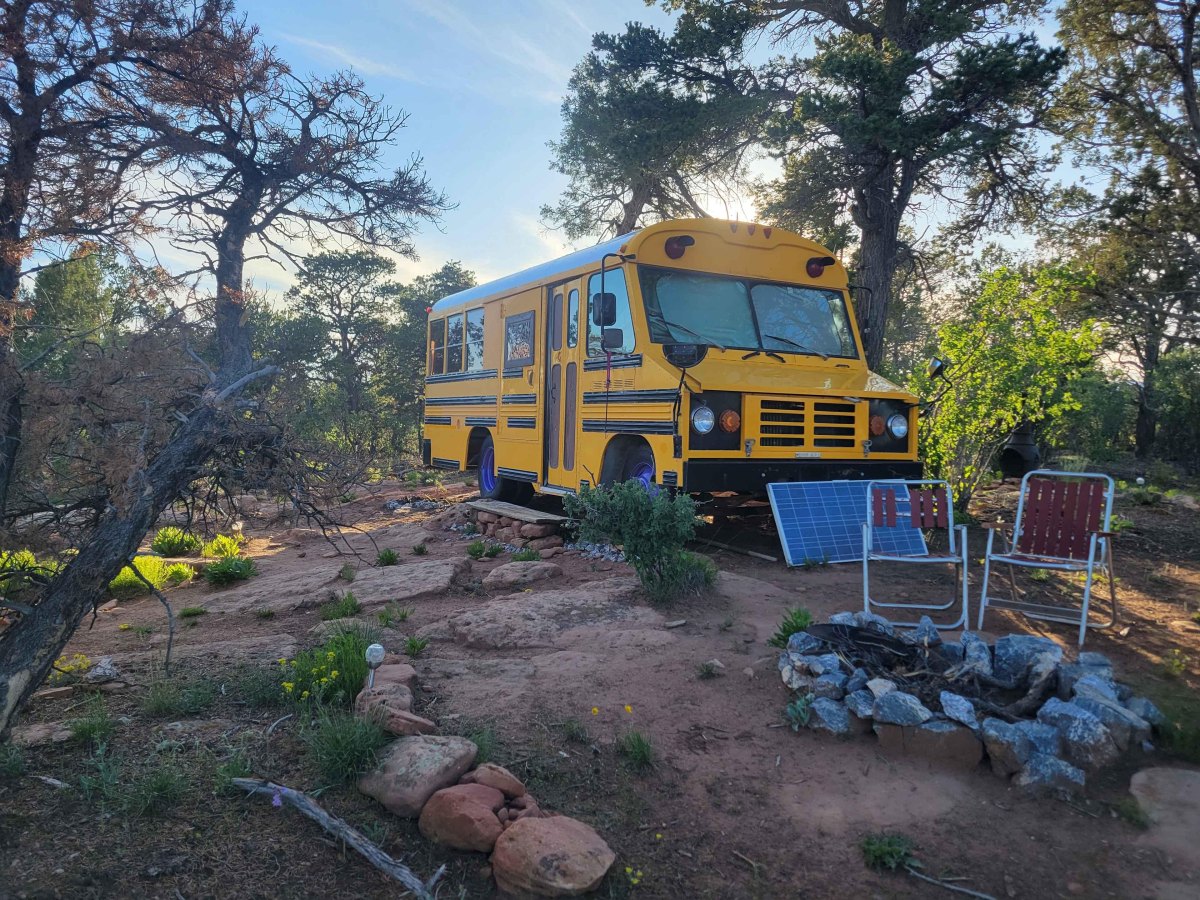
An off-grid bus needs a realistic power plan, not just solar panels attached to the roof. Solar systems work best when the battery capacity and energy use match the way you actually travel.
I start by listing what I need: lights, fridge, charging, water pump, and any work equipment. Modern small camper electrical systems often combine solar, batteries, and efficient 12V appliances rather than relying on oversized setups.
My off-grid planning rule
Design around your daily energy habits first. More panels cannot fix a system that was planned around the wrong consumption.
12V
Many compact camper systems are designed around efficient low-voltage appliances