When I look for the best beaches in the Caribbean, I am not only chasing perfect photos. I want to know what the sand feels like, whether the water is genuinely swimmable, how busy the shoreline gets, and whether the experience matches the hype. After comparing some of the region’s most famous beaches, these are the places I would put at the top of a practical Caribbean beach list.
Grace Bay Beach, Turks and Caicos
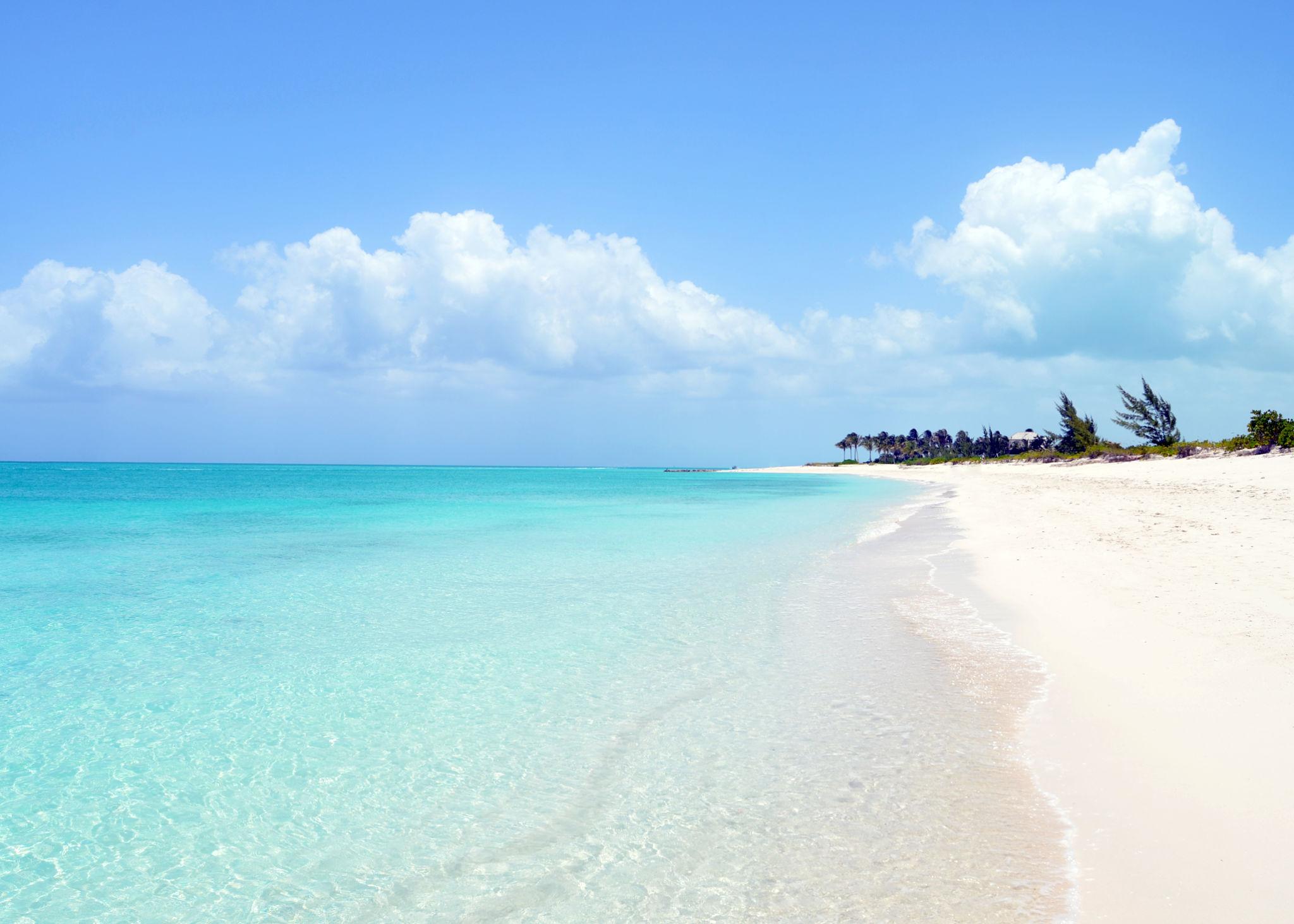
Grace Bay Beach on Providenciales is the sort of place that makes people understand why Caribbean beaches have such a reputation. The sand is exceptionally fine, the water is remarkably clear, and the offshore reef helps create the calm conditions that make swimming enjoyable for many visitors. Grace Bay is part of Princess Alexandra National Park and is regularly included among the world’s top beaches.
I would choose this beach if my priority was an easy, beautiful beach day without much effort. There are plenty of places to stay nearby, but that convenience comes with a trade-off: the most accessible sections can feel busy during peak travel periods. My practical tip is to walk beyond the busiest resort areas if you want more space.
The water is the real attraction here. I would bring a mask and snorkel, but I would not expect the best reef experience directly from every section of shoreline; some of the stronger snorkeling spots are nearby rather than everywhere along the beach.
Seven Mile Beach, Grand Cayman
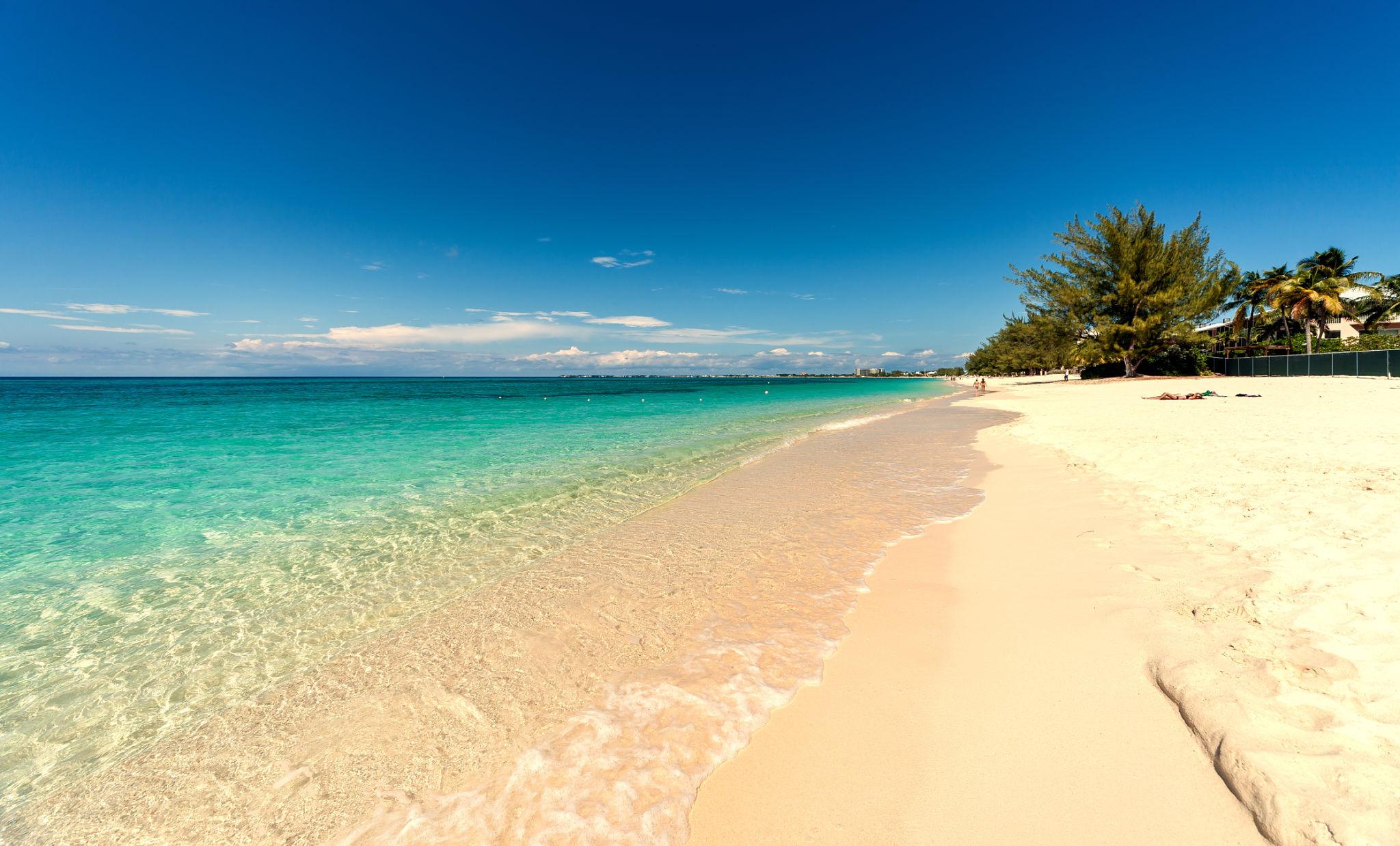
Seven Mile Beach is one of the Caribbean’s most recognizable stretches of sand, and I can see why it remains a favourite. The beach offers soft white sand, clear water, and a balance between convenience and natural beauty. It is close to restaurants, hotels, and water activities, which makes planning a beach day wonderfully straightforward.
I like beaches where I can spend the morning swimming and still have practical options nearby for lunch or a break from the sun. Seven Mile Beach works well for that. The main thing to know is that the popular sections are not hidden escapes; if I wanted solitude, I would look at quieter parts of Grand Cayman instead.
For families or travellers who prefer calm water and easy access, this is one of the safer choices on a Caribbean itinerary.
Eagle Beach, Aruba
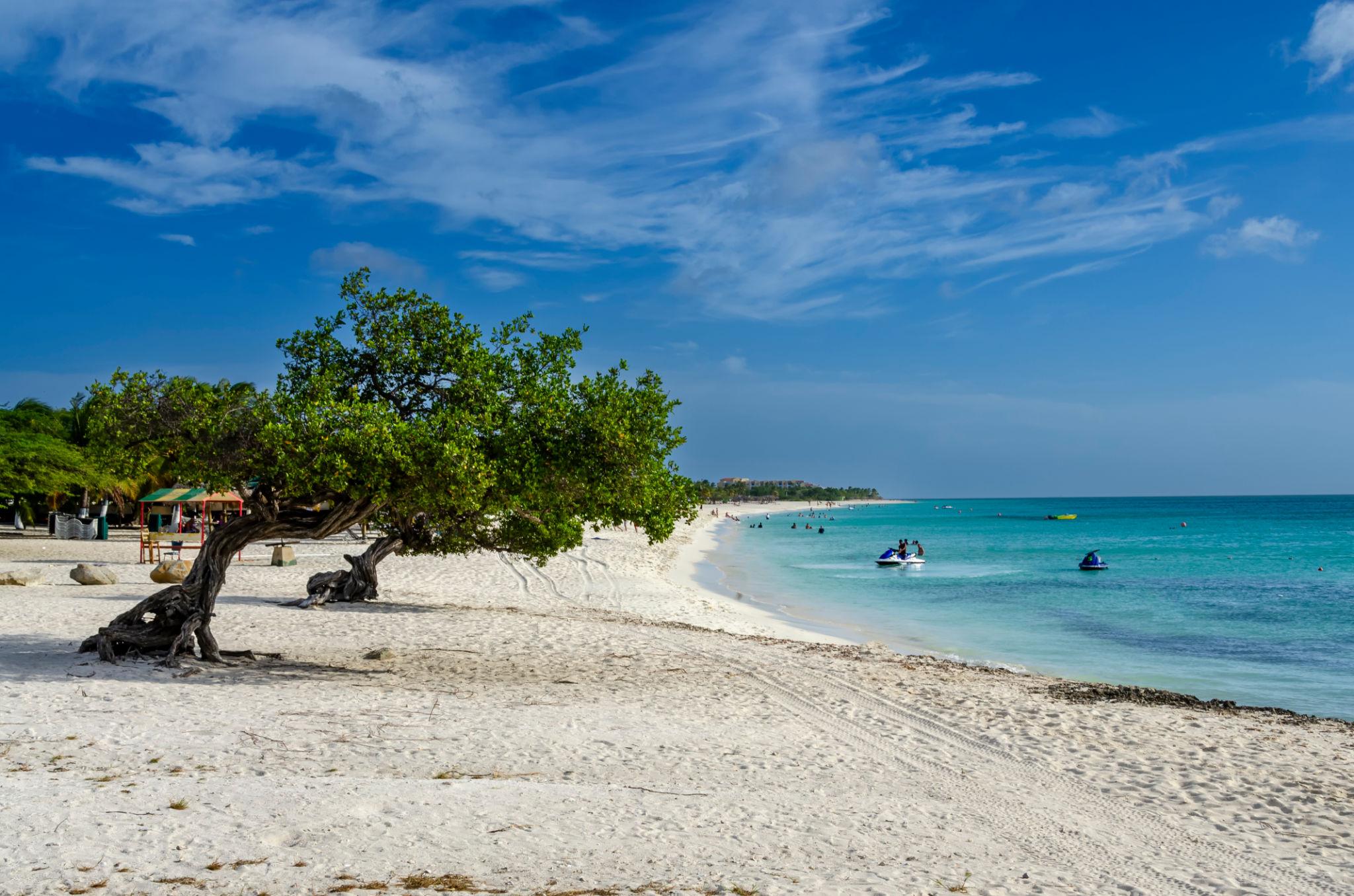
Eagle Beach is one of Aruba’s standout coastal spots, known for its wide sandy shoreline, clear Caribbean water, and famous fofoti trees leaning toward the sea. I like that it feels spacious rather than crowded with buildings directly on the sand.
The beach is especially appealing for travellers who want a slower day: swimming, walking, reading, and watching the sunset rather than packing every hour with activities. Aruba’s generally dry climate is another advantage because beach plans are less likely to be interrupted by frequent rain.
I would bring plenty of sun protection here. The open landscape is beautiful, but there is less natural shade than on some greener Caribbean islands.
Trunk Bay, St. John
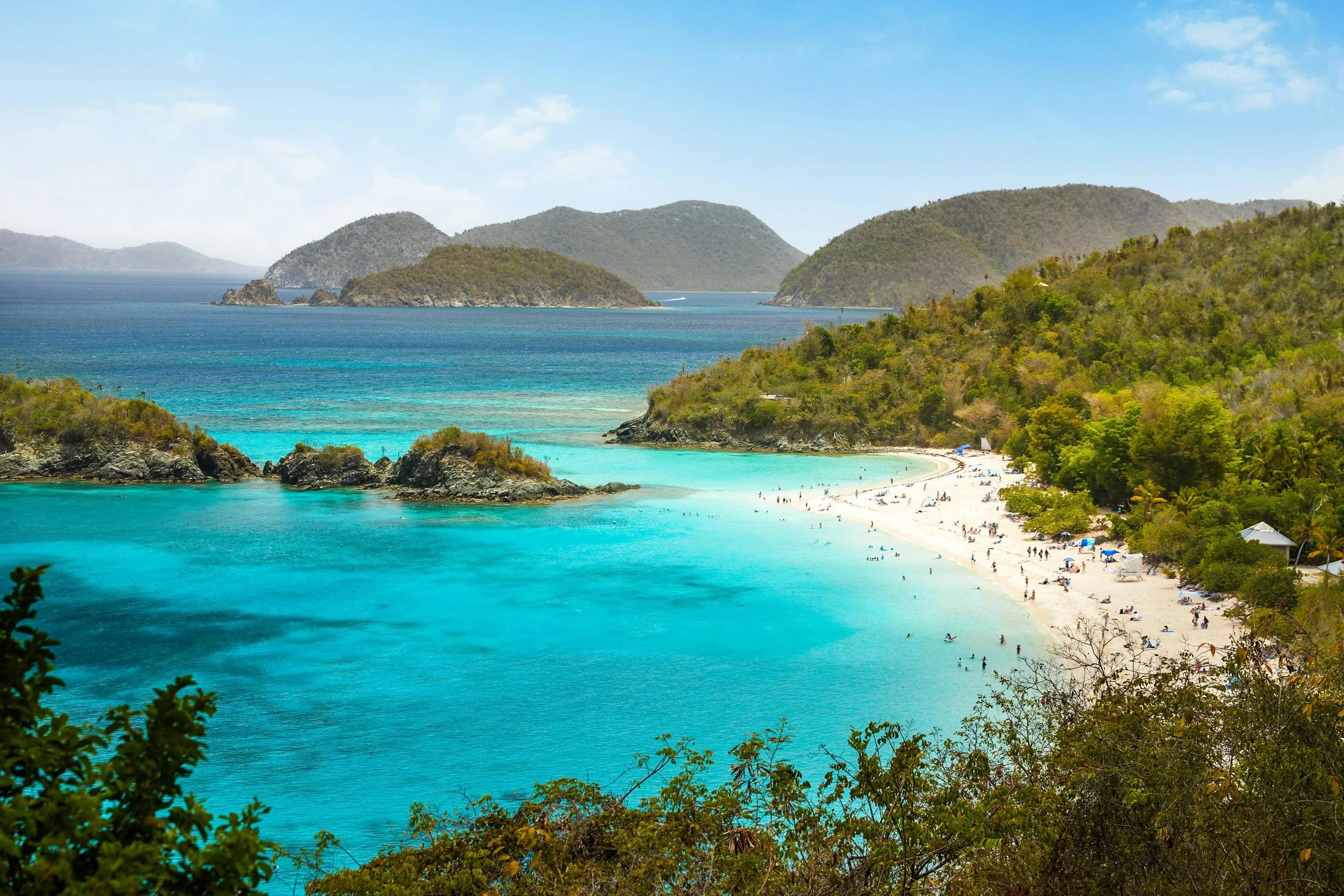
Trunk Bay combines classic Caribbean scenery with one of the region’s best-known underwater experiences. The beach sits inside Virgin Islands National Park, giving it a more protected, natural feeling than many resort-lined beaches.
The highlight for me would be the underwater snorkel trail, where visitors can explore marine life without needing to book a complicated excursion. It is a good reminder that the best beach days are not always about staying on the sand.
The practical downside is access. Reaching St. John usually takes more planning than arriving at a large resort island, but the extra effort pays off if I want scenery, clear water, and a less developed atmosphere.
Shoal Bay East, Anguilla
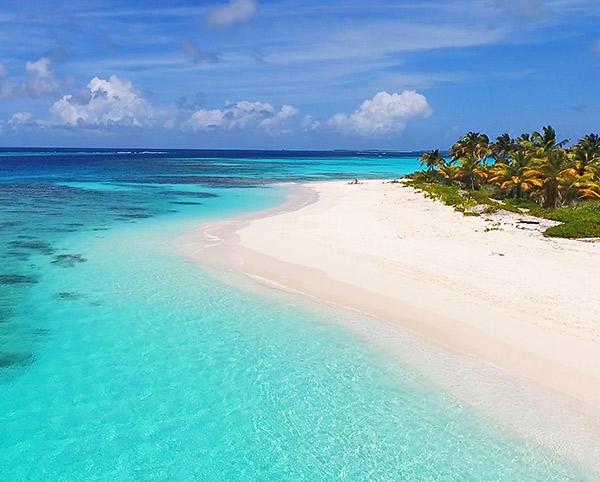
Shoal Bay East is the kind of Caribbean beach I would recommend to someone who wants beauty without the feeling of being inside a major resort zone. The water has that bright blue colour many travellers imagine when they picture the Caribbean, while the shoreline remains relaxed and easygoing.
What stands out here is the balance. It is beautiful enough to feel special, but it does not rely entirely on luxury surroundings to make an impression. I would spend a full day here rather than trying to rush through multiple beaches.
Anguilla is also a good choice for travellers who value quieter evenings and a slower pace. The trade-off is that it can require more planning than larger islands with extensive tourism infrastructure.
Pink Sands Beach, Bahamas
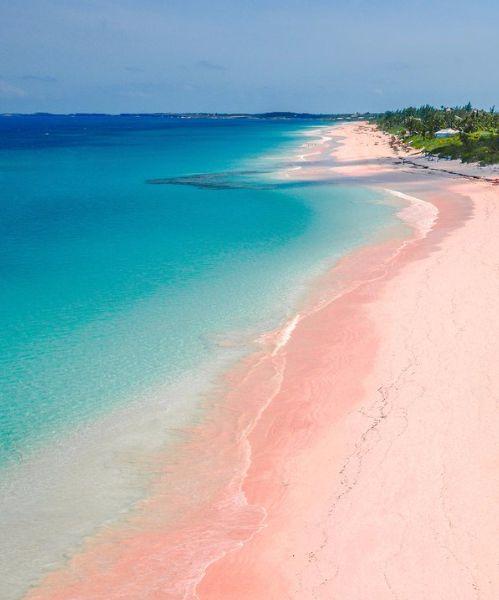
Pink Sands Beach on Harbour Island earns attention because the sand really does have a soft pink tone created by tiny marine organisms mixed with coral fragments. It is one of those beaches where the natural details matter as much as the view.
I would choose this beach for atmosphere rather than a packed activity schedule. The colour of the shoreline, the gentle water, and the quieter island setting make it feel different from the classic bright-white Caribbean beach.
The practical consideration is timing and logistics. Harbour Island is a smaller destination, so I would plan accommodation and transfers rather than assuming I can arrange everything at the last minute.
Flamenco Beach, Puerto Rico
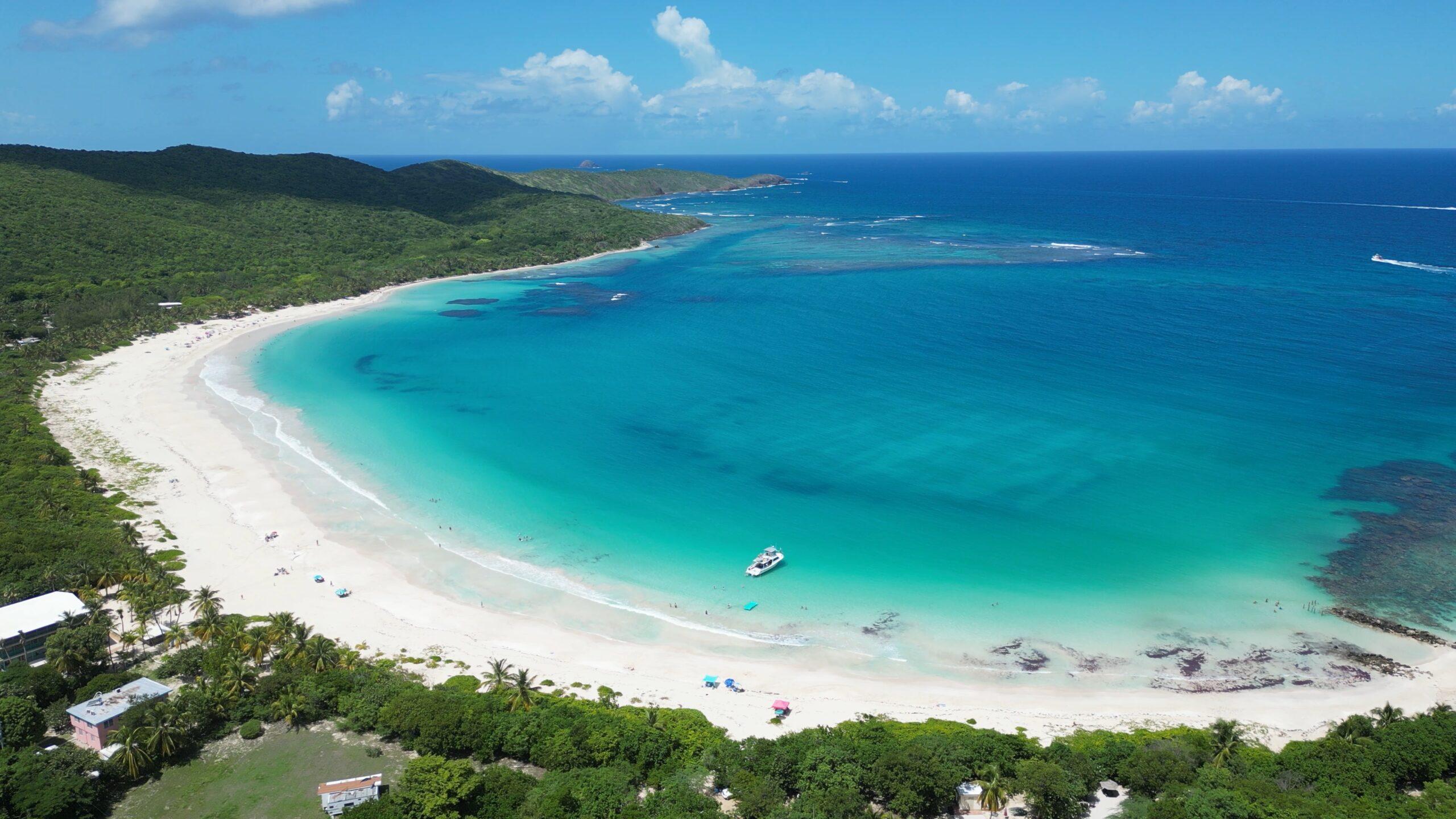
Flamenco Beach on Culebra is one of Puerto Rico’s most celebrated beaches, offering clear water, soft sand, and a relaxed island atmosphere. It is a strong choice for travellers who want Caribbean scenery while staying within Puerto Rico’s travel network.
I like destinations that reward a little extra effort, and Culebra has that feeling. The journey is part of the experience, but I would plan ahead because transport connections can affect how much time I actually spend on the beach.
The beach itself is ideal for swimming, relaxing, and enjoying a slower day away from the larger urban areas.
Grand Anse Beach, Grenada
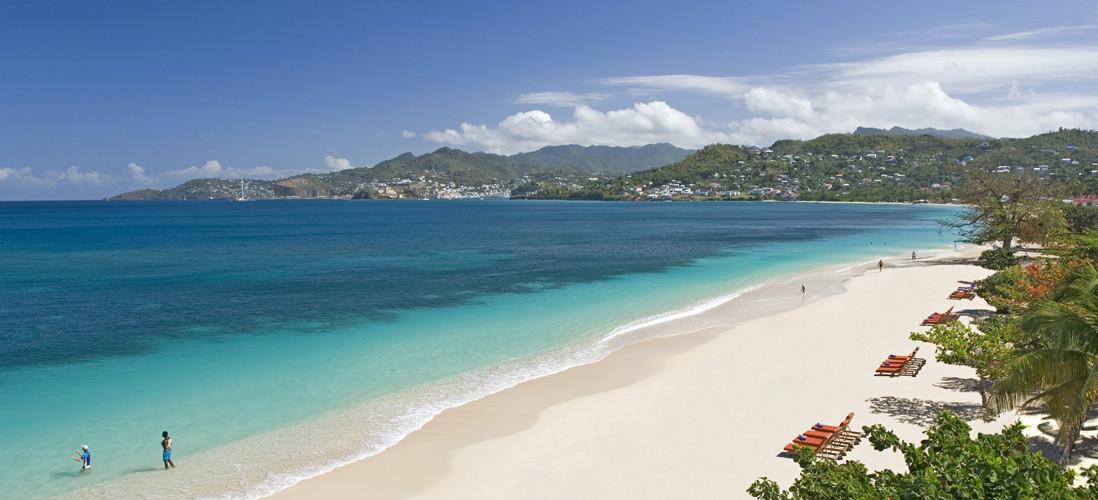
Grand Anse Beach is one of Grenada’s signature attractions, with a long curve of golden sand and calm Caribbean water. Unlike tiny postcard beaches that can feel crowded quickly, its length gives visitors room to spread out.
I would recommend it for travellers who want a beach that works for a full holiday rather than just a quick visit. There are places nearby for food and services, but the beach still feels like the main event.
Grenada also appeals to travellers who want more than beaches. I like pairing a relaxed shoreline day with exploring the island’s landscapes, food, and local culture.
The Baths Beach, Virgin Gorda
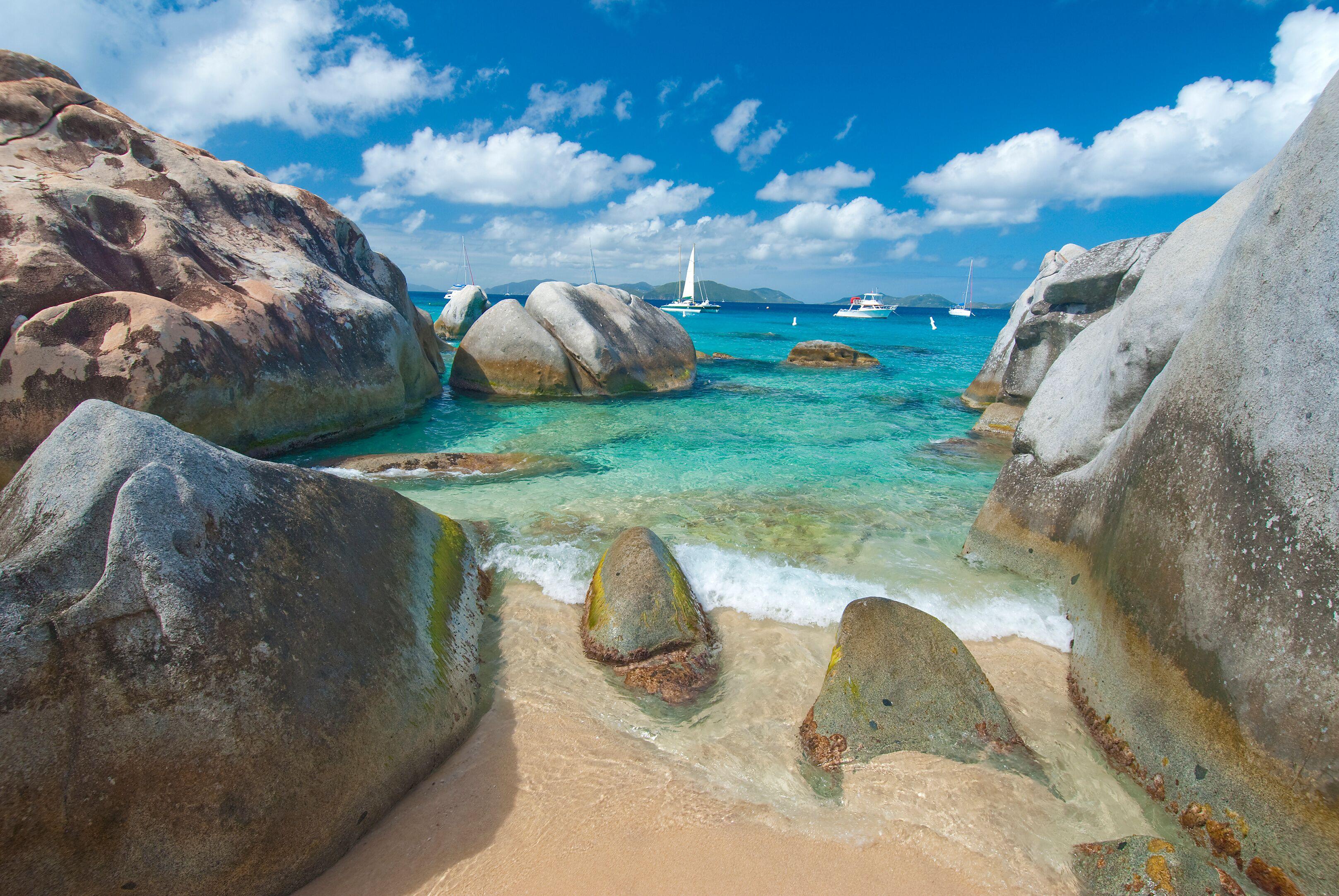
The Baths on Virgin Gorda is unlike most beaches on this list because the landscape is the attraction as much as the water. Massive granite boulders create natural tunnels, pools, and unusual coastal formations that make the beach feel almost like an outdoor sculpture garden.
I would not visit The Baths expecting a simple towel-down-and-swim beach day. The paths and rocky areas mean comfortable footwear matters, and the experience is more active than many Caribbean shorelines.
The reward is a beach environment that feels completely different from the classic palm-tree-and-sand image. It is one of the places where spending a little extra effort genuinely changes the experience.
Carlisle Bay, Barbados
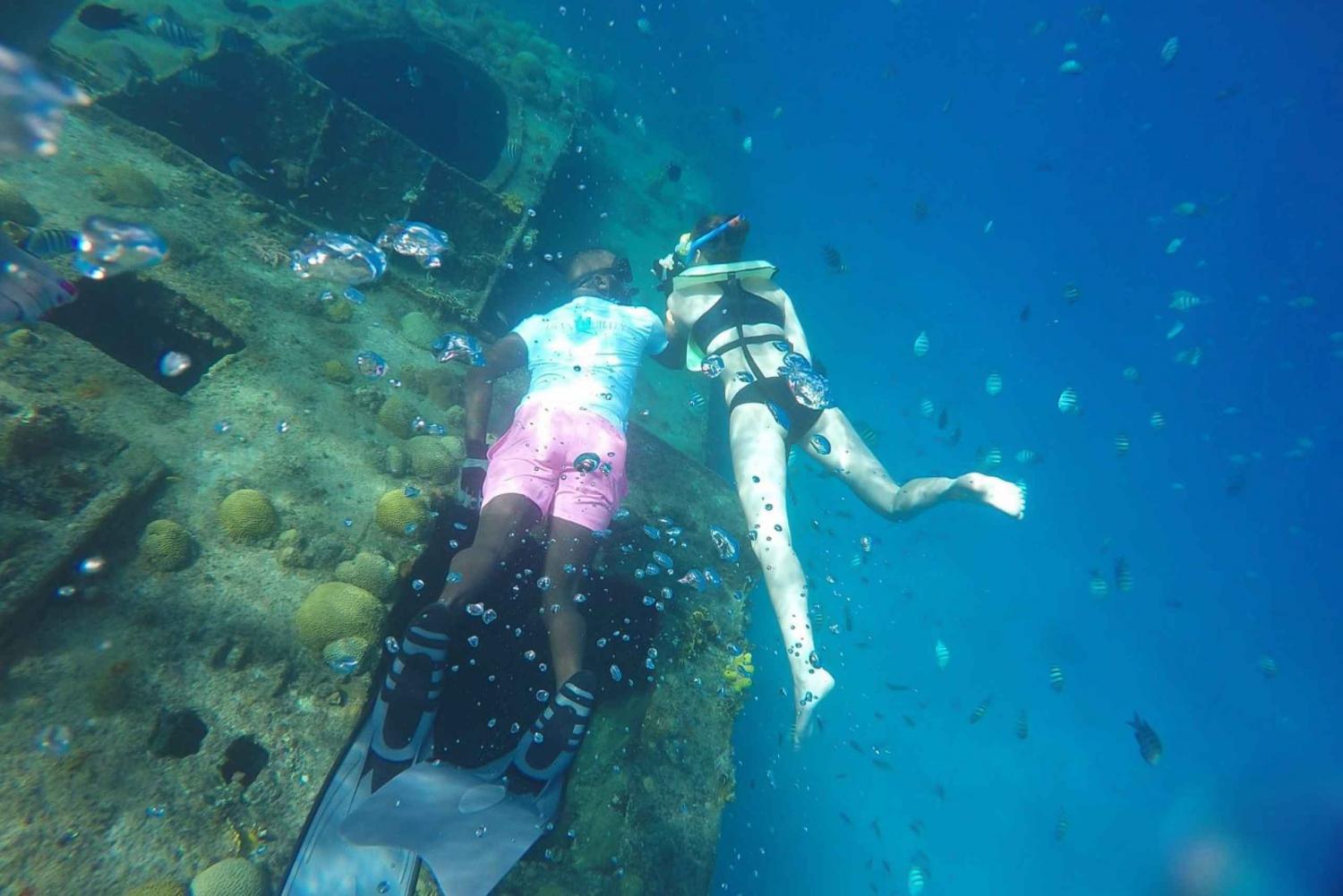
Carlisle Bay is a favourite for travellers who want swimming, scenery, and easy access to marine life. The bay is known for clear water and opportunities to see sea life, including areas popular for snorkelling.
I like beaches that offer options because weather and energy levels change during a trip. At Carlisle Bay, I can spend a quiet morning in the water or turn the visit into a more active day exploring beneath the surface.
Barbados is also one of the easier Caribbean islands for combining beach time with restaurants, history, and local experiences. For a first Caribbean trip, this kind of variety can make planning much simpler.