The Amalfi Coast is famous for cliffs and pastel villages, but the beaches are where I notice the real character of the coastline. I have learned that the prettiest view is not always the easiest place to spend a whole afternoon, so I look at access, atmosphere, space and whether I would actually return.
Positano’s classic beach scene: beautiful, busy and worth planning for
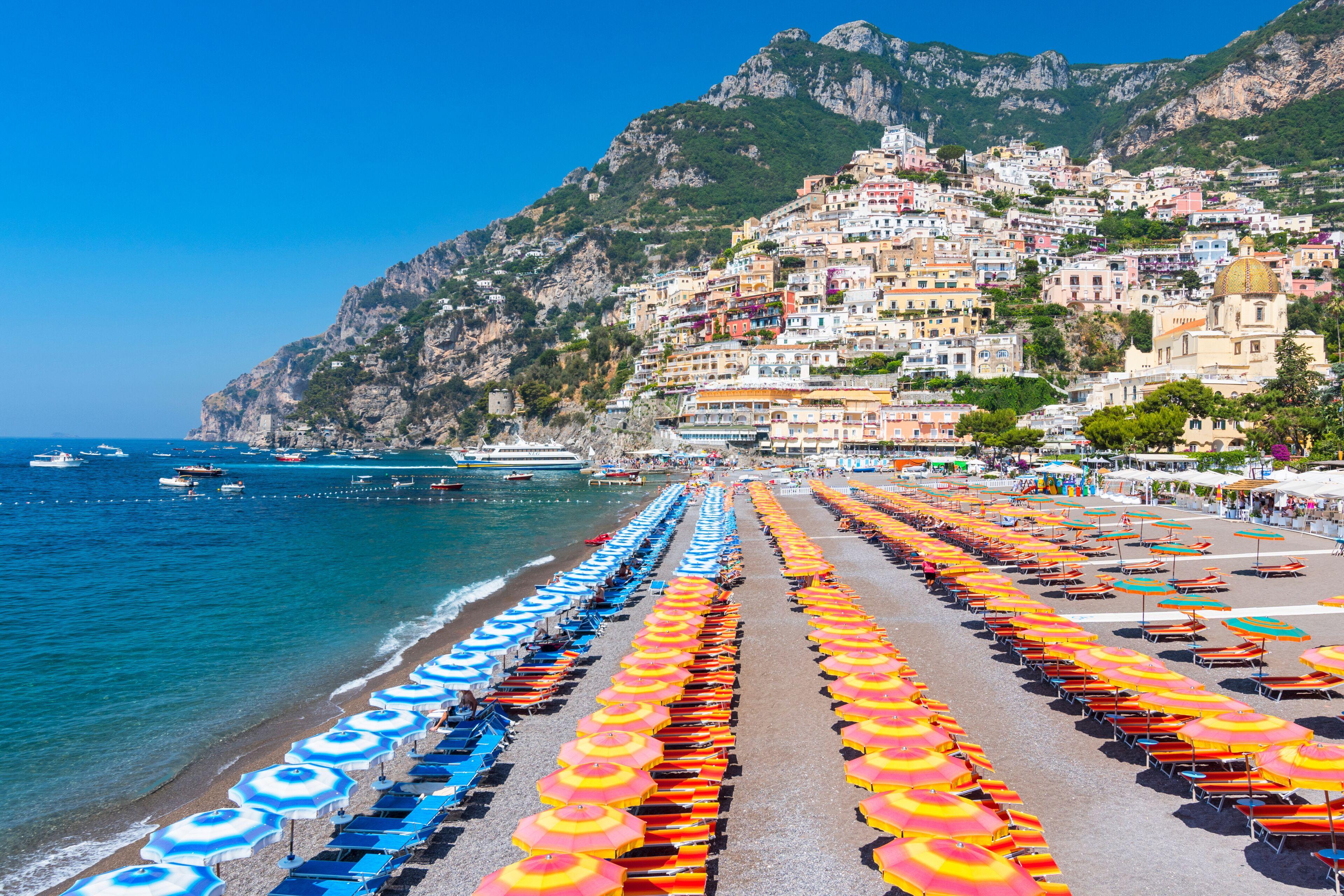
This is the Amalfi Coast beach people picture first. The wide sweep of umbrellas beneath the stacked hillside buildings gives you the full postcard experience, but it also means you are sharing it with plenty of other visitors.
I like this kind of beach when I want the village atmosphere as much as the sea. It is easy to combine swimming with a long lunch, a walk through the lanes, or an evening drink. The trade-off is simple: this is not the place I choose when I want a quiet stretch of pebbles and a book.
For adapting the experience, I would arrive earlier rather than fighting for the last available spot. Bring water shoes if you dislike rough pebbles, and do not underestimate the sun reflecting off the water and stone.
My beach rule: I would rather pay for a comfortable day occasionally than squeeze into a crowded free spot and spend the afternoon annoyed.
A dramatic cliff cove: the Amalfi Coast at its most rugged
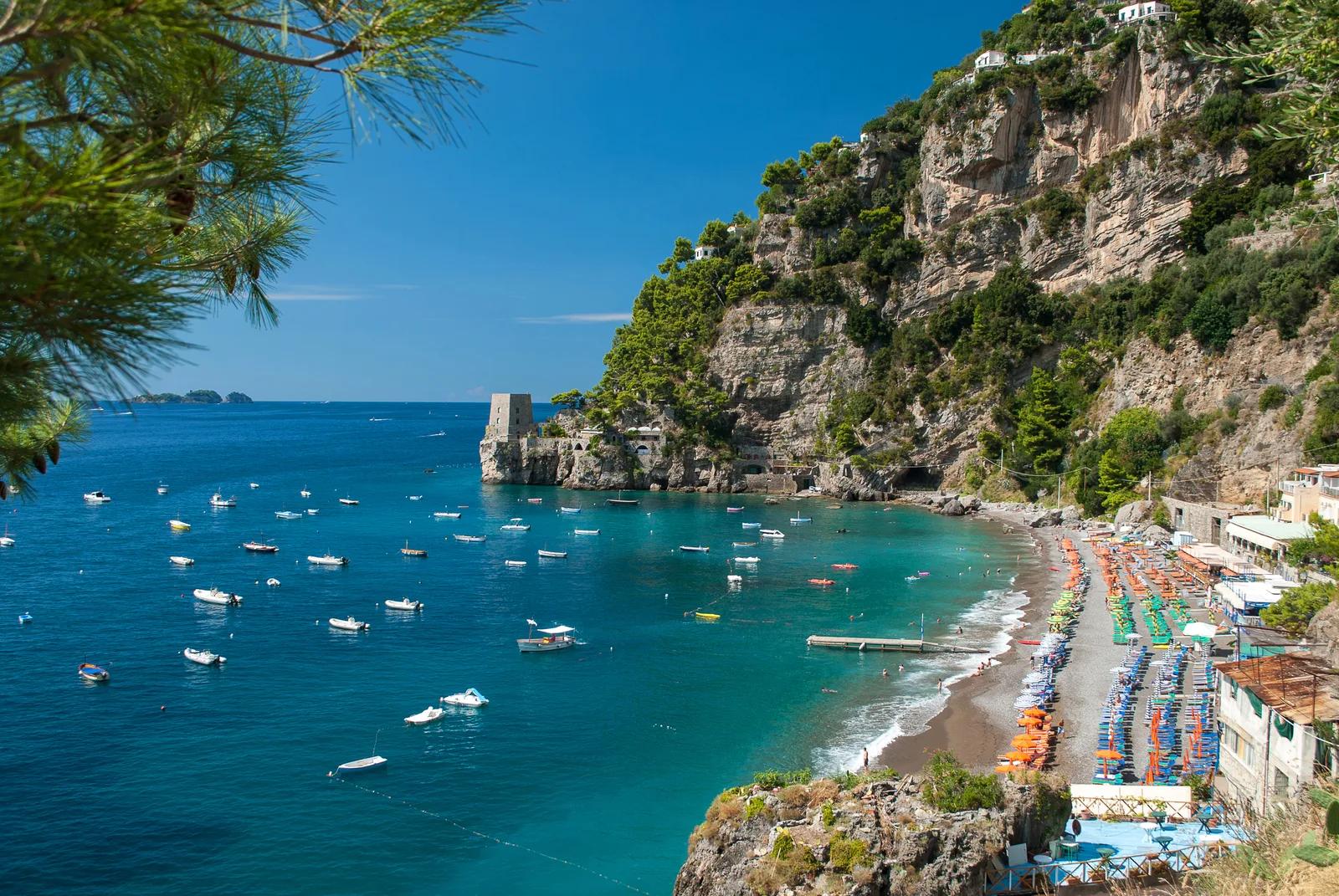
Some beaches here are about the setting as much as the sand. This smaller cove style, tucked beneath steep rock faces, is what many travellers hope to find on the coast.
I love these beaches for swimming because the water often feels more sheltered and the cliffs create a completely different sense of scale. They are less forgiving, though. Space is limited, shade disappears quickly, and carrying a large beach bag becomes a chore.
I would pack lightly: towel, water, sunscreen and something simple to read. These coves reward people who accept that the walk down is part of the outing. They are not designed like resort beaches, and that is exactly why they are memorable.
Best for: travellers who value clear water and scenery over long sandy stretches.
A hidden-feeling inlet: small scale, clear water and fewer expectations
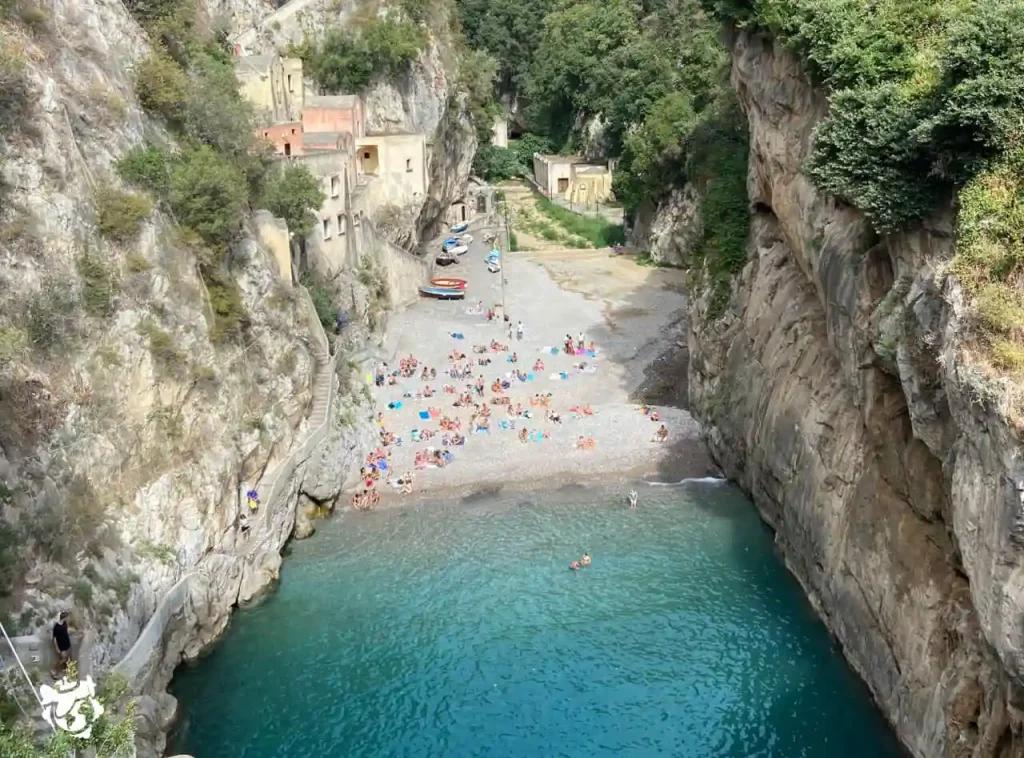
The tiny cove is one of the Amalfi Coast’s recurring pleasures. A beach like this is not about facilities; it is about getting close to the water and enjoying the landscape around you.
I have found that the best way to enjoy smaller beaches is to stop expecting them to behave like large resort beaches. There may be fewer services, limited room for towels, and a more informal rhythm.
This style suits travellers who are happy swimming, sitting, and watching boats pass. I would not choose it for a family carrying a mountain of gear, but for a light day bag and a slow afternoon it can be exactly right.
- Bring: water and snacks before arriving.
- Expect: natural beauty rather than polished convenience.
Marina di Praia style: a beach between cliffs and fishing life
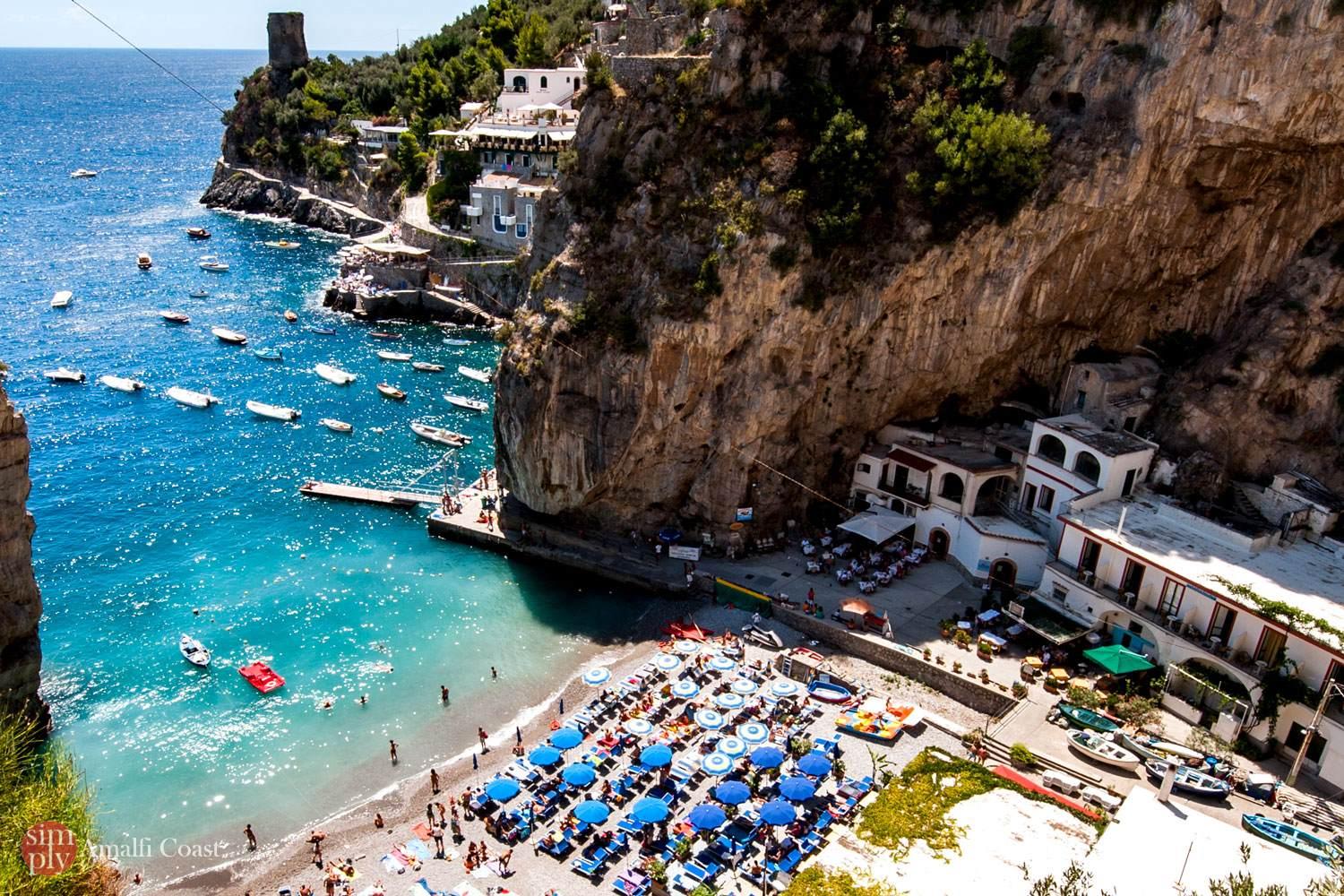
Narrow beaches backed by cliffs have a special Amalfi Coast character. This type of shore feels connected to the working coastline rather than separated from it.
I enjoy beaches like this because they combine swimming with a sense of place. You can watch small boats move in and out, see the rock walls rising around you, and feel how little flat land exists along this coast.
The practical compromise is that these beaches can feel tight in peak season. I would go with realistic expectations: you are visiting a dramatic coastal pocket, not a huge open beach. A small towel, comfortable footwear and patience go a long way.
My favourite beach days are not always the easiest ones. Sometimes the effort is the reason a place feels special.
The quiet turquoise cove approach: choosing water over facilities
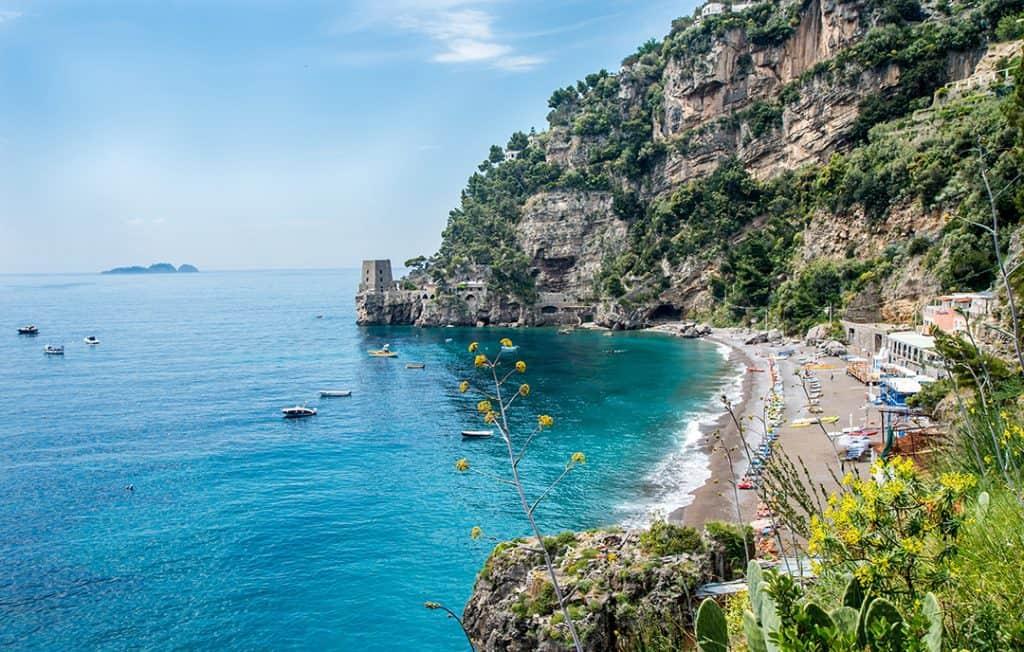
This kind of shoreline is for swimmers first. The attraction is the colour of the water, the cliffs and the feeling of being surrounded by nature.
I would recommend this style of beach for people who are comfortable with fewer conveniences. You may not have a long promenade, endless cafés or acres of loungers, but you gain a more intimate coastal experience.
When I plan a beach day, I ask one question: what do I actually want? If the answer is swimming and scenery, a small cove often beats a larger organised beach.
Good match: couples, solo travellers and anyone who prefers a slower afternoon. Less ideal for visitors who need easy access and lots of space.
Arienzo beach: a more organised beach club day
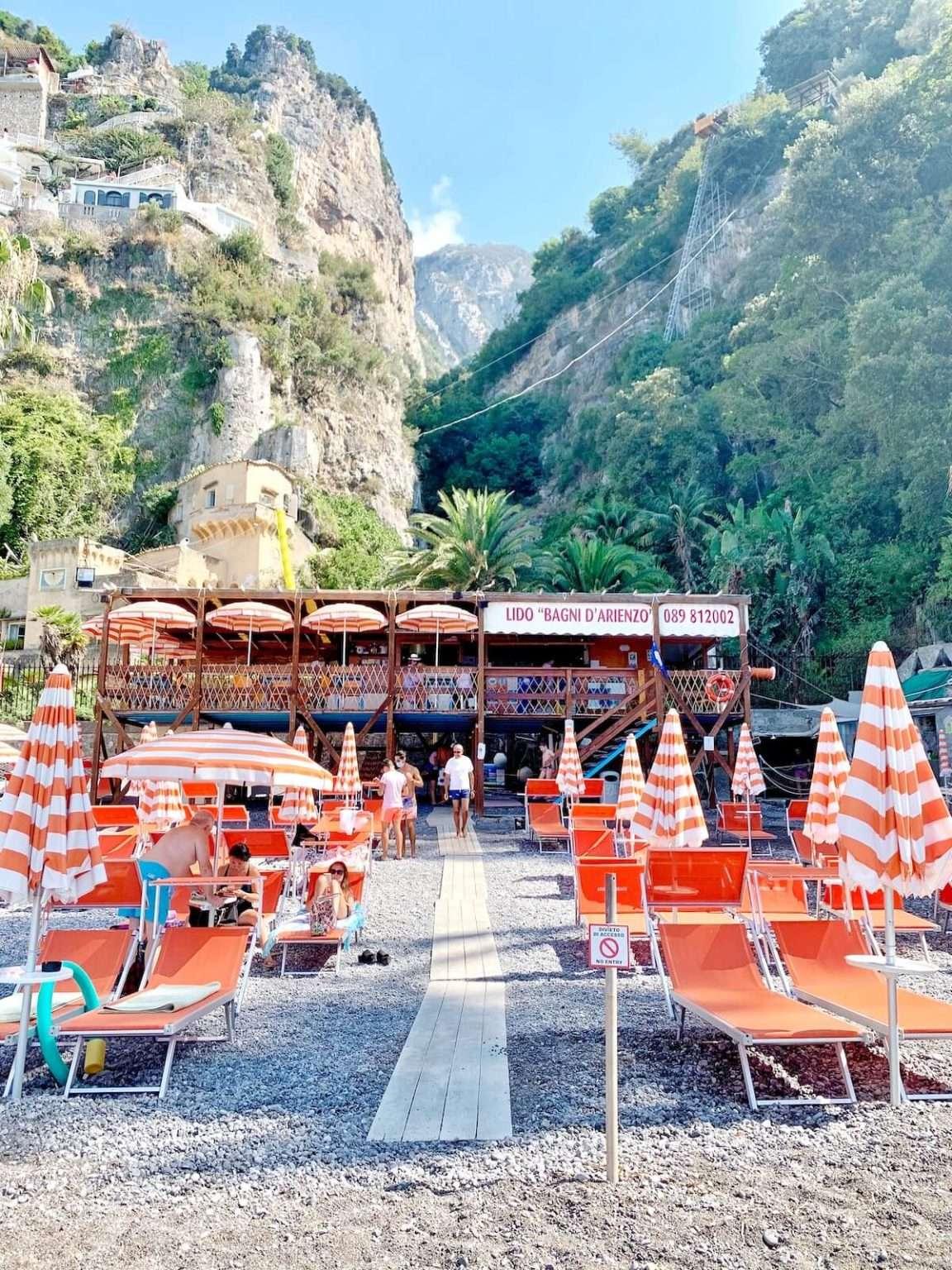
Some Amalfi Coast beaches are about comfort. This organised beach style, with rows of loungers and umbrellas, suits travellers who want to settle in for hours.
I appreciate having a place where I can put my things down, order something cold, and stop thinking about logistics. After years of travelling, I have become less interested in proving I can have a difficult day outdoors when a comfortable option makes more sense.
The trade-off is cost and space. Beach clubs can be a bigger expense than a simple towel on the shore, and the atmosphere is more structured. For a special day, though, that can be exactly the point.
My tip: choose comfort days deliberately rather than paying for convenience every single day of a trip.
Atrani’s beach: village life meeting the sea
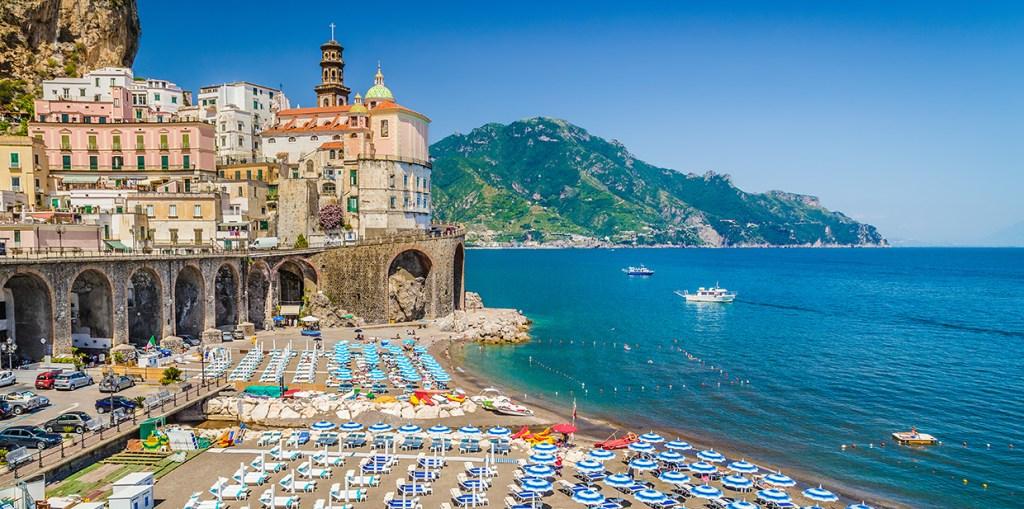
A small village beach gives you something larger beaches cannot: daily life close by. The shoreline is tied directly to the community around it.
I like these beaches because they make a swim feel like part of a normal day rather than a separate tourist activity. You can combine the water with a wander, a meal, and a look at the architecture that makes the coast distinctive.
The beach itself is not about endless empty space. It is about atmosphere. If you want a quiet private-feeling retreat, this may not be your choice. If you want to step out of the sea and immediately feel connected to a real village, it works beautifully.
Best for: travellers who enjoy mixing beach time with exploring.
A longer shoreline option: more room to breathe
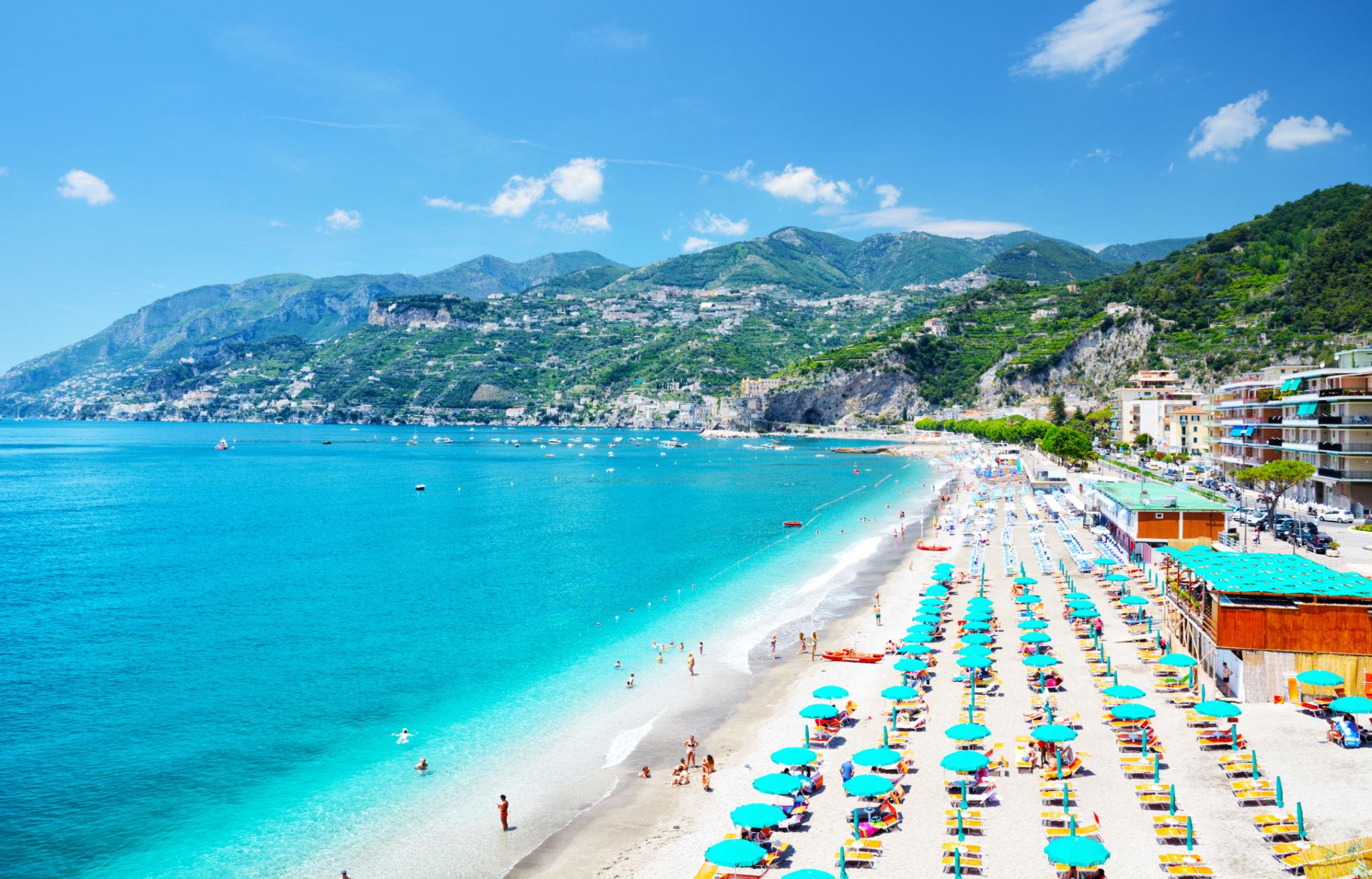
Not every excellent Amalfi Coast beach is a tiny cove. Larger stretches of shoreline offer a different experience: more room, easier swimming, and a less dramatic but often more practical day.
I would choose this type of beach when I want a proper beach afternoon rather than a quick dip between sightseeing stops. There is usually more space to spread out and more flexibility for families or travellers carrying extra items.
The view is still unmistakably coastal, but the rhythm changes. Instead of squeezing into a small pocket between cliffs, you get a slower seaside routine.
The glamorous beaches get the attention; the practical beaches often get the repeat visits.
A traditional seaside village beach: simple and local
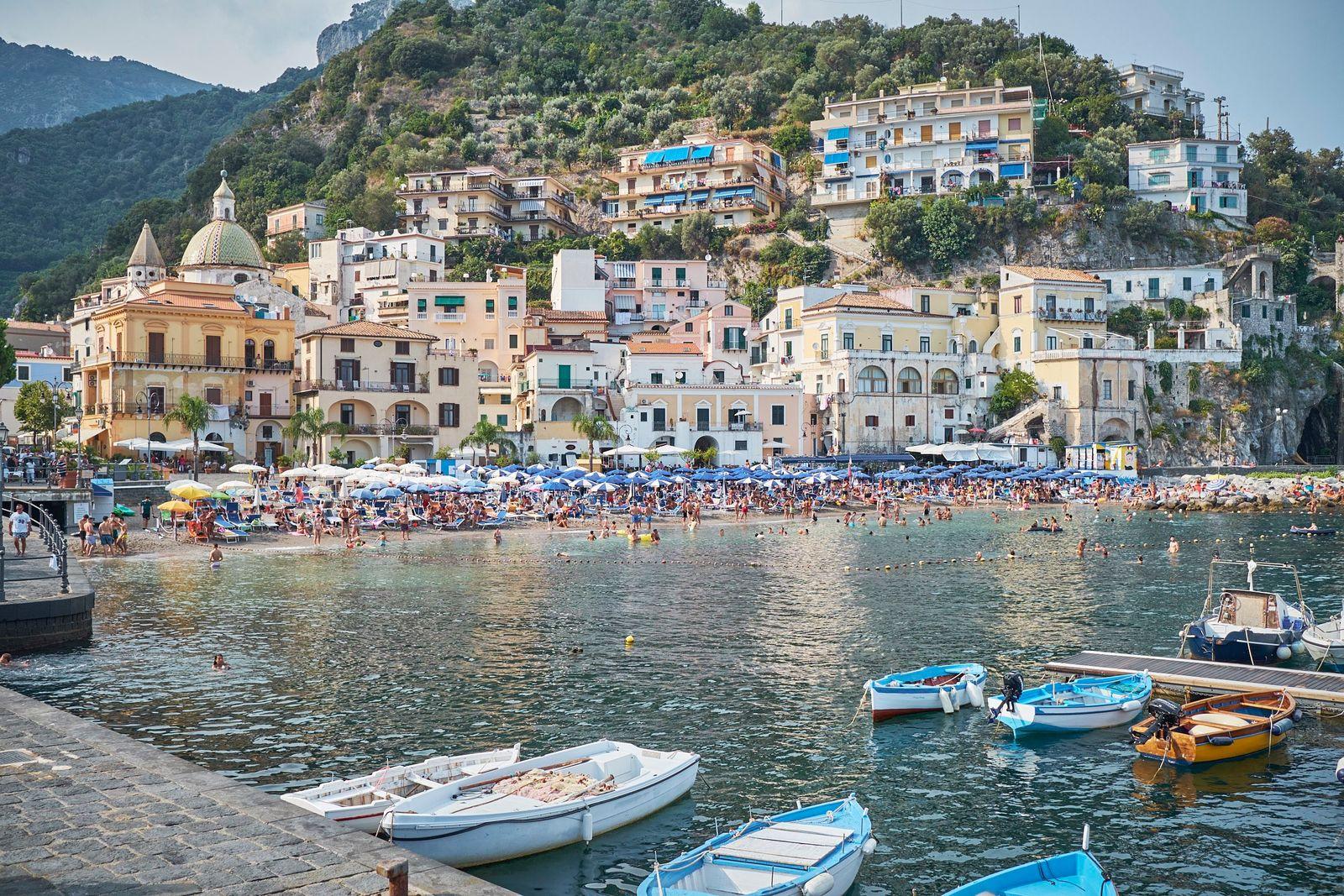
This beach style shows another side of the Amalfi Coast. Behind the umbrellas and boats is a village rhythm rather than a luxury postcard.
I enjoy places like this because they remind me that coastal towns are lived-in communities, not just viewpoints. The boats, waterfront buildings and everyday movement are part of the experience.
For visitors, the best approach is respectful and simple: keep the area clean, avoid treating residents as scenery, and enjoy the beach as a guest.
Choose this if: you want a more grounded seaside stop with local character rather than a famous-name beach experience.
The secluded cove dream: beautiful but requiring flexibility
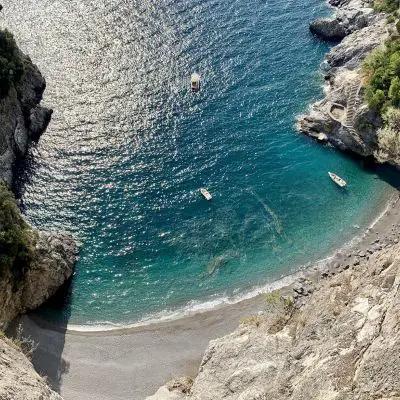
The final beach type is the one that looks almost untouched. Small rocky inlets and hidden swimming spots are part of what makes this coastline fascinating.
I would save these places for travellers who enjoy a little uncertainty. Conditions, access and available space can change, so flexibility matters. The reward is a more personal relationship with the sea.
My advice is to avoid overpacking and avoid building an entire day around one tiny spot. A good coastal trip needs a backup plan. If the cove is crowded, windy, or less accessible than expected, another nearby option may give you a better afternoon.
The best beach is the one that matches your energy that day.
I would not try to find one perfect Amalfi Coast beach. The coastline works best when you choose the shore that fits the day you want: a village swim, a cliffside cove, or a comfortable lounger with nowhere else to be.





Common Questions
Which Amalfi Coast beaches are best for a first visit?
For a first visit, I would mix one famous beach with one smaller cove or village beach. That gives you the classic view and the quieter coastal feeling.
Are Amalfi Coast beaches sandy?
Many are pebble beaches rather than wide sand beaches. Water shoes can make swimming much more comfortable.
Should I book a beach club on the Amalfi Coast?
If having a guaranteed lounger, shade and facilities matters, it can be worthwhile. If you are happy with a towel and a shorter visit, save the money.