Buses are one of the simplest ways to move through a city, cross a country, or reach places where other transport options do not make sense. I have spent years watching how people use public transport, and buses remain one of the most practical travel tools we have. Here are ten facts about buses that explain why these vehicles still matter.
Buses Are a Major Form of Public Transportation
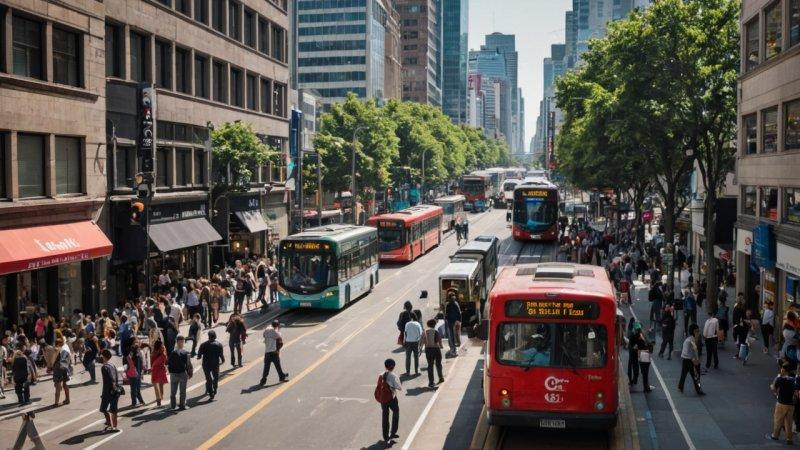
When I look at transport networks around the world, buses are usually the quiet workhorses. They connect neighbourhoods, carry commuters to jobs, and provide mobility for people who do not own a car. Unlike rail systems, buses can change routes more easily and reach smaller streets without expensive infrastructure.
Quick facts about bus travel
- Buses operate in almost every major city worldwide.
- They can serve both urban and rural communities.
- Many cities use buses as the backbone of daily transport.
I noticed this especially while travelling through cities with strong bus networks. A reliable bus route often tells you more about a place than a tourist map does because it shows where local life actually happens.
The First Buses Appeared Over 200 Years Ago
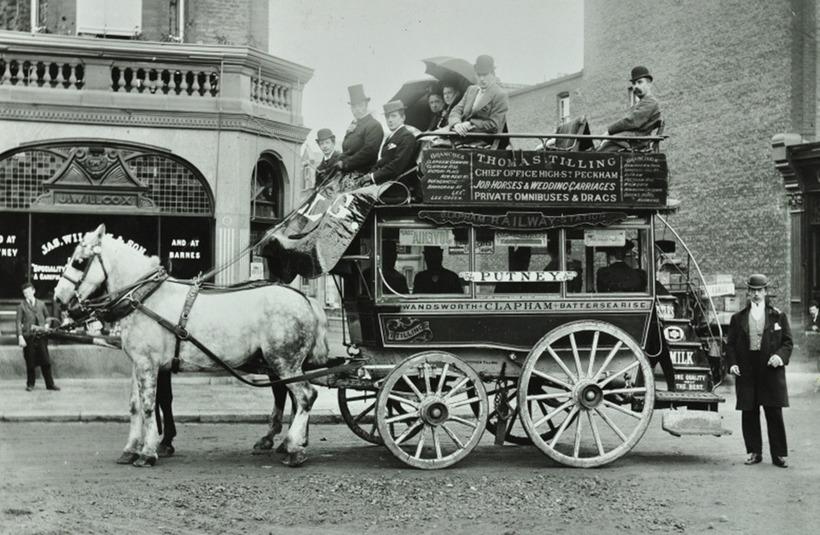
The story of buses started long before electric vehicles and smart ticketing. The first horse-drawn omnibus services appeared in the early 19th century, with one of the earliest examples operating in Paris in 1828. These vehicles created a new idea: shared transport on a regular route.
From horse power to electric power
I find the history of buses fascinating because the basic idea has barely changed. A vehicle follows a route, stops for passengers, and provides a predictable way to travel. The technology changed, but the purpose stayed familiar.
Over the following decades, horse buses were replaced by motor buses, which became faster, more reliable, and easier to operate in growing cities.
Modern Buses Use Different Types of Energy
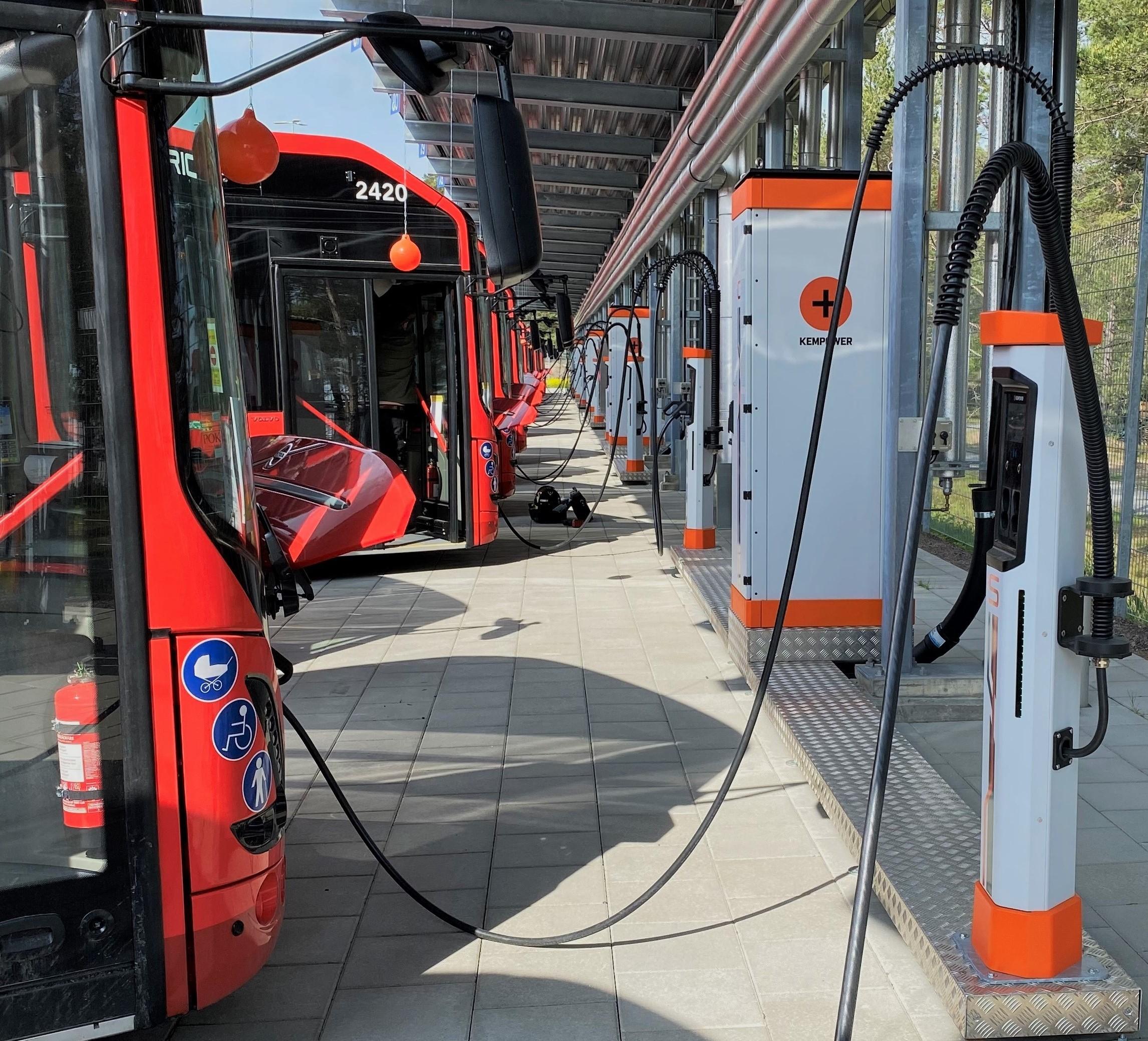
Today's buses are far more varied than the diesel models many people remember. Cities now use diesel, compressed natural gas, hybrid systems, battery-electric buses, and hydrogen fuel cell buses depending on local needs and budgets.
- Diesel buses: Still common because existing infrastructure supports them.
- Electric buses: Produce no tailpipe emissions and are increasingly used on city routes.
- Hydrogen buses: Offer longer range possibilities where hydrogen supply exists.
The best choice depends on the route. A short city loop and a long regional service have very different energy requirements, and there is no single solution that fits everywhere.
Buses Can Carry Many Passengers Efficiently
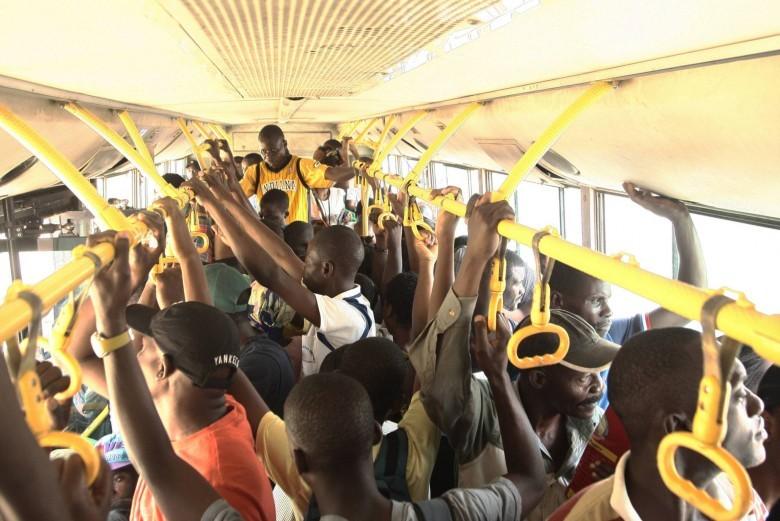
A bus may look ordinary, but its passenger capacity makes it a powerful transport tool. A single vehicle can replace many private cars during busy periods, especially on routes with dedicated lanes or frequent service.
100+
Passengers can fit on some articulated buses.
Articulated buses, which have a flexible joint in the middle, are common in busy cities because they add space without requiring a full rail system. I have travelled on these during peak hours, and the difference in capacity compared with a standard bus is immediately obvious.
Double-Decker Buses Are Famous Around the World
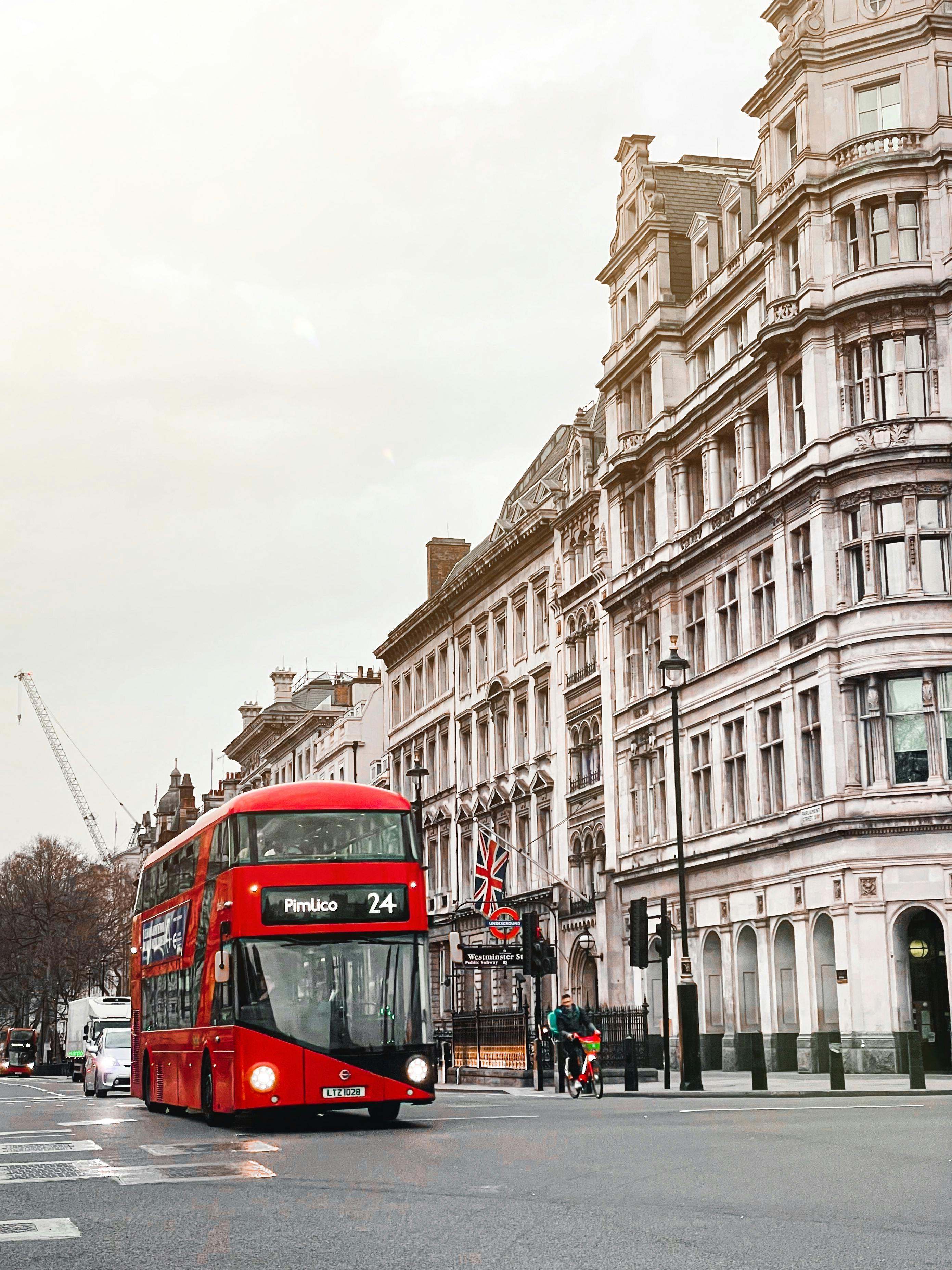
Few buses are as recognisable as the double-decker. The red double-decker buses of London are probably the most famous example, but similar designs have appeared in cities from Hong Kong to Berlin.
Why travellers like them
- Extra seating capacity.
- Great views from the upper deck.
- A memorable city experience.
Things to consider
- Upper decks may involve stairs.
- They are not ideal on every street.
I enjoy riding a double-decker when it makes sense, but I would not choose one simply because it looks good in a photograph. The route and convenience matter more than the novelty.
Some Buses Are Designed for Long-Distance Travel
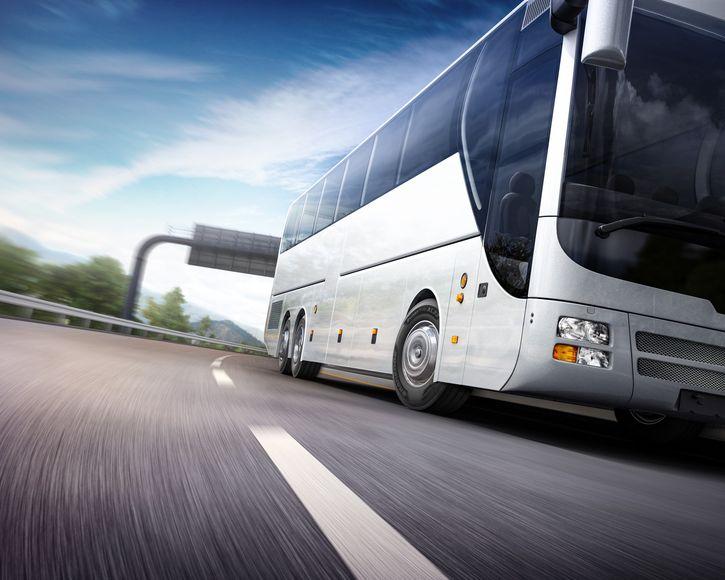
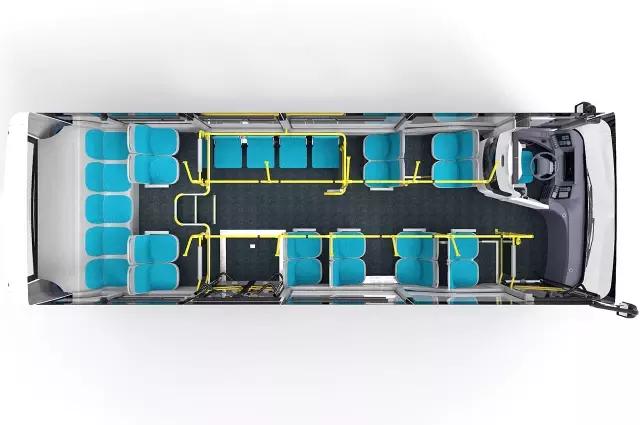
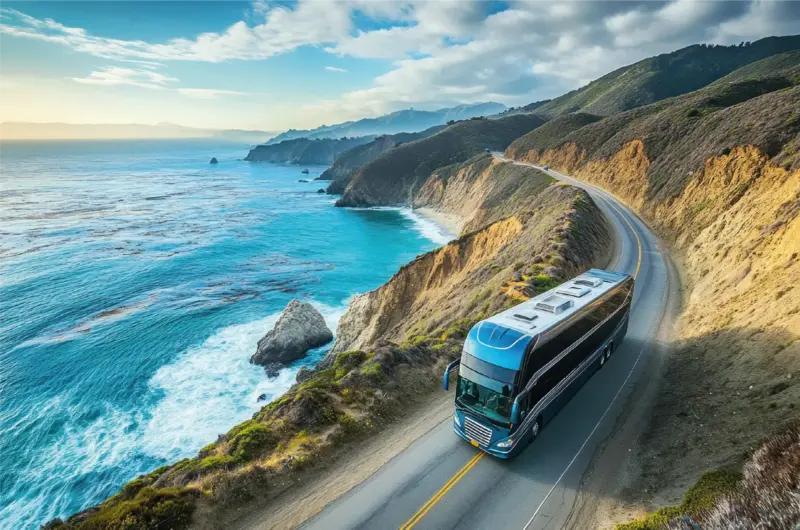
Not every bus is built for short city journeys. Coach buses are designed for longer trips, with features such as reclining seats, luggage compartments, climate control, and onboard toilets on some services.
| City bus | Long-distance coach |
|---|---|
| Frequent stops | Fewer stops |
| Short urban routes | Regional or national journeys |
During longer trips, I pay attention to practical details: where luggage goes, how often the bus stops, and whether the arrival time leaves enough room for delays. A two-hour delay is much easier to handle when you expected the possibility.
Buses Help Reduce Traffic and Pollution
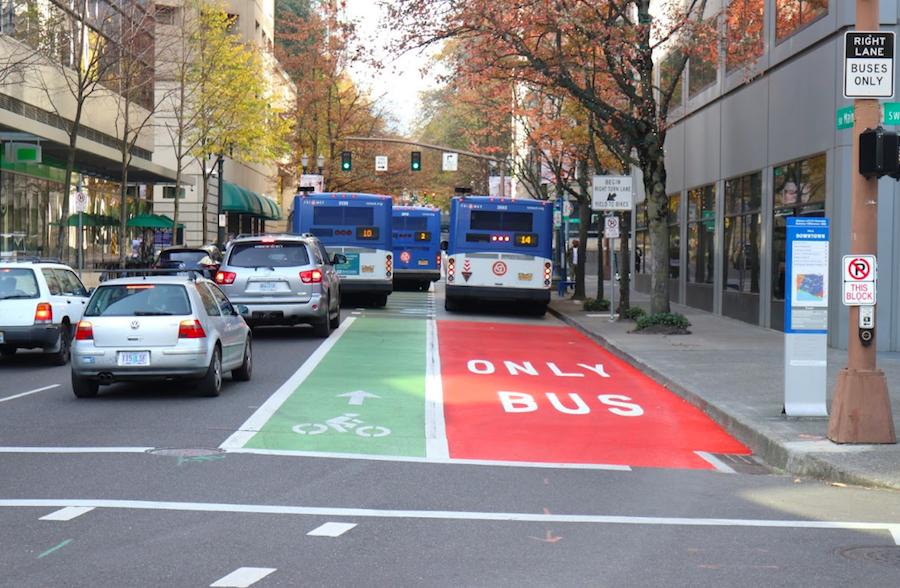
Moving many people in one vehicle can reduce the number of cars needed on busy roads. This is one reason cities invest in bus lanes, cleaner fleets, and more frequent services.
Practical travel tip
If you want to judge a city's public transport, check whether buses arrive frequently and whether routes connect the places people actually need to reach.
Buses are not automatically perfect. Poorly planned services can still leave people waiting too long. The benefit comes when buses are reliable, comfortable, and designed around real travel patterns.
Autonomous Buses Are Being Tested in Cities
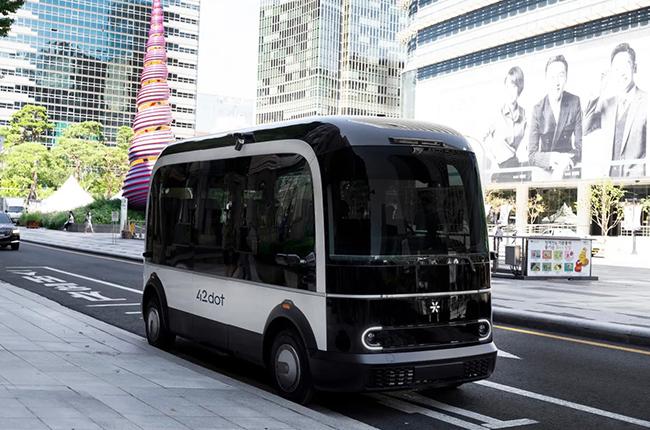
Self-driving buses are no longer just a science-fiction idea. Several cities and research programmes have tested autonomous shuttles and buses to understand how automated technology can work in real environments.
These vehicles often operate in controlled areas such as campuses, business districts, or dedicated routes. They still need careful testing because public roads involve unpredictable situations, from pedestrians to changing weather.
Worth remembering
Automation may change how buses operate, but planning, safety checks, and good route design remain essential.
School Buses Provide Safe Student Transportation
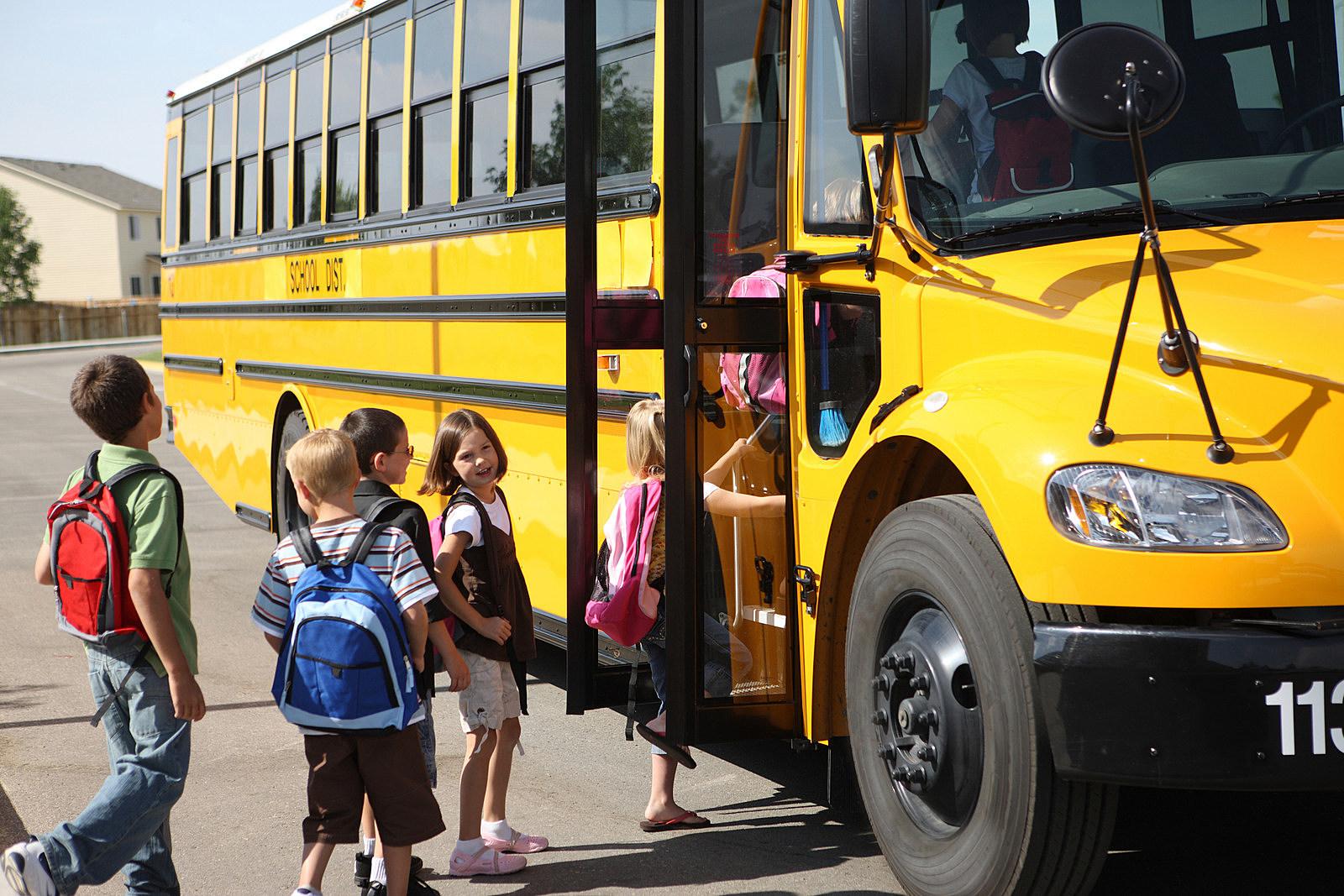
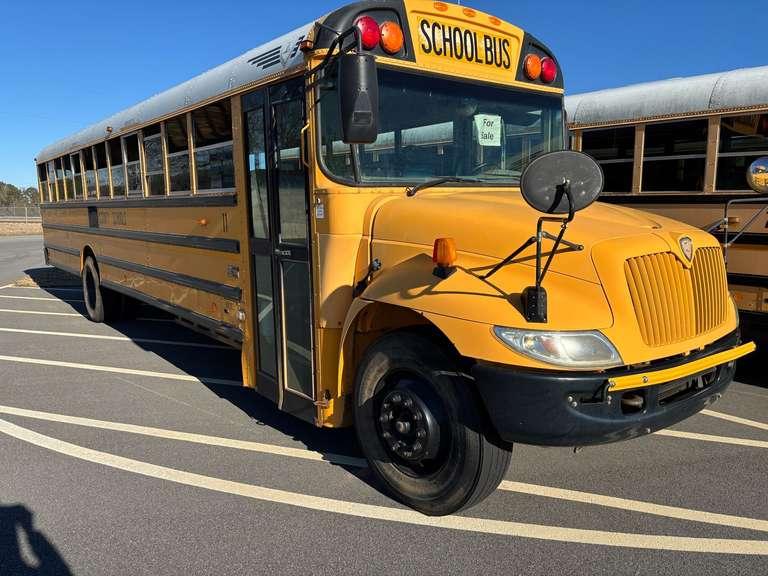
School buses are a familiar sight in many countries, especially in North America. Their purpose is simple: provide a dedicated way for students to travel between home and school.
- Drivers receive specific training requirements.
- Vehicles include safety features designed for children.
- Routes are planned around student locations and school schedules.
Growing up, many people remember the school bus as part of daily life. It is not just transport; it is often a small community routine that begins and ends each school day.
Buses Connect Communities Around the World
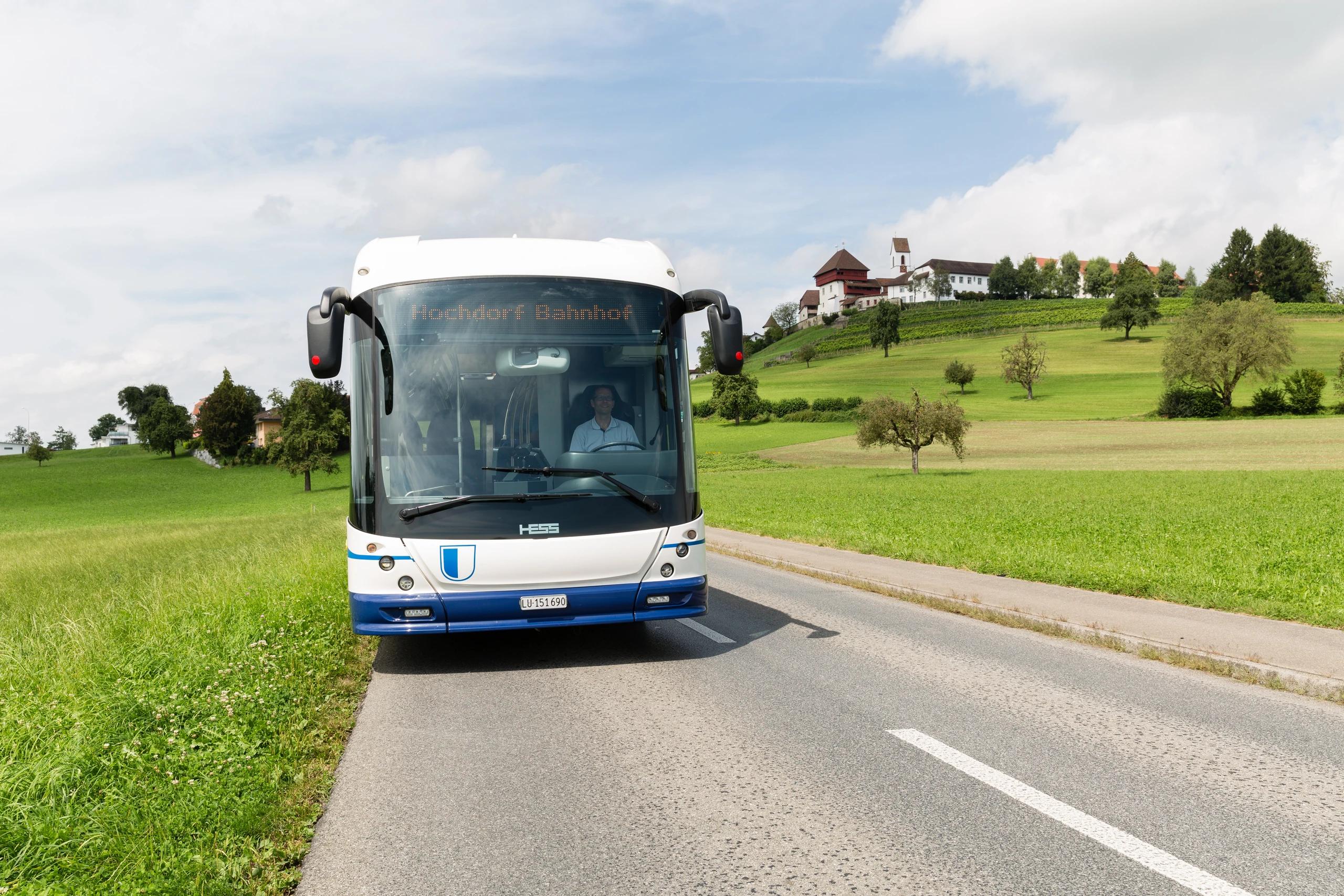
The most important thing about buses is their ability to connect people. They serve major cities, small towns, remote areas, and places where other transport systems cannot reach easily.
A bus route is often a map of everyday life.
Marnie Doyle, travel notes
I have learned that a good bus connection can completely change a trip. It can open access to local markets, smaller communities, and landscapes that visitors might otherwise miss. The next time you board a bus, remember that you are using one of the oldest and most adaptable travel ideas still running today.
Frequently asked questions about buses
Why are buses important?
They provide affordable and flexible transport for millions of people every day.
Are electric buses better than diesel buses?
They can reduce local emissions, but the best option depends on energy supply and route needs.
How old is the idea of bus transport?
Organised bus services began more than 200 years ago.