The transport transition is often discussed in terms of new technology, but the everyday workhorse is still the bus. I have spent years looking at how people actually move around cities, and the pattern is clear: a reliable bus network can change travel habits faster than a flashy idea that never reaches enough people.
Buses connect neighbourhoods, reduce pressure on roads, and give people a practical alternative to private cars. Here is how the humble bus is helping reshape mobility.
What buses bring to the transport transition
- They make sustainable travel available to more people.
- They can become cleaner with electric and low-emission technology.
- They work best when combined with walking, cycling, and other transport options.
The Role of Buses in Sustainable Urban Mobility
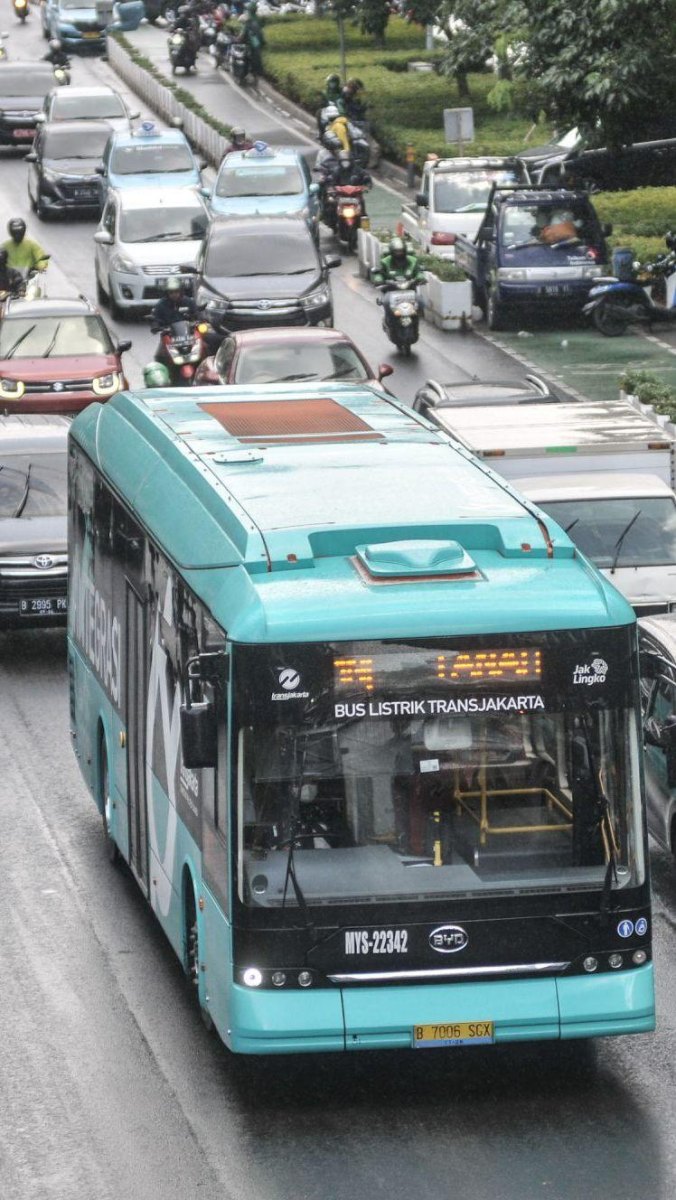
When people talk about sustainable transport, I think buses deserve more attention than they usually get. They are not as visually exciting as a new rail line or a futuristic vehicle, but they move large numbers of people using existing streets.
A well-used bus route can replace many individual car journeys. The important part is not simply putting buses on roads; it is creating a service that is frequent, dependable, and easy to understand.
A practical measure
I always look at frequency first. A bus that comes every 10 minutes is much easier for everyday travel than one that requires careful timetable planning.
Expanding Bus Networks for Better Accessibility
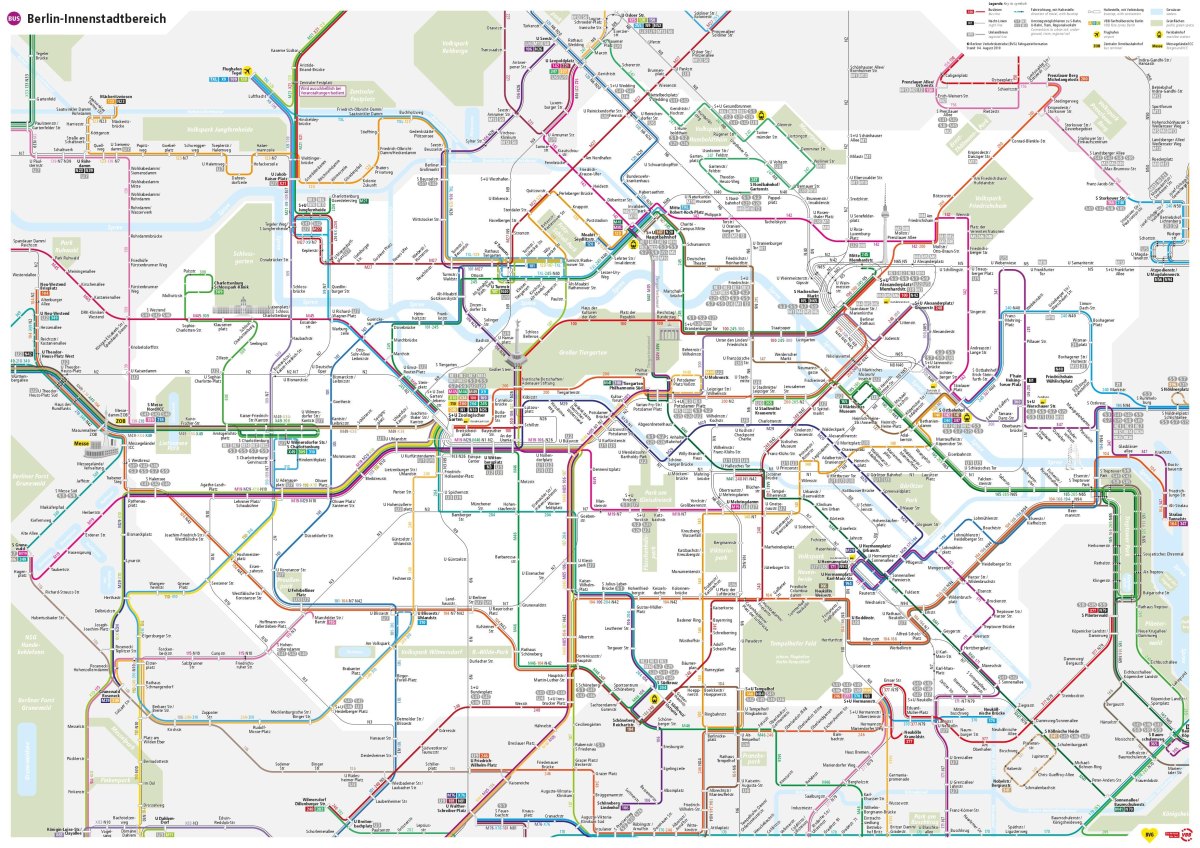
Accessibility is where buses often make their biggest difference. A new route can open opportunities for people who live away from major transport corridors.
During my time working with transit services, I saw that a route map is only part of the story. Stops need sensible locations, connections need to work, and information needs to be clear enough that a first-time passenger can use it.
- Coverage: More neighbourhoods can be connected without building expensive new infrastructure.
- Convenience: Frequent services make spontaneous trips possible.
- Inclusion: Public transport supports people who cannot or do not want to drive.
Electric Buses and Cleaner Cities
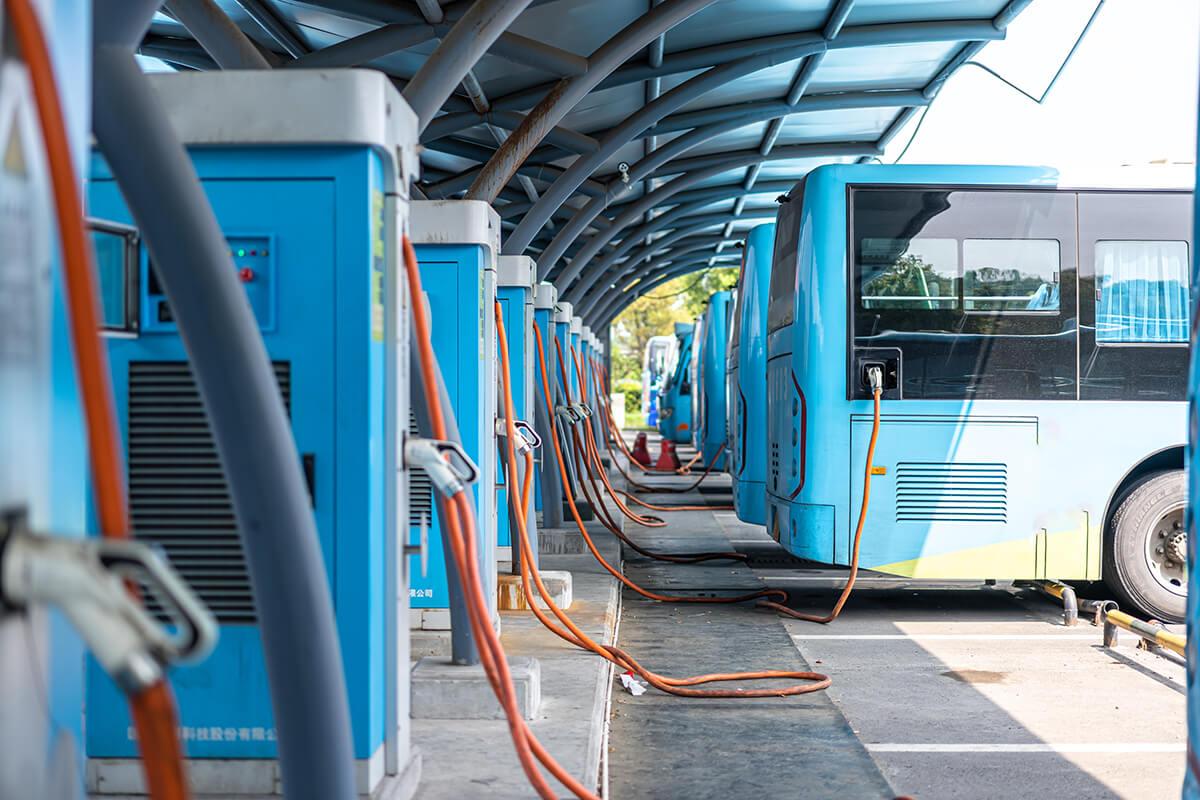
Electric buses are one of the most visible changes in the transport transition. They reduce local emissions and can make city streets quieter, which matters in busy neighbourhoods.
The switch is not as simple as replacing one vehicle with another. Operators need charging plans, maintenance training, and schedules that match vehicle range. I have learned to be suspicious of any transport change described as effortless.
Benefits
- Lower local emissions.
- Quieter streets.
- Modern passenger experience.
Challenges
- Charging infrastructure requirements.
- Higher planning demands.
- Fleet transition takes time.
Bus Priority Lanes and Faster Travel
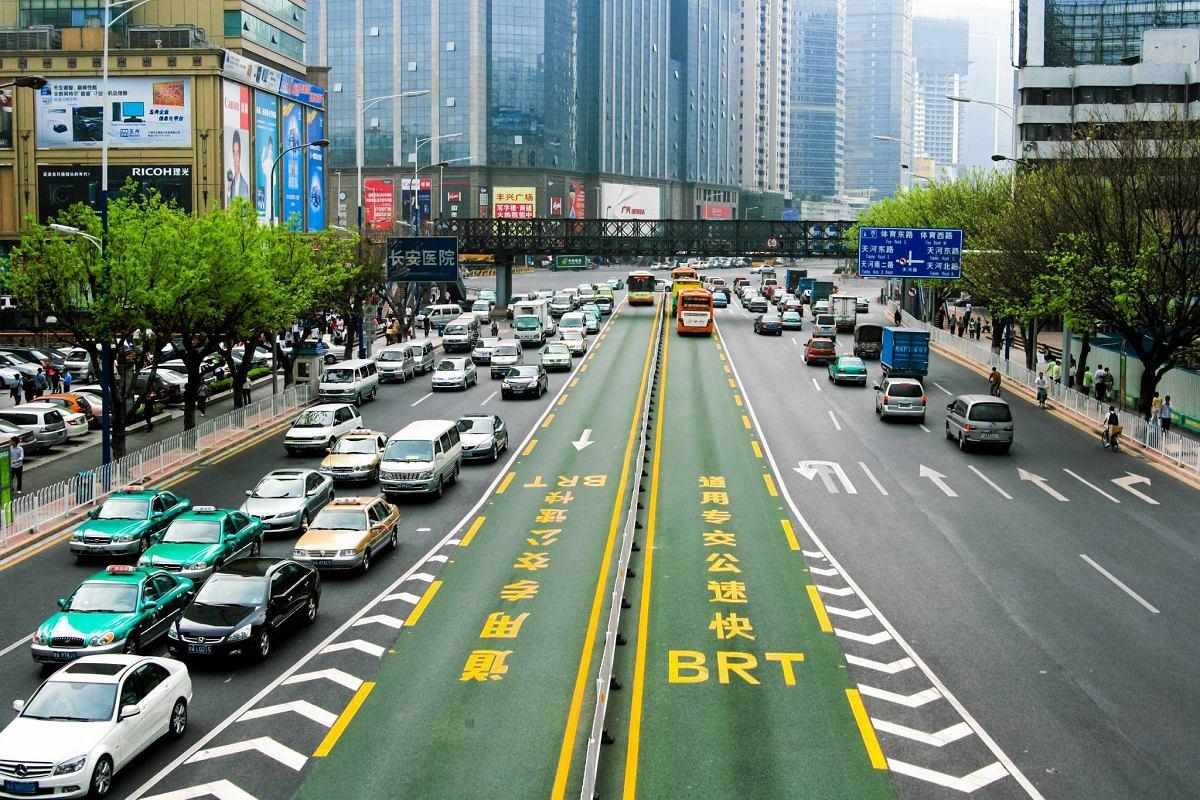
A bus stuck in the same traffic as every other vehicle is not a convincing alternative to driving. This is why bus priority measures matter.
Dedicated lanes, traffic signal priority, and better-designed stops can turn a slow route into a useful daily service. Reliability is often more important than speed alone because people plan their lives around knowing when they will arrive.
- Separate. Give buses space where congestion is a problem.
- Prioritise. Allow buses to move through busy intersections more efficiently.
- Improve. Track performance and adjust services based on real use.
Integrating Buses with Other Transport Modes
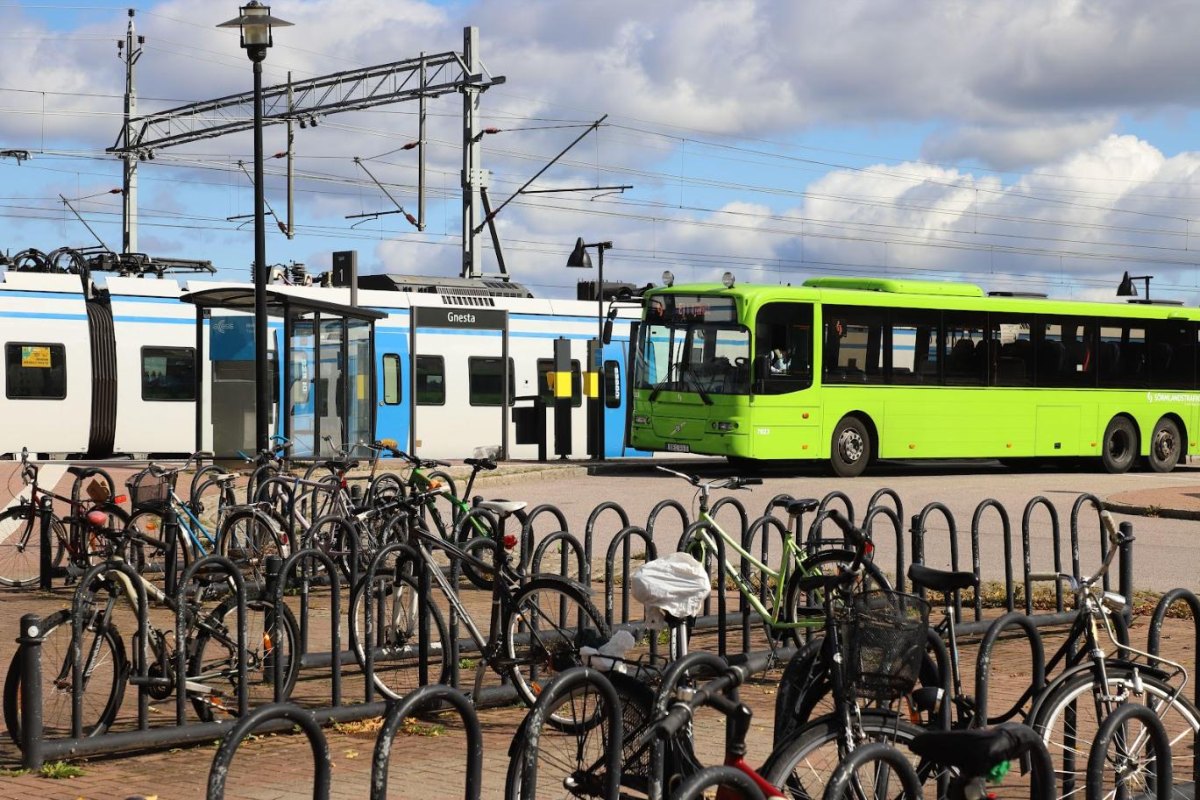
No single transport mode solves every journey. The best systems allow people to combine buses with trains, cycling, and walking without unnecessary complications.
I pay close attention to transfers when I travel. A connection that looks fine on a map can feel completely different when it involves a long walk, unclear signs, or a missed connection.
| Connection | What matters |
|---|---|
| Bus and rail | Simple transfers and coordinated schedules |
| Bus and cycling | Safe access to stops and secure parking |
Smart Technologies Improving Bus Services
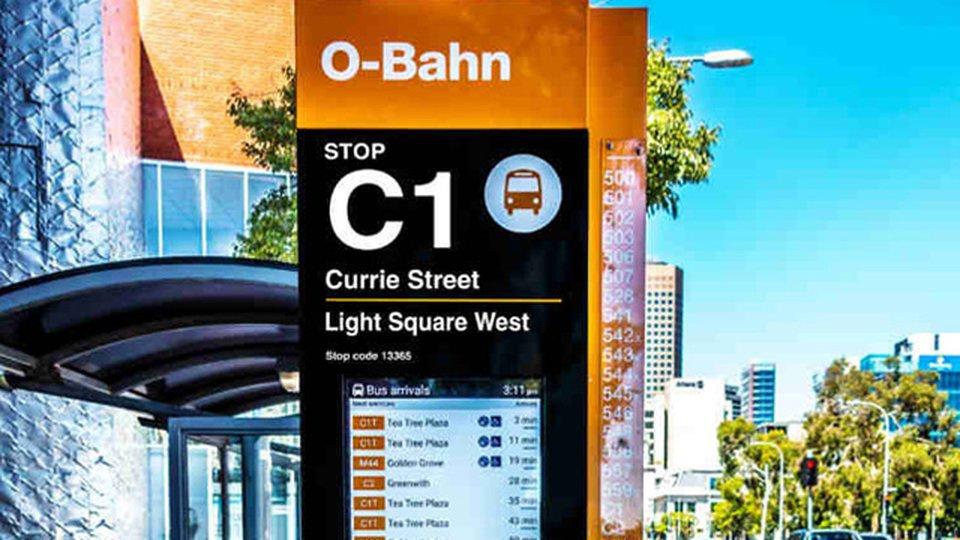
Technology is useful when it solves ordinary problems. Real-time arrivals, mobile ticketing, and clear passenger information remove some of the uncertainty that puts people off public transport.
I still think a simple printed timetable has value, especially when a phone battery dies or a signal disappears. Good systems give passengers options rather than assuming everyone travels the same way.
Small improvements matter
A reliable arrival display at a stop can make a bigger difference to daily confidence than a complicated feature most passengers never use.
Encouraging More People to Choose Bus Travel
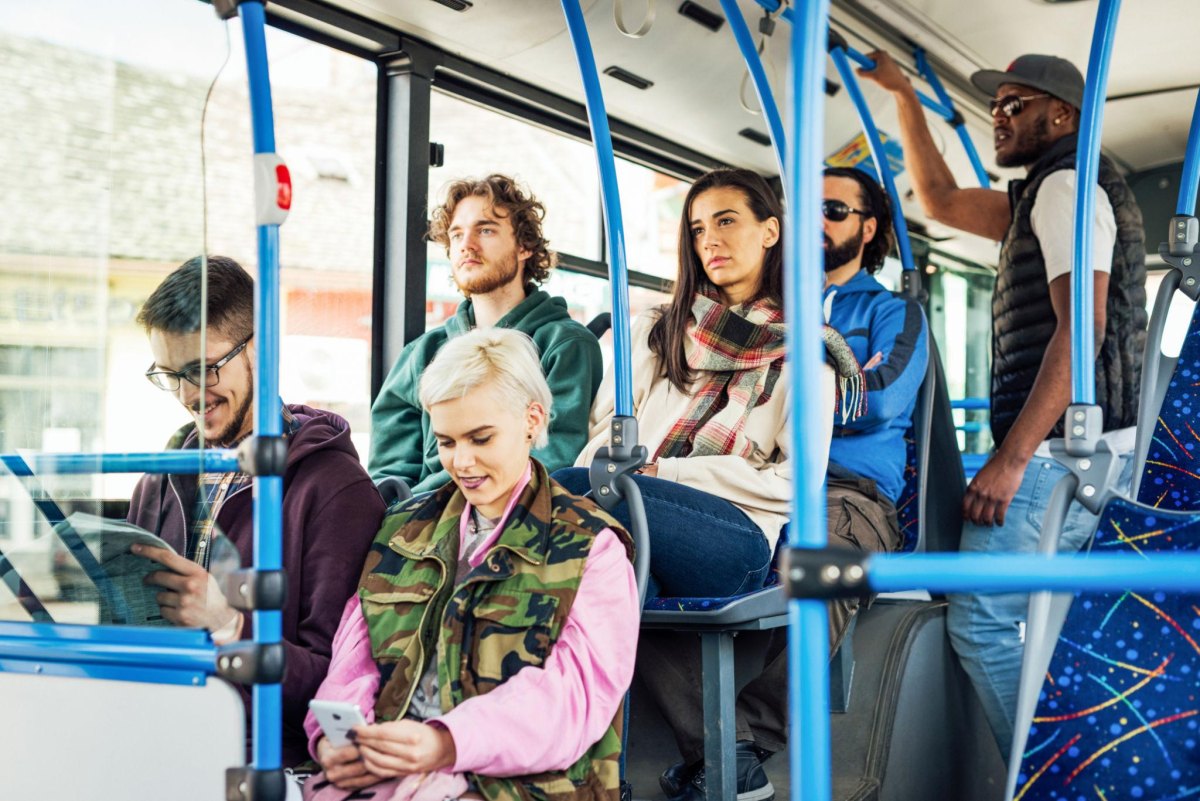
People rarely change travel habits because they are told to. They change when the alternative works better for their daily lives.
Comfort, clear information, reasonable fares, and dependable schedules all influence whether someone chooses the bus. The small details matter: a clean stop, enough space, and a journey that does not require perfect timing.
- Frequent service throughout the day
- Easy payment options
- Comfortable waiting areas
- Clear route information
The Future of Bus-Based Transport Transformation
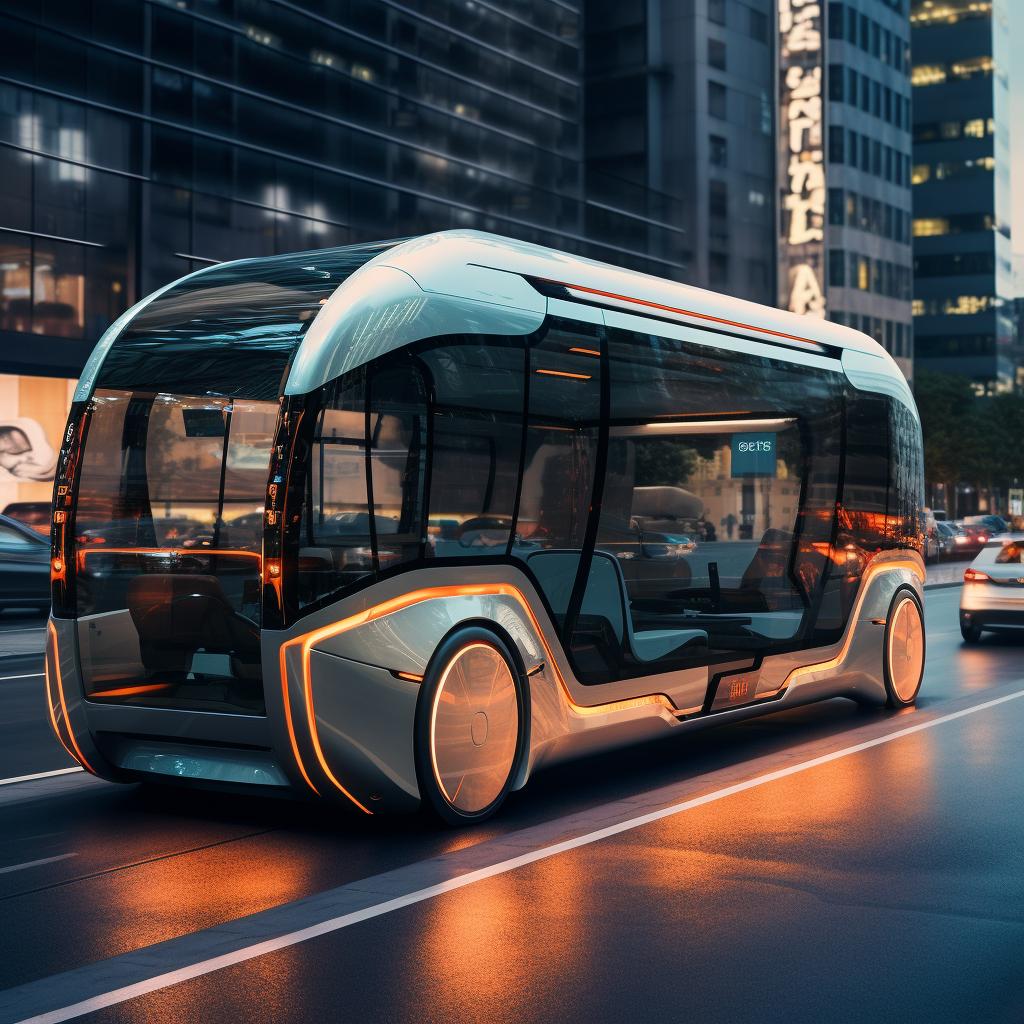
The future of bus transport will not come from one invention. It will come from many practical improvements working together: cleaner vehicles, better routes, easier payments, and streets designed for efficient movement.
I have travelled on excellent bus systems and frustrating ones, and the difference is rarely the vehicle itself. It is the planning behind it. A bus becomes transformative when people can trust it enough to build their day around it.
For anyone looking at the transport transition, my advice is simple: watch the everyday journeys. The systems that quietly move millions of people are often where the biggest changes begin.