Finding a quieter European beach is less about discovering a secret nobody knows and more about choosing the right kind of coastline. I have spent enough time travelling to know that the best spots are often the ones where you slow down, walk a little farther, and accept fewer conveniences for a better view.
White cliffs and a sheltered turquoise cove
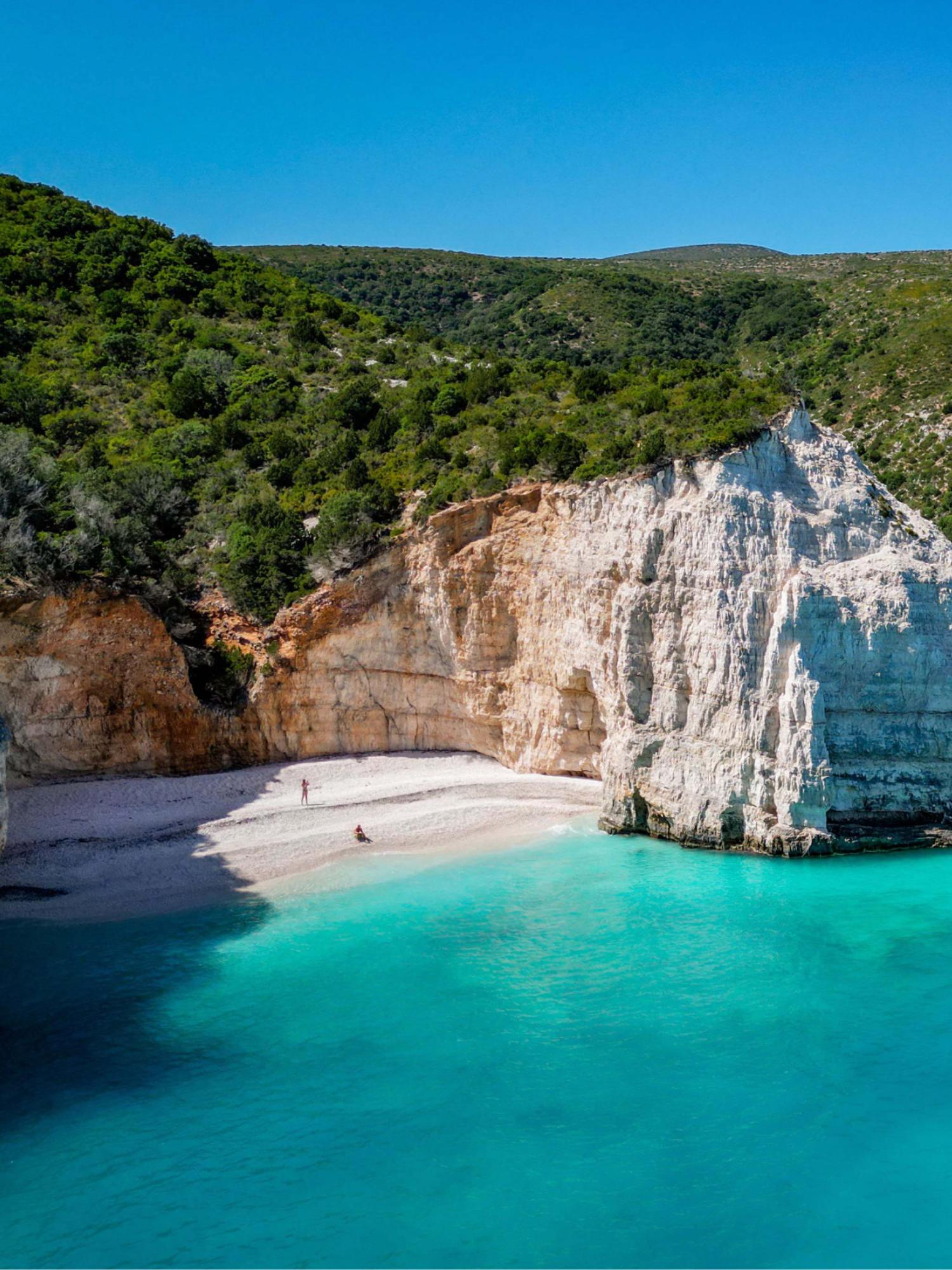
This style of hidden beach works because the landscape does most of the decorating. A small cove framed by pale cliffs and clear water creates that tucked-away feeling many travellers are searching for. I like these beaches because they reward patience: you do not need a beach club or a long list of activities when the setting itself is the attraction.
When I choose a beach like this, I pack simply: water, sun protection, something to sit on, and shoes that can handle uneven ground. The trade-off is usually access. The quieter the cove, the more likely you are to find a steep path or a walk without facilities.
I have learned that the most enjoyable hidden beaches are not always the easiest ones. They are the ones where the effort matches the experience.
A dramatic limestone coast seen from above
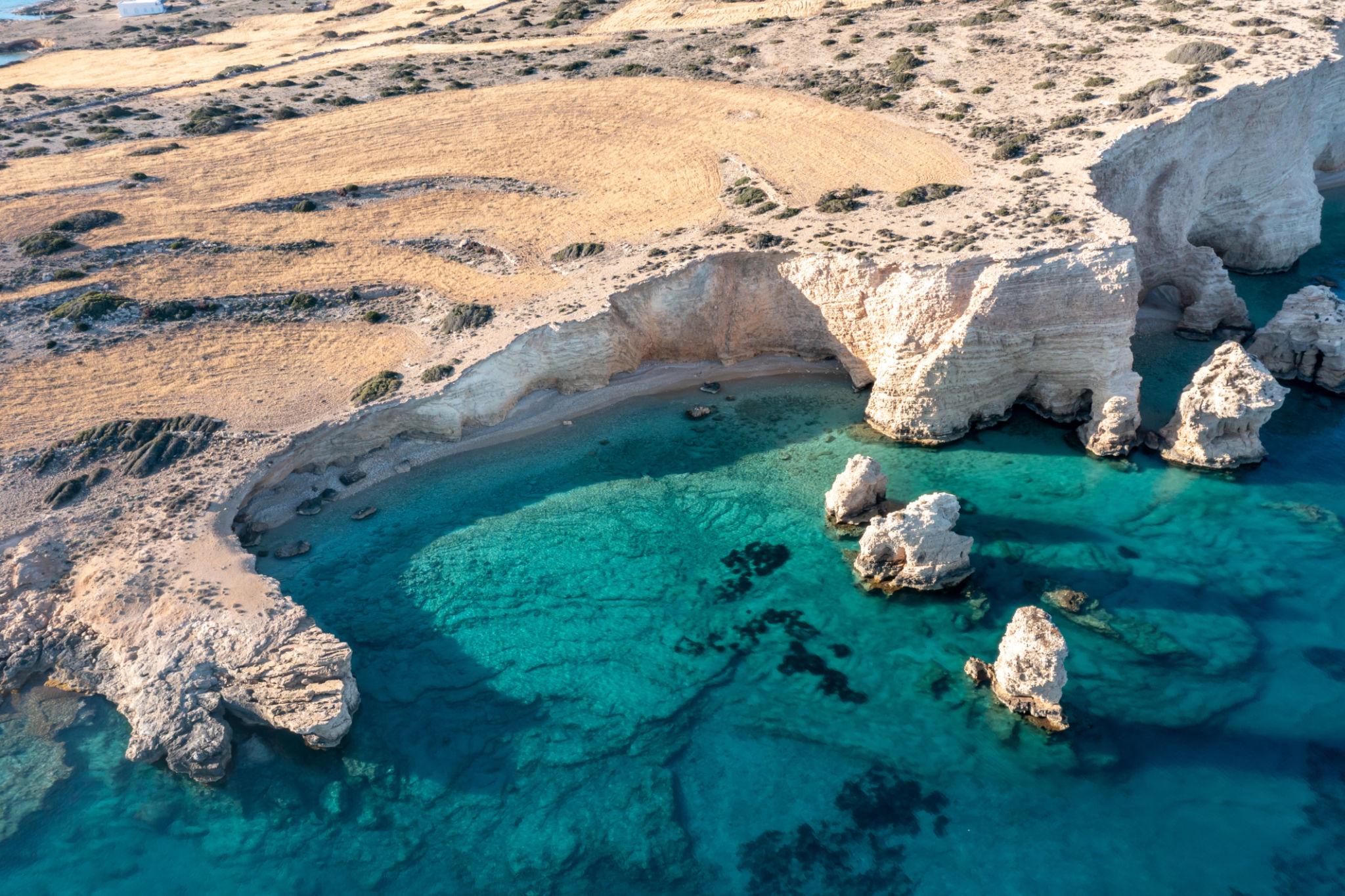
Rock formations can turn an ordinary swim into a memorable coastal stop. This kind of beach is defined by natural arches, white stone, and water that changes colour as the depth shifts. It suits travellers who want scenery as much as swimming.
I would treat beaches like this as half-day outings rather than quick photo stops. Bring what you need before arriving, because remote stretches of coast often have no shops nearby. I have made the mistake of assuming a beautiful location will also have practical basics. It usually does not.
“The quieter the coastline, the more responsibility visitors have to leave it looking exactly as they found it.”
The best adaptation is simple: carry less, stay longer, and avoid rushing through a place that was never designed for crowds.
A small white-sand cove for slow swimming
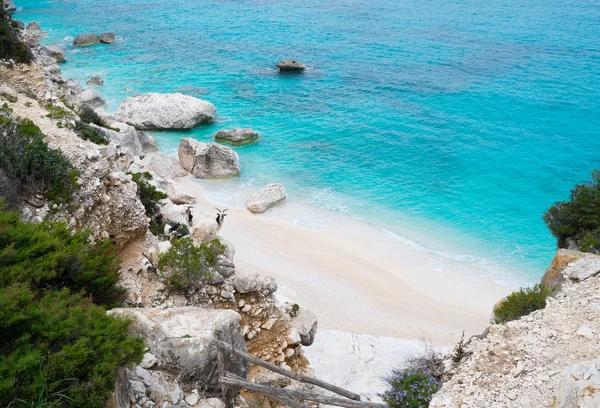
Small coves are ideal for travellers who prefer calm water over a busy beach scene. This type of hidden beach feels intimate, with a narrow strip of sand and clear shallows that invite a longer swim.
I look for these places when I want a quiet afternoon rather than a checklist attraction. They are especially appealing for couples, solo travellers, and anyone who finds large resort beaches tiring.
The practical compromise is space. A small beach can feel wonderfully peaceful in the morning and much less private later in the day. Arriving early is often the easiest way to enjoy the character of the place without competing for a patch of sand.
Wild cliffs and a rugged Atlantic-style beach
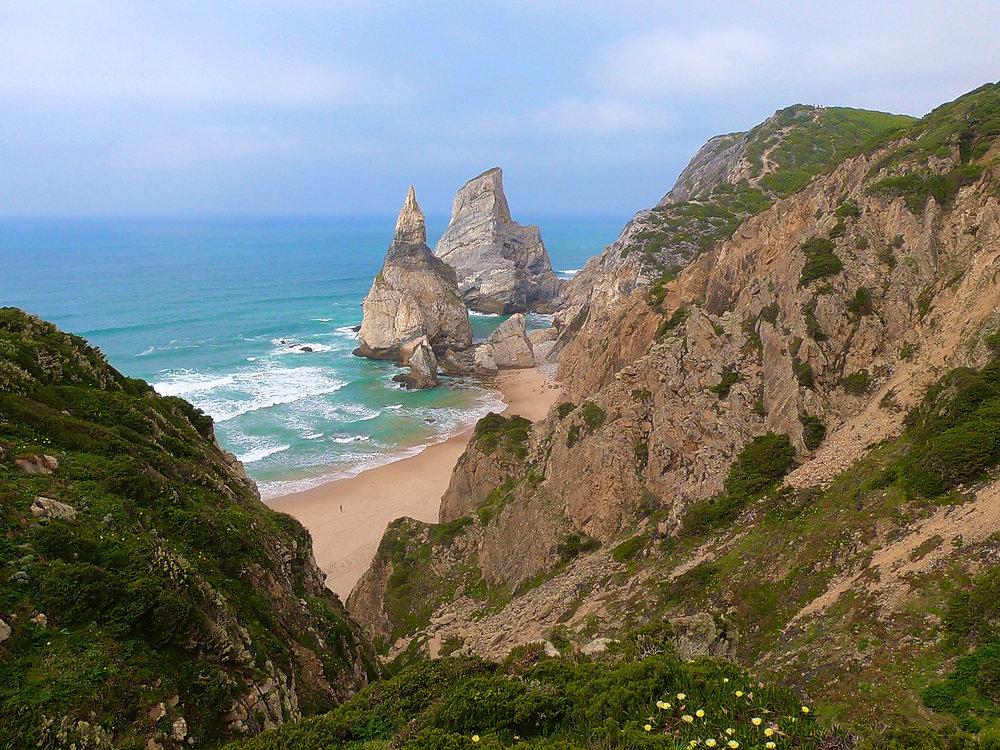
Not every hidden beach in Europe has calm Mediterranean water. Some are about wind, cliffs, and a wilder coastline. This style suits travellers who enjoy walking, dramatic views, and beaches that feel connected to the surrounding landscape.
I appreciate these places because they remind me that a beach trip does not have to mean lying still all day. A short coastal walk, a packed lunch, and time to watch the sea can be the whole plan.
My advice is to respect conditions. Wild coastlines can change quickly, and I always prefer a realistic plan over pretending every day outdoors will be perfect.
A secret-looking inlet reached by water or a walk
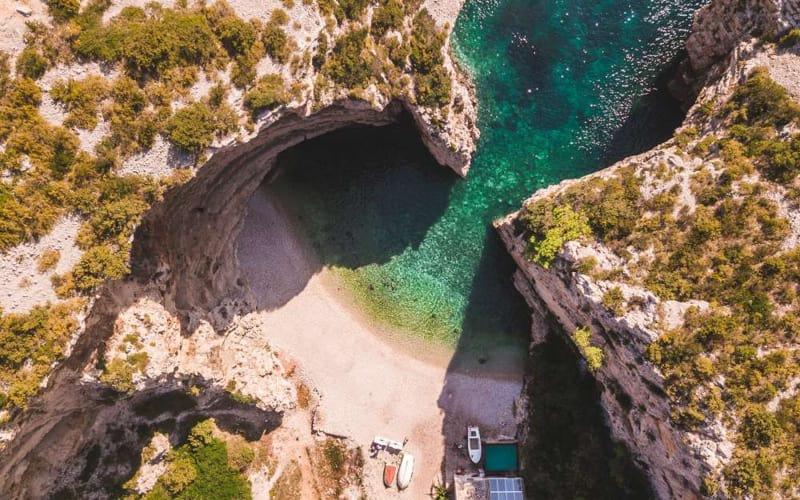
Some of Europe’s most memorable beaches feel hidden because they are slightly inconvenient. An enclosed inlet with steep sides often keeps visitor numbers lower than a wide open beach.
I enjoy these locations because the journey becomes part of the experience. Whether you arrive by boat, trail, or a combination of both, the destination feels earned.
The important adjustment is expectations. A remote beach may not have toilets, shade, rentals, or easy access. I would rather know that beforehand than arrive carrying only a towel and optimism.
A famous-looking beach without the need for a famous name
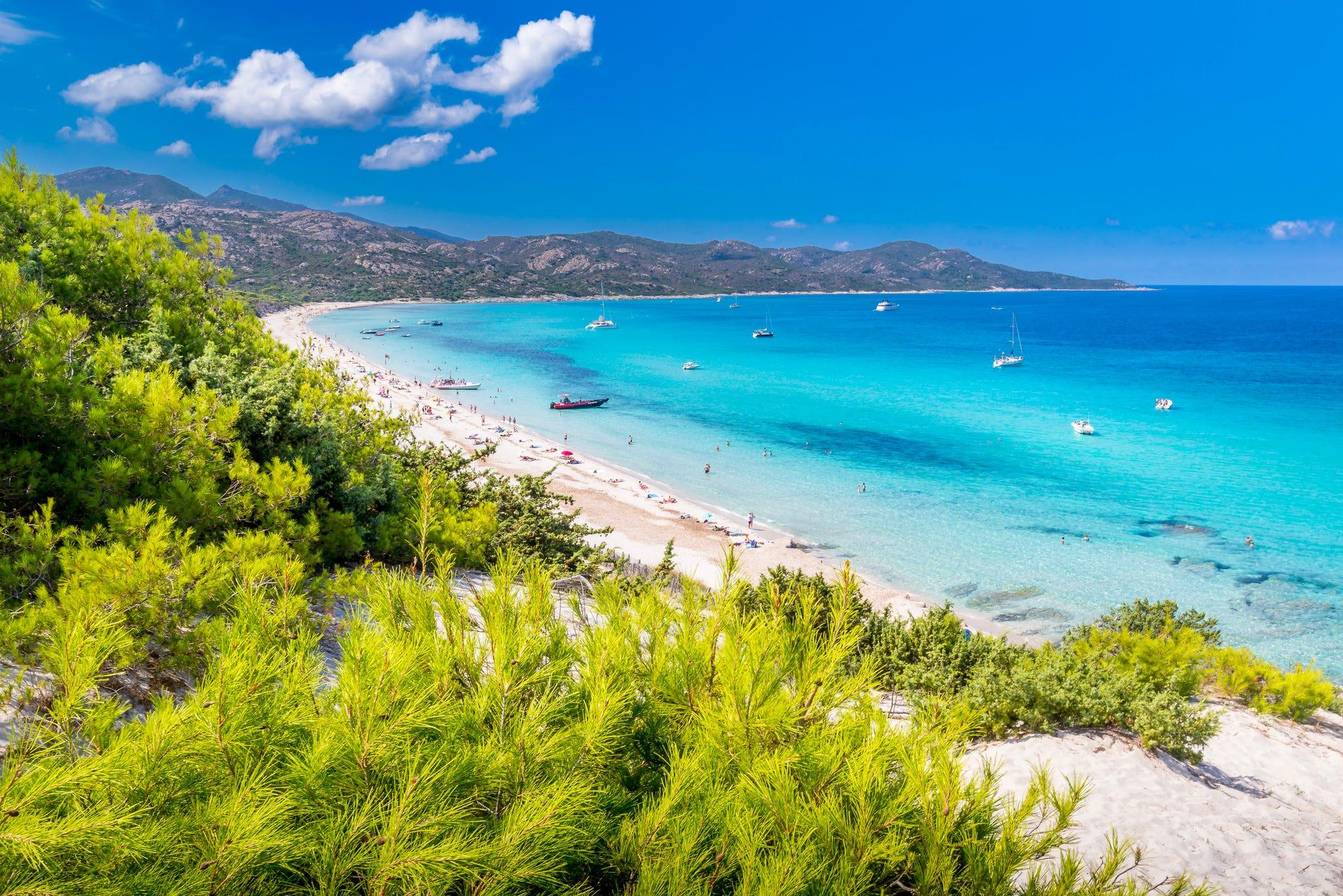
Some coastlines become memorable because they have the ingredients travellers love: bright water, soft sand, and a natural frame. A beach does not need a well-known label to be worth visiting.
I have always preferred judging places by what they offer on the day rather than chasing a reputation. The quieter versions of these landscapes are often nearby if you are willing to explore beyond the first viewpoint.
For readers planning a trip, I suggest leaving room for unexpected stops. A flexible afternoon can reveal a much better swimming spot than the one you originally marked.
A green-fringed bay with a peaceful atmosphere
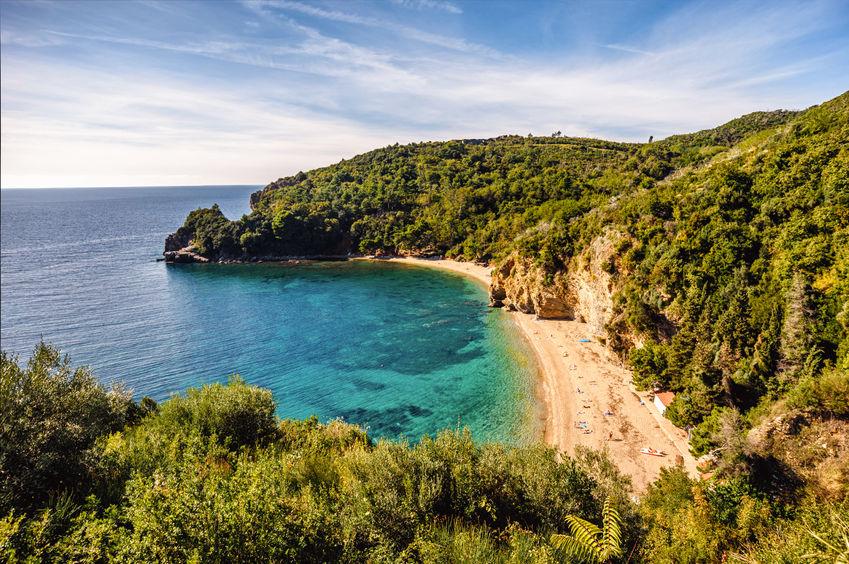
Hidden beaches surrounded by vegetation offer a different kind of escape. The combination of trees, cliffs, and sheltered water creates a cooler, calmer feeling than exposed sandy shores.
This style works well for travellers who want variety. You can swim, read, walk, and spend time away from the intensity of crowded seaside towns.
I find these beaches especially appealing outside peak hours. Early morning and late afternoon usually bring softer temperatures and a more relaxed rhythm, which is exactly what many people are hoping to find.
A secluded beach with a natural cliff backdrop
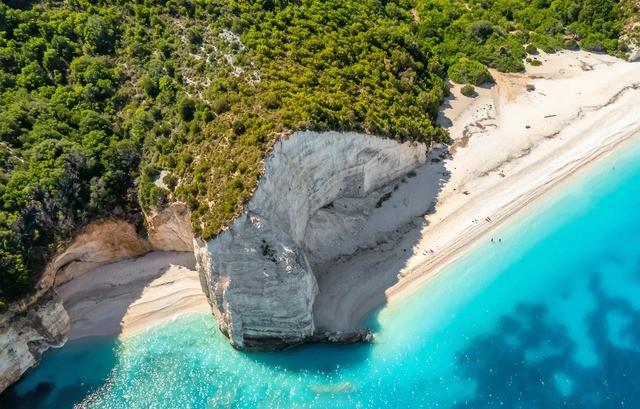
Cliff-backed beaches have a sense of privacy that broad coastal beaches rarely match. The surrounding rock creates a feeling of being separated from the busy world, even when the beach is accessible.
These places are beautiful, but I remind myself that fragile landscapes need careful visitors. I avoid climbing where paths are not marked and keep the natural environment as the main feature.
The best version of this beach is a simple one: arrive prepared, enjoy the water, and leave without adding anything except footprints.
A remote sandy cove for travellers seeking space
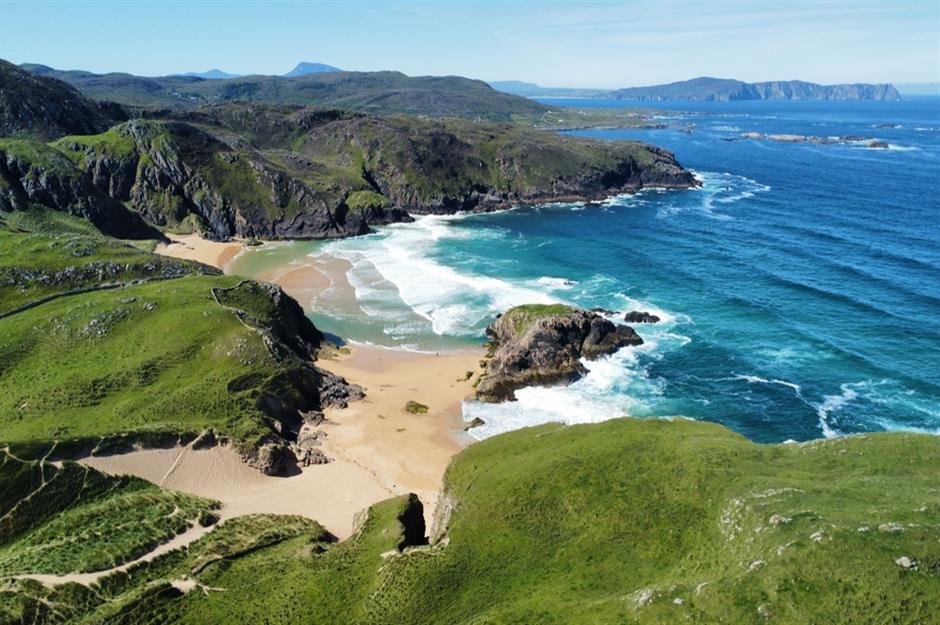
Wide empty sand and clear water are the classic hidden beach combination. This type of coast appeals to anyone who wants distance from umbrellas, music, and organised resort life.
I like beaches like this for unstructured days. There is no pressure to do anything except swim, walk, and rest. That sounds simple, but many trips become unnecessarily complicated.
The only catch is preparation. A remote beach day requires thinking ahead about water, food, and shade rather than assuming services will appear when you need them.
A rocky shoreline with small swimming spots
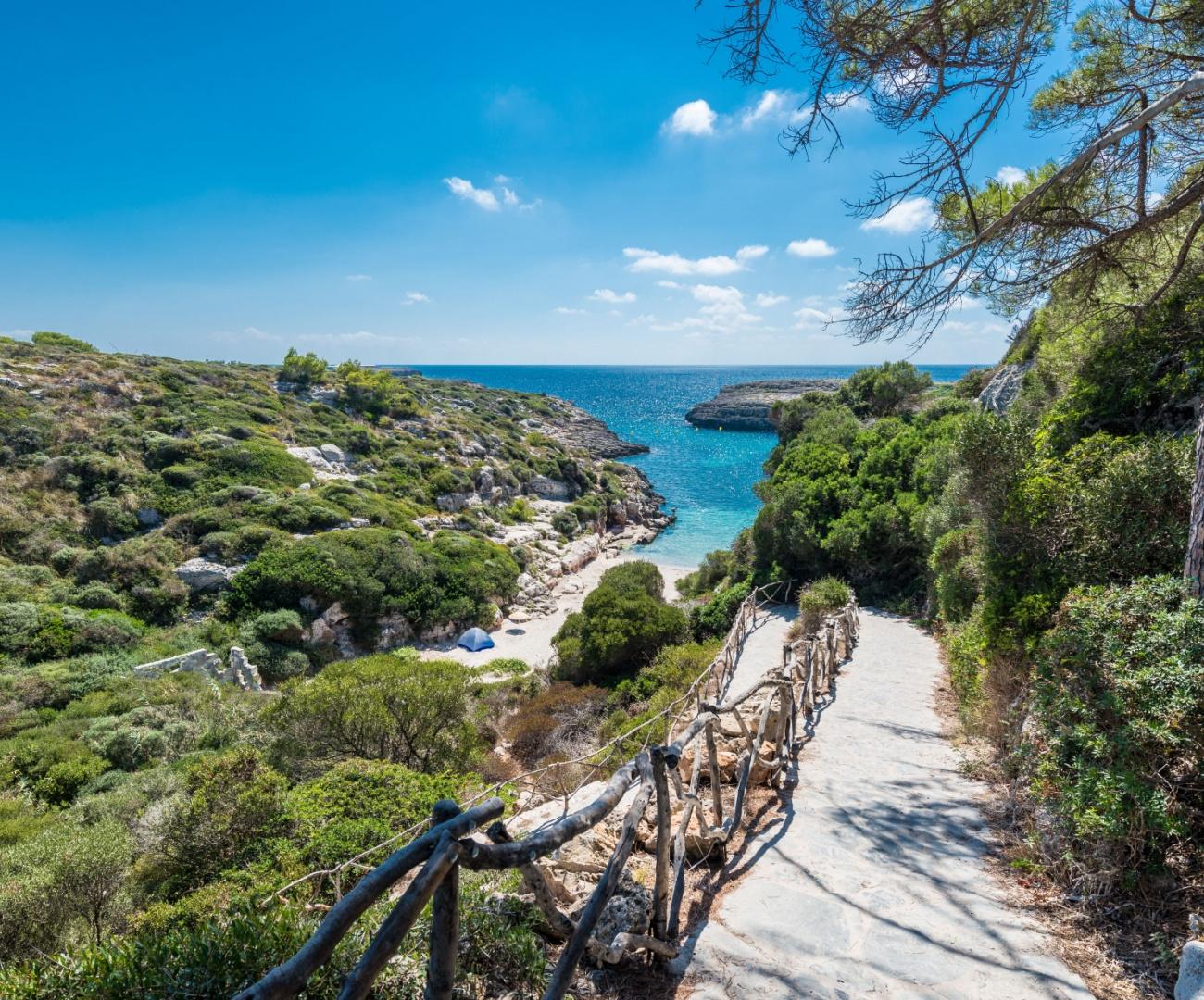
Not all hidden beaches are made of long stretches of sand. Rocky European coastlines often hide tiny swimming platforms, natural pools, and quiet corners where the sea is the main attraction.
This style suits confident swimmers and travellers who enjoy exploring slowly. It is less about spreading out a towel and more about finding your own comfortable place along the shore.
I would always choose sturdy footwear here. A beautiful coastline is much more enjoyable when you are not worrying about every step.
A peaceful white-sand beach away from the crowds
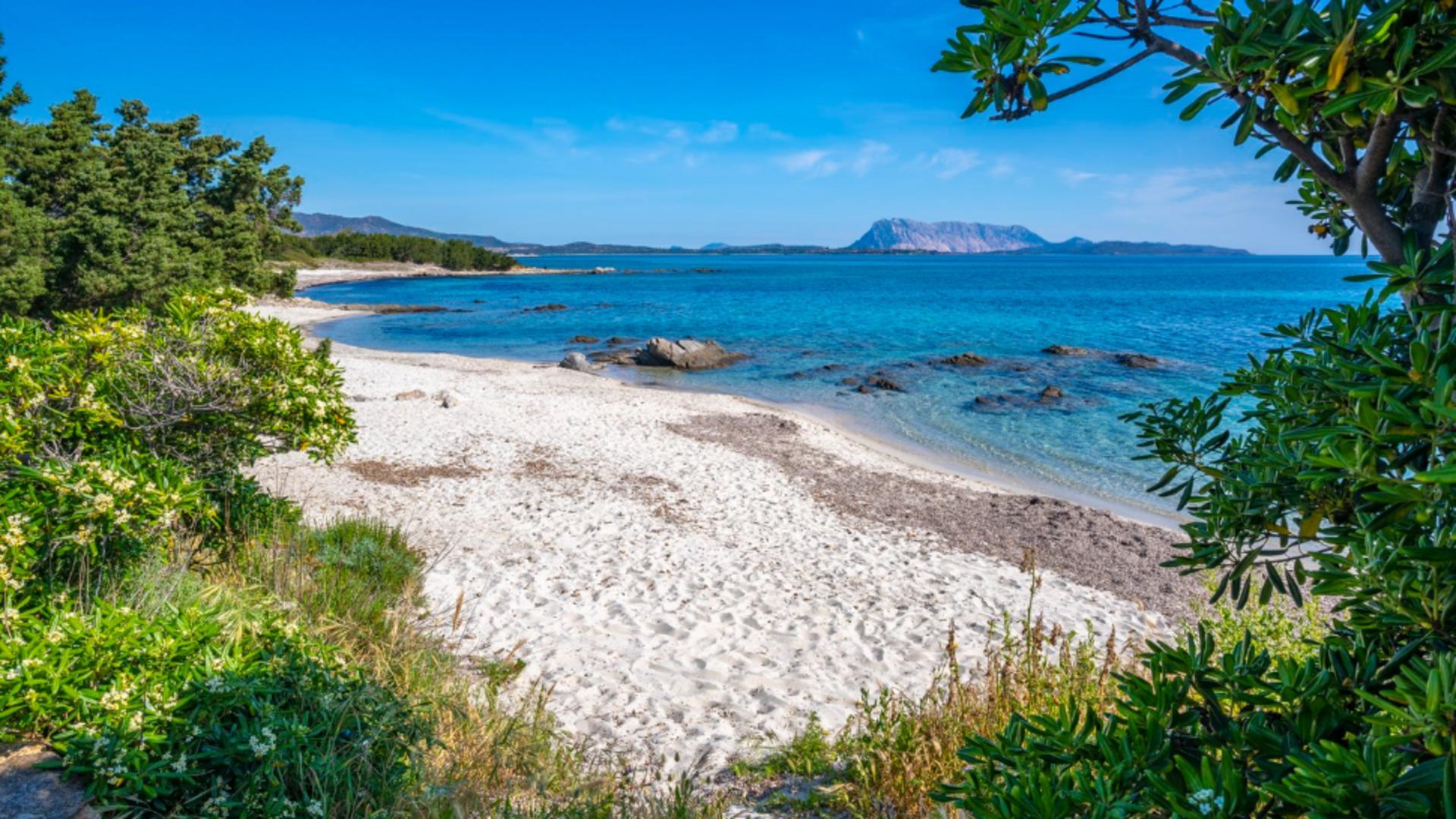
The final type of hidden beach is the one many travellers imagine first: simple, quiet, and naturally beautiful. A calm shoreline with clear water can be enough reason to build a day around it.
I do not think every beach needs a secret trick. Sometimes the answer is travelling outside the busiest weeks, exploring beyond the obvious entrances, and giving yourself time to notice smaller places.
These are the beaches where I remember to stop planning and simply enjoy being there.
The most rewarding hidden beaches are not necessarily the most secret ones. They are the places where the landscape, your expectations, and your pace finally line up.





Common Questions
How do I choose a hidden beach in Europe?
I look for the type of experience first: swimming, walking, scenery, or solitude. A beach that matches your travel style is usually better than the one with the most online attention.
Are hidden beaches always difficult to reach?
No. Some are simple to access but overlooked, while others require walking, planning, or accepting fewer facilities. I always check the practical side before going.
What should I bring to a remote beach?
I bring water, sun protection, comfortable footwear, and anything I need for the time I plan to stay because services are often limited.