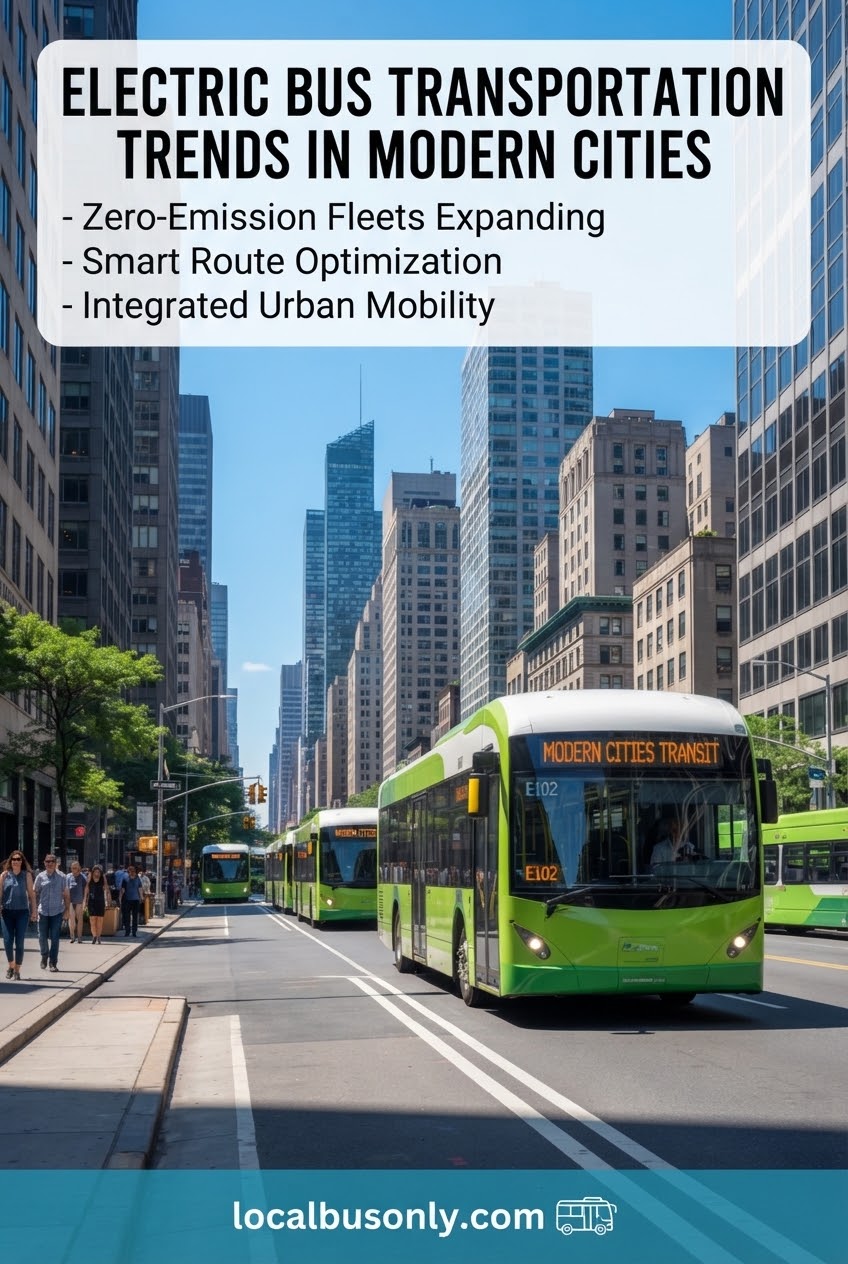
Electric bus transportation has moved from a small experiment to a regular part of urban travel in many cities. I have spent years looking at how people actually move around, and buses are one of the clearest signs of how public transport is changing.
From battery improvements to smarter routes, electric buses affect more than just the vehicle itself. They influence traffic planning, city design, passenger comfort, and the daily routines of millions of riders.
What I cover in this electric bus guide
- How electric buses work and why cities are adopting them
- The practical side of batteries, charging, and operations
- The benefits, limitations, and future direction of electric bus networks
Electric Buses: An Overview of Sustainable Urban Transport
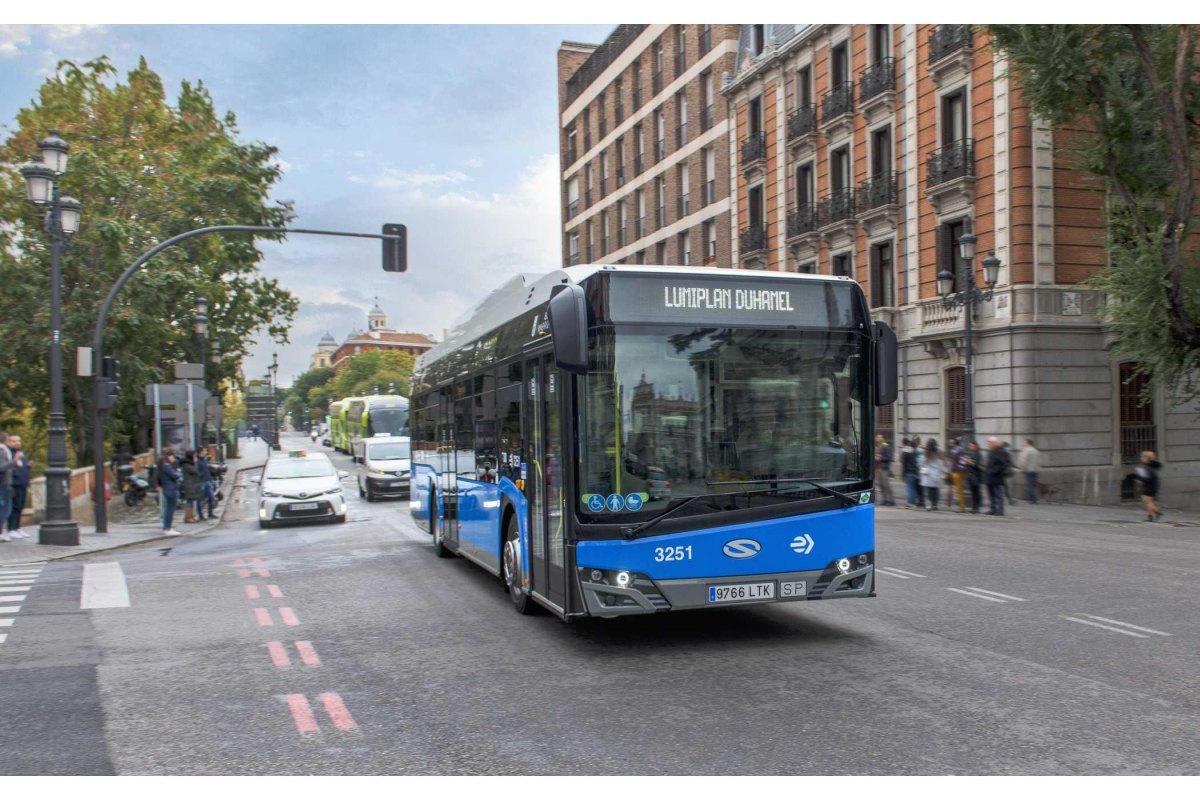
An electric bus uses electric motors powered by rechargeable batteries instead of a conventional diesel engine. The basic idea is simple, but the planning behind a reliable service is not.
When I worked with transit systems, I learned that a vehicle is only one piece of the puzzle. Cities also need suitable routes, charging plans, maintenance schedules, and enough vehicles to keep service running when demand changes.
- Main advantage: Electric buses can reduce local exhaust emissions and often provide a quieter ride.
- Main consideration: Operators must plan carefully around battery range and charging availability.
Battery Technology and Energy Storage Systems
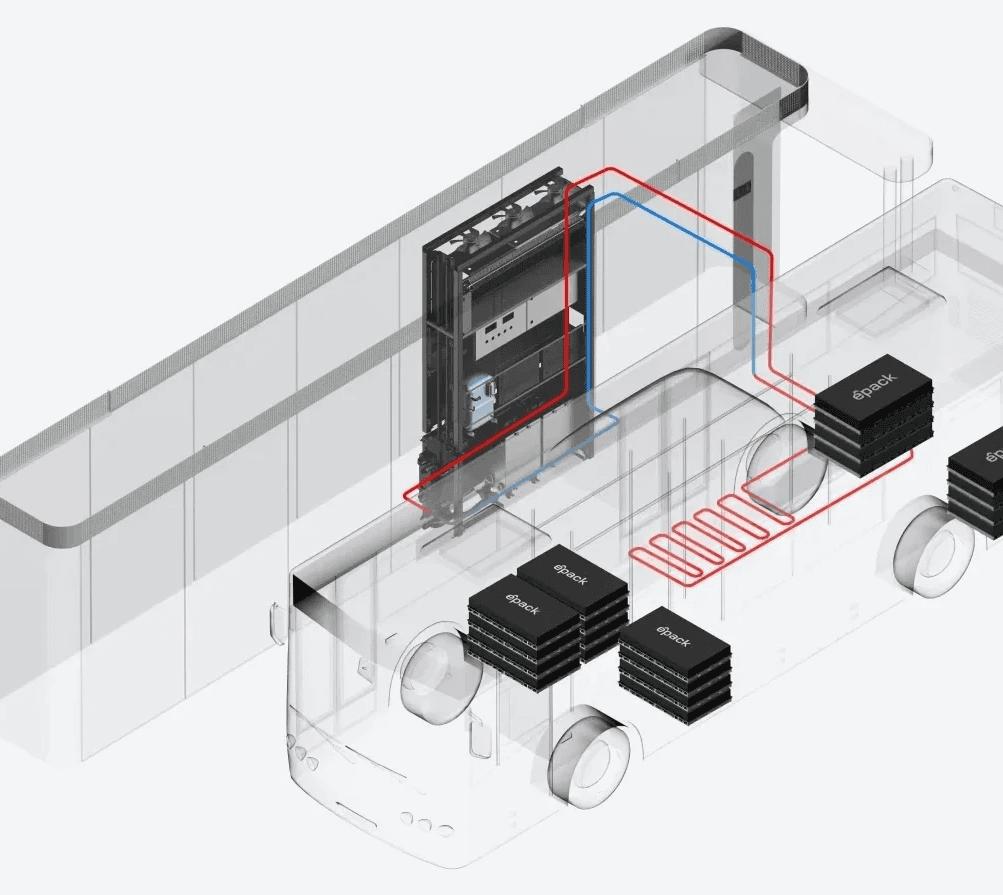
The battery is the part that decides whether an electric bus fits a particular route. A short city loop and a long suburban service may require completely different approaches.
Modern battery systems continue to improve, but operators still consider weight, charging time, weather conditions, and passenger loads before assigning vehicles.
A practical detail
Cold weather, hills, and heavy passenger loads can all affect driving range, so published battery figures do not always match real daily conditions.
Charging Infrastructure for Electric Bus Networks
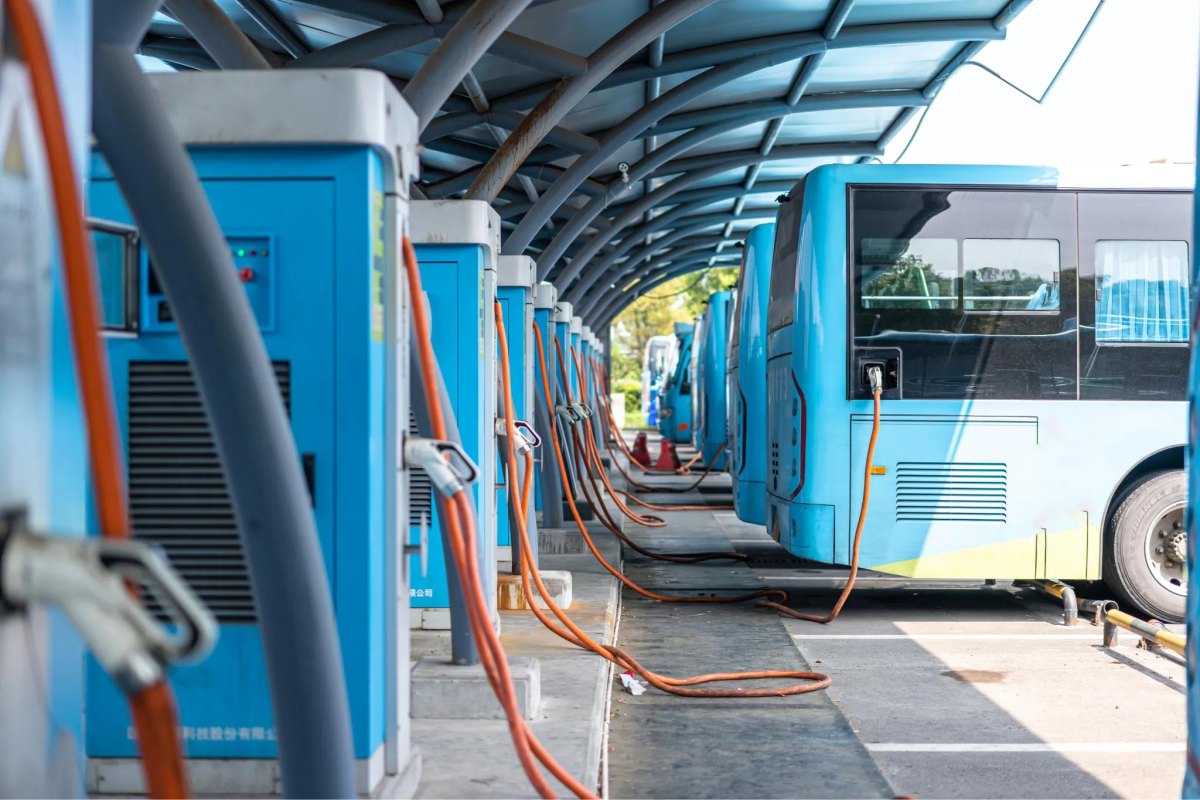
A charging station is not just a place to plug in a vehicle. It is part of a timetable, depot layout, and energy management system.
I always pay attention to the practical side of transport networks: where vehicles wait, how long they need, and what happens when something runs late. Electric bus charging adds another layer to that planning.
- Plan. Match charging capacity with route schedules and vehicle needs.
- Install. Build infrastructure where buses can access it efficiently.
- Monitor. Track energy use and adjust operations over time.
Environmental Benefits of Electric Bus Transportation
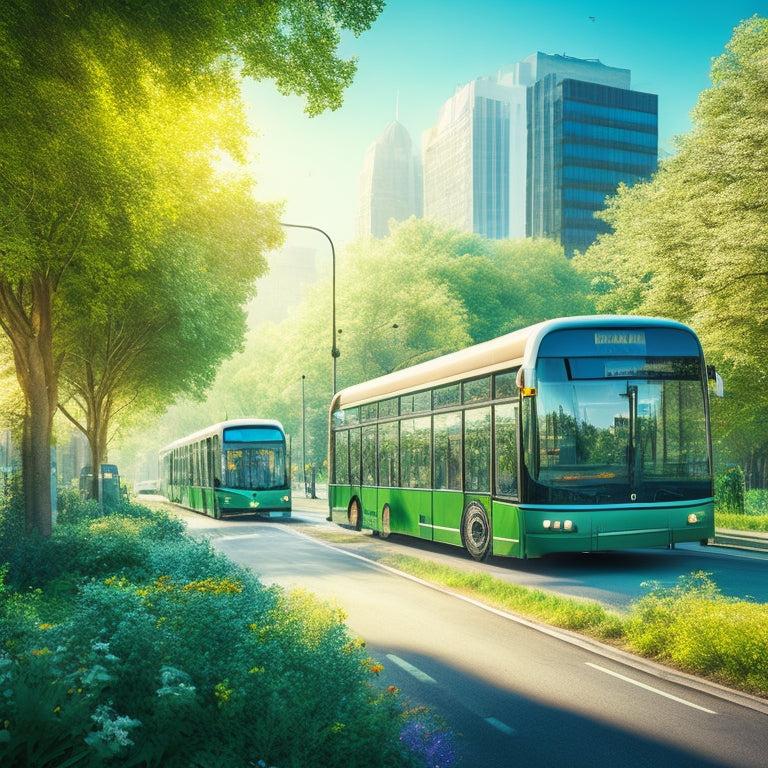
The environmental appeal of electric buses is one of the main reasons cities are investing in them. They produce no tailpipe emissions during operation and can help reduce noise on busy streets.
The full environmental picture depends on factors such as electricity sources, manufacturing, and battery management. I prefer looking at the whole journey rather than treating one vehicle change as a complete solution.
Potential benefits
- Lower local air pollution
- Quieter streets
- Reduced dependence on fossil fuels
Things to consider
- Battery production impacts
- Charging infrastructure needs
- Energy source differences
Electric Bus Fleet Management and Operations
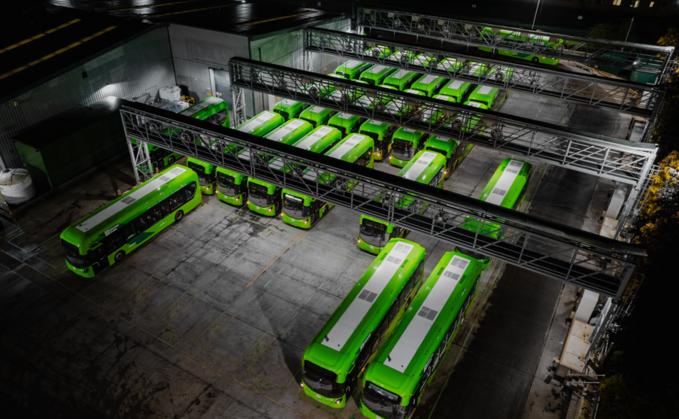
Running an electric bus fleet requires the same attention to detail as any transport network, with a few extra technical considerations.
Operators monitor vehicle availability, battery levels, charging windows, and maintenance requirements. A good timetable still matters just as much as the technology behind the bus.
| Operational area | Electric bus consideration |
|---|---|
| Scheduling | Routes must account for charging needs |
| Maintenance | Battery and electrical systems require specialist skills |
Passenger Experience and Smart Transit Features
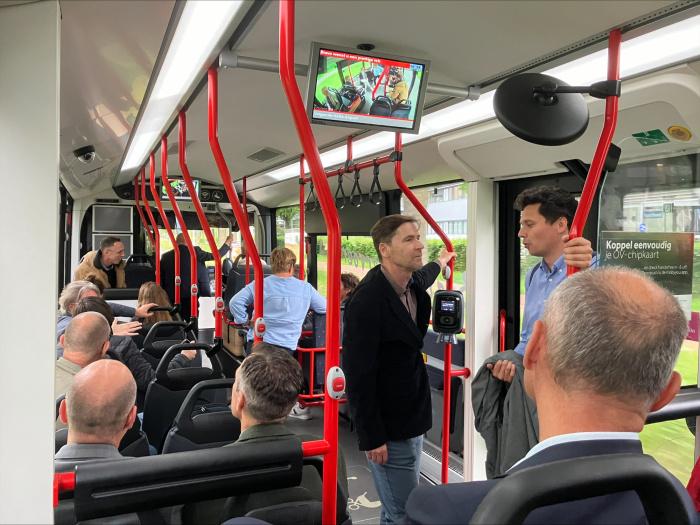
For passengers, the biggest difference is often the feeling of the journey. Electric buses are usually quieter, with smoother acceleration and fewer vibrations.
Many newer vehicles also include digital displays, improved accessibility features, and better real-time information systems. Those small details matter when someone uses a bus every day rather than once on holiday.
Traveller tip
If you are visiting a city with electric buses, check the local transit app before travelling. Route changes and payment methods can vary more than the vehicles themselves.
Economic Impact and Cost Efficiency of Electric Buses
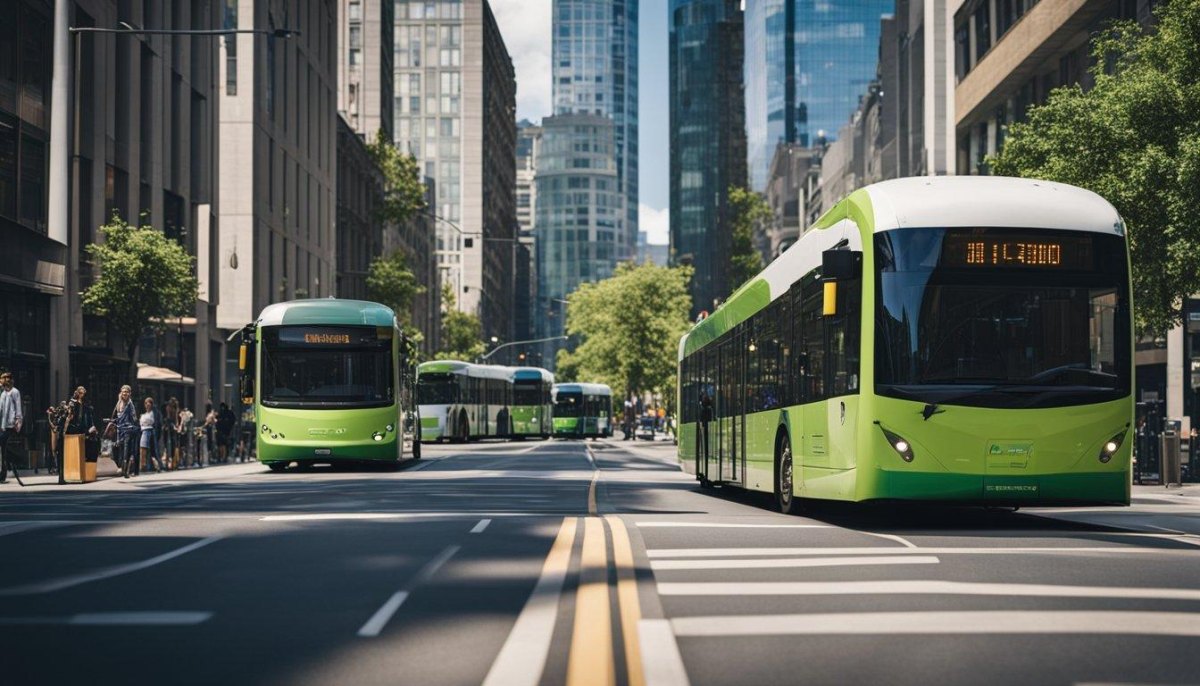
The money side of electric buses is more complicated than simply comparing fuel prices. Cities consider purchase costs, infrastructure, maintenance, and energy expenses over the life of the vehicle.
Some costs may be higher at the beginning, especially when charging systems need to be built. Over time, operators may see different maintenance patterns because electric drivetrains have fewer moving parts.
Long-term planning
Electric bus projects are usually evaluated across the full vehicle lifecycle rather than the initial purchase price alone.
Challenges in Electric Bus Adoption
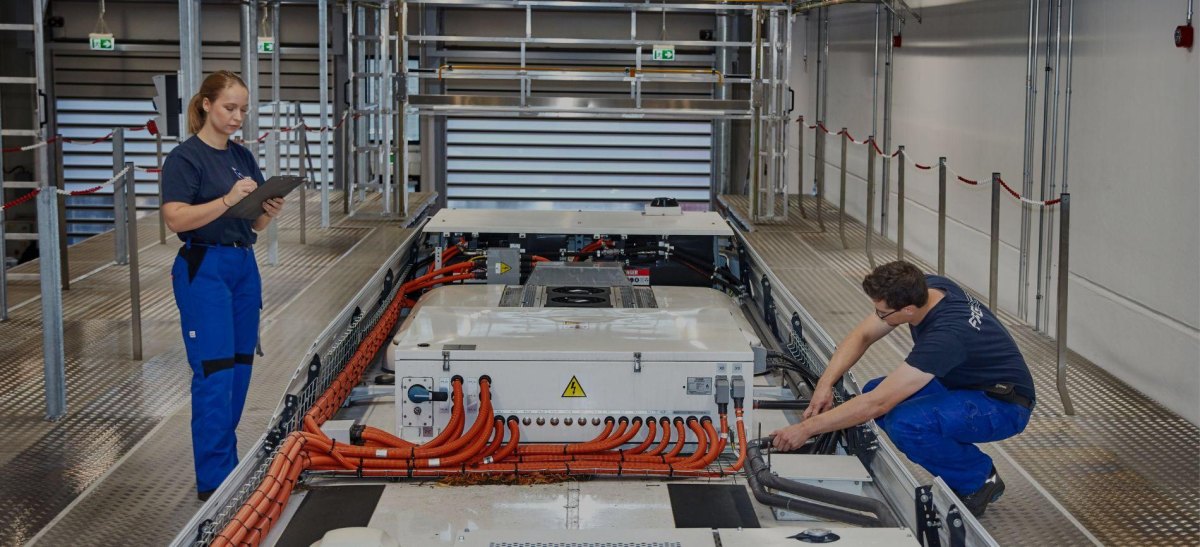
Electric buses are not a simple replacement where a diesel vehicle disappears and a new one arrives. Cities face practical challenges during the transition.
- Building enough charging infrastructure
- Training maintenance teams
- Managing battery performance over time
- Adapting routes to vehicle capabilities
The cities that handle these details well are usually the ones that treat the change as a transport project, not just a vehicle purchase.
Future Innovations in Electric Bus Mobility
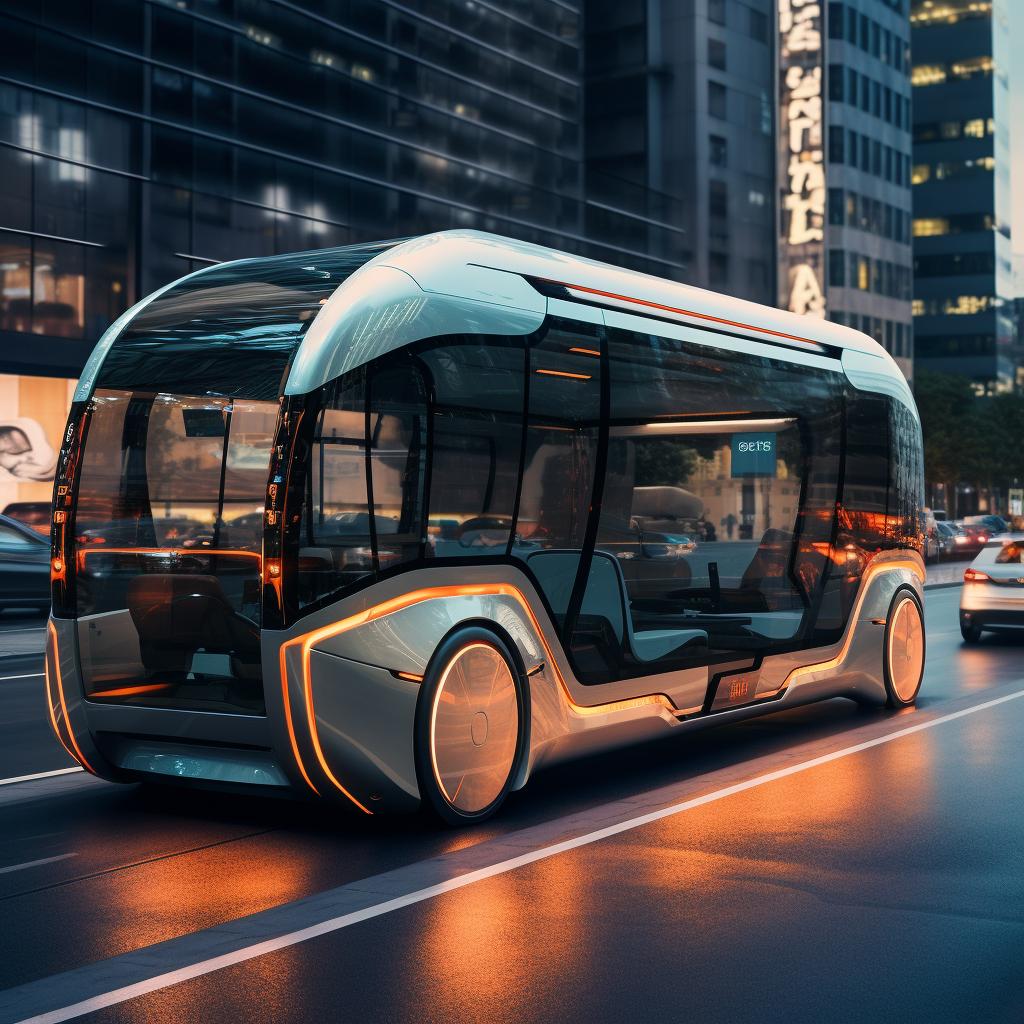
The next stage of electric bus development is likely to focus on smarter systems rather than only bigger batteries.
Researchers and operators are exploring improved charging methods, automated systems, better route planning, and stronger connections between buses and city infrastructure.
What I am watching
I am most interested in the practical improvements that make buses easier to use: reliable information, simple payments, and services that arrive when the timetable says they will.
The Role of Electric Buses in Smart Cities
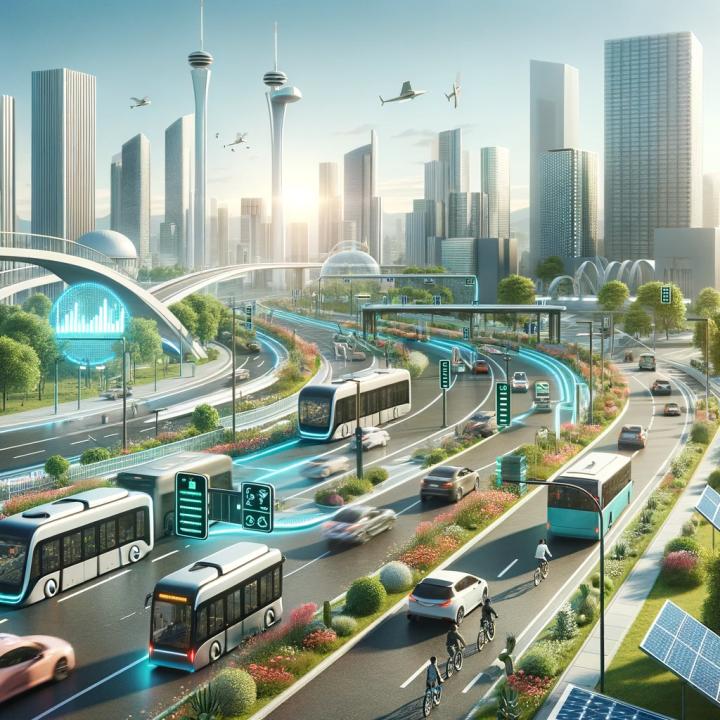
Electric buses fit naturally into smart city planning because they connect transport, energy, and digital information systems.
A good smart city is not one with the newest technology on every corner. It is one where ordinary journeys work well. A bus that arrives reliably, is easy to pay for, and moves people efficiently is still the feature residents notice most.
Are electric buses better for city travel?
They can offer quieter operation and lower local emissions, but success depends on planning, infrastructure, and how the network is managed.
Do electric buses replace all other transport?
No. They are one part of a wider transport system that includes walking, cycling, trains, and other bus services.
What should travellers check before using an electric bus?
Check routes, payment options, and service updates from the local transport operator before your journey.