A suitcase does not need to look like a fabric puzzle five minutes before departure. After years of packing for my own trips, I have found that the best clothes folding trick for suitcase organisation is not one magic fold but a small set of methods that match different fabrics and travel styles.
The layered suitcase fold for everyday travel
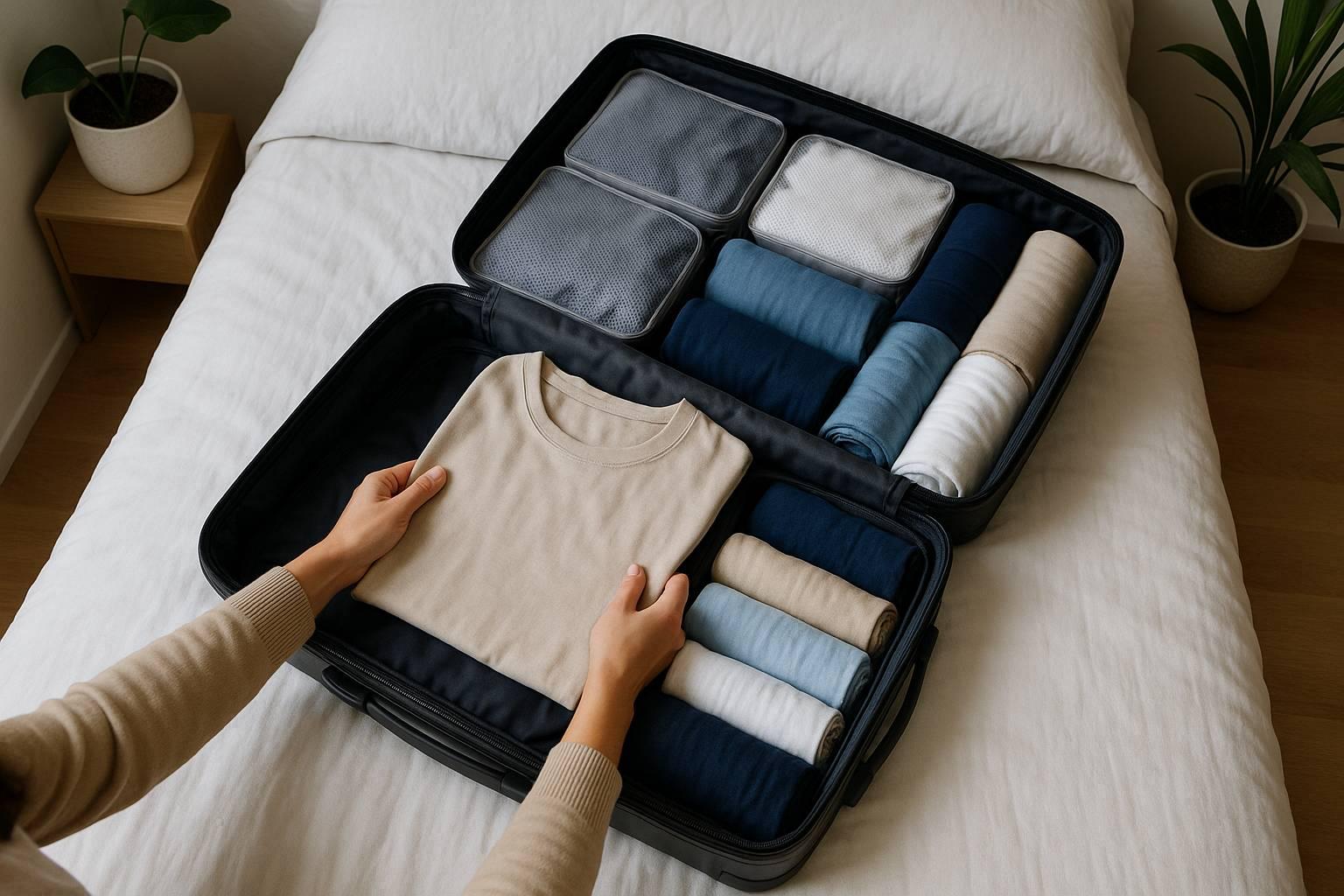
I use this layered fold when I want clothes to arrive looking decent without spending ages on packing. The first photo shows a suitcase with packing cubes and neatly folded basics, which is exactly the kind of setup this method suits.
The idea is simple: place heavier, flatter items at the bottom, then build layers with shirts, trousers, and softer pieces. I avoid making every item into a tiny rectangle because that often creates more creases than it removes.
What works well:
- Fold casual shirts along their natural seams.
- Place delicate items near the top for easier access.
- Use cubes to stop stacks from collapsing during travel.
I learned that the biggest packing mistake is not the fold itself; it is overfilling. A beautifully folded suitcase that has been forced shut will still produce wrinkled clothes.
The rolled clothing grid for maximum suitcase space
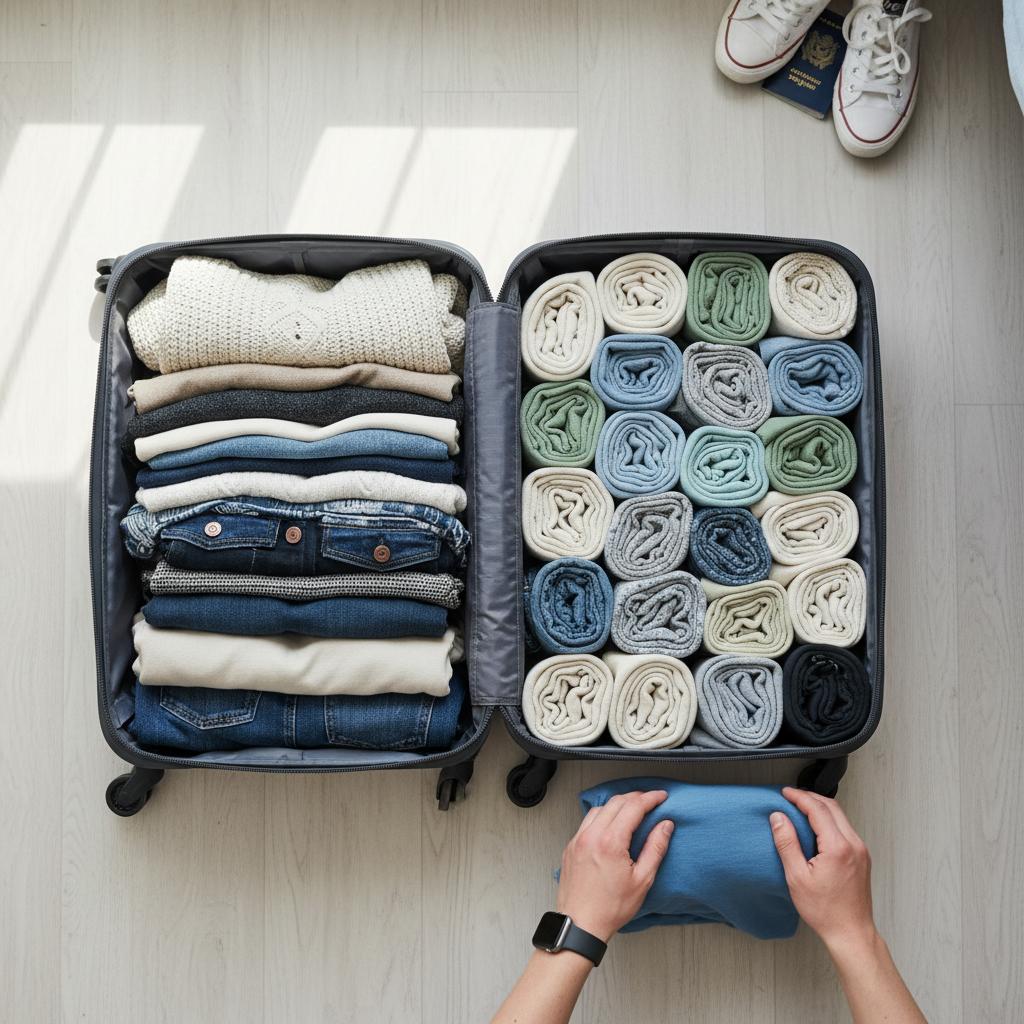
The second photo shows a different approach: tightly rolled clothing arranged in rows. This is my favourite space-saving clothes folding trick for suitcase trips when I am carrying many casual outfits.
Rolling works because soft fabrics compress easily and the individual pieces stay visible. I can pull out one shirt without destroying a whole stack, which matters when I am moving between several places.
I roll T-shirts, leggings, sleepwear, and lightweight layers. I do not roll structured jackets or anything that needs a crisp finish.
My packing rule is simple: if I would normally hang it at home, I probably should not crush it into a roll.
For me, this method works best alongside one or two folded pieces. A suitcase does not need one religion of packing; it needs a system that fits what is inside.
The shirt board method for wrinkle-prone pieces
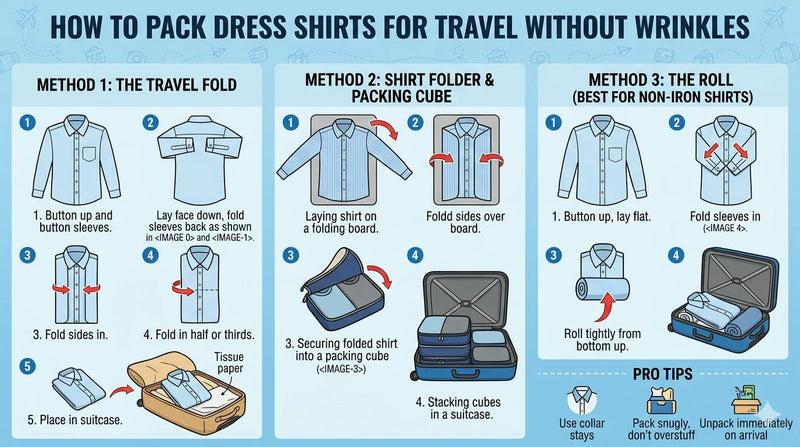
The third photo highlights a shirt folding guide, and this is the method I reach for before trips where I need collars and buttons to behave. It creates a consistent shape and stops shirts from becoming a tangled pile.
I fold the sleeves inward first, keep the front protected, and finish with a firm rectangle. If I am packing dress shirts, I add a thin layer of tissue paper because it reduces friction between fabrics.
This method suits:
- Button shirts.
- Blouses.
- Travel outfits that need a neater arrival.
The trade-off is space. A perfect shirt fold takes more room than a roll, so I would not use it for every item in a small carry-on. I choose it when looking presentable matters more than squeezing in one extra sweater.
Packing cubes with colour groups and quick access
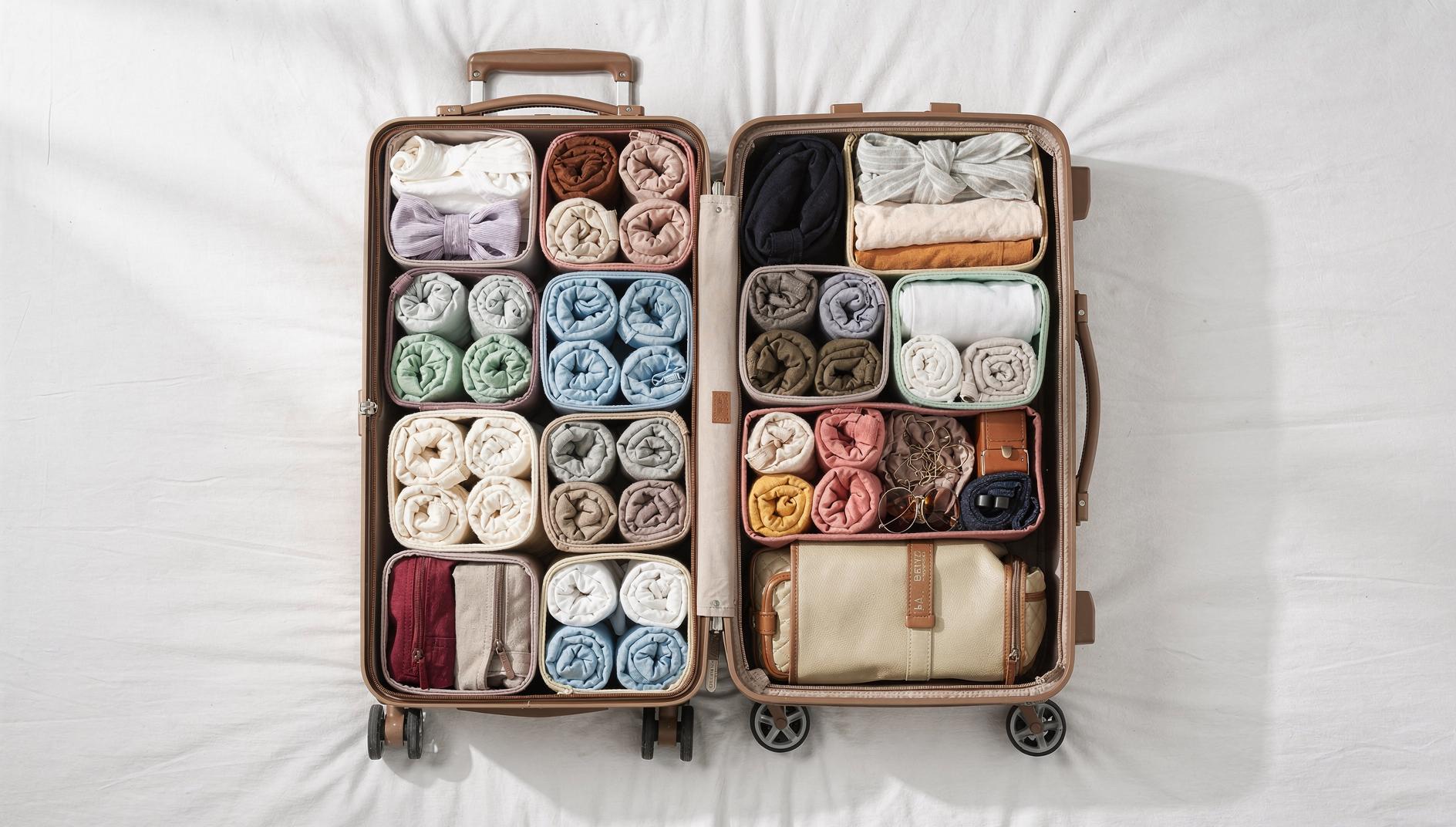
The fourth photo shows a suitcase divided into small compartments of rolled clothing. This is the approach I use when organisation matters as much as saving space.
Packing cubes turn a suitcase into drawers. I can keep tops together, underwear separate, and travel layers ready without opening every corner of the bag. The trick is not buying the most cubes; it is assigning each cube a purpose.
My practical setup:
- One cube for daily clothes.
- One smaller cube for accessories.
- One easy-to-reach section for the first outfit.
I have found that the first outfit deserves special treatment. After a long travel day, I do not want to unpack everything just to find a clean shirt. A little planning at home saves a surprising amount of effort later.
The compression fold for bulky knitwear
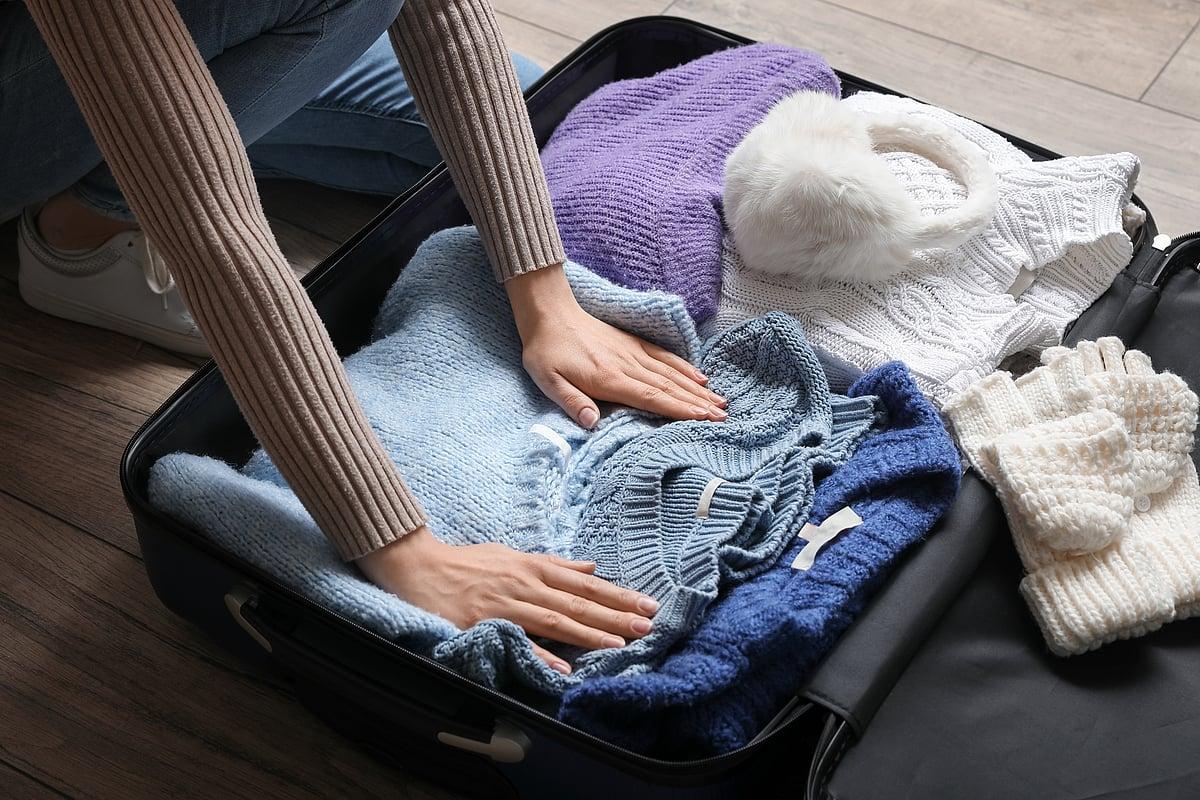
The fifth photo shows thicker sweaters being packed, and bulky clothing needs a different strategy. My usual clothes folding trick for suitcase space is to fold knitwear broadly rather than forcing it into tiny shapes.
Heavy sweaters hold their form better when folded into a relaxed rectangle. Aggressive rolling can stretch some knits, especially around cuffs and collars.
I place bulky layers at the bottom or around the edges of the suitcase. They create a stable base for lighter items above them.
A useful check: if the suitcase only closes because I am sitting on it, something has to go. I have made that mistake before, and the zipper always wins the argument.
This method is less about fitting the maximum amount and more about arriving with clothes that still feel comfortable to wear.
The drawer-style roll for home-to-suitcase organisation
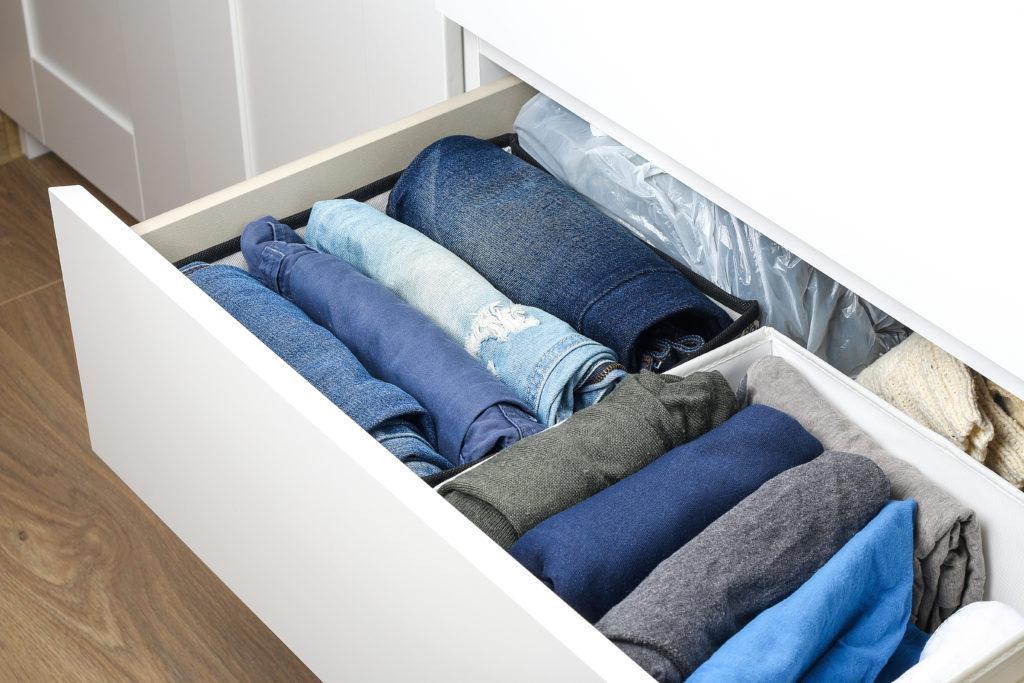
The sixth photo shows rolled jeans and tops arranged like a drawer. This is a good method if you like seeing every option immediately instead of digging through folded layers.
I use drawer-style rolls for everyday travel wardrobes built around repeatable outfits. A neutral shirt, comfortable trousers, and a light layer can all stay visible and easy to grab.
The advantage is speed:
- Choose an outfit.
- Lift one roll.
- Leave the rest untouched.
I would not call rolling a miracle wrinkle cure. It reduces some creasing, but fabric choice still matters. Linen will wrinkle; that is simply linen doing its job. The goal is controlled packing, not pretending every suitcase can arrive looking like a shop display.
The outfit bundle technique for simple mornings
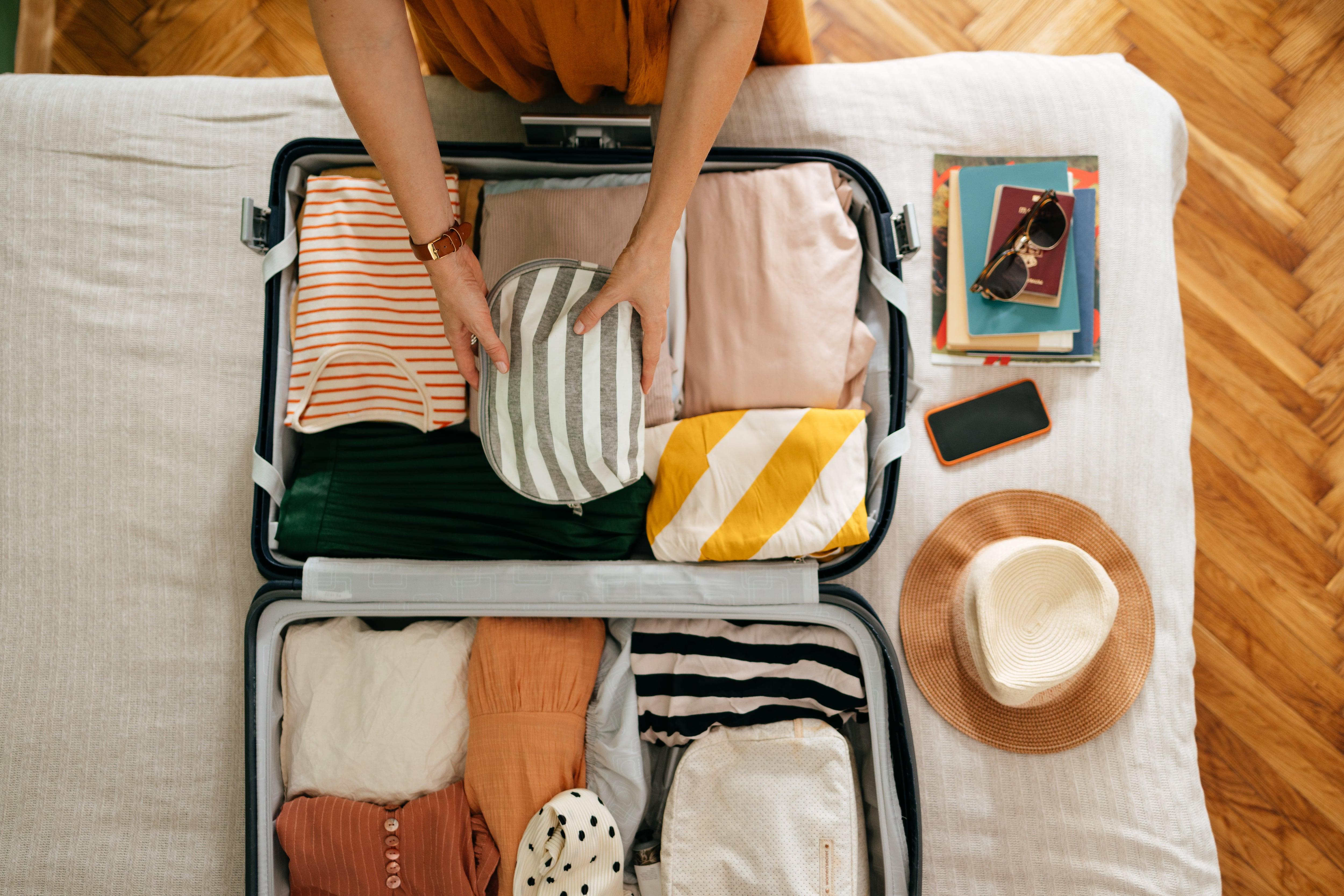
The seventh photo shows a suitcase arranged around complete clothing groups rather than individual items. This is the outfit bundle approach, and it is excellent when I know exactly what I will wear each day.
I pair a top, bottom, and small accessories together before packing. It removes the daily decision-making that can become tiring during longer trips.
This works especially well for short breaks where I have a planned number of outfits. It is less useful for open-ended travel where weather changes and unexpected plans are common.
The adjustment I make: I keep one flexible layer separate. That single sweater or jacket often becomes the hardest-working item in my bag.
A suitcase should support the trip, not become another project to manage. Bundles help when predictability is the thing I value most.
The all-in-one suitcase layout for mixed packing needs
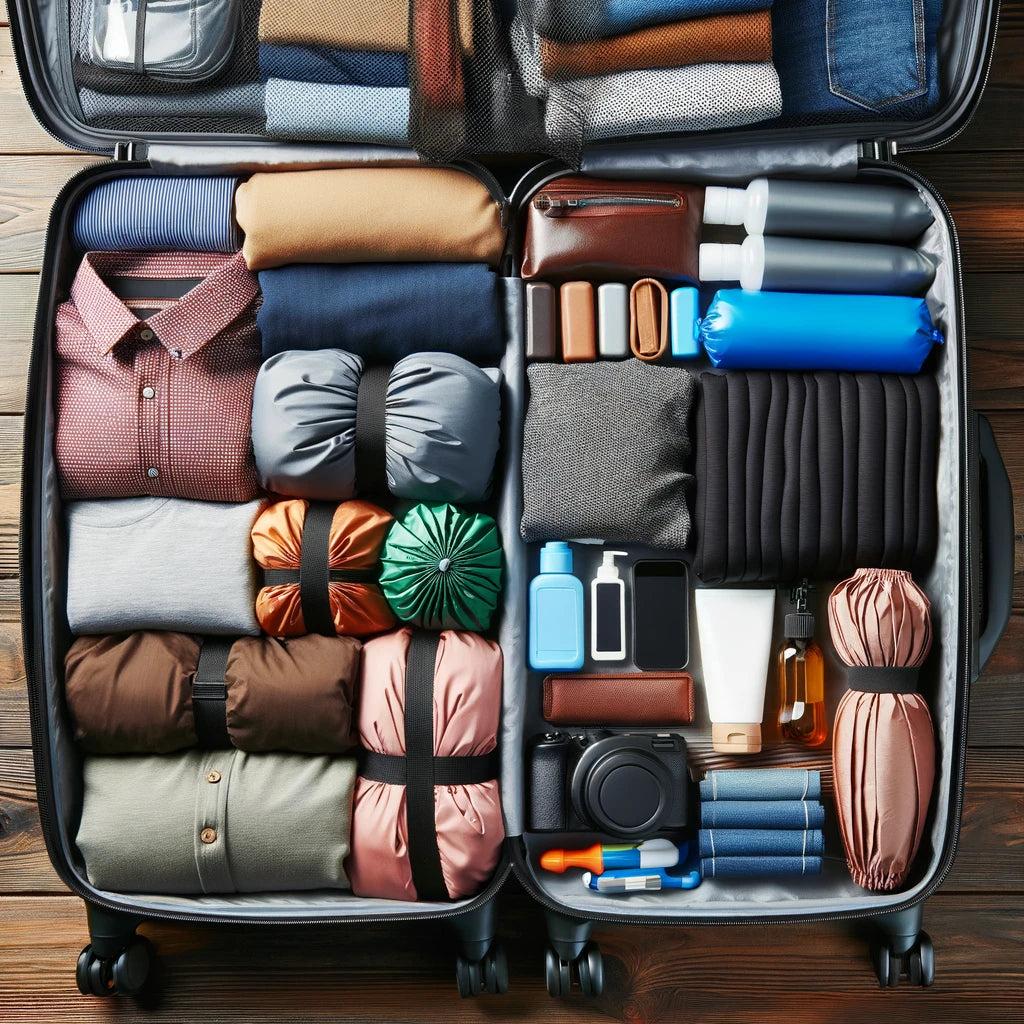
The eighth photo shows a full suitcase system combining folded clothes, rolled items, and travel essentials. This is the realistic version many travellers end up using because not everything packs the same way.
I mix methods without guilt. Jeans can be folded, T-shirts can be rolled, and toiletries can sit in their own section. The best clothes folding trick for suitcase packing is usually a combination.
My final packing sequence:
- Put heavy items low.
- Add wrinkle-prone clothing where it will stay flat.
- Fill gaps with soft rolled pieces.
I prefer a suitcase that opens logically over one that wins a packing competition. Being able to find what I need is worth more than squeezing in a spare outfit I probably will not wear.
The suitcase that works best is the one I can open without creating a fabric avalanche. I use different folds for different clothes, leave breathing room, and pack so the first hour after arrival is easier.





Frequently Asked Questions
Is rolling clothes better than folding for a suitcase?
Rolling is excellent for soft casual clothing and visibility, while folding is better for shirts, structured pieces, and wrinkle-sensitive fabrics.
How do I stop suitcase clothes from wrinkling?
Avoid overpacking, fold along seams, use packing cubes, and separate delicate or structured clothing from heavy items.
How many clothes should I pack in a suitcase?
I usually start with planned outfits and add only a small amount of flexibility instead of packing for every possible situation.