Renting a charter bus looks simple until you are balancing passenger numbers, schedules, luggage, costs, and everyone's expectations. I have planned enough group travel to know that the small details are usually the ones that decide whether a trip feels easy or exhausting.
I put together these charter bus rental tips to help you compare options, ask better questions, and avoid the common surprises that appear after a booking is confirmed.
Quick planning summary
- Match the vehicle size to your actual group, not your wishful headcount.
- Read the quote carefully and confirm what services are included.
- Check operator safety information before paying a deposit.
Choose the Right Bus Size for Your Group
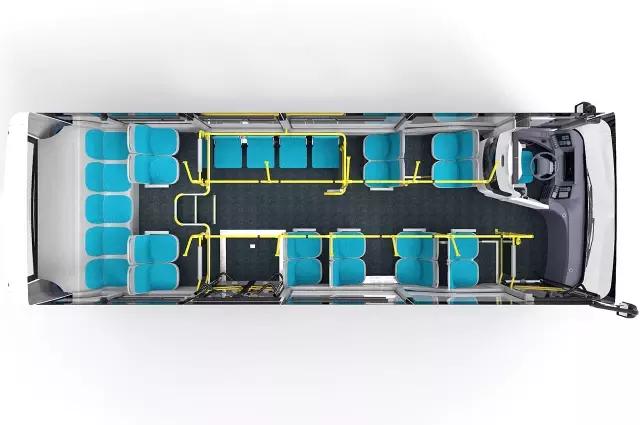
The first mistake I see with group transport is choosing a bus by appearance instead of passenger count. A large coach feels impressive, but an oversized vehicle can waste money when a smaller option would do the job. I start with the number of travellers, luggage needs, and trip length before looking at the bus itself.
A correct vehicle size also affects comfort. A weekend sports group with equipment needs different space from a conference group carrying only small bags.
- Small groups: Consider minibuses or smaller shuttles when passenger numbers are limited.
- Large groups: Full-size coaches make sense when you need more seats, storage, and longer-distance comfort.
I always ask for the seating capacity, luggage capacity, and accessibility details in writing before deciding.
Compare Rental Companies and Reviews

I never choose a charter company based only on the cheapest quote. A reliable operator should be able to explain their fleet, policies, and experience clearly. Reviews help, but I look for patterns rather than one unusually happy or unhappy comment.
The best comparison method is to request similar quotes from several companies and compare what is actually included. I pay attention to communication quality because that often reflects how organised the trip day will be.
| What I compare | Why it matters |
|---|---|
| Vehicle details | Confirms the bus matches the group needs |
| Customer feedback | Shows repeated service experiences |
| Contract terms | Prevents surprises later |
For interstate passenger carriers in the United States, I also check available safety information through official sources such as FMCSA resources.
Check Safety Records and Driver Qualifications
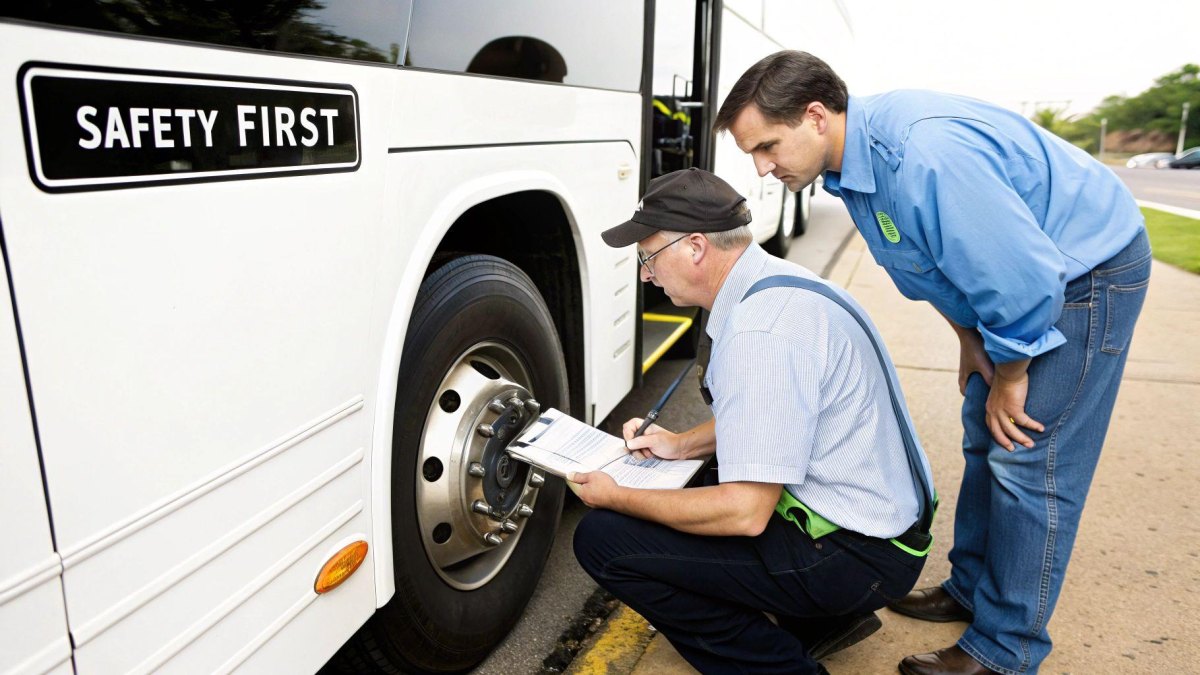
Safety checks are not the glamorous part of trip planning, but they are the part I refuse to skip. Before booking, I ask about maintenance routines, driver qualifications, and the company's safety history.
FMCSA guidance notes that passenger carriers have requirements covering areas such as driver qualifications, vehicle inspection, and maintenance. A qualified professional driver matters just as much as a comfortable seat.
- Confirm the operator has appropriate authority for the trip.
- Ask about driver licensing and experience.
- Check safety performance information where applicable.
- Confirm the vehicle is properly maintained.
My practical tip
I would rather spend an extra hour researching a company than spend ten hours wishing I had.
Understand Pricing and Included Services
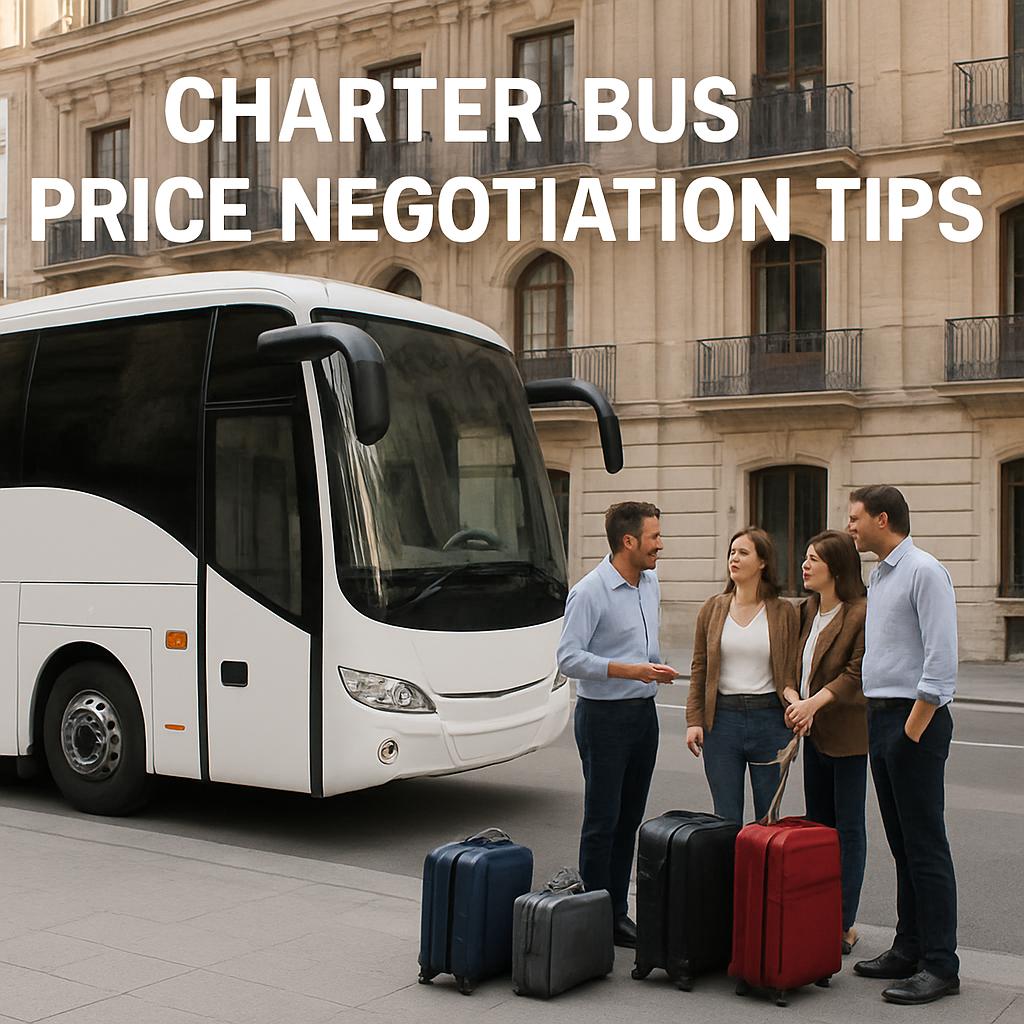
Charter bus pricing can look confusing because different companies structure quotes differently. Some charge by the hour, some by the day, and longer routes may include mileage calculations. I always request a written breakdown.
The final rental cost can depend on factors such as vehicle type, route, duration, tolls, parking, and additional services.
Clear quotes include
- Vehicle details
- Driver information
- Included services
Possible extras
- Parking fees
- Tolls
- Additional waiting time
I keep a simple rule: if I cannot explain a charge to another traveller, I need to ask the company about it.
Book Your Charter Bus Early

Good buses disappear faster than people expect, especially around holidays, school events, festivals, and summer weekends. I have learned that waiting for the “perfect” vehicle can leave you choosing from whatever remains.
Booking early gives you more choice in vehicle availability and often makes group coordination easier. Some operators recommend several weeks of lead time, with longer windows for busy seasons.
- Confirm. Finalise passenger numbers and travel dates.
- Request. Collect quotes from multiple operators.
- Reserve. Review the contract before paying.
I also leave some flexibility because group numbers have a habit of changing.
Plan Your Route and Travel Schedule

A charter bus is flexible, but it still needs a realistic timetable. I plan pickup points, meal stops, arrival buffers, and places where passengers can comfortably wait.
The travel schedule should include more time than the map suggests. Traffic, loading luggage, and passenger counts all take longer than people imagine.
Avoid this mistake
Do not build a schedule that only works if every stop happens perfectly on time.
For longer trips, I also confirm driver hours and rest requirements because safe travel depends on realistic planning. FMCSA provides guidance on passenger carrier hours-of-service rules.
Review Amenities Before You Rent
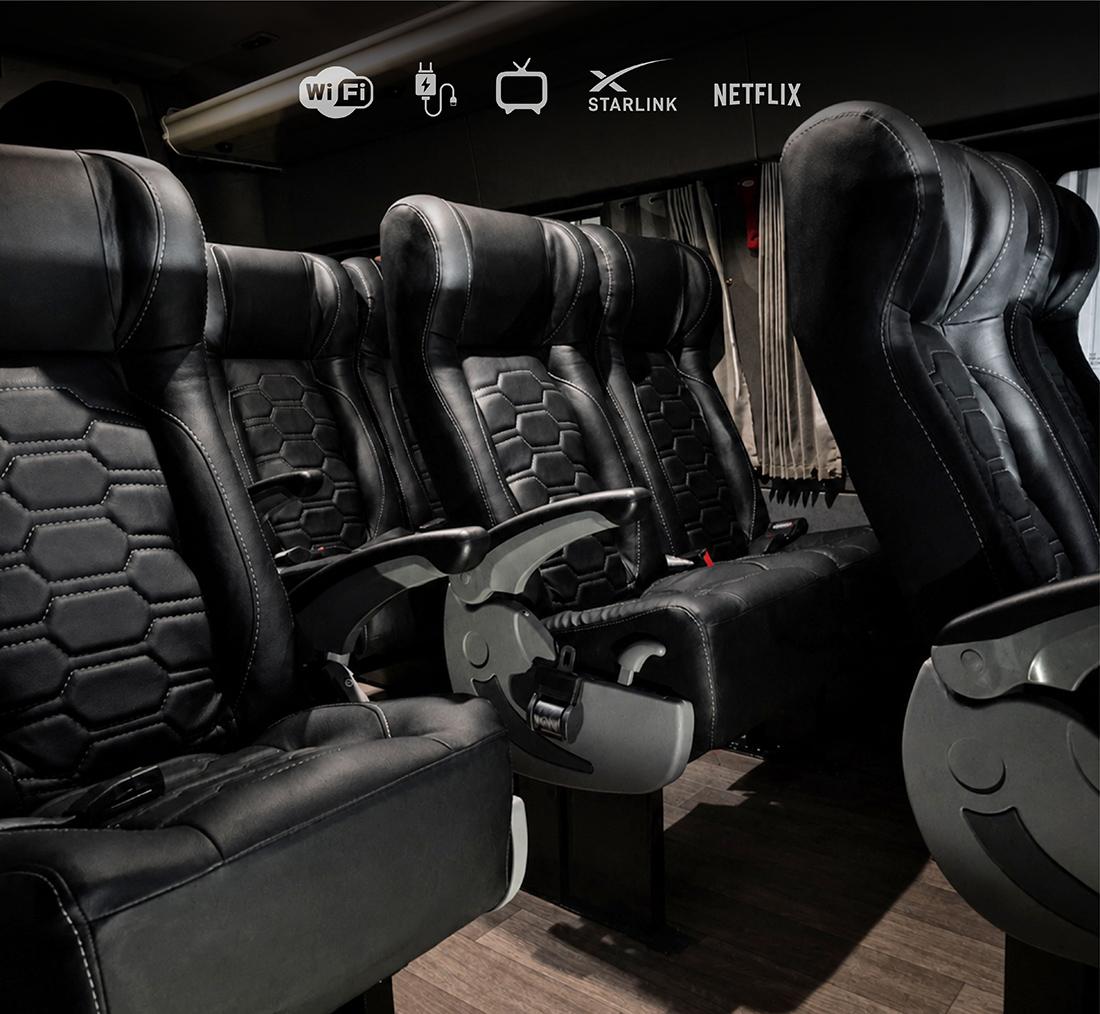
Amenities are where many groups accidentally pay for features they never use. I ask what is included rather than assuming every coach has the same setup.
For a long journey, I usually prioritise useful onboard features such as comfortable seating, charging options, climate control, and storage.
- Short trips: Basic comfort may be enough.
- Long trips: Extra space and practical facilities become more valuable.
- Special groups: Accessibility needs should be discussed before booking.
The fanciest bus is not always the right bus. I prefer features that make the actual journey easier.
Confirm Insurance and Rental Policies
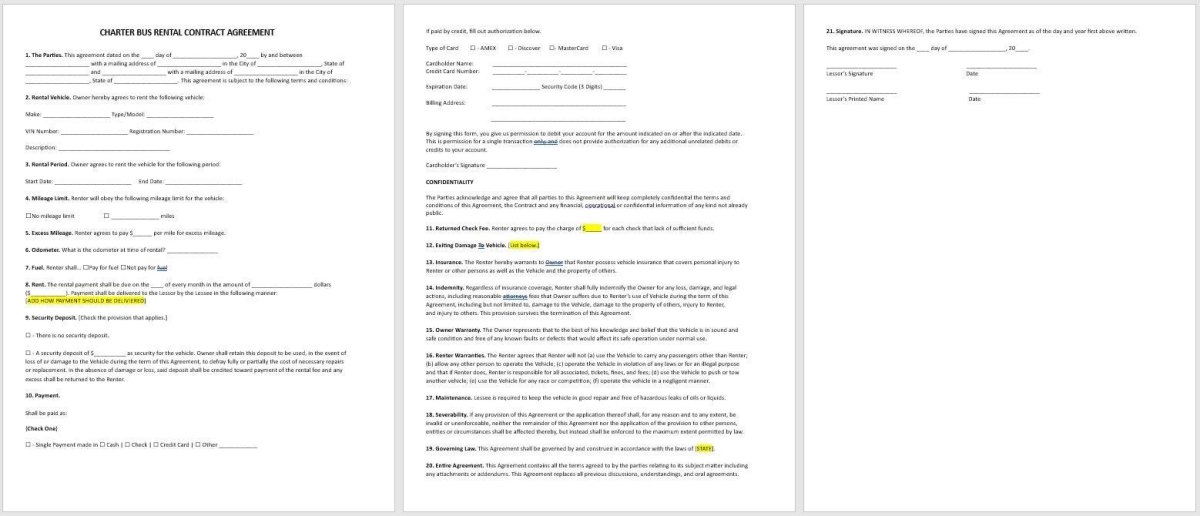
Before signing anything, I read the cancellation rules, payment schedule, and insurance details. Contracts are not exciting reading, but they are much less exciting when there is a problem.
For-hire passenger carriers may have specific insurance and operating requirements depending on the service and jurisdiction. The written rental agreement should make responsibilities clear.
- Review cancellation deadlines.
- Confirm payment terms.
- Ask about changes to passenger numbers.
- Understand liability and coverage details.
I am not an insurance broker, so I always treat the operator's policy documents as the source of truth rather than guessing.
Prepare Passengers for a Smooth Trip

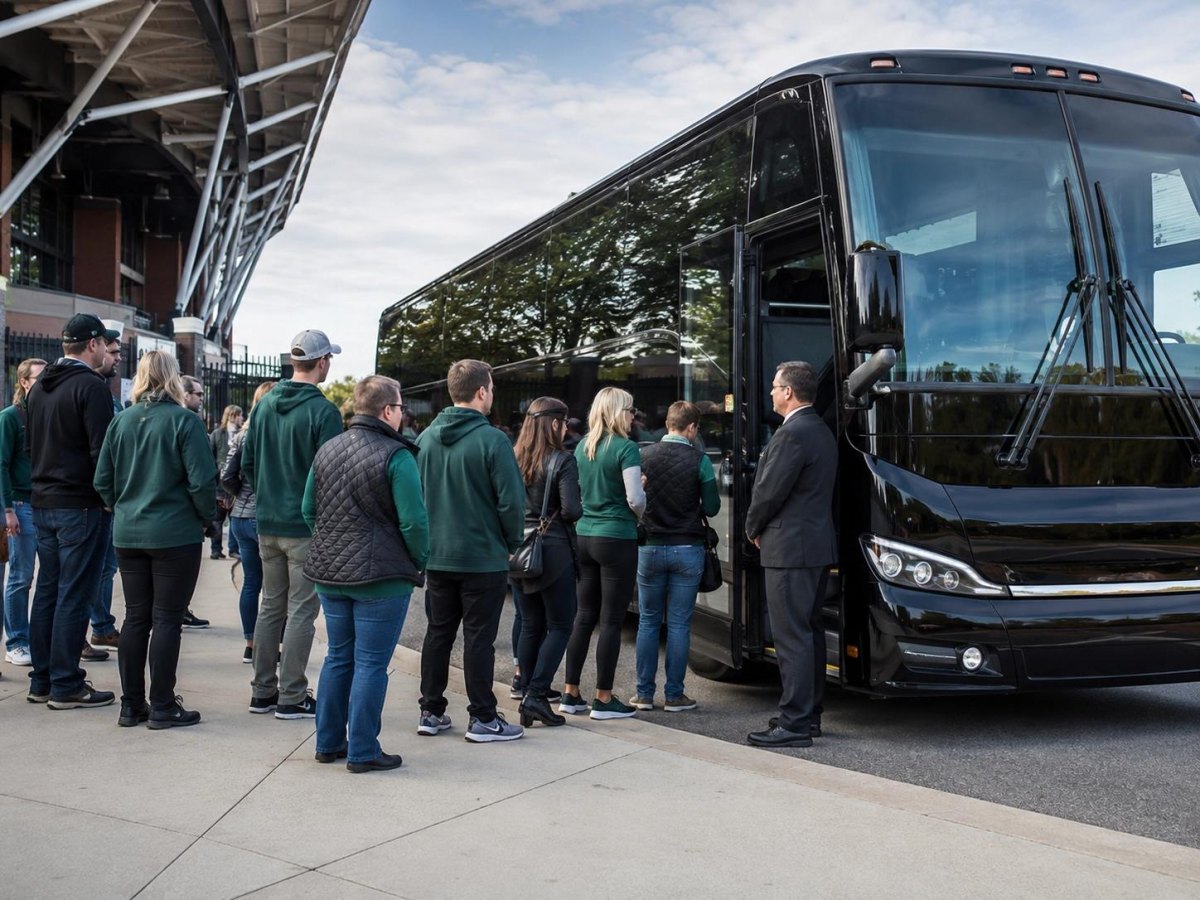
The easiest trips usually have the best passenger communication. I send the meeting point, departure time, luggage rules, and contact details before the travel day arrives.
A short passenger preparation list prevents the classic problems: late arrivals, missing bags, and people asking for details that were already shared.
- Share. Send the itinerary and pickup instructions.
- Remind. Confirm the departure time before the trip.
- Organise. Keep one person responsible for final questions.
I have found that a calm boarding process sets the tone for the whole journey. The bus ride itself is usually the easy part when the planning is done properly.