Planning a bus trip is much easier when I stop treating it like a guessing game. I start with the places I actually need to reach, then build the route around realistic times, walking distances and backup options.
I have spent years reading service information and planning journeys, and the same rule keeps working: simple route planning beats a complicated itinerary that only works when every connection is perfect.
Bus route planning essentials
- Define where you need to go and when you need to arrive.
- Check official stops, schedules and live updates where available.
- Leave enough time for walking, transfers and small delays.
Define Your Bus Route Requirements

Before I open a map, I write down the basics: starting point, destination, preferred arrival time and anything that affects the journey. A route that looks short can become awkward if it involves a long walk or an inconvenient transfer. Clear travel requirements are the foundation of a reliable plan.
Modern trip planners often rely on transit data standards that include routes, stops, schedules and service details. GTFS is one example of a widely used format that helps applications display public transport information.
- Write. Note your start, destination and arrival deadline.
- Measure. Check walking distance to and from stops.
- Compare. Look at alternative routes before choosing one.
Choose Stops and Destinations
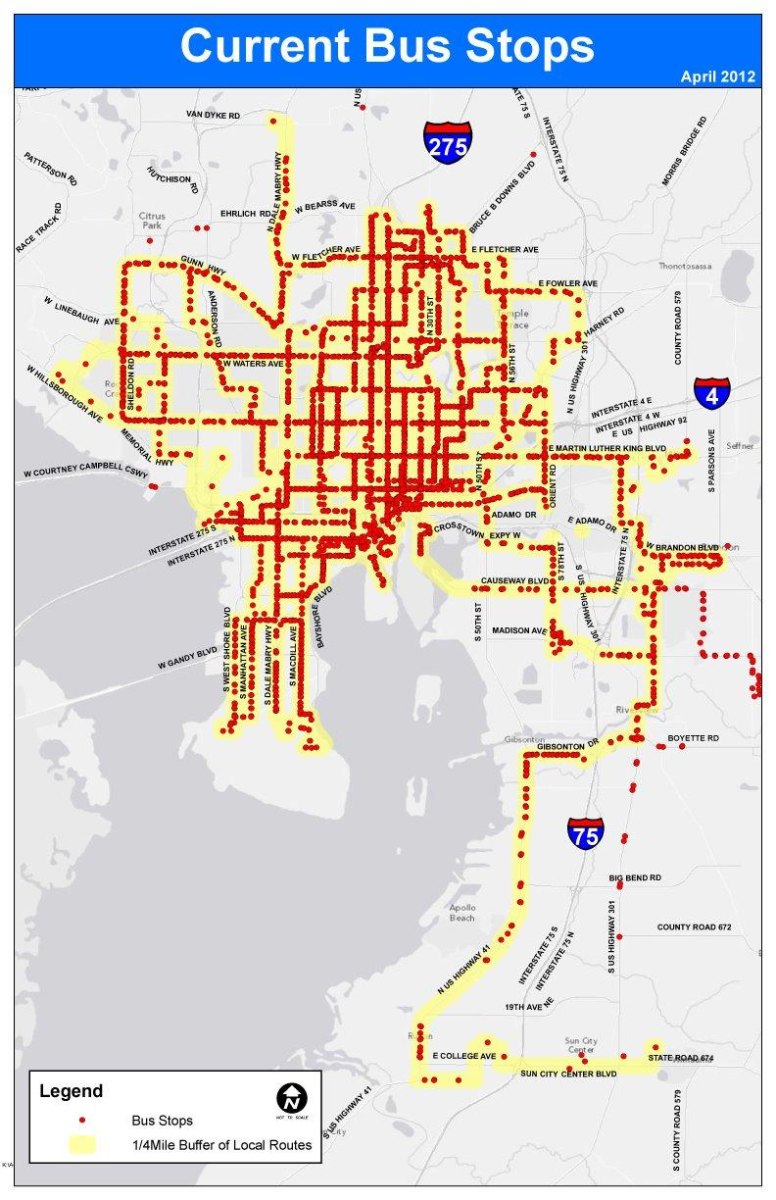
The stop name matters more than many travellers expect. I always check the exact stop location rather than assuming the nearest pin is correct. Accurate bus stops prevent the classic mistake of arriving at the right street but the wrong side of it.
Small planning tip
I always save the stop name and route number offline when I am travelling somewhere unfamiliar. It saves fumbling with a phone when the network decides to have a personality.
Check Timetables and Travel Times
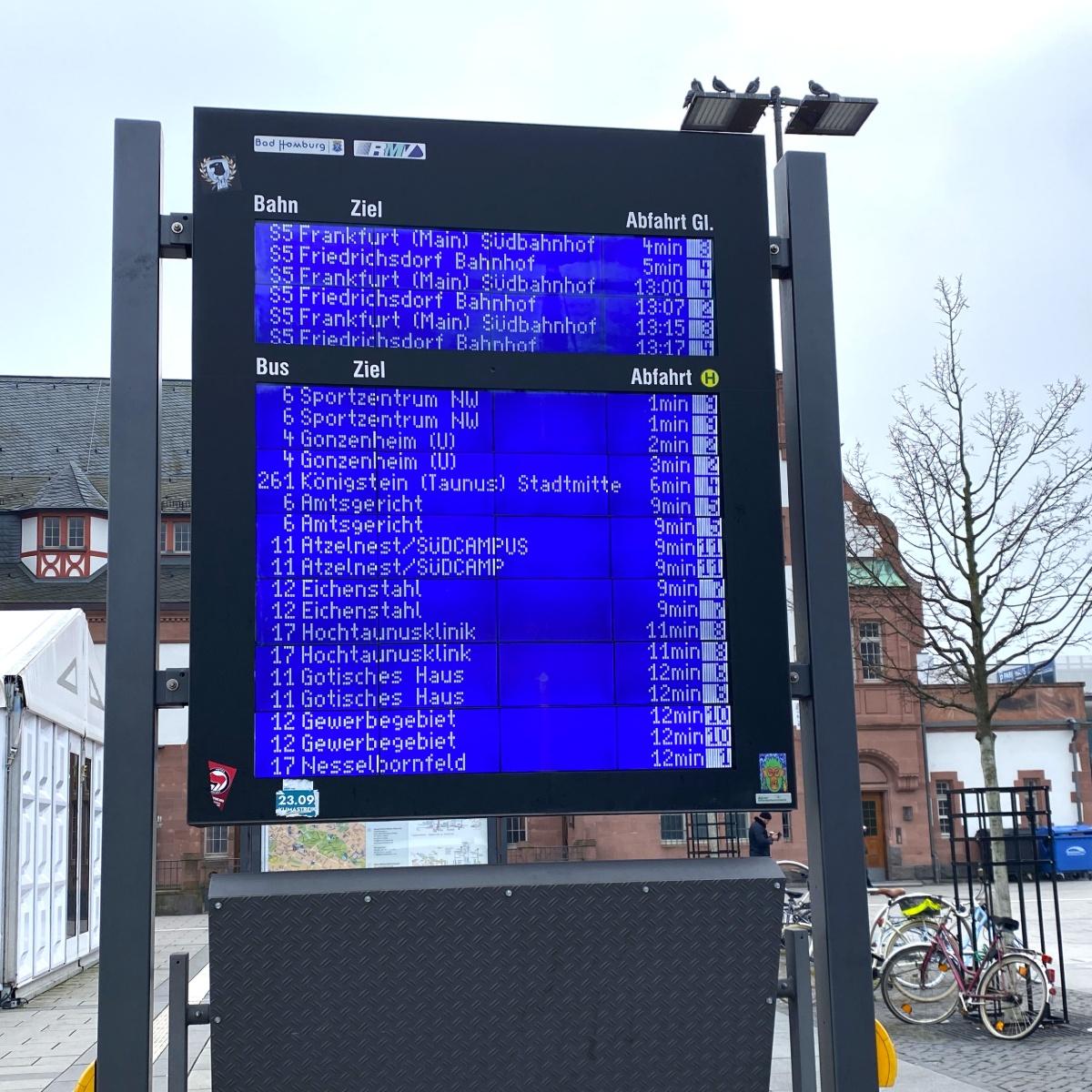
I never plan a bus journey using only the departure time. I check the full chain: walk to the stop, waiting time, ride duration and transfer time. Realistic travel timing is what separates a pleasant trip from a missed connection.
Transit apps can show scheduled departures and, in some places, real-time information. Google Maps, for example, provides transit directions and departure information where available.
| Check | Why it matters |
|---|---|
| Operating days | Some routes change on weekends or holidays. |
| Frequency | A frequent bus gives you more flexibility. |
| Connection time | A few extra minutes can prevent a stressful transfer. |
Optimize the Route for Efficiency
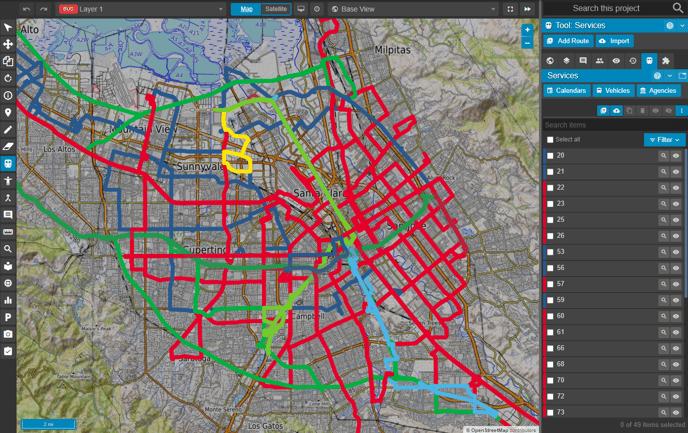
The fastest route is not always the easiest route. I compare options by looking at transfers, walking distance and how much room there is for delays. Efficient route choices usually come from balancing speed and simplicity.
Fewer transfers
- Easier with bags.
- Less chance of missing a connection.
- Usually simpler for visitors.
Possible drawbacks
- May take longer.
- Could require a longer walk.
- May cost more depending on fares.
Many trip planning tools can use structured transit data containing routes, stops and timetable information, which helps create these comparisons.
Review and Adjust the Final Bus Plan

Before I leave, I do one final review. I check the route again, confirm any changes and make sure I know what I will do if the first option fails. A flexible final plan is much more useful than a perfect plan that has no backup.
Avoid this common mistake
Do not assume a route that worked last month will operate the same way today. Service changes happen, so I always check the latest information from the operator or transport app.
My final habit is simple: I leave enough room for reality. Buses are part of daily life in the places we visit, and a good plan respects both the schedule and the unexpected.