Making a bus journey greener is not about pretending every trip is perfect. I have spent years looking at how transport works, and the small operational details usually matter most. From the vehicle itself to the way passengers travel, sustainable bus trips come from many practical choices working together.
I put together these steps because travellers, operators, and destinations all have a role. The good news is that many improvements are already happening, including faster growth in electric buses and cleaner mobility planning.
Choosing Low-Emission Buses for Sustainable Travel
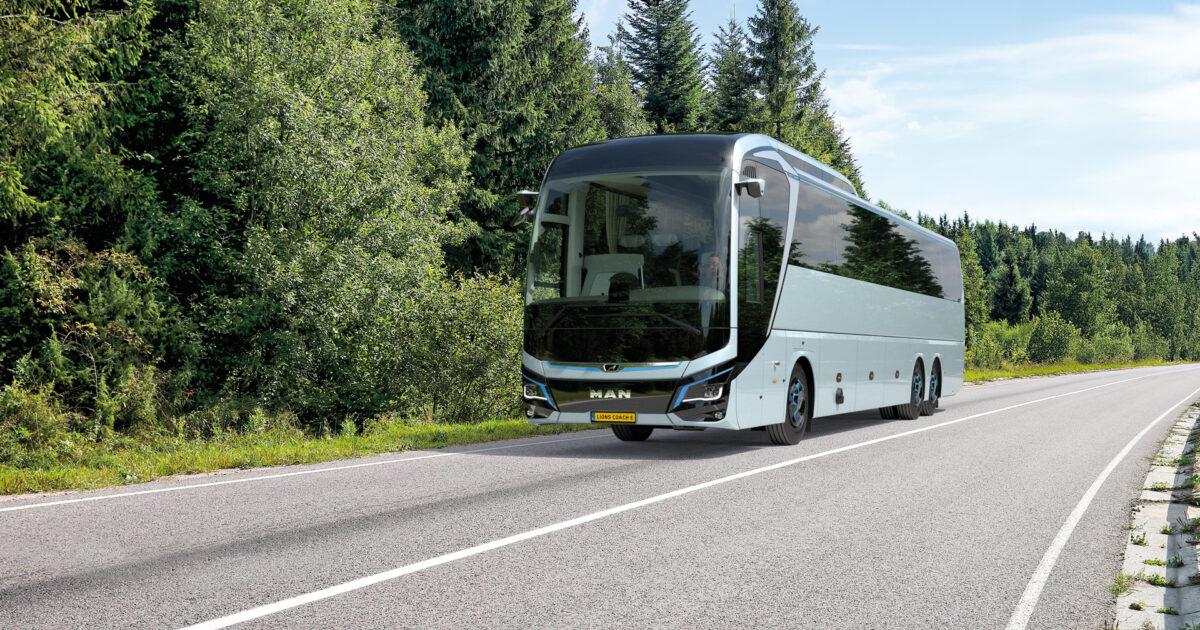
When I compare bus systems, the first thing I look at is the vehicle. Choosing low-emission buses such as electric or newer efficient models can reduce the environmental impact of moving many passengers at once. Global electric bus sales passed 70,000 in 2024, showing how quickly this technology is expanding.
70,000+
Electric buses sold globally in 2024
There is still no single solution for every route. Long-distance coaches, rural services, and city buses have different needs, so operators have to match technology with real operating conditions.
Improving Energy Efficiency in Bus Operations
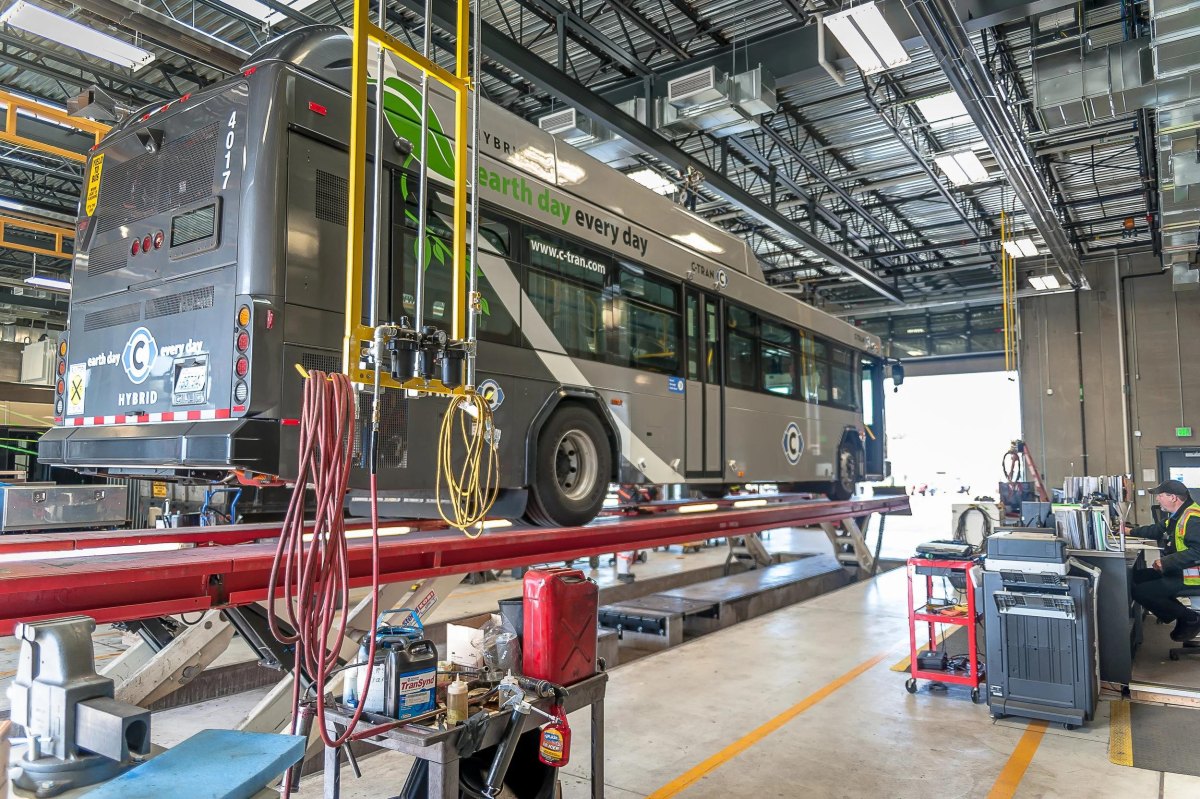
A bus can be modern and still waste energy if it is poorly operated. I learned this while looking at service planning: schedules, maintenance, and driver habits all affect performance. Efficient bus operations include regular checks, smart heating and cooling use, and careful driving.
A practical tip
Eco-driving training is worth paying attention to. One study of bus drivers found improved fuel economy after training, with reported reductions continuing over time.
The cheapest sustainability improvement is often the one already available: making existing services run better before replacing everything.
Optimizing Routes to Reduce Environmental Impact
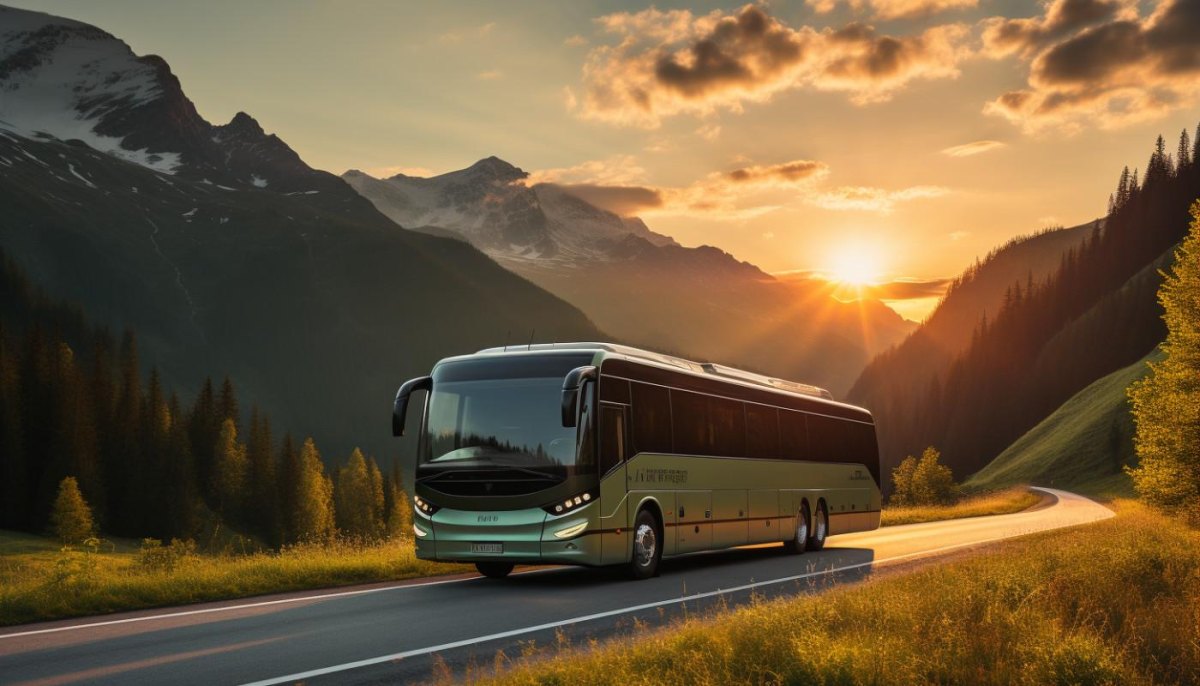
Route design is where my old transit planning habits appear. A route that avoids unnecessary kilometres and matches passenger demand can cut wasted fuel and time. Smart route planning is not glamorous, but it is one of the details that keeps a network efficient.
Sustainable mobility requires better planning as well as cleaner vehicles, because transport impacts depend on how systems are organised.
Encouraging Sustainable Passenger Behavior
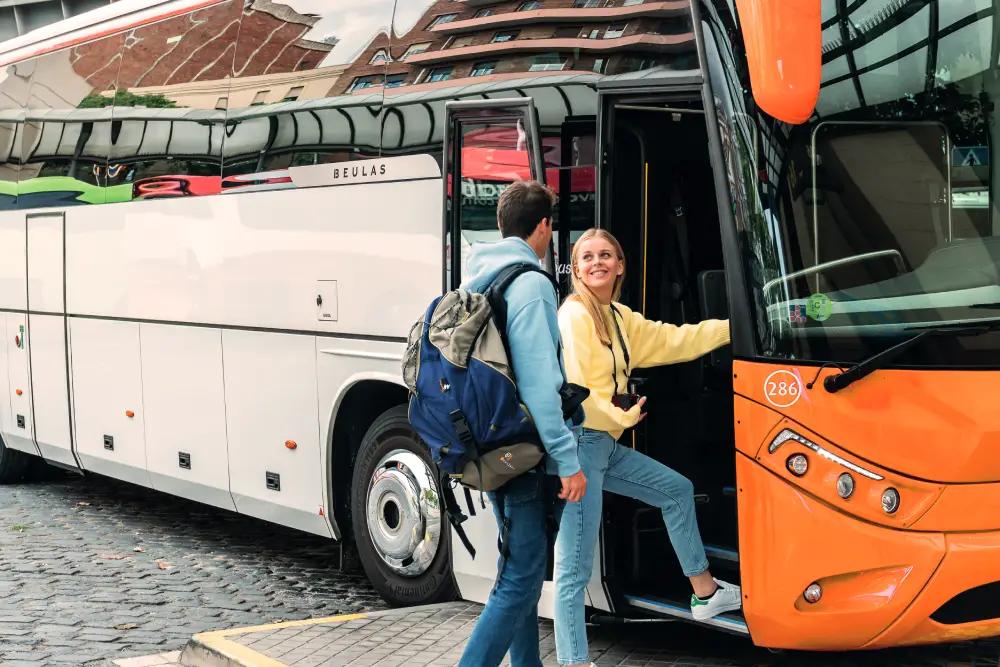
Passengers are part of the system too. I have seen small habits make journeys smoother: bringing reusable items, using digital tickets where available, and following local recycling rules. Responsible passenger habits support the work operators are already doing.
Sustainable tourism works best when travellers, businesses, and communities all contribute rather than leaving responsibility to one group.
Using Renewable Energy and Green Infrastructure
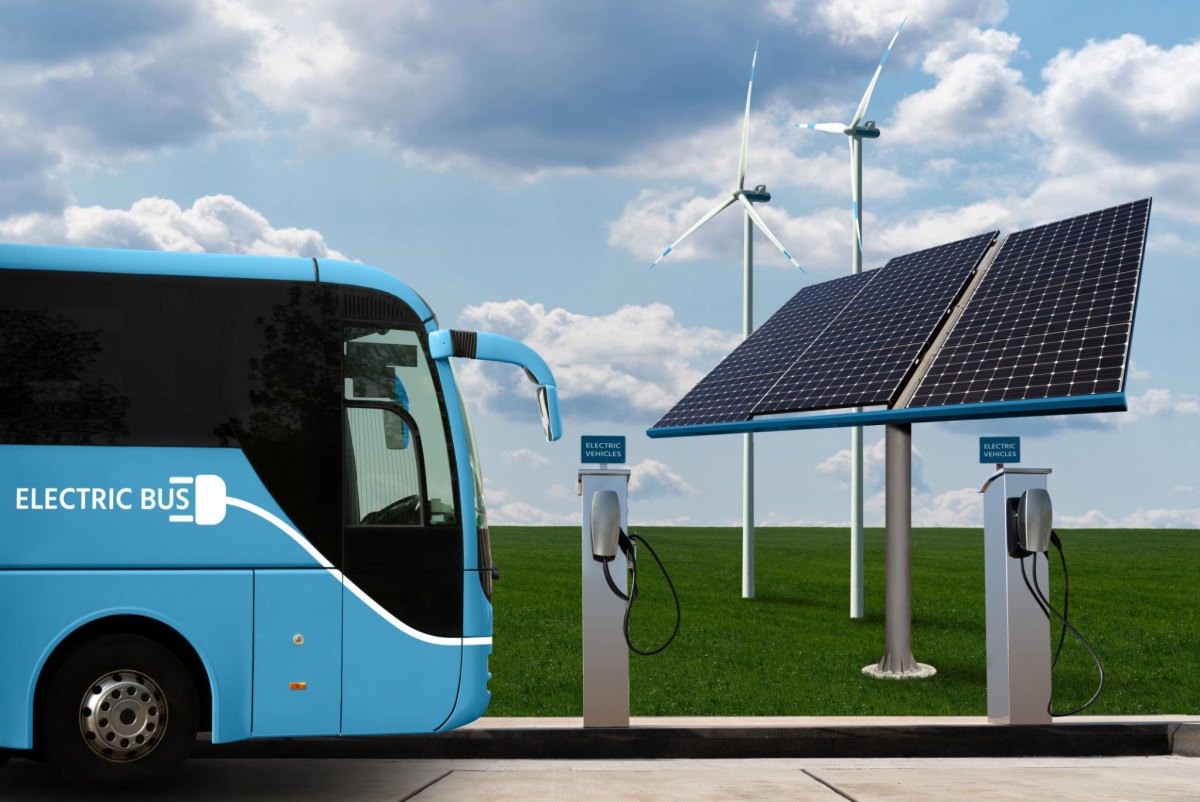
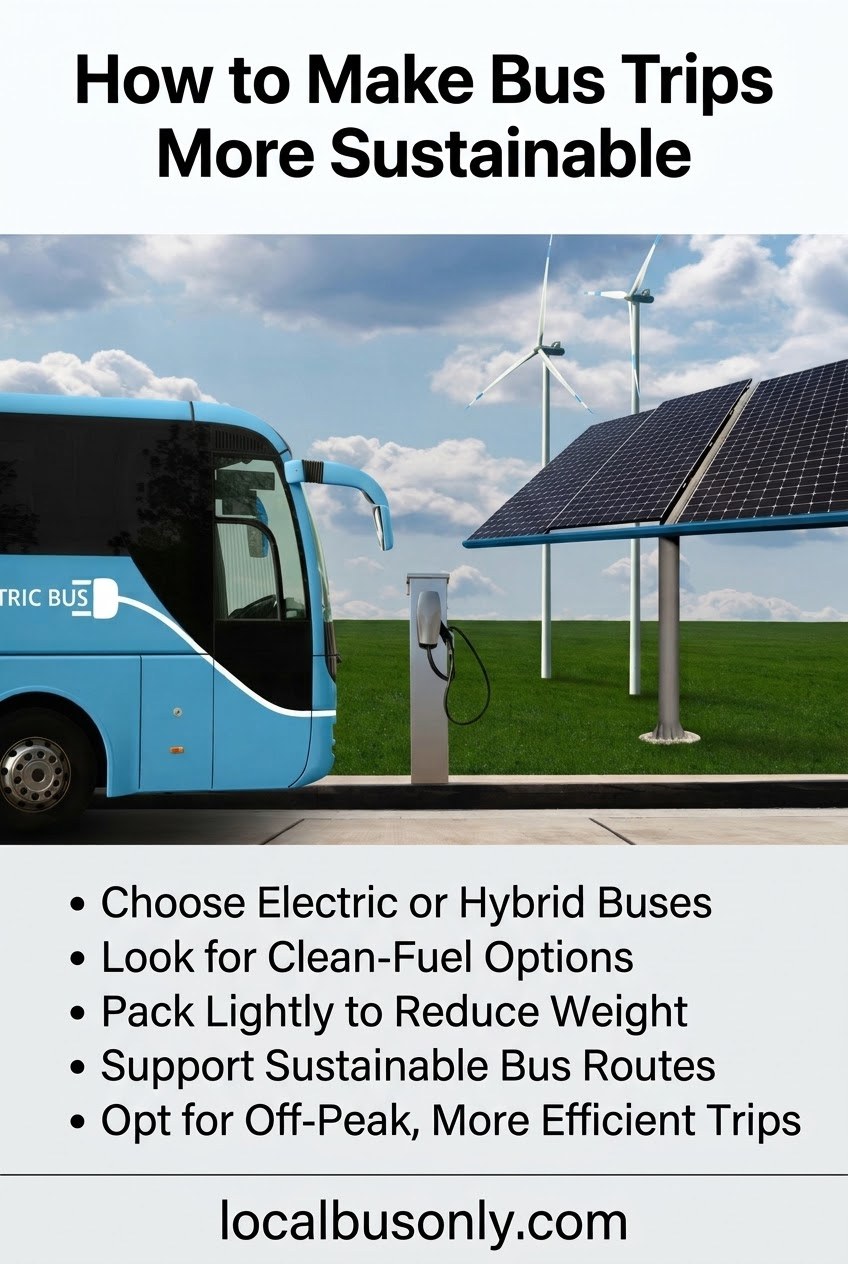
Electric buses only become truly cleaner when the energy system behind them improves. I pay attention to the charging side because the depot is just as important as the vehicle. Renewable charging infrastructure can combine solar generation, storage, and smart energy management.
New approaches are exploring combinations of solar power, batteries, and electric bus charging systems to improve efficiency.
Reducing Waste During Bus Journeys
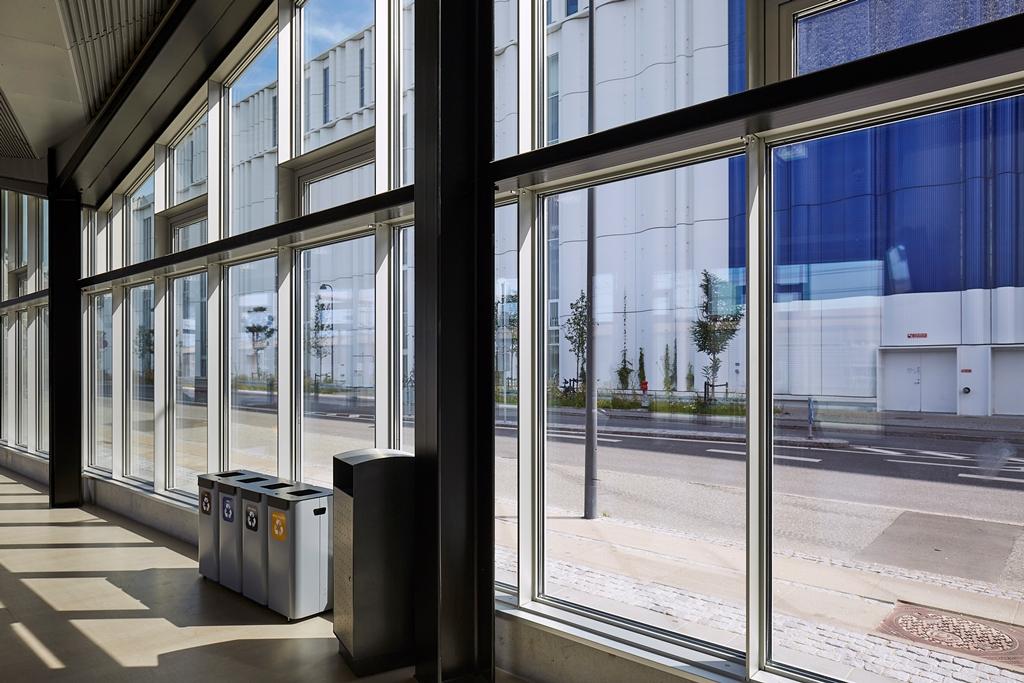
Waste is not the biggest environmental issue in transport, but it is one passengers notice immediately. On longer trips especially, I look for simple systems that prevent unnecessary rubbish. Lower-waste travel starts with better preparation.
Helpful habits
- Reusable containers and cups.
- Clear recycling points at stations.
Common problems
- Single-use packaging.
- Poorly marked disposal areas.
Tourism sustainability plans increasingly include waste reduction and more circular practices.
Supporting Sustainable Tourism Through Bus Travel
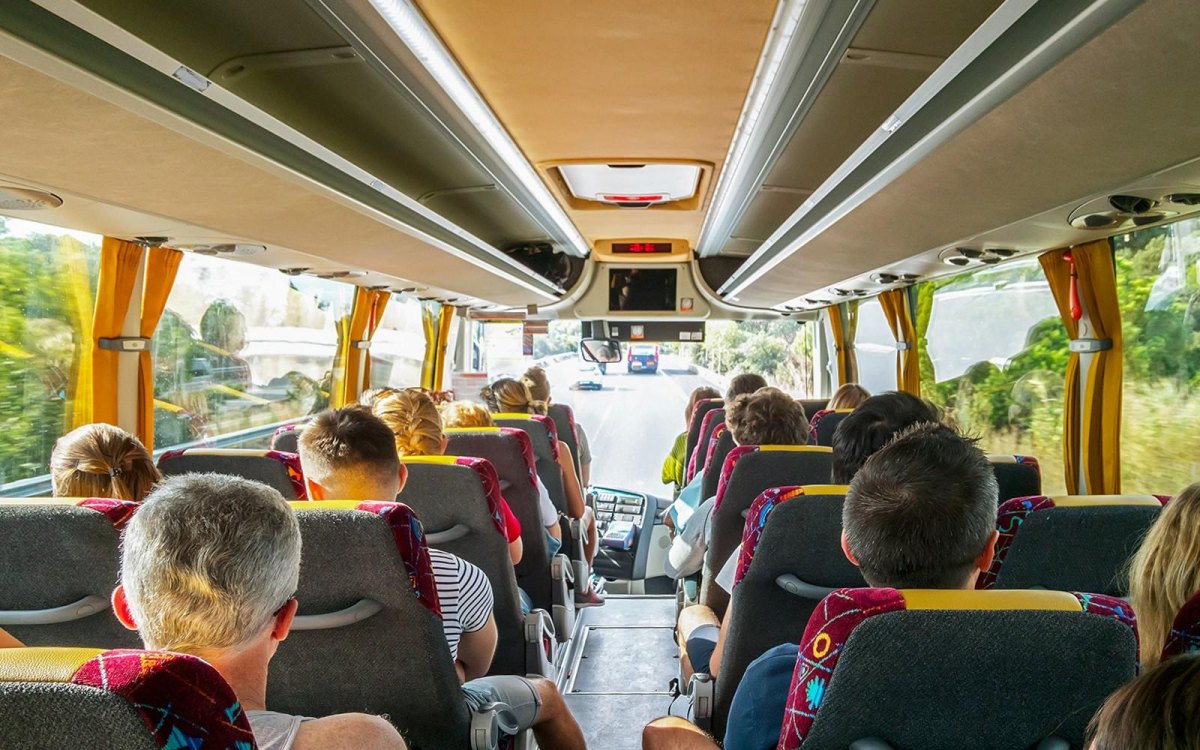
I have always liked buses for one simple reason: they connect places people might otherwise miss. A well-run service can spread visitor spending beyond the busiest areas and reduce pressure from individual car trips. Sustainable tourism by bus is about access as much as emissions.
What sustainable bus tourism can support
- Lower-impact connections between destinations.
- More practical access to local communities.
- Better choices for travellers without cars.
European tourism initiatives increasingly focus on cleaner mobility and protecting the environmental and social value of destinations.
Measuring and Improving Long-Term Sustainability Goals
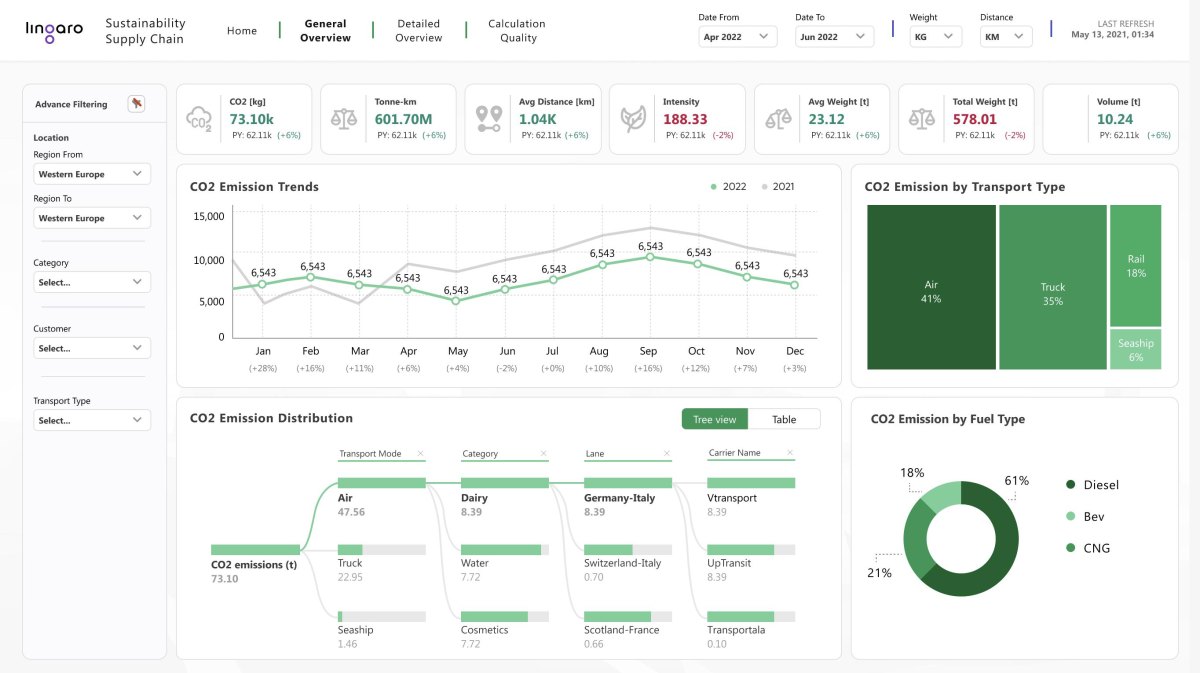
The sustainability projects I trust are the ones that measure results. A promise to be greener is easy; proving progress takes numbers. Operators can track sustainability performance through emissions, energy use, passenger loads, and waste data.
| Measure | Why it matters |
|---|---|
| Energy consumption | Shows operational efficiency. |
| Emissions data | Tracks climate impact over time. |
| Passenger usage | Shows whether services meet demand. |
Transport agencies continue working toward cleaner mobility systems, but progress depends on ongoing investment, planning, and honest measurement.