A good bus trip is rarely about luck. It is about choosing a realistic route, packing the things you will actually use, and knowing where the small inconveniences hide. I have spent years planning journeys by public transport, and the difference between a tiring ride and a pleasant one usually comes down to a handful of practical decisions.
This guide covers the details I check before I board: timing, comfort, costs, and the habits that make long-distance travel easier.
Choosing the Right Bus Tour for Your Travel Style
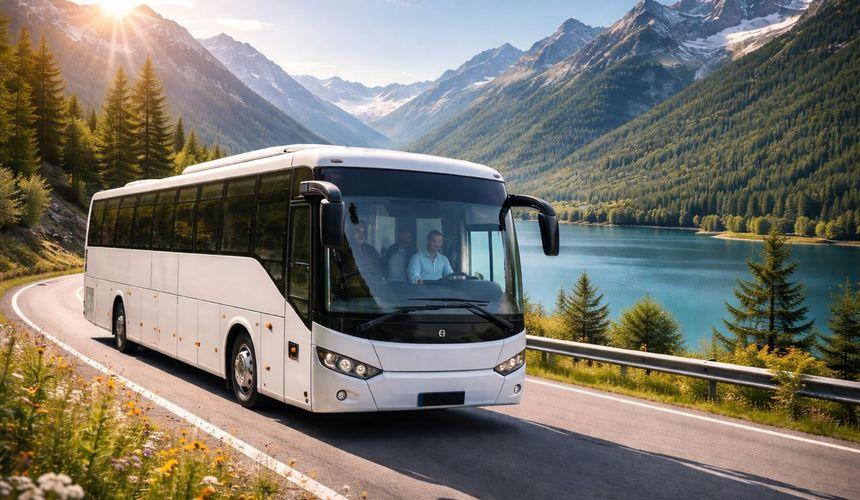
I start by deciding what kind of traveller I am being on that particular trip. A guided coach tour gives structure, while an independent bus journey gives me more control. The best choice depends on whether I value planned sightseeing or flexible stops.
On my own trips, I look at the actual route before booking rather than trusting a glossy description. A beautiful destination can become exhausting if the schedule leaves no time to enjoy it.
My quick checklist
- Check how much free time the tour includes.
- Compare departure times with your energy levels.
- Look at what is included before comparing prices.
Planning Your Bus Trip: Routes, Destinations, and Timing
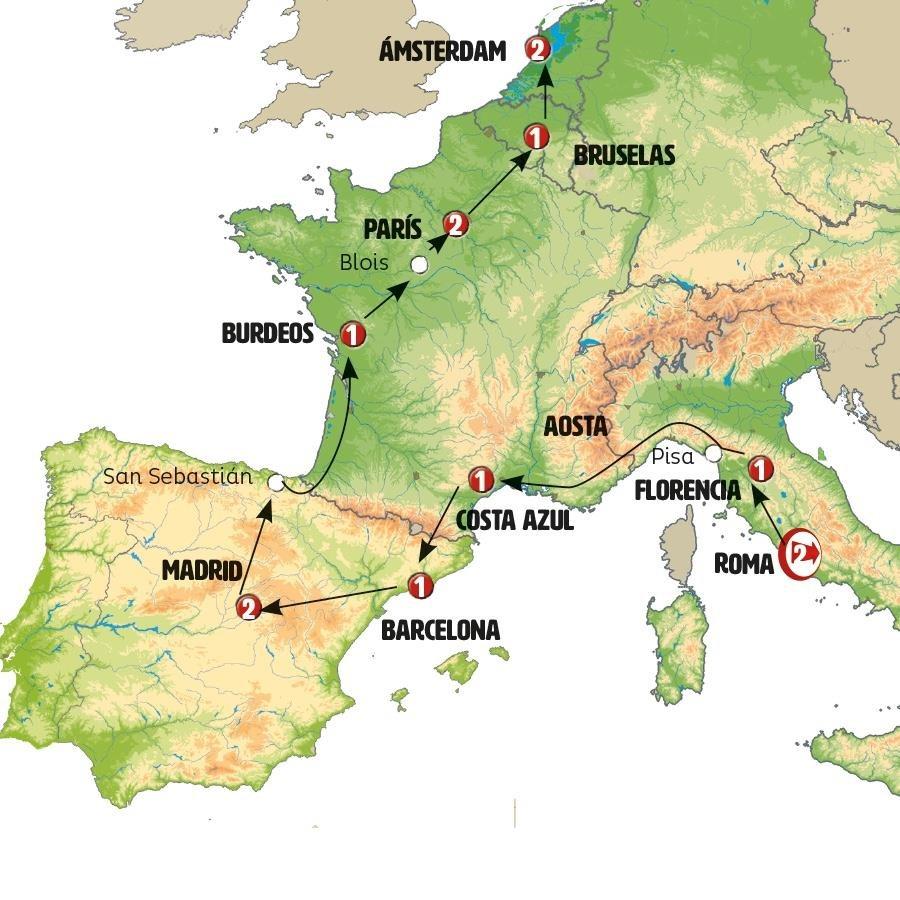
I treat a bus itinerary like any other travel plan: I check stops, transfer time, and arrival points. A timetable is useful, but I always leave a buffer because real roads do not behave like spreadsheets.
When I planned recent journeys, I checked operator information close to departure because route details change. Some companies provide live tracking and stop information through their apps, which can help when delays happen.
- Research. Compare routes, stops, and journey length.
- Reserve. Book early when popular routes fill quickly.
- Confirm. Recheck departure details before travel day.
What to Pack for a Comfortable Bus Journey
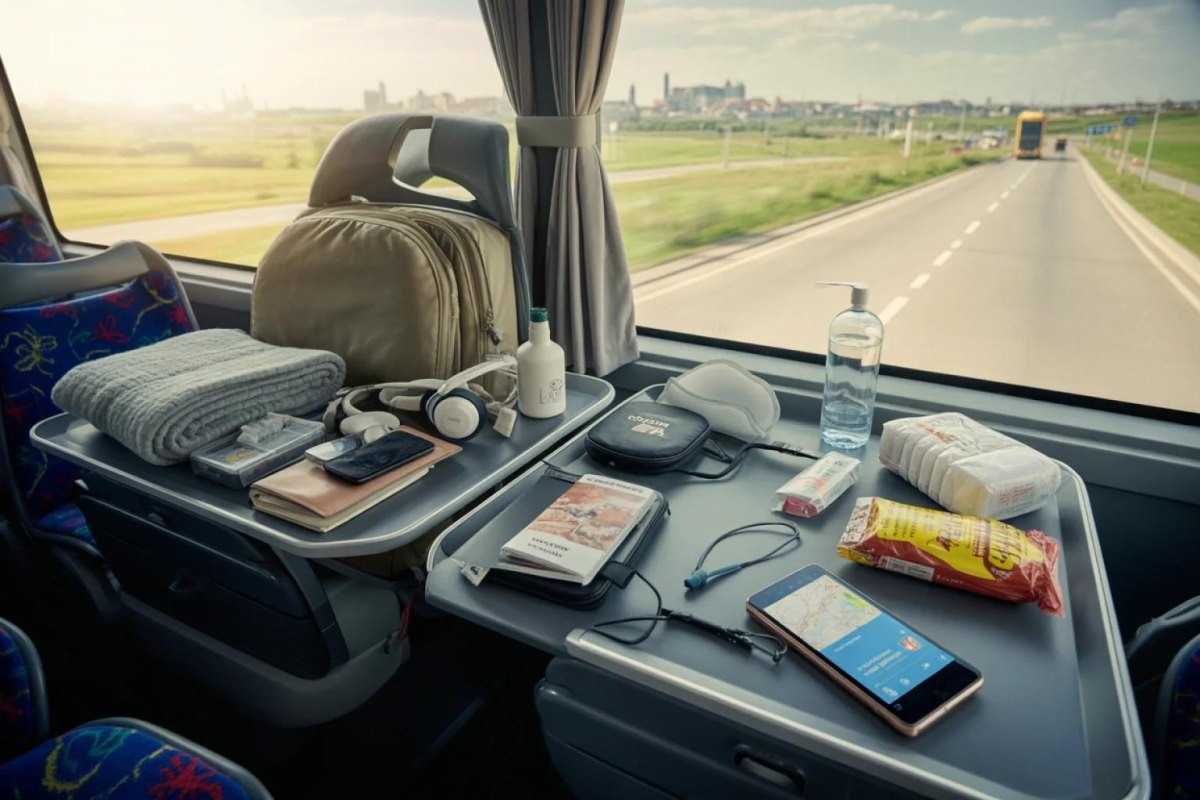
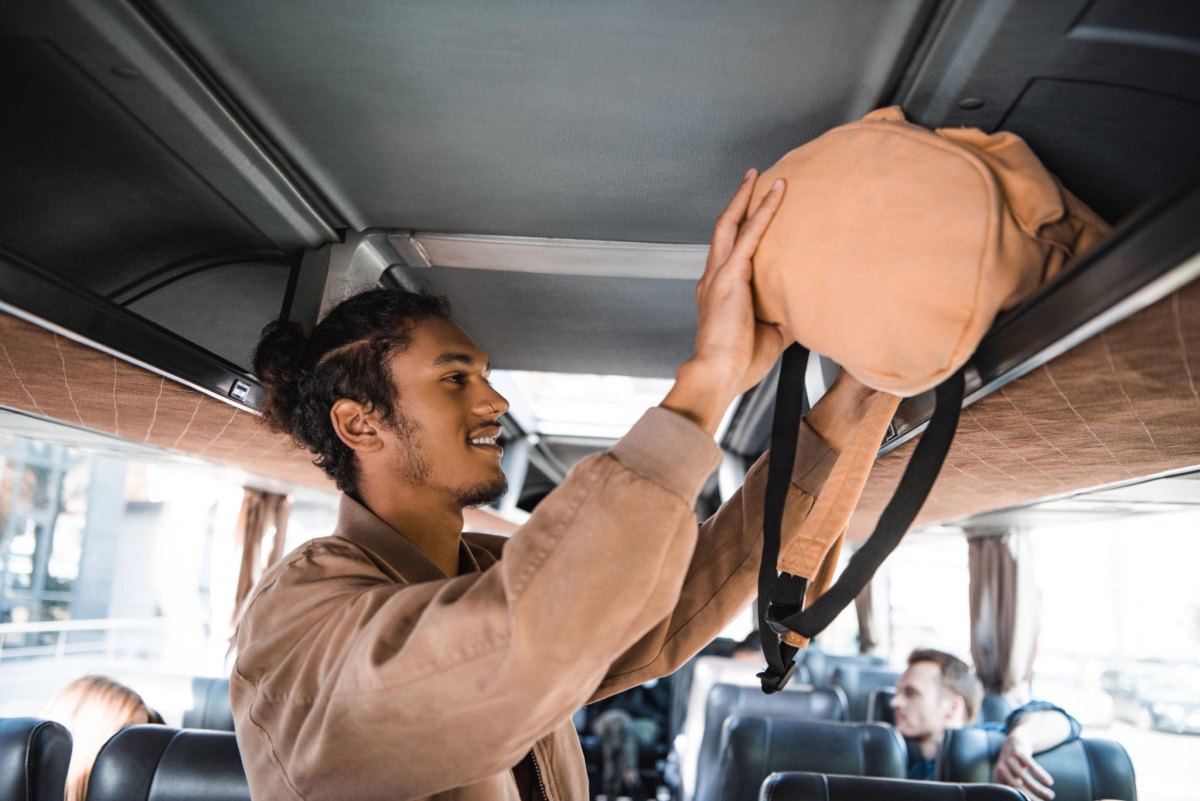
I pack for the seat I will occupy, not the fantasy version of travel where everything is effortless. A small bag with water, layers, headphones, and documents stays with me while larger luggage goes underneath.
Many operators have specific baggage limits, so I check before leaving home. For example, FlixBus publishes size and weight rules for small bags and stored luggage, with limits varying by service.
- Travel documents and payment cards
- Water bottle and simple snacks
- Light jacket or scarf
- Chargers and a power bank
Understanding Bus Travel Costs and Budget Tips
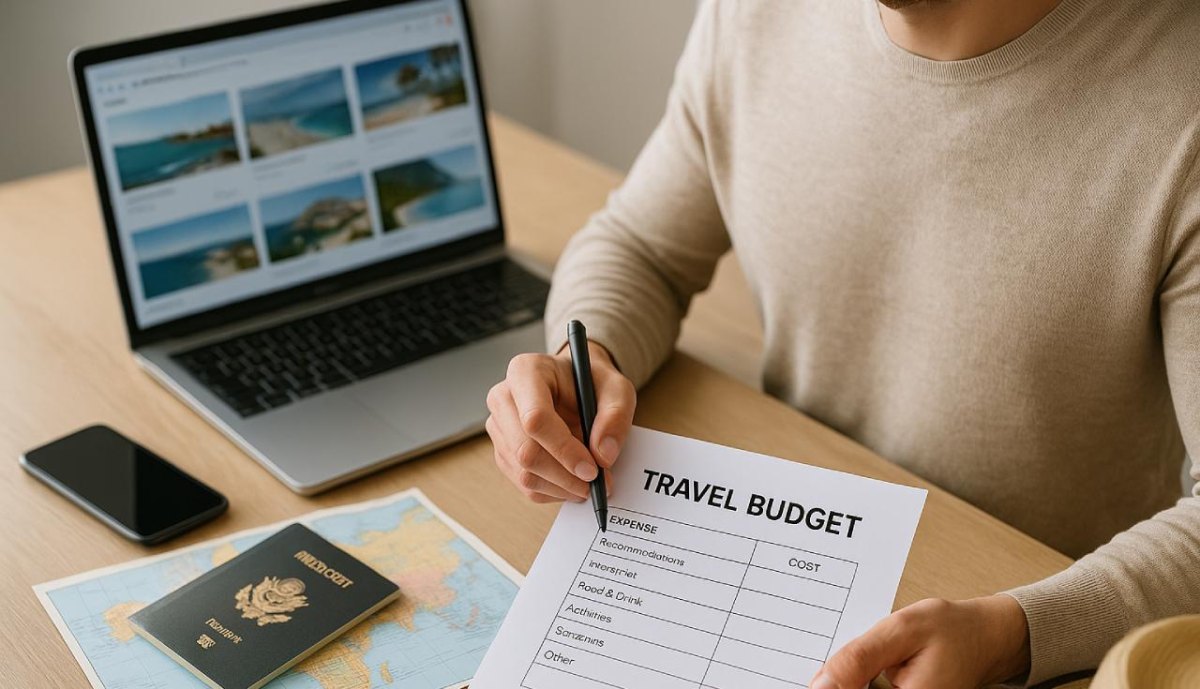
I compare the full cost of a bus journey, not just the fare. Snacks, transfers to stations, luggage fees, and overnight accommodation avoided by a night bus can all change the calculation.
| Expense | What I check |
|---|---|
| Ticket | Base fare and booking conditions |
| Luggage | Included allowance and extras |
| Transfers | Cost of reaching the station |
The cheapest option is not always the lowest-cost option. I pay extra when it saves a complicated connection or a very early start.
Finding Comfortable Seats and Useful Bus Features
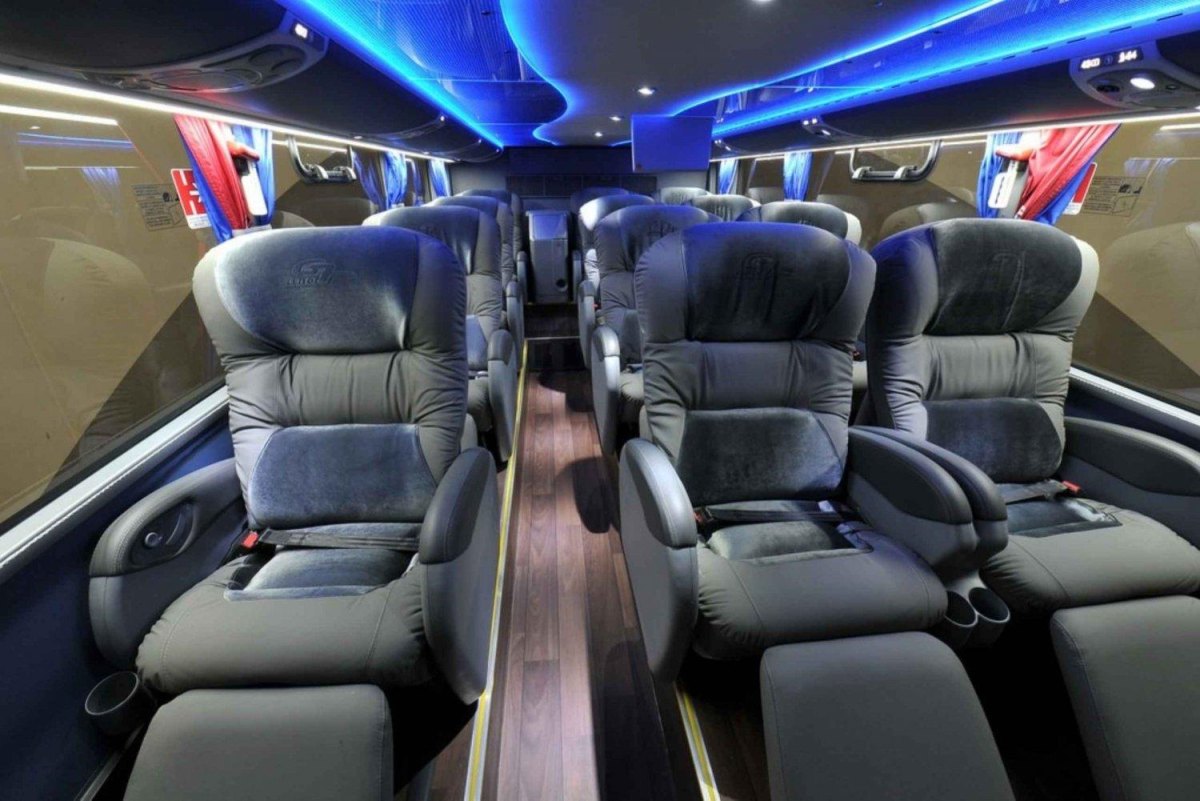
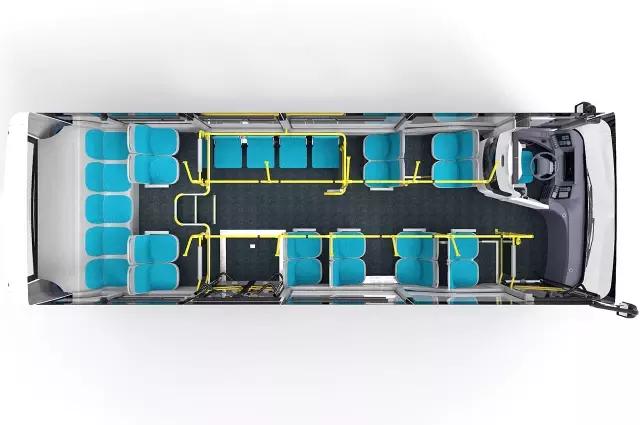
For journeys over a few hours, I care about the seat more than I used to. Window seats help me sleep, while aisle seats make movement easier. Some operators offer different seat categories during booking.
I also check practical features such as toilets, charging points, Wi-Fi, and air conditioning. They are small details until you are five hours into a ride.
My seat rule
I choose the seat based on the journey, not habit. A scenic daytime route deserves a window; an overnight trip may deserve easier access to the aisle.
Staying Healthy and Relaxed During Long Bus Rides
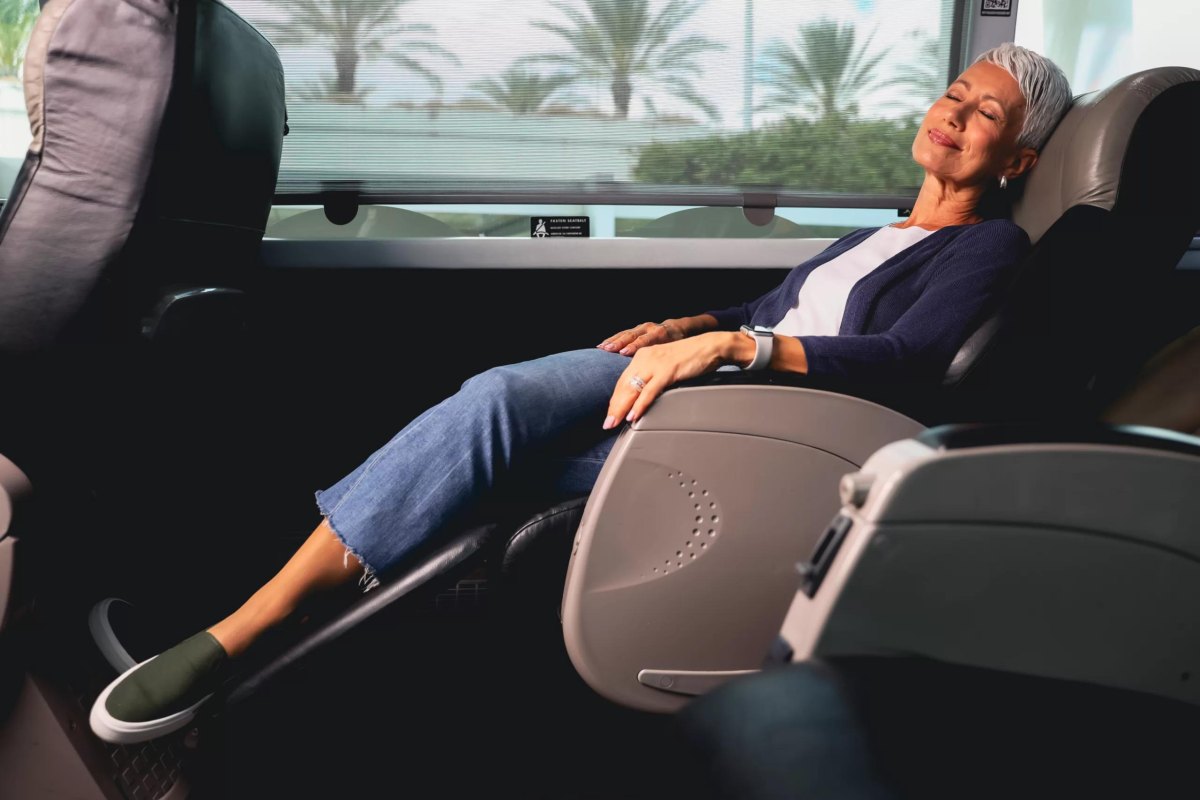
Long bus rides are not difficult, but they do require realistic expectations. I move when breaks allow, drink enough water, and avoid packing a schedule that starts immediately after arrival.
I have learned that comfort comes from preparation: small routines matter more than expensive gear. A book, a neck pillow, and a calm attitude have solved more problems than a suitcase full of gadgets.
Travel tip
Keep your first hour after arrival flexible whenever possible. Tired travellers make poor decisions.
Bus Travel Safety Tips for Every Passenger
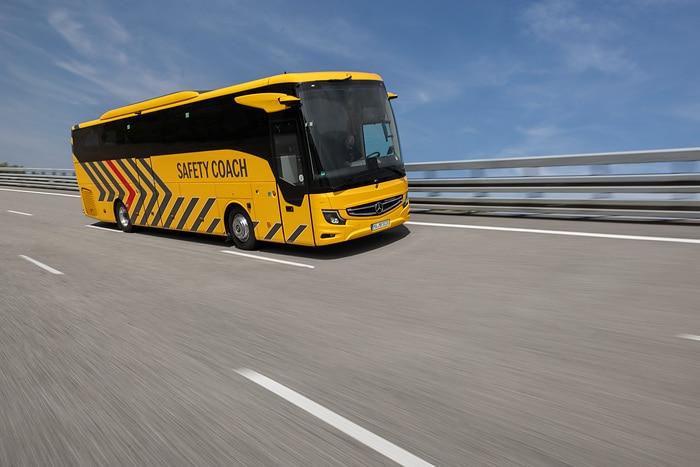
I approach safety with practical habits rather than fear. I keep valuables with me, watch my bags during stops, and arrive early enough to understand where I need to board.
Operators publish their own safety guidance. FlixBus, for example, advises passengers to use seat belts where provided and keep personal items stored safely.
- Keep documents and electronics nearby.
- Follow driver and operator instructions.
- Do not block aisles or exits with bags.
Making the Most of Scenic Views Along the Way

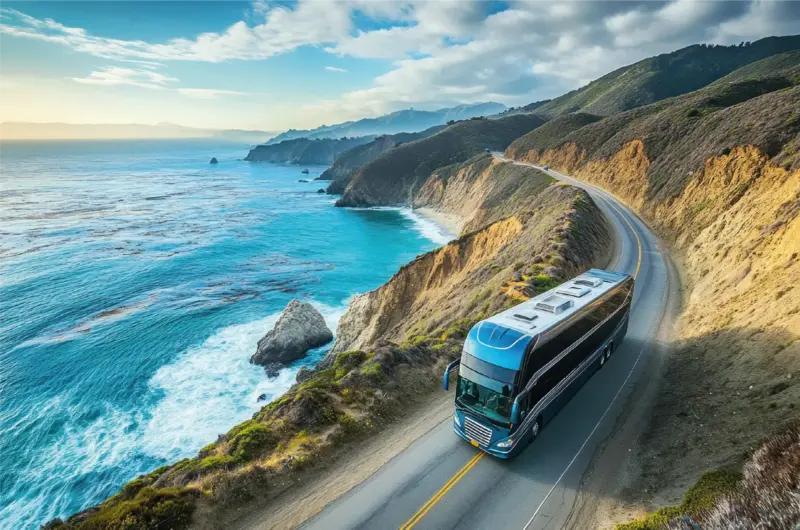
I like bus travel because the journey itself becomes part of the trip. Trains can be wonderful, but buses often reach smaller roads and places that I would otherwise miss.
I pack a camera carefully and remember that other passengers and local communities are not attractions. The best travel memories usually come from observing respectfully.
The route between places is still part of the place.
Marnie Doyle
Choosing Between Group Tours and Independent Bus Travel

I choose group tours when logistics are complicated and I want someone else managing the details. I choose independent bus travel when I want slower mornings and the freedom to change plans.
Group tours
- Simple planning
- Shared experiences
- Helpful for first visits
Independent travel
- More flexibility
- Requires more research
- More responsibility
Sustainable Travel Benefits of Taking a Bus
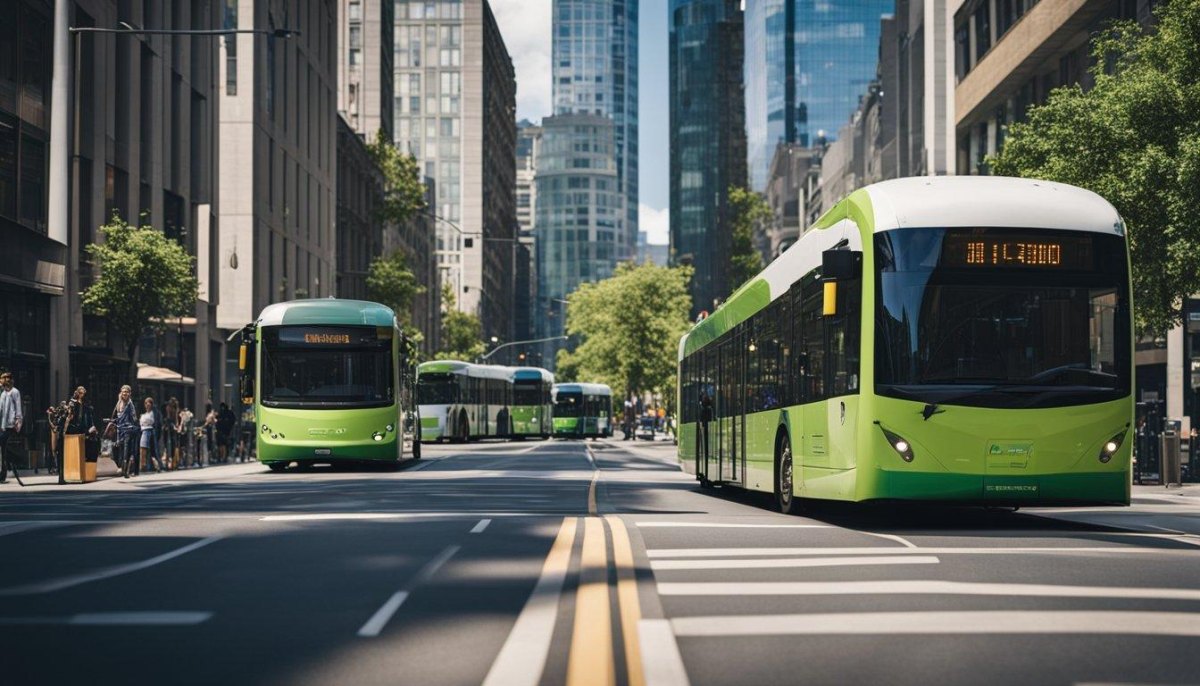
I do not choose buses only because they are practical, but they can be an efficient way to share transport with other passengers. For many routes, replacing several separate car journeys with one coach trip changes the resource use of the journey.
1
Shared vehicle journeys can move many travellers at once, reducing the number of individual trips needed.
Sustainability is not the only reason I take buses. Sometimes the deciding factor is simply that I arrive without the stress of driving unfamiliar roads.