Future bus mobility is moving far beyond simply replacing old vehicles with newer ones. I have watched transport systems change from the inside during my years in service planning, and the biggest shifts are happening in how buses are powered, connected, and integrated into everyday journeys.
From quieter electric fleets to demand-based services that respond to real passenger needs, the next generation of buses is focused on making public transport more practical. Here are the developments I find most interesting and the ones that will affect how we move around cities.
What is changing in bus mobility
- Electric and alternative-energy buses are reducing emissions.
- AI and connected systems are improving reliability and passenger information.
- Flexible services are changing how people access public transport.
- Better design is making buses easier for more travellers to use.
Electric Buses: The Foundation of Future Urban Mobility
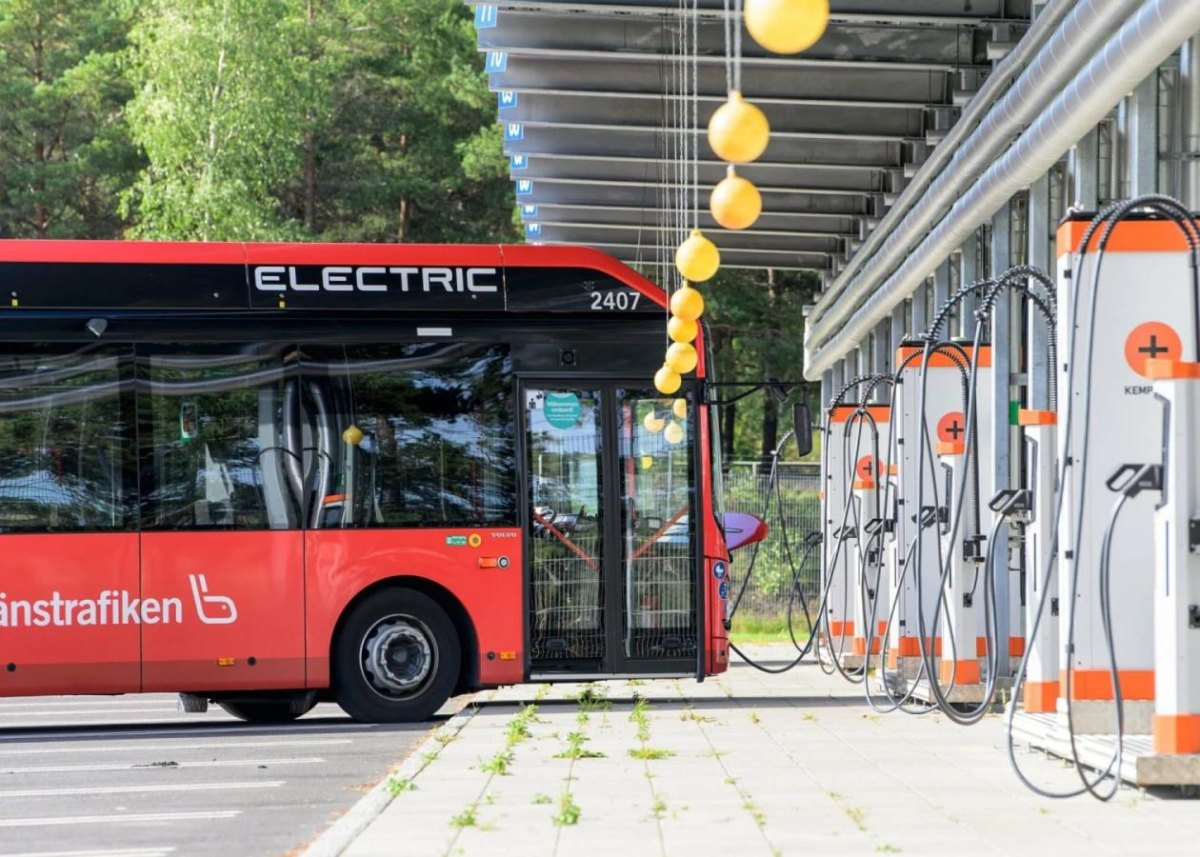
Electric buses are probably the most visible change travellers will notice first. I have ridden electric fleets in several cities, and the difference is immediate: less engine noise, smoother acceleration, and a much calmer ride through busy streets.
The practical challenge is not the bus itself. It is the supporting system. Operators need charging locations, maintenance plans, and schedules that match battery ranges. A bus that works beautifully on a short city route may need a different approach on a long suburban run.
A traveler's tip
When using a new electric bus network, check whether payment and route information are available before arriving. The technology may be new, but the usual travel rule still applies: know where you are going.
Autonomous Buses and Intelligent Transportation Systems
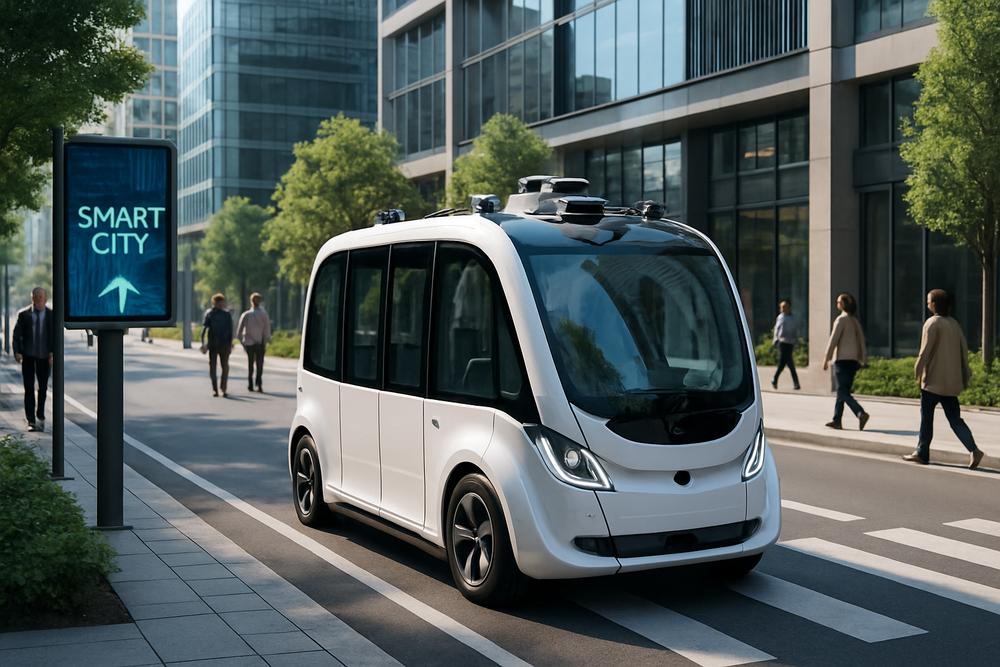
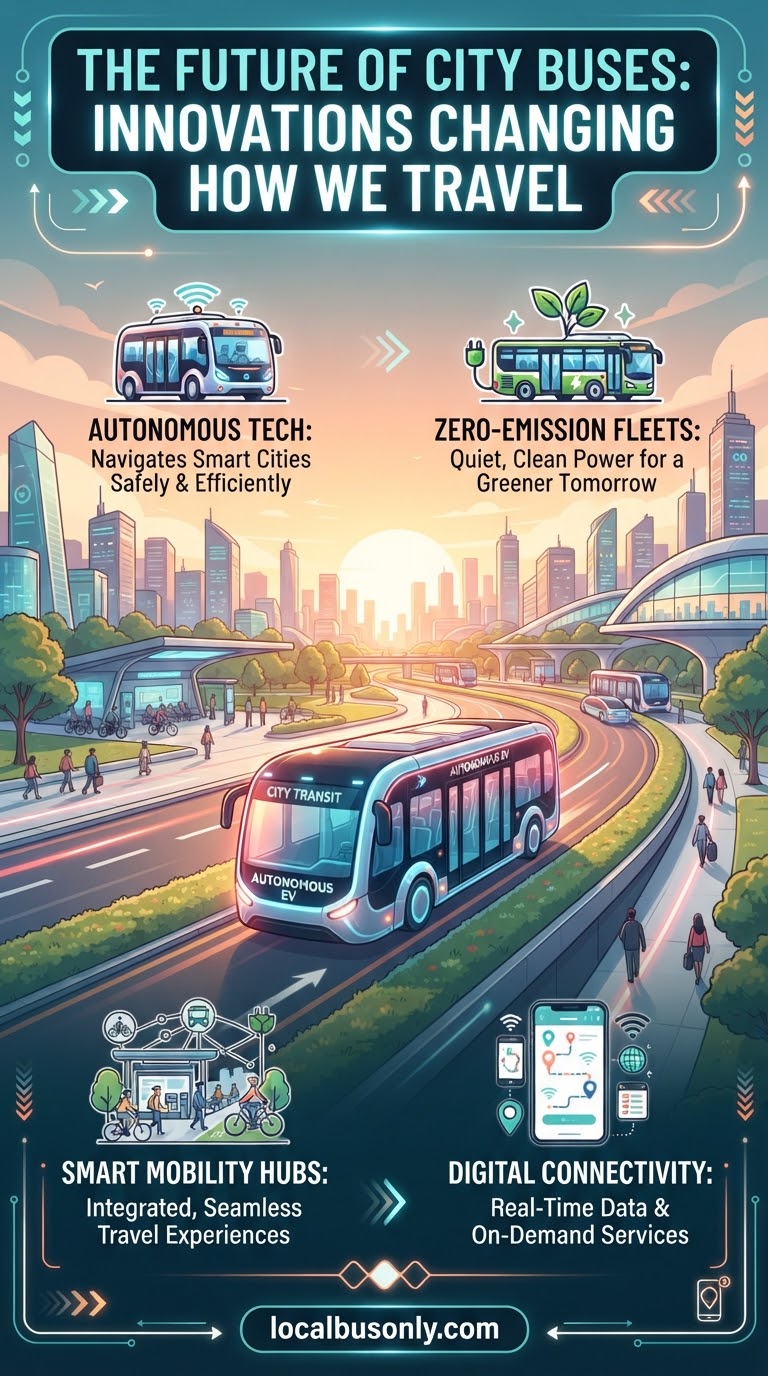
Autonomous buses attract plenty of attention, but I think the useful conversation is less about futuristic vehicles and more about reliability. Intelligent systems can help buses avoid delays, improve safety features, and operate more efficiently.
Small autonomous shuttles are already appearing in trials and limited routes. They are not replacing full city bus networks overnight. The real progress is likely to come gradually, with automation assisting drivers and improving operations before complete driverless services become common.
Sustainable Energy Solutions for Bus Fleets
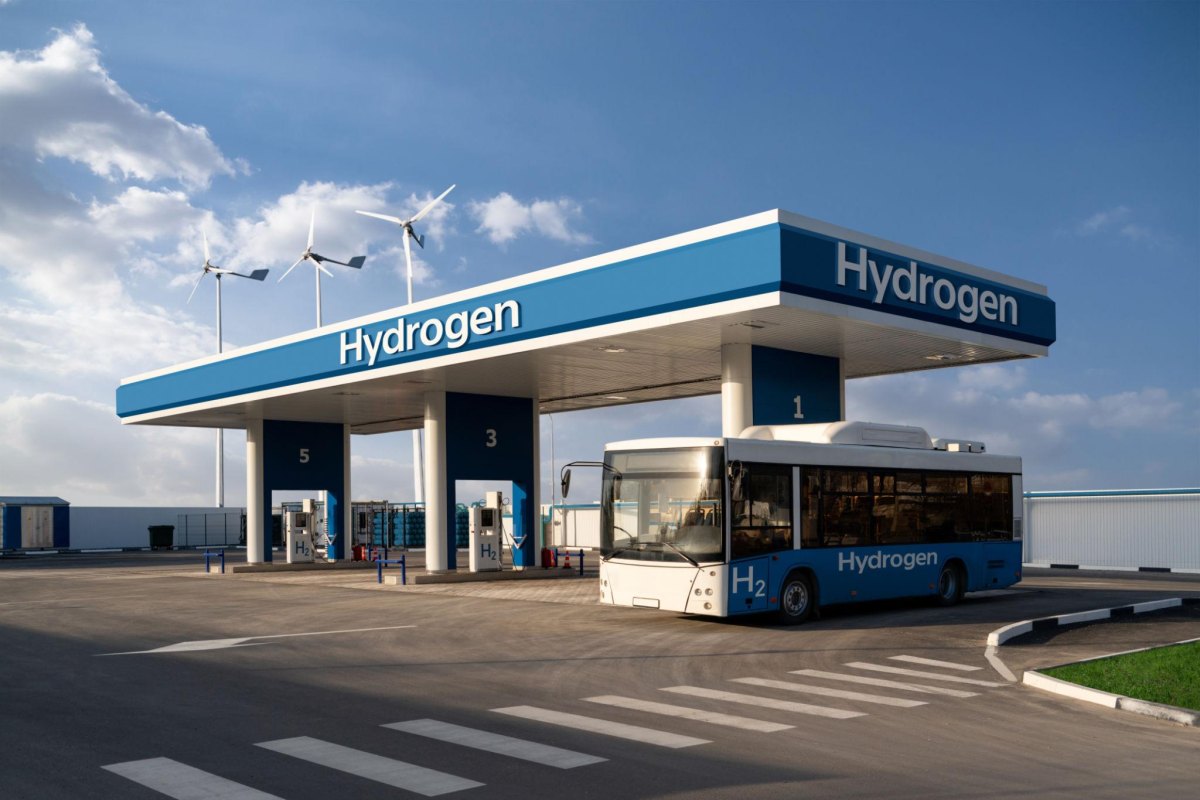
Electric power is not the only route toward cleaner buses. Hydrogen fuel cells and other energy solutions are being explored, especially where operators need longer ranges or faster refuelling options.
I have learned from planning work that one solution rarely fits every route. A dense urban route, a rural service, and an airport connection all have different requirements. Future fleets will likely use a mix of technologies rather than a single replacement for every diesel bus.
Smart Bus Networks Powered by Data and AI
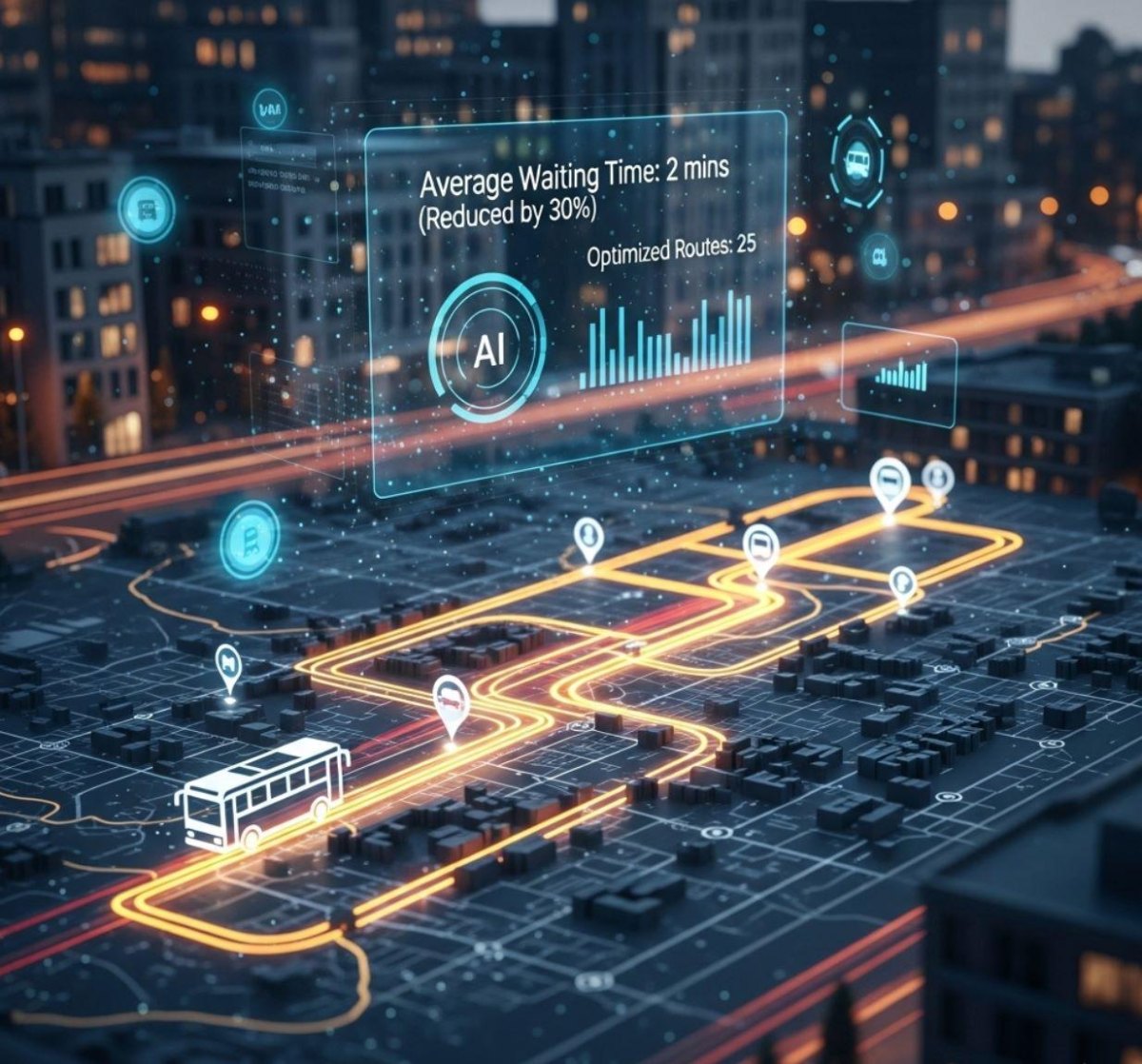
Good bus service has always depended on information. The difference now is the amount of data available. AI tools can help predict congestion, adjust operations, and identify where passengers need better service.
For travellers, the benefit is simple: fewer surprises. A reliable arrival prediction or a quicker response to delays can make the difference between a pleasant journey and a frustrating one.
Connected Buses and Real-Time Passenger Services
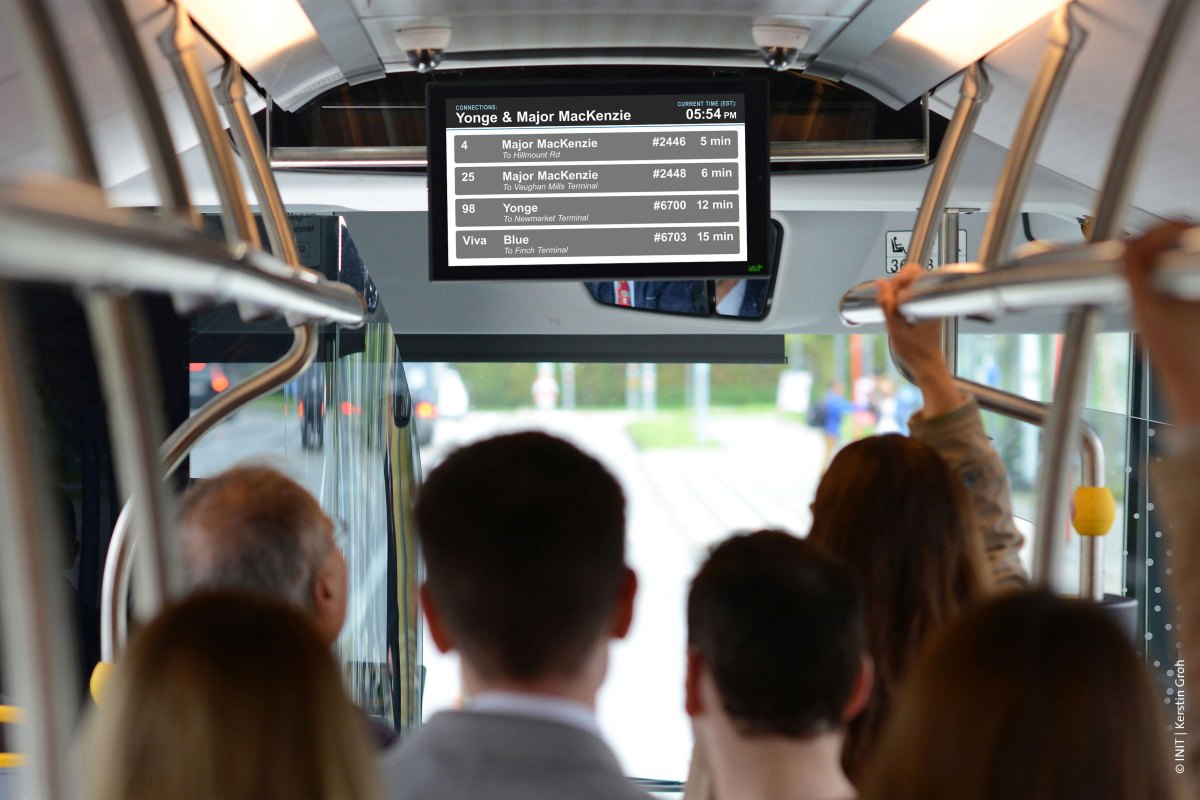
Connected buses are making everyday travel easier. Real-time displays, mobile ticketing, and onboard information systems remove some of the small obstacles that make unfamiliar journeys stressful.
I still believe a printed timetable has its place, especially when travelling somewhere new, but digital tools are excellent when they work properly. The best systems give passengers more choices without making basic travel impossible for people who prefer simple information.
On-Demand Bus Services and Flexible Mobility
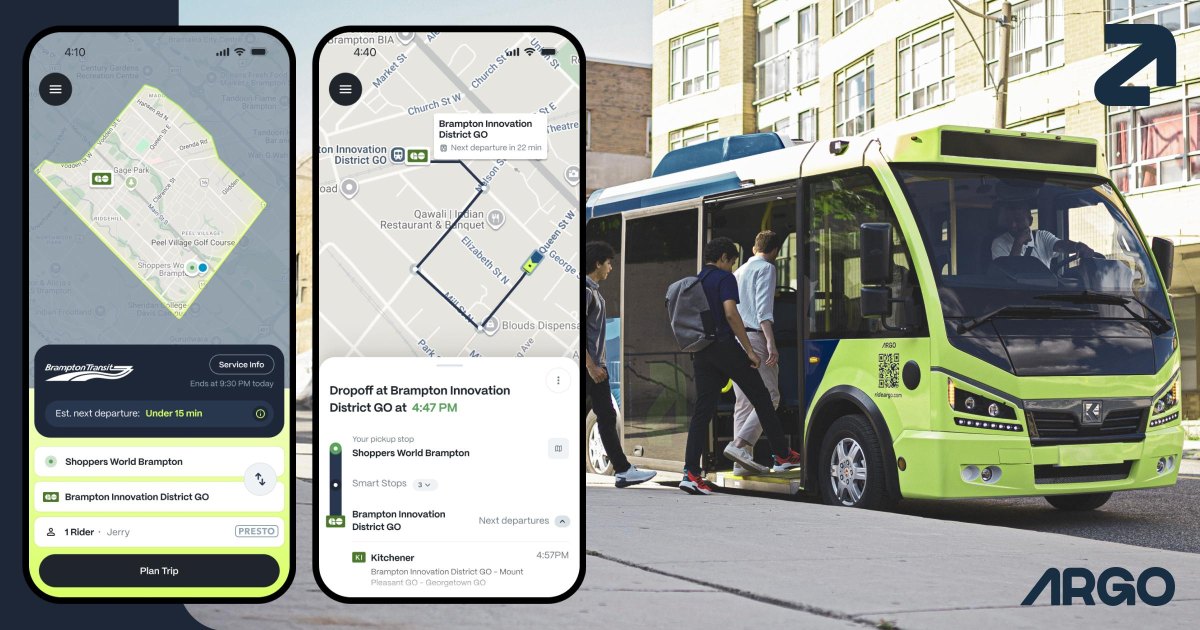
Traditional fixed routes are not always the best answer, especially in areas with fewer passengers. On-demand bus services use booking systems to adjust routes based on where people actually need to travel.
I have seen this approach work well in places where a full-size bus running every hour would carry only a handful of passengers. The trade-off is that riders need to plan slightly differently, often booking through an app or phone service.
Green Infrastructure for Future Bus Operations
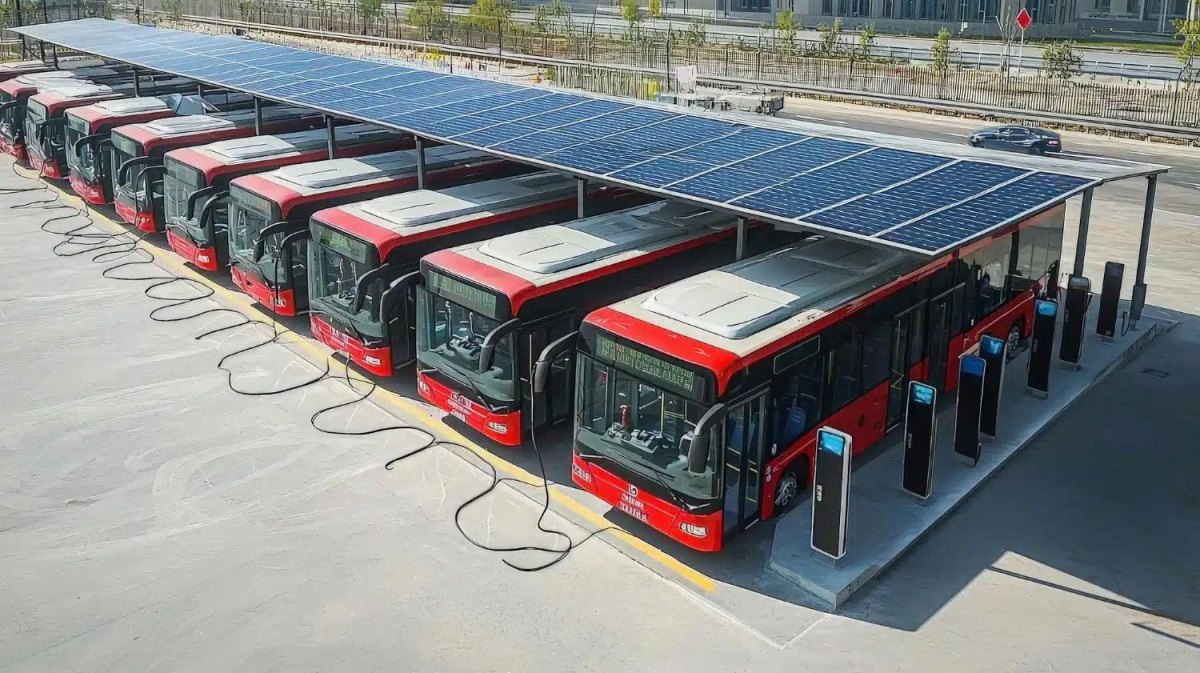
The future bus depot is becoming just as important as the bus itself. Charging equipment, renewable energy systems, maintenance technology, and efficient buildings all affect how sustainable a fleet can become.
It is easy to focus only on the vehicle, but transport systems are networks. A cleaner bus still needs a well-designed place to operate from.
Inclusive Bus Design for Accessible Mobility
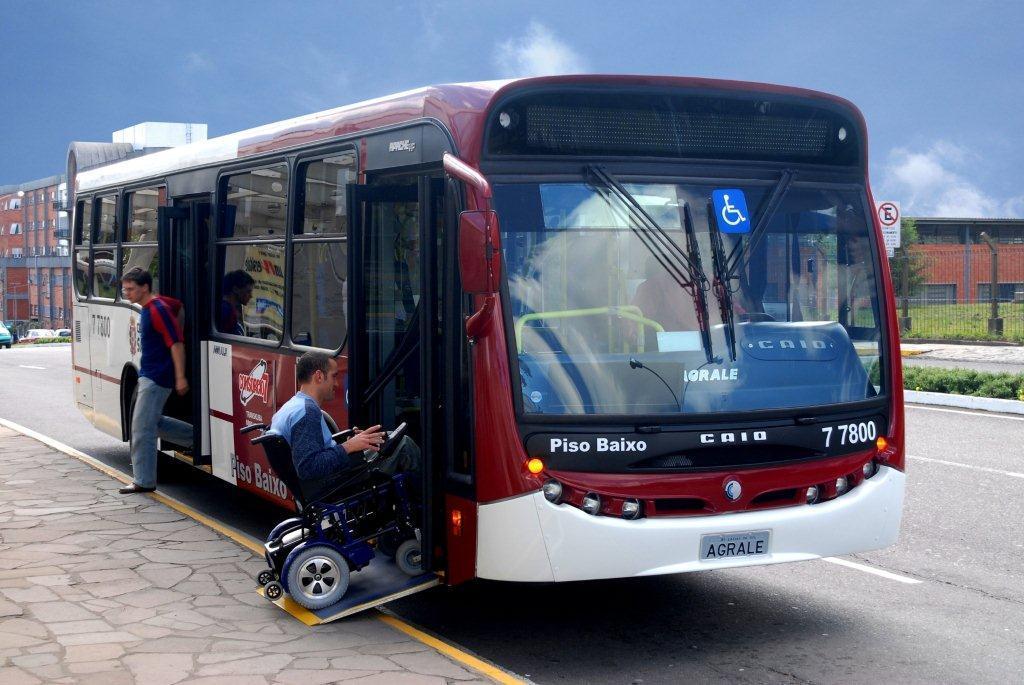
A future bus system has to work for more than the average commuter. Low floors, clear spaces, better signage, and easier boarding make a major difference for passengers with mobility needs, luggage, or small children.
I always notice accessibility details when I travel because small design choices can determine whether a journey feels straightforward or exhausting. Good design benefits everyone, not just the people it was originally created for.
Integrating Buses with Multimodal Urban Transport
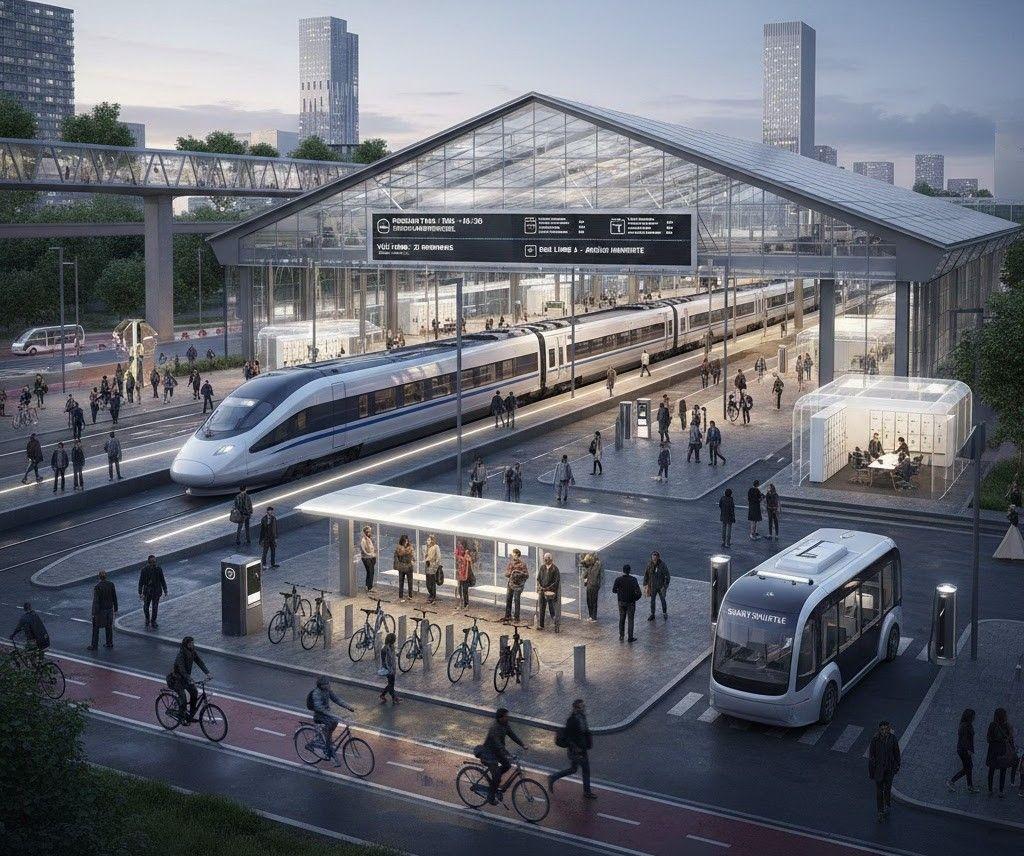
Buses will remain important because they connect the gaps. A train station may move thousands of people efficiently, but buses often provide the first and last part of the journey.
The strongest transport networks combine buses with trains, cycling, walking, and shared mobility options. When transfers are simple and information is clear, travellers spend less time worrying about logistics.
The Role of Buses in Climate-Friendly Cities of Tomorrow
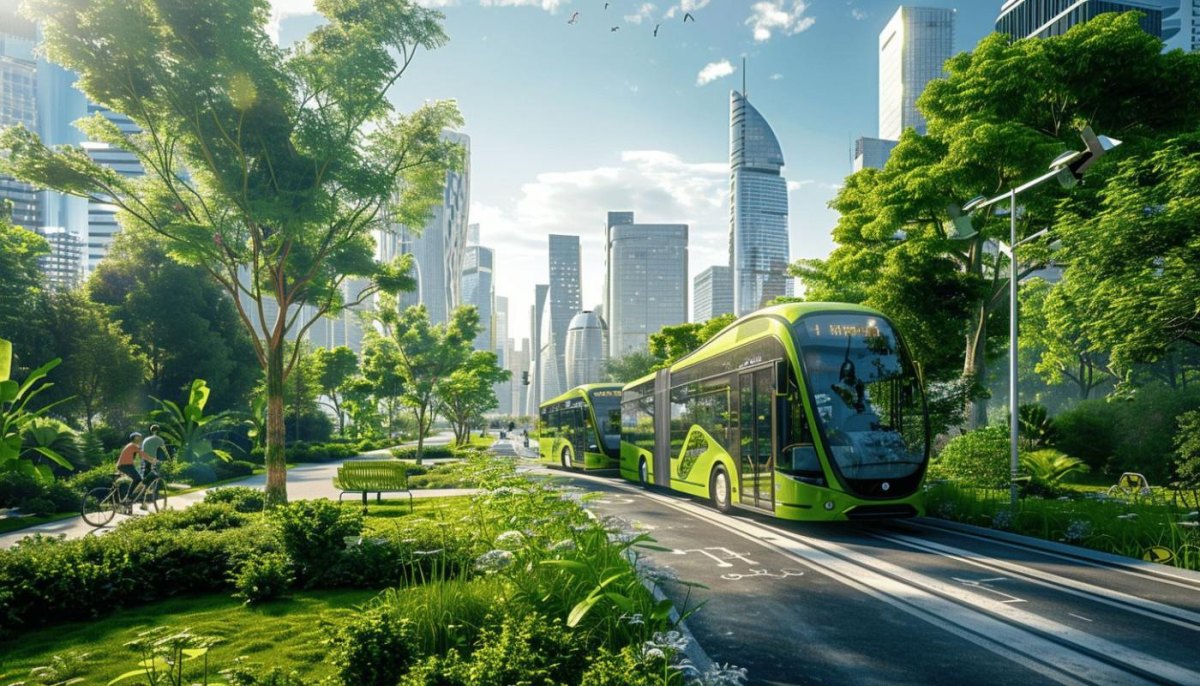
Buses are likely to remain one of the most practical tools for creating more sustainable cities. They can move many people using less space than private cars, while new technology makes them cleaner and easier to use.
The part I find most encouraging is that future bus mobility is not only about impressive machines. It is about making everyday journeys work better: arriving on time, paying easily, finding information quickly, and giving more people a realistic way to get around.
Are electric buses the future of public transport?
Electric buses are a major part of future mobility, although different regions may use a combination of technologies depending on their needs.
Will autonomous buses replace drivers?
Automation is developing, but widespread driverless bus networks depend on technology, regulations, and operational decisions.
Why are connected buses useful?
Connected systems help provide better passenger information, improve operations, and make journeys easier to plan.