Using the bus every day becomes much easier when the small details are sorted: knowing your route, paying correctly, and leaving enough time for the unexpected. I have spent years reading timetables and testing transport systems, and the biggest lesson is simple: good preparation beats rushing.
This guide covers the practical side of bus travel, from the first morning commute to building a routine that works. I focus on the things that save time, reduce confusion, and make ordinary journeys smoother.
Taking the Bus for Daily Commuting

What makes a daily bus commute work
- Check your normal departure times before relying on the route.
- Build a small buffer because traffic affects many urban services.
- Keep your payment method ready before boarding.
A daily bus routine is mostly about consistency. I find the best commuters are not the ones who sprint onto the bus at the last second; they are the ones who know their usual journey pattern and leave a few spare minutes.
Modern transit systems increasingly provide live arrival information through apps and digital tools, helping riders adjust when services change. I still check the basics myself because a phone battery or signal problem can turn a simple trip into a puzzle.
Planning Bus Routes and Schedules
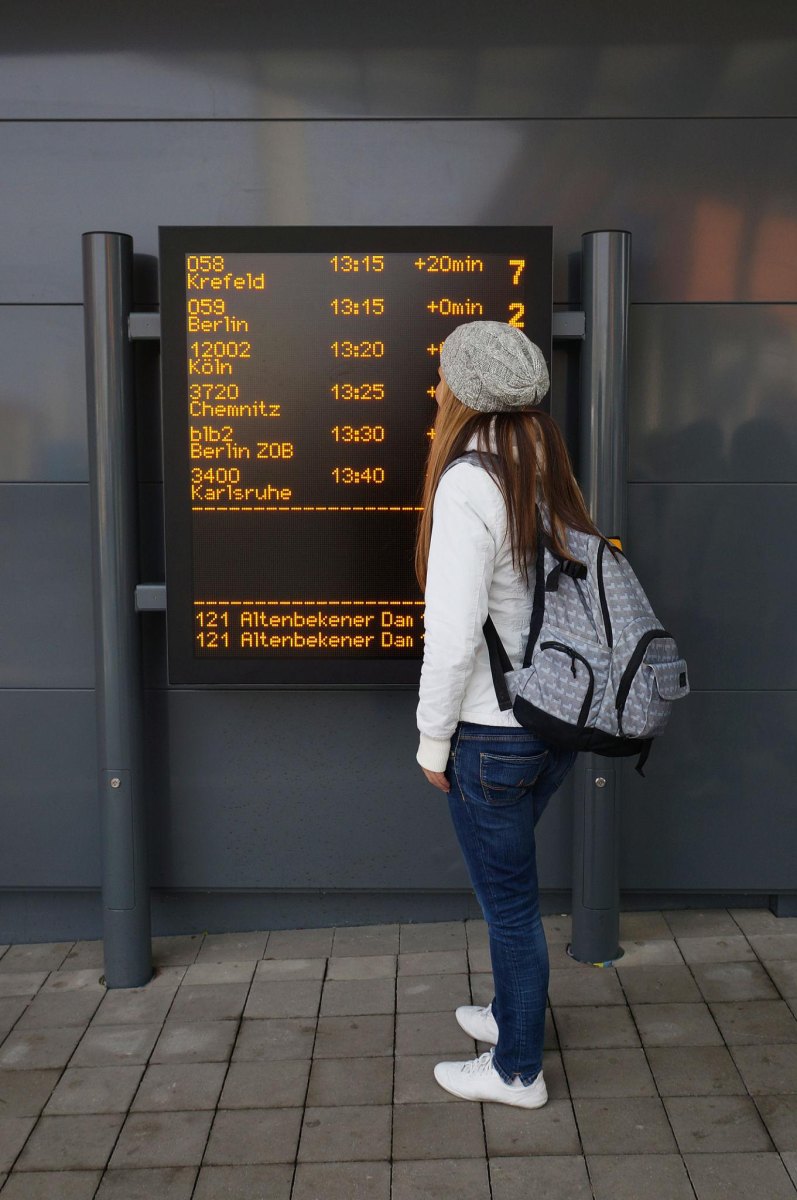
Route planning is where a little attention pays off. Before I take a bus in a new place, I check the route number, direction, stop name, and the last service of the day. The final departure time matters more than the first bus in many situations.
- Check. Look at the official operator information and confirm the route.
- Compare. Consider transfers, walking time, and realistic waiting time.
- Save. Keep the route details available offline if possible.
Journey-planning apps can combine timetables, maps, and live arrivals, but I always compare important trips with the transport operator because schedules can change.
Buying Tickets and Using Public Transport Cards
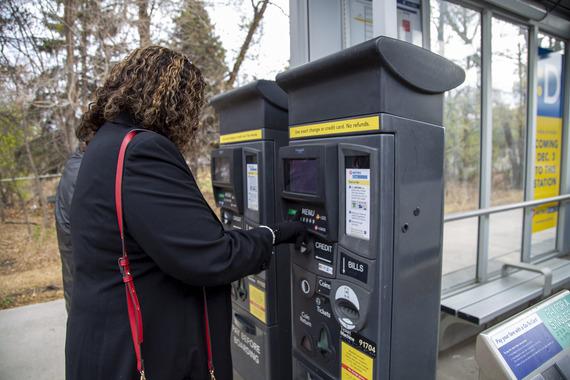
Payment is the part of bus travel where visitors most often get stuck. Every city has its own system, so I check whether I need cash, a reloadable card, or contactless payment before my first ride. The right fare option can save both time and money.
| Payment method | Useful for |
|---|---|
| Transit card | Frequent daily riders |
| Contactless bank card | Simple occasional trips where supported |
| Mobile wallet | Systems that accept digital payments |
Many transport networks now support contactless options, although acceptance varies by location. Some systems allow bank cards or mobile wallets directly at fare readers. I never recommend boarding without a valid ticket because fare rules are local and enforcement is part of using public transport responsibly.
Waiting at Bus Stops Safely
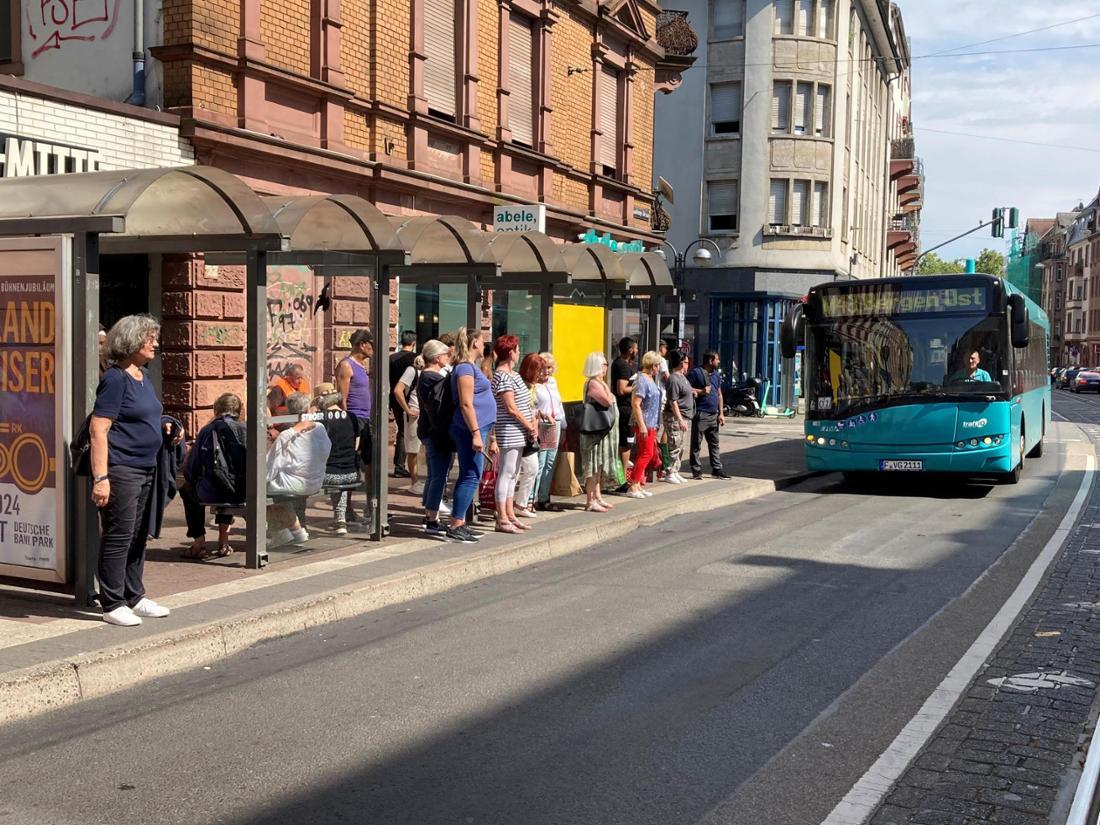
A bus trip starts before the bus arrives. I pay attention to where I stand, whether the stop is clearly marked, and whether I have enough room to board without blocking others. A comfortable waiting area makes a noticeable difference.
My practical tip
Arrive a few minutes early, keep your bags close, and stand where the driver can clearly see waiting passengers.
Good bus stops are designed with waiting space, visibility, and accessibility in mind. Guidance from transport organisations highlights the importance of clear boarding areas, safe pedestrian movement, and suitable lighting.
Bus Etiquette and Sharing Space with Others
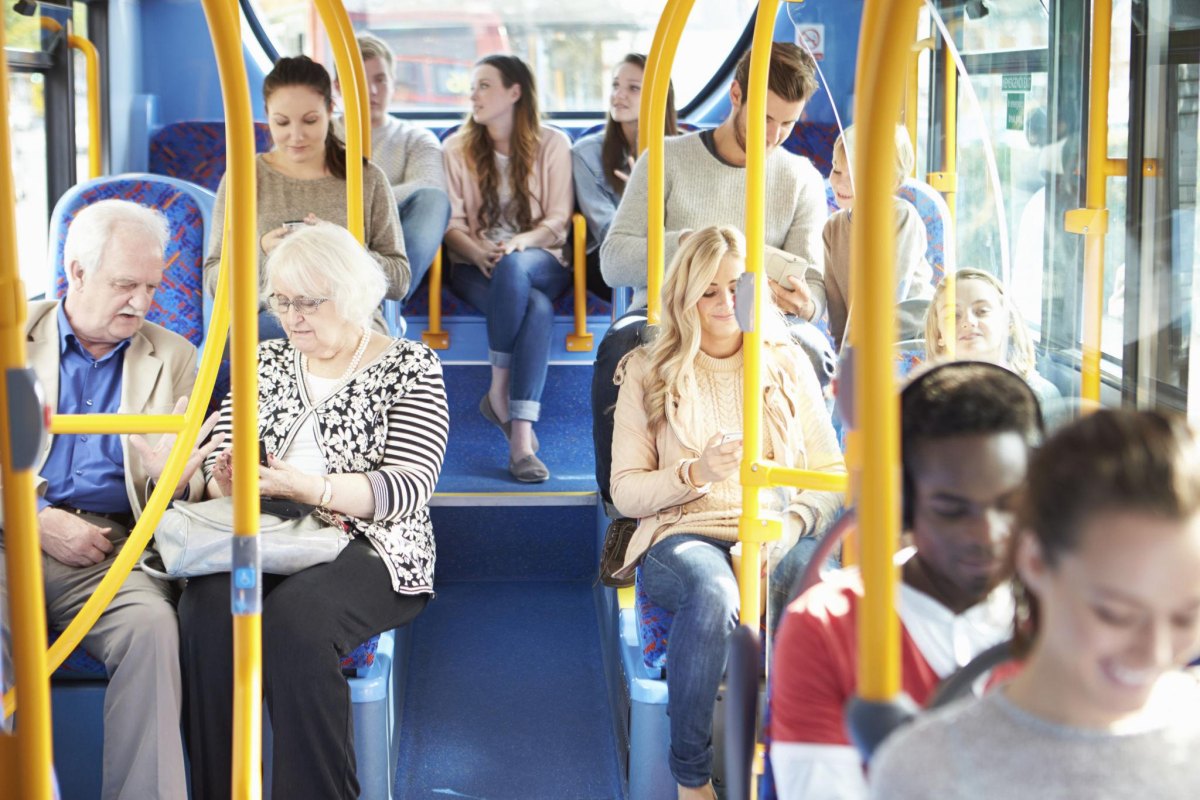
A bus is shared space, and small habits make the ride better for everyone. I think of it as basic travel manners: move inside, keep noise reasonable, and make room when someone needs assistance. Simple courtesy prevents most problems.
- Let passengers leave before boarding.
- Keep bags off seats during busy periods.
- Offer priority spaces when they are needed.
I have spent enough time on crowded routes to know that nobody enjoys unnecessary friction. A calm boarding process helps the whole vehicle move faster.
Accessibility and Comfort on Buses
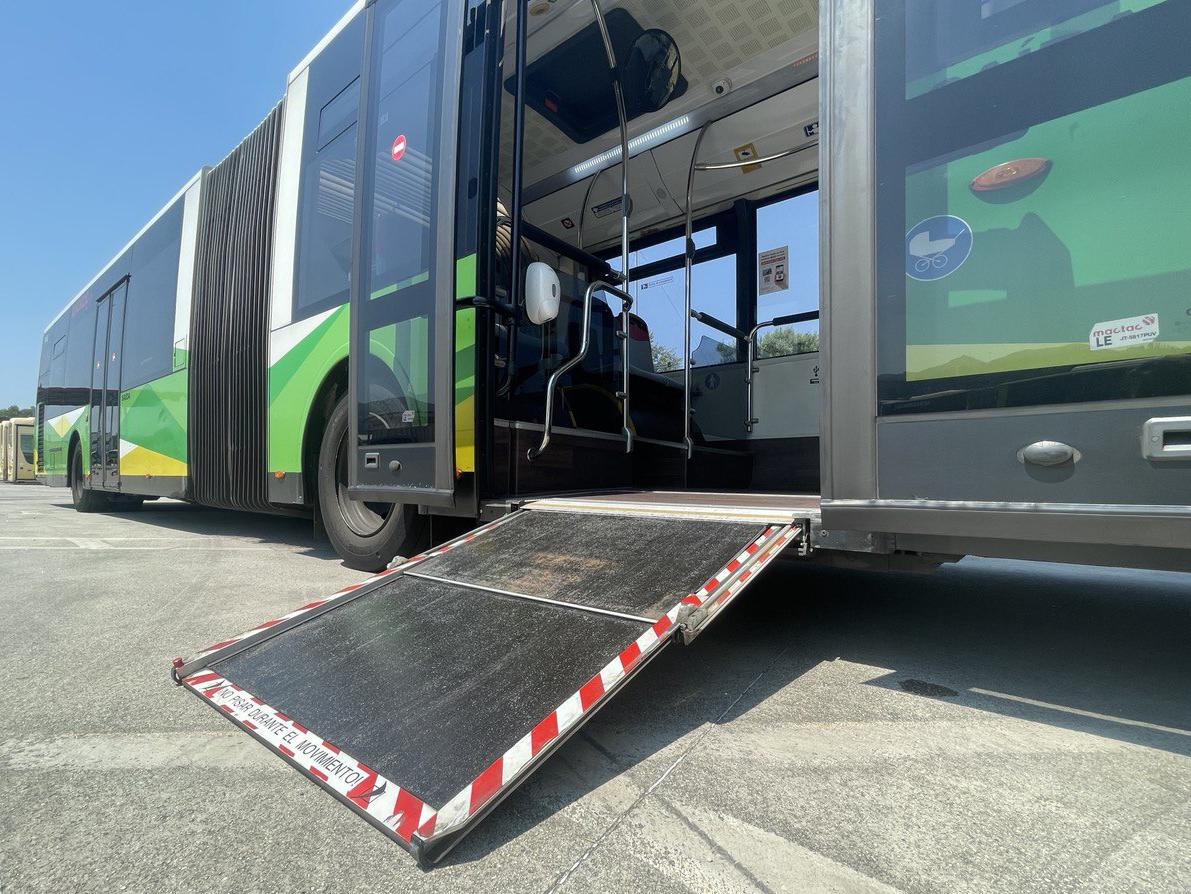
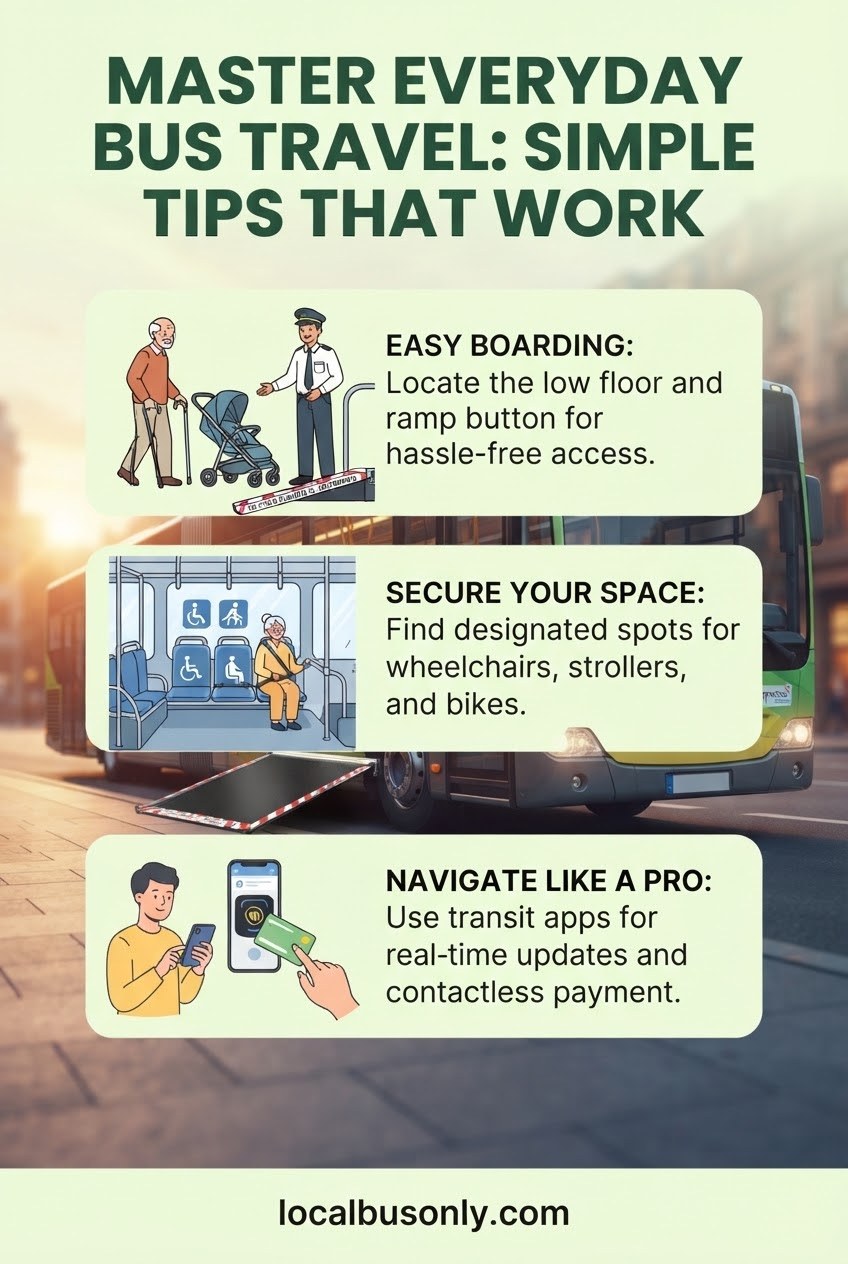
Comfort is not only about soft seats. It is about whether people can actually use the service. Low-floor vehicles, clear boarding areas, and enough space for mobility devices can change a journey completely. Accessible design benefits many riders, not only those who use wheelchairs.
What I look for
I notice step height, boarding gaps, priority seating, and whether information is easy to understand. I report what I observe on trips, not as an accessibility audit.
Transport design guidance commonly focuses on step-free access, clear paths, and suitable boarding areas for passengers with different mobility needs.
Using Bus Travel to Reduce Traffic and Emissions
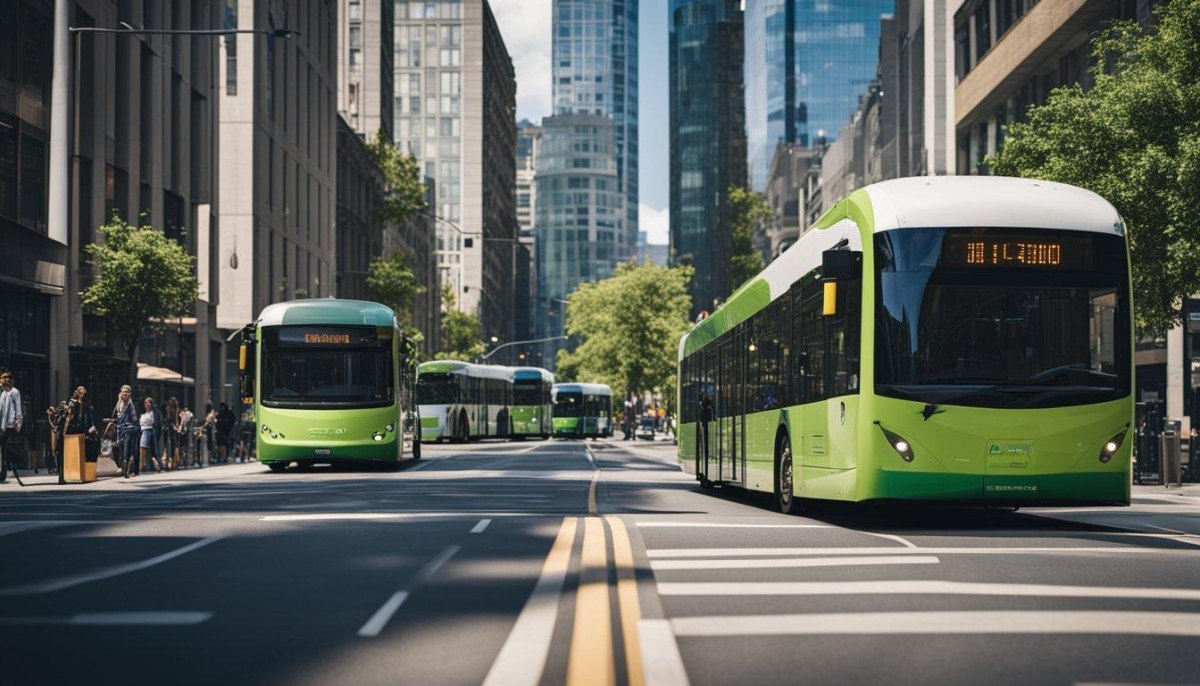
Choosing a bus instead of a private car can change how a city moves. One person leaving a car at home does not transform traffic overnight, but many people making that choice can reduce pressure on roads. The shared journey model is the main advantage.
Benefits
- Less demand for road space.
- Potentially lower emissions per passenger.
- More efficient movement in dense areas.
Trade-offs
- Travel times can vary with traffic.
- Routes may not reach every destination directly.
I like buses because they make practical sense for many everyday trips, but they are not magic. The best option depends on the route, timing, and local network.
Making Bus Travel Part of a Sustainable Lifestyle
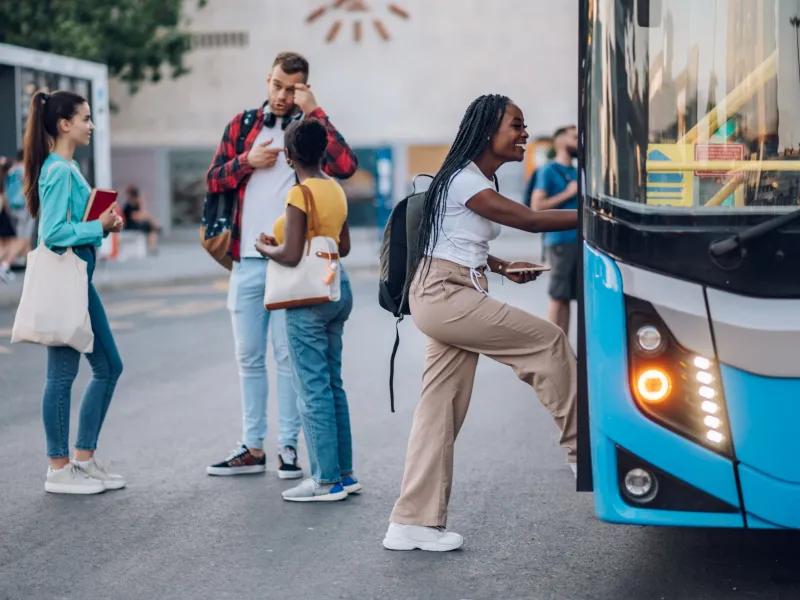
Making buses part of daily life is less about making a statement and more about building a reliable habit. Once you know your routes and payment system, the process becomes ordinary. That is the point: transport that feels normal is transport people keep using.
- Start small: Try one regular journey by bus before changing your whole routine.
- Learn locally: Understand the rules and tools of your own transit network.
- Stay flexible: Keep alternatives for unusual days or service changes.
I have learned from many transport systems that confidence comes from knowing the details. A bus does not need to be an adventure every morning; it just needs to get you where you need to go.