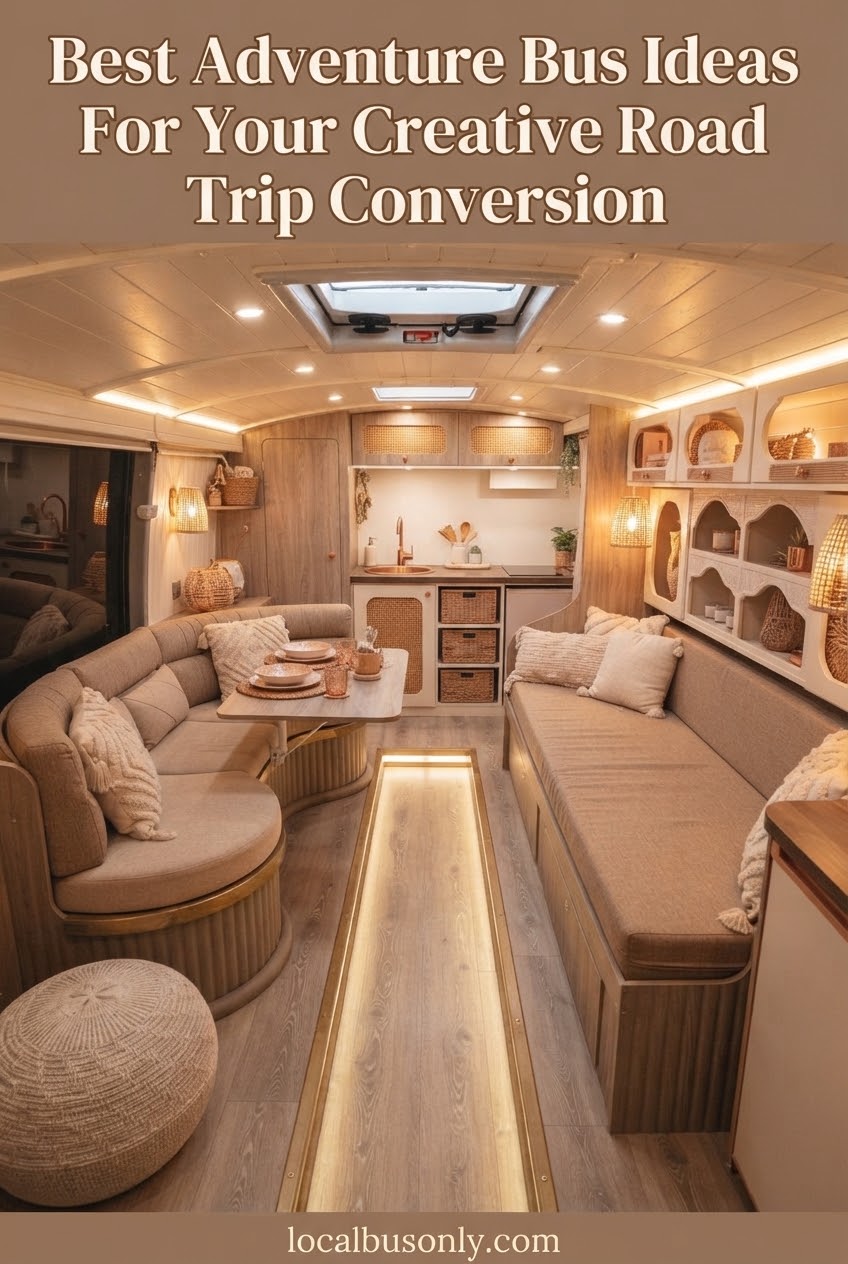
When I look at a bus conversion, I am less interested in the shiny reveal and more interested in whether the layout will still work after a muddy weekend. These adventure bus ideas are built around real travel needs: storage, comfort, weather, and the occasional thing going wrong.
I have collected these designs as inspiration for travellers who want a bus that does more than sit in a campsite. A good conversion should match the places you actually plan to visit, not just look impressive in a photograph.
What I focus on in adventure bus designs
- Practical layouts that support longer trips
- Storage solutions for outdoor equipment
- Comfort features worth the extra effort
Off-Road Expedition Bus
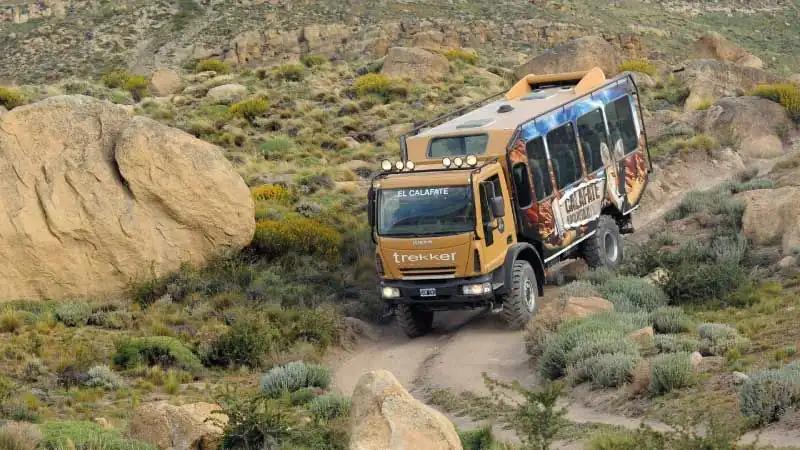
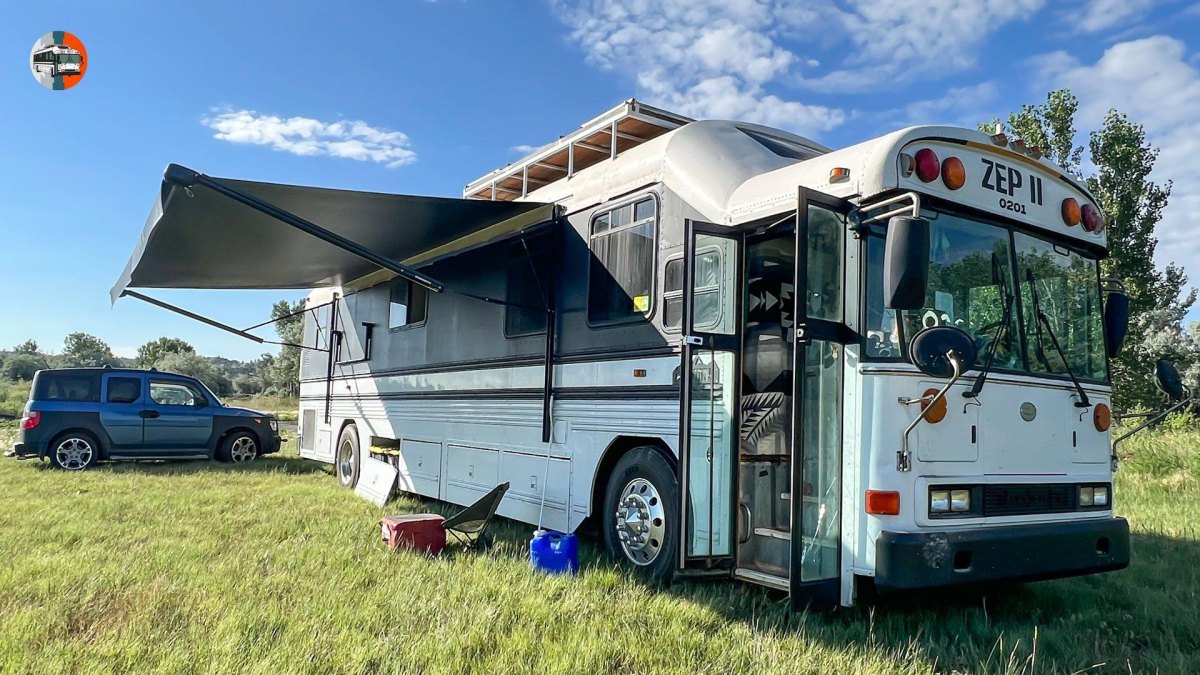
An off-road expedition bus is designed for travellers who want fewer paved roads and more remote campsites. I like builds that prioritise ground clearance and durability before adding decorative extras. Modern adventure vehicles often combine off-grid systems with rugged platforms for extended travel.
The details I would copy are exterior storage, tough tyres, protected water tanks, and a simple interior that can handle dust. Reliable systems matter more than a perfect finish when the nearest repair shop is hours away.
Beach Explorer Bus
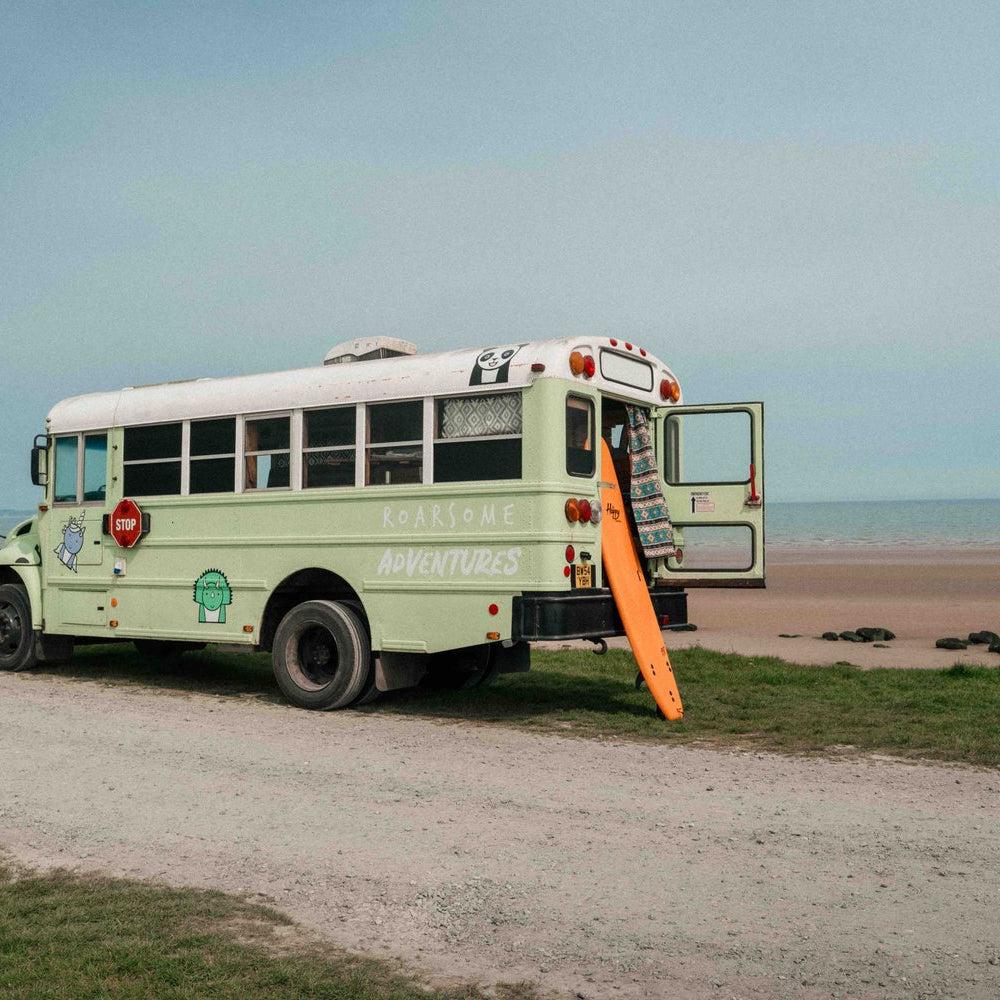
A beach explorer bus needs a different setup. Sand gets everywhere, so I prefer easy-clean interiors, outdoor showers, and dedicated places for wet gear. Surf-focused camper designs commonly add flexible storage and sleeping solutions for coastal trips.
I would add racks for boards, shade outside the bus, and ventilation that can cope with warm afternoons. The best beach conversion feels like a base camp, not a tiny apartment filled with sand.
My beach bus tip
Keep towels, shoes, and water gear away from the main living area. Future you will appreciate this.
Wilderness Camping Bus
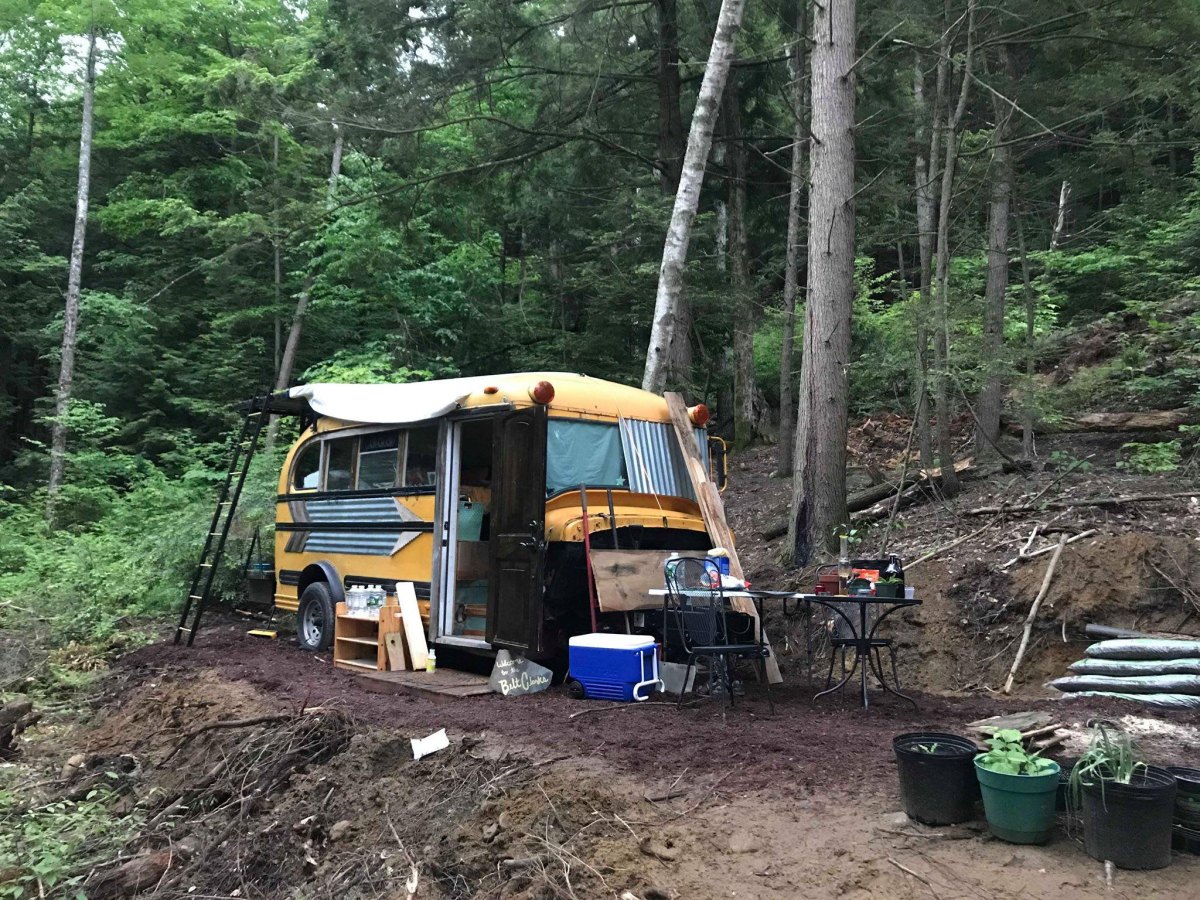
A wilderness camping bus is where thoughtful planning really pays off. I prefer self-sufficient layouts with solar power, food storage, and comfortable sleeping areas because remote camping rarely comes with convenient facilities.
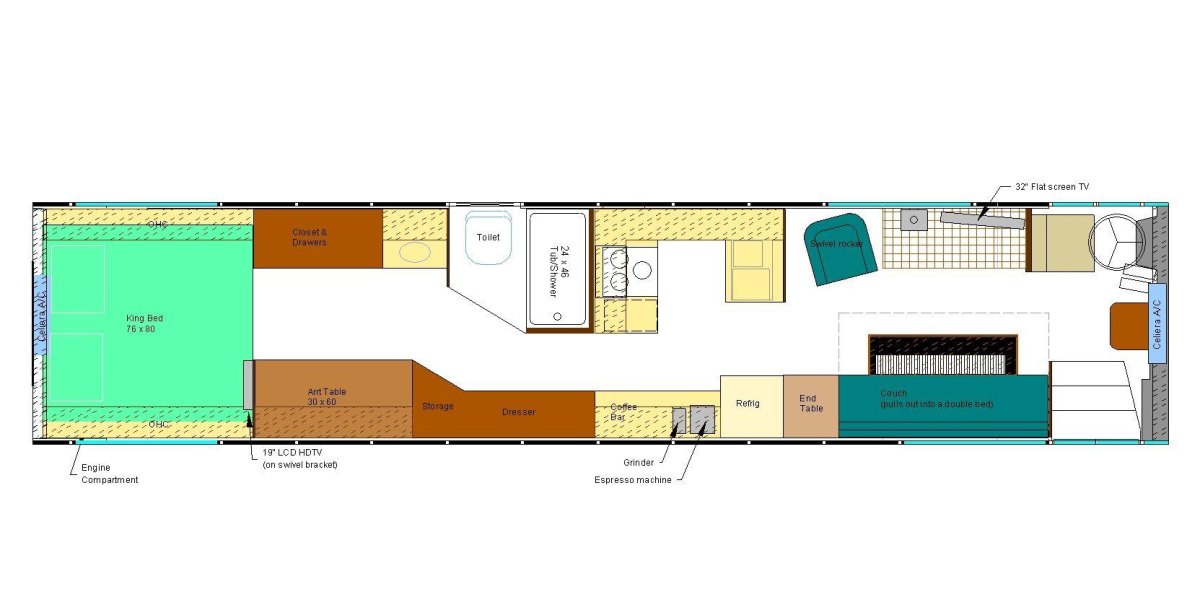
Converted buses and skoolies are popular because they provide room for custom kitchens, larger water systems, and personal layouts. My own rule is simple: every item needs a home before the first trip begins.
Mobile Adventure Gear Bus
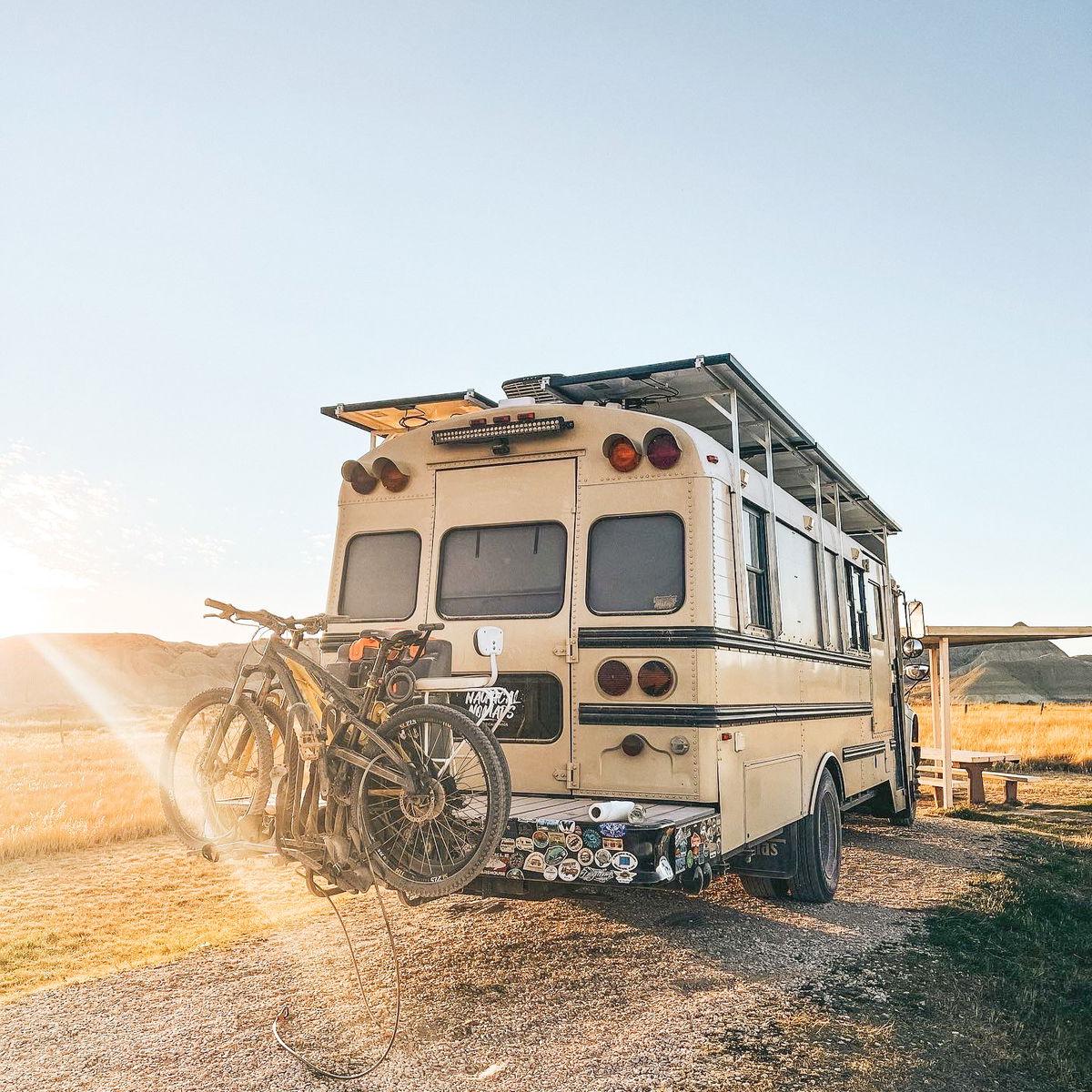
The mobile adventure gear bus is for people who carry hobbies with them. I have seen the difference a proper gear area makes; organised equipment storage saves time every morning.
Bike mounts, kayak storage, climbing equipment drawers, and outdoor repair kits can transform a bus into a true adventure base. I would measure every piece of equipment before building cabinets.
Mountain Road Adventure Bus
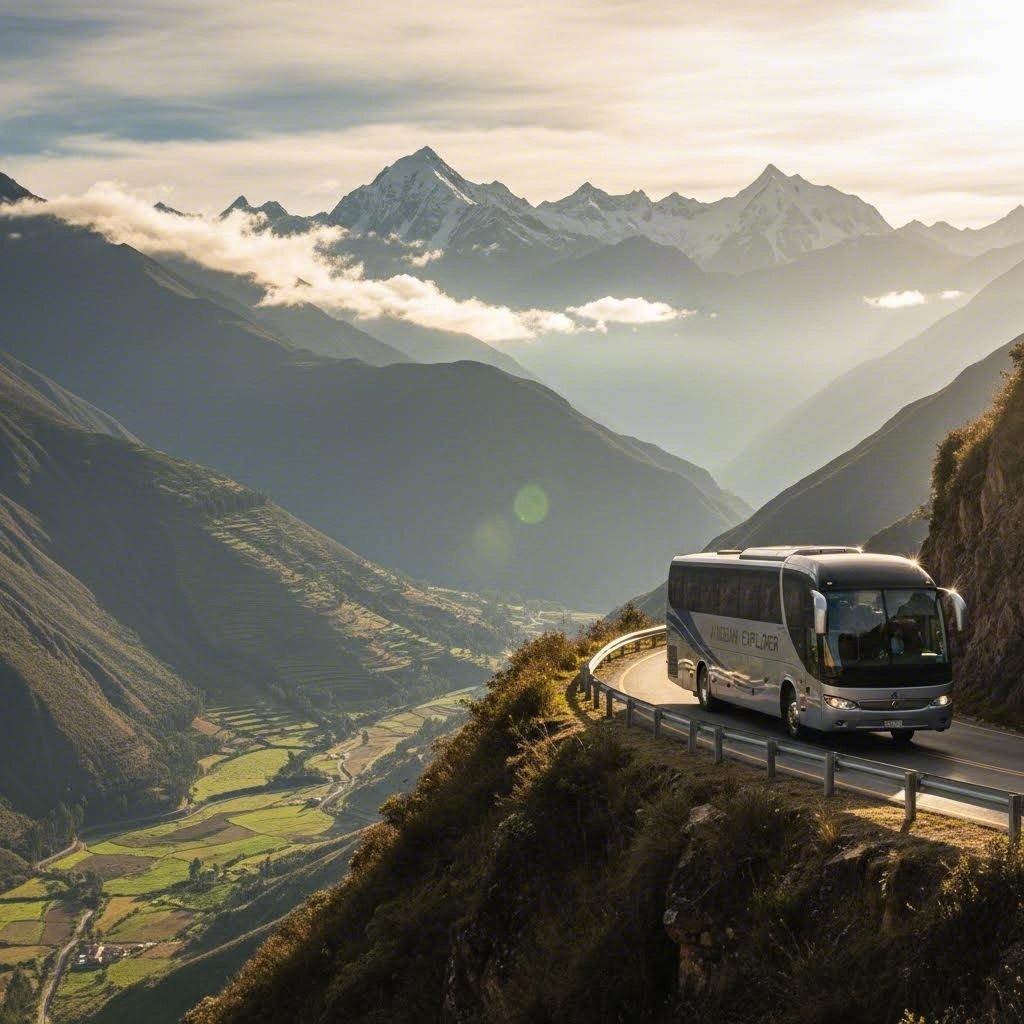
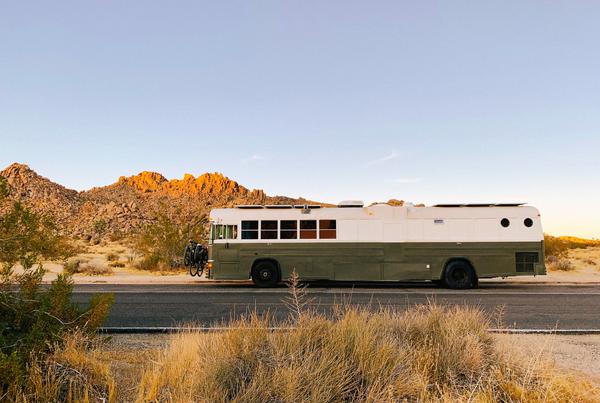
Mountain travel rewards careful design. A mountain road adventure bus needs balanced weight distribution, good visibility, and enough heating for cold evenings.
I admire compact builds here because they are easier to place on narrow roads. Some luxury adventure manufacturers now focus on four-season capability and off-grid travel for mountain destinations.
What I like
- Better access to remote viewpoints
- Strong connection with the outdoors
What to consider
- Weather can change quickly
- Maintenance access may be limited
Luxury Adventure Travel Bus
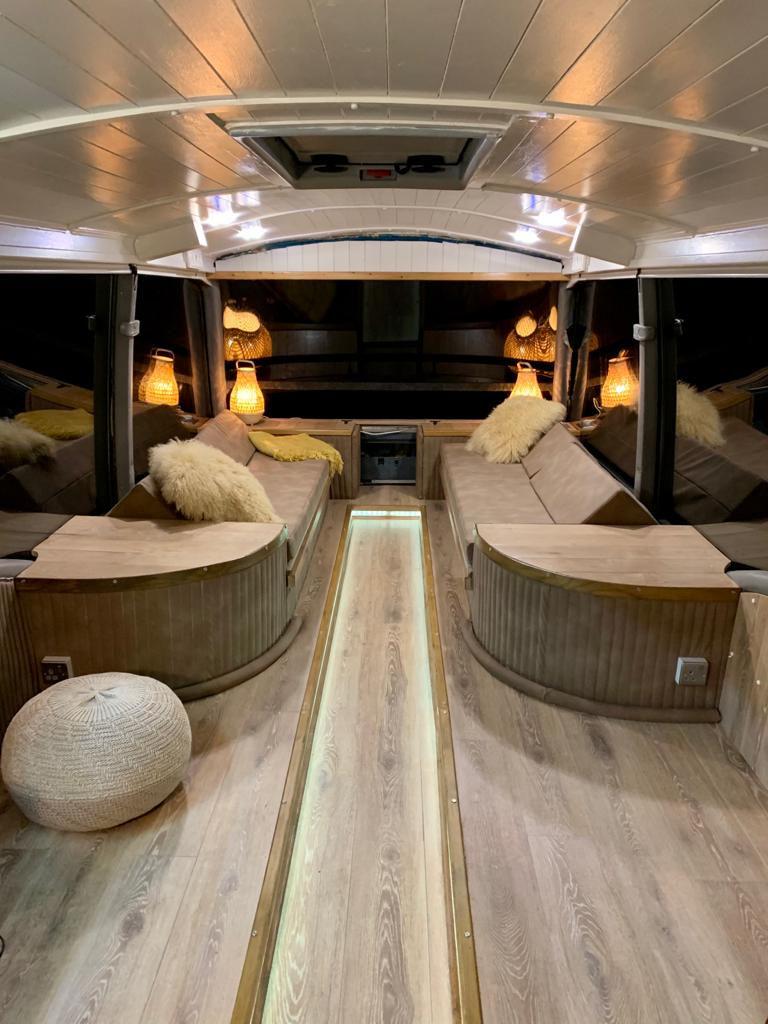
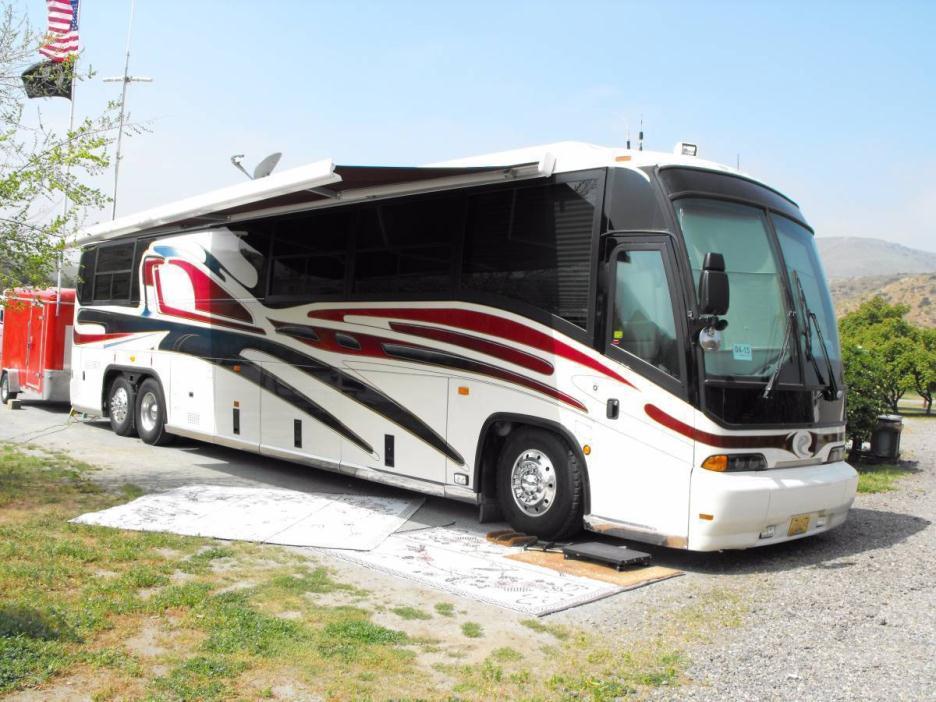
A luxury adventure bus combines long-distance travel with home comforts. The best examples do not just add expensive materials; they create smart living spaces with useful kitchens, storage, and comfortable sleeping areas. Premium conversions often highlight four-season construction and remote travel capability.
I would spend money on insulation, seats, and reliable systems before choosing fancy finishes. A beautiful bus that is uncomfortable after three days is not a successful conversion.
| Feature | Why it matters |
|---|---|
| Insulation | Keeps temperatures manageable |
| Storage | Reduces daily clutter |
Family Adventure Bus
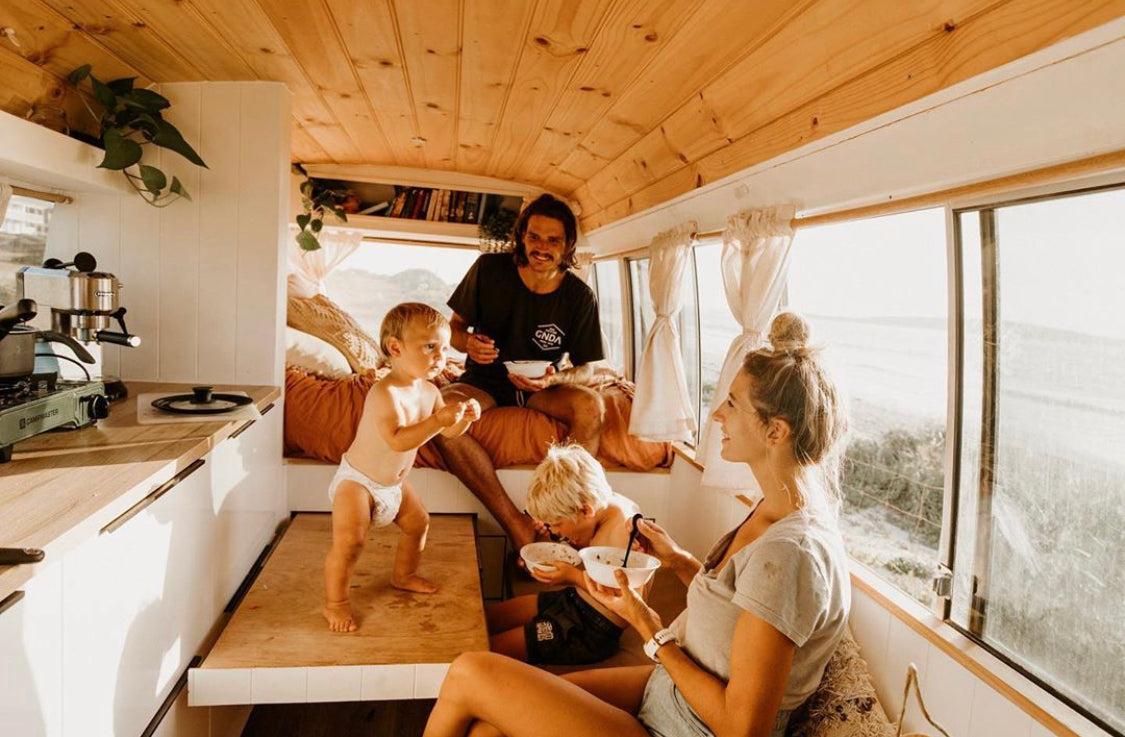
A family adventure bus has to survive more than beautiful sunsets. I look for flexible sleeping arrangements, safe storage, and spaces where everyone can sit comfortably during bad weather.
For families, the little details matter: charging points, easy-clean surfaces, and places for books or games. A practical layout usually beats a larger but awkward one.
Family design detail
I would include a dedicated place for muddy shoes and outdoor clothing before adding another decorative feature.
Remote Work Adventure Bus
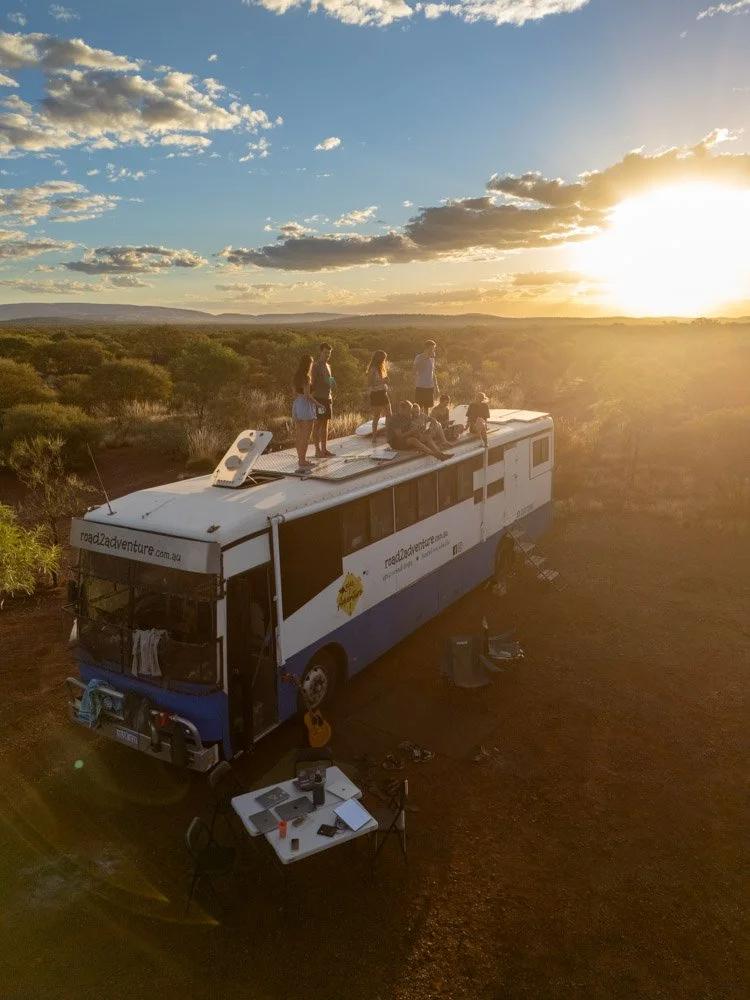
The remote work adventure bus has become popular because people want to combine travel and employment. I focus on connectivity and comfort: a proper desk, power management, and a chair that does not punish your back.
Modern adventure vans increasingly include mobile work setups and connectivity features designed for working away from cities. The glamorous part is the view outside; the important part is being able to finish your work.
24/7
Potential flexibility when a mobile workspace is properly planned
Vintage Adventure Bus Conversion
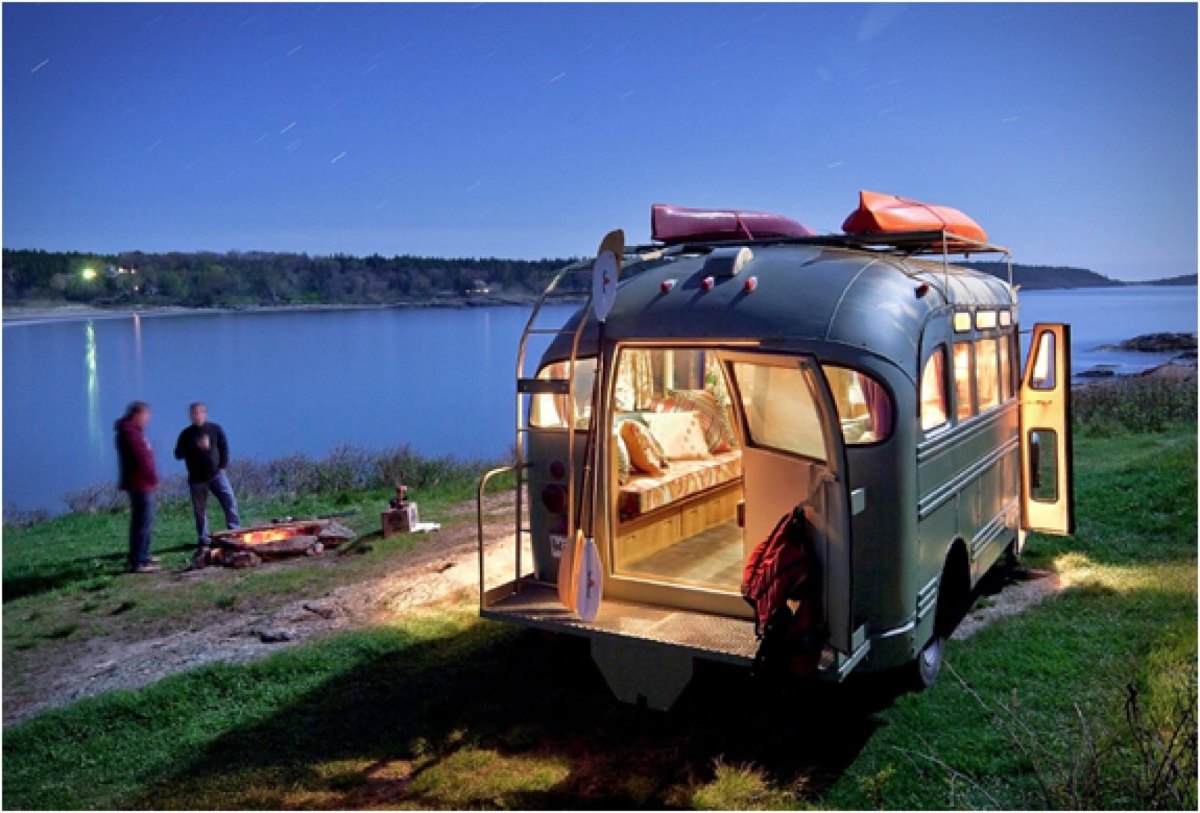
Vintage bus conversions have a charm that newer vehicles often cannot copy. I enjoy the character of an older shell, but I always recommend checking mechanical condition first before falling in love with the interior.
The smartest vintage builds mix old-school personality with updated essentials like electrical systems, insulation, and safer storage. The conversion should honour the original vehicle while making it practical.
A mistake I would avoid
Do not begin with paint and decoration before understanding the engine, brakes, and structure.
Extreme Overland Adventure Bus
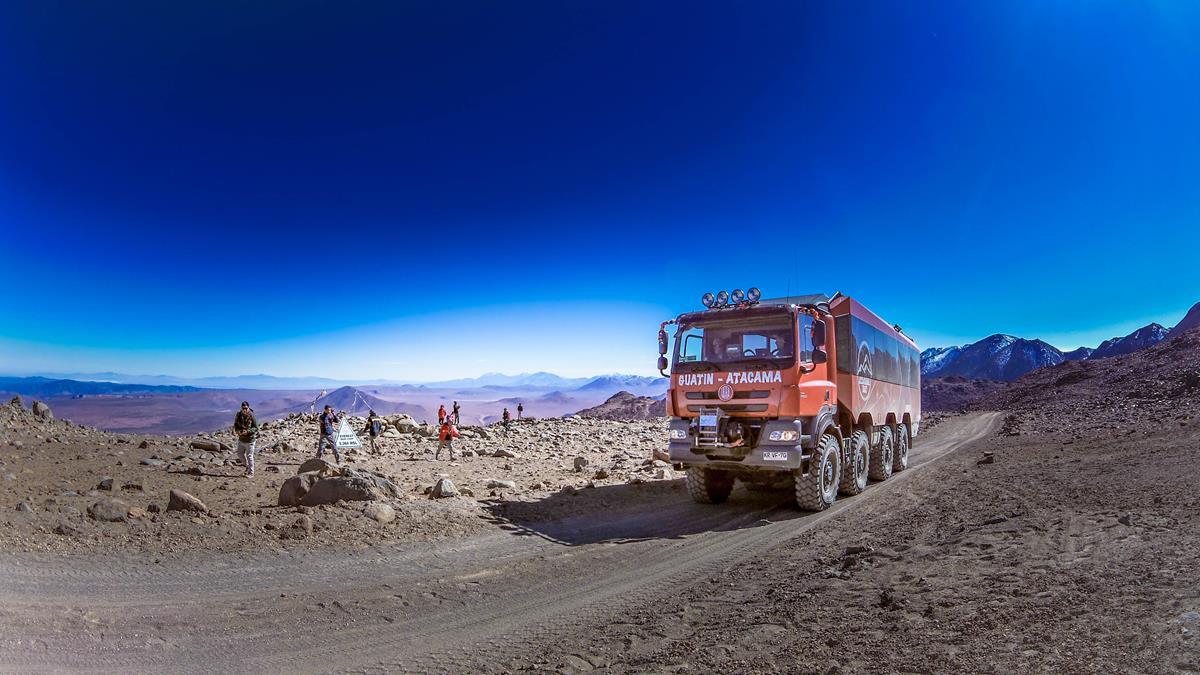
An extreme overland adventure bus is built for travellers who plan around remote terrain and long distances. I like designs that treat independence as the priority, with robust power, water, and repair solutions.
These builds often borrow ideas from expedition vehicles: durable materials, modular storage, and systems designed for time away from services. The more remote the destination, the more valuable simplicity becomes.
A good adventure vehicle is not the one with the most features. It is the one that keeps working when plans change.
Marnie Doyle